
Essay on Cleanliness: Importance of Clean Habits for Students
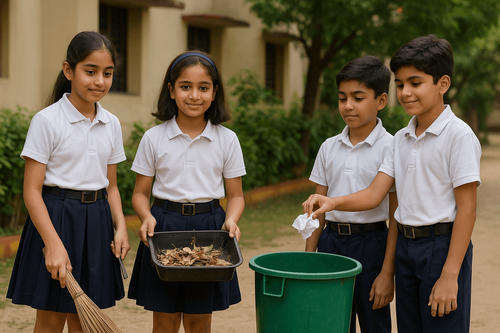

Cleanliness is the practice of keeping our surroundings, body, and habits tidy and hygienic. It plays a very important role in the life of students and children, helping them stay healthy, focused, and active. Maintaining clean habits like washing hands, brushing teeth, keeping the classroom and home organized, and properly disposing of waste prevents diseases and promotes overall well-being.
Understanding the importance of cleanliness also teaches children responsibility, self-discipline, and respect for the environment. Writing a structured essay on this topic helps students organize their thoughts, express ideas clearly, and develop good writing habits.
In this blog, we will share sample essays, writing tips, and common challenges children face while writing an essay on cleanliness, along with ways to overcome them.
Essay on Cleanliness: Thoughtfully Written Samples
Below are four simple and well-structured samples to help children understand how to write an essay on cleanliness. Each one explains the topic in an age-appropriate way and highlights the importance of clean habits.
Short Essay on Cleanliness: Sample 1
Introduction
Cleanliness means keeping ourselves, our surroundings, and our environment clean and tidy. It is very important for students and children to develop clean habits from an early age.
Body
Maintaining cleanliness prevents the spread of germs and keeps us healthy. Students can follow simple habits like washing hands before meals, brushing teeth twice a day, and wearing clean clothes. Keeping the classroom, school, and home clean also creates a positive and comfortable environment for everyone.
Clean habits not only improve health but also teach responsibility and discipline. Children who practice cleanliness regularly learn to take care of themselves and respect the environment.
Conclusion
This essay shows that cleanliness is essential for a healthy and happy life. By developing clean habits, children can stay fit, confident, and contribute to a cleaner world.
Short Essay on Cleanliness: Sample 2
Introduction
Cleanliness is the act of keeping ourselves and our surroundings neat and hygienic. It is a basic habit that every student should follow to stay healthy and active.
Body
Students can practice cleanliness in many ways, such as washing hands, brushing teeth, bathing regularly, and keeping their study areas tidy. Clean surroundings prevent diseases and promote good health.
Schools and parents play a key role in encouraging children to maintain clean habits. By teaching the importance of cleanliness, they help students develop discipline and responsibility. Good hygiene also improves focus, confidence, and learning abilities.
Conclusion
This essay explains why cleanliness is important for students. By following clean habits daily, children can stay healthy, learn better, and create a positive environment for themselves and others.
Short Essay on Cleanliness: Sample 3
Introduction
Cleanliness is the habit of keeping our body, clothes, and surroundings clean. It is very important for students to practice cleanliness regularly to stay healthy and active.
Body
Maintaining cleanliness prevents infections and ensures good health. Students can adopt simple habits like washing hands before eating, keeping books and stationery organized, and cleaning their classrooms. Clean habits also encourage children to respect public places and avoid littering.
Practicing cleanliness helps children develop discipline and responsibility. It also teaches them to care for the environment and contribute positively to society.
Conclusion
This essay shows that cleanliness is not just about tidiness; it is about health, discipline, and responsibility. By practicing clean habits, children can lead a healthier and happier life.
Short Essay on Cleanliness: Sample 4
Introduction
Cleanliness means keeping ourselves and our surroundings neat and germ-free. For students, clean habits are essential for maintaining good health and a positive learning environment.
Body
Simple practices like brushing teeth twice a day, washing hands regularly, keeping the classroom and home tidy, and disposing of waste properly are part of cleanliness. Clean surroundings prevent diseases and make daily life more comfortable and enjoyable.
Schools and parents can guide children to follow these habits consistently. Children who maintain cleanliness also develop self-discipline, respect for the environment, and awareness of health and hygiene.
Conclusion
This essay explains why cleanliness is vital for students. Practicing clean habits ensures good health, builds responsibility, and creates a positive environment for everyone.
Long Essay on Cleanliness
Introduction
Cleanliness is one of the most important habits a student can develop. It involves keeping our body, clothes, surroundings, and environment neat and hygienic. Maintaining clean habits is essential for good health, discipline, and a positive learning atmosphere. For students, cleanliness is not just about personal hygiene—it also plays a vital role in preventing diseases, improving focus, and encouraging responsibility.
Writing a structured essay on cleanliness helps children organize their thoughts, express ideas clearly, and develop strong writing skills. In this essay, we will explore the meaning of cleanliness, its types, benefits, challenges, and how students can practice it effectively.
What is Cleanliness?
Cleanliness is the practice of keeping everything around us free from dirt, germs, and pollution. It includes personal hygiene, maintaining a tidy home, organizing school and study areas, and ensuring that public places are clean. Developing clean habits from a young age helps students stay healthy and disciplined while fostering respect for themselves and others.
Cleanliness can be divided into different areas: personal, home, school, and public hygiene. Each type contributes uniquely to a child’s overall development and well-being.
Types of Cleanliness
1. Personal Cleanliness
Washing hands regularly, especially before meals
Brushing teeth twice a day
Bathing regularly
Wearing clean clothes
Trimming nails and hair
Personal hygiene prevents infections and ensures good health. Children who maintain personal cleanliness feel confident, active, and focused in their daily activities.
2. Home Cleanliness
Keeping rooms and study areas tidy
Proper disposal of waste
Dusting and cleaning furniture regularly
Organizing books, toys, and stationery
A clean home creates a comfortable and healthy environment for students to live, study, and play. It also teaches children responsibility and self-discipline.
3. School Cleanliness
Keeping classrooms, desks, and playgrounds clean
Using dustbins for waste
Avoiding littering in corridors and school grounds
Clean schools create a positive learning environment. Students who follow these habits contribute to a healthier school community and learn teamwork and responsibility.
4. Public Cleanliness
Not littering streets, parks, or public places
Using dustbins for trash disposal
Participating in cleanliness drives and awareness campaigns
Public cleanliness promotes a healthy society and teaches students to respect shared spaces and the environment.
Importance of Clean Habits for Students
1. Health Benefits
Prevents diseases caused by germs and infections
Maintains overall physical hygiene
Reduces the risk of illnesses like cold, flu, and stomach infections
Promotes mental well-being by creating a stress-free environment
Clean habits ensure that students stay healthy, active, and able to focus on studies and extracurricular activities.
2. Mental and Emotional Benefits
A clean and organized environment reduces stress and distraction
Encourages responsibility, self-discipline, and positive habits
Builds confidence and a sense of achievement in students
Students who practice cleanliness develop strong mental and emotional well-being alongside physical health.
3. Academic and Social Benefits
Organized study spaces improve concentration and learning
Respecting clean surroundings encourages cooperation and teamwork
Promotes good manners and social awareness among peers
Cleanliness helps children develop habits that improve academic performance and foster healthy social relationships.
Challenges Students Face in Maintaining Cleanliness
Lack of awareness about proper hygiene
Laziness or carelessness in daily routines
Limited access to clean facilities in schools or homes
Peer pressure or neglect of habits
Digital distractions reducing time for physical activities and cleanliness
Addressing these challenges requires guidance from parents, teachers, and the community to create awareness and motivate students to practice cleanliness consistently.
How to Encourage Good Clean Habits
Teach the importance of personal hygiene from an early age
Encourage daily routines like handwashing, brushing, and bathing
Maintain organized study areas and classrooms
Promote participation in cleanliness drives and activities
Reward and praise children for maintaining good habits
Consistent practice of clean habits helps children develop lifelong skills that contribute to their health, discipline, and overall growth.
Tips on Writing Essays for Students
Writing an essay on cleanliness helps students express their ideas clearly while developing writing skills. The following tips can guide children to write well-structured essays:
1. Understand the Topic
Read the essay topic carefully and make sure your child knows what is being asked.
For example, in “Essay on Cleanliness,” students should understand the importance of hygiene, clean habits, and their impact on health and environment.
2. Use the School Essay Format
Most school essays follow a simple structure:
Introduction: Define cleanliness and explain its significance
Body: Add 2–3 paragraphs with facts, examples, and key points
Conclusion: Summarise the ideas and give a final thought
3. Plan Before Writing
List the important points before starting. For a cleanliness essay, include:
What cleanliness is
Types of cleanliness (personal, home, school, public)
Benefits of cleanliness
How students can practice clean habits
4. Keep Sentences Short and Clear
Use simple language that is easy to read.
Correct: Washing hands keeps us healthy.
Incorrect: Maintaining proper hygiene by washing hands frequently is essential to prevent microbial infections and maintain physical well-being.
5. Use Linking Words
Connect ideas with words like: first, next, also, because, finally, in conclusion.
6. Add Examples
Support each point with real-life examples: “Students can keep their classrooms tidy by putting books and stationery in proper places.”
7. Avoid Repetition
Do not repeat the same idea multiple times. Explain it differently or add a new point.
8. Use Bullet Points for Lists
Lists of benefits, habits, or types of cleanliness can be written as bullet points for clarity.
9. Review and Edit
After writing, read the essay aloud. Check for spelling, punctuation, and sentence clarity.
10. Practice Regularly
Encourage your child to write essays on different topics frequently. Regular practice improves writing skills, clarity, and confidence
Common Challenges in Essay Writing and How to Overcome Them
Many students face similar struggles while writing essays. This table explains common challenges and simple solutions to make writing easier and more structured:
| Challenge | What It Means | Quick Fix |
|---|---|---|
| Understanding the Topic | Not sure what the essay is asking | Break the topic into smaller parts and discuss each before writing |
| Weak Structure | No clear beginning, middle, or end | Follow the format: Introduction, Body, Conclusion |
| Trouble Starting | Hard to write the first sentence | Start with a definition, fact, or simple statement about cleanliness |
| Not Enough Ideas | Don’t know what to write | List 2–3 points before starting (types of cleanliness, habits, benefits) |
| Grammar Errors | Spelling, punctuation, or sentence mistakes | Read aloud and revise after writing |
| Lack of Practice | Writing feels difficult due to less experience | Write one essay a week or practice short paragraphs on cleanliness |
This table helps children identify common pitfalls and provides quick solutions, making essay writing simpler, clearer, and more enjoyable.
How PlanetSpark Helps Kids Master Essay Writing
PlanetSpark helps children become confident writers and thinkers through personalized 1:1 learning. Here’s how it supports students in writing essays on topics like cleanliness:
Personalized Learning: Tailored lessons improve reading, comprehension, and essay-writing skills.
Interactive Sessions: Engaging online classes make learning fun while discussing topics like cleanliness, hygiene, and healthy habits.
Focus on English Fluency: Lessons enhance vocabulary, sentence formation, and clear expression.
Practical Worksheets and Activities: Kids practice concepts through exercises, real-life examples, and guided writing tasks.
Expert Mentors: Experienced teachers guide students through essay writing, creative thinking, and communication skills.
Flexible Learning: Online sessions allow children to learn at their own pace from home, making education convenient and accessible
Conclusion
Cleanliness is one of the most important habits students can develop. It not only keeps the body healthy but also fosters discipline, responsibility, and respect for the environment. Practicing clean habits like washing hands, brushing teeth, keeping study areas tidy, and maintaining personal hygiene helps children stay active, focused, and confident.
Writing an essay on cleanliness allows students to express these ideas clearly, develop reasoning skills, and improve their overall writing abilities. By encouraging children to follow clean habits daily, parents and teachers can help them lead a healthier, happier, and more organized life.
Good hygiene and cleanliness are not just habits, they are lifelong skills that shape responsible, aware, and confident individuals ready to contribute positively to society.
Frequently Asked Questions
Cleanliness keeps children healthy, reduces the risk of infections, builds discipline, and helps them develop responsibility from an early age.
Students can bathe regularly, wash hands, keep their study space clean, wear neat uniforms, and dispose of waste properly.
Making the bed, keeping school bags organized, washing hands before meals, brushing twice a day, and keeping toys/books in place.
A clean environment reduces stress, improves focus, enhances mood, and helps children feel more confident.
Parents can create routines, set gentle reminders, practice clean habits themselves, reward consistency, and guide kids through small tasks.
Cleanliness promotes better focus, reduces illnesses that cause absenteeism, and helps students maintain a positive learning environment.