
Essay on My Favorite Cartoon for Students and Kids
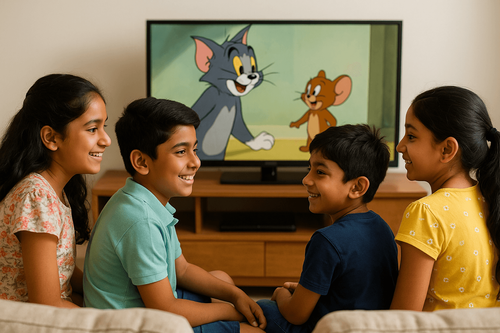

Table of Contents
- Why Cartoons Are Loved by Children
- Name of My Favorite Cartoon
- Why This Cartoon Is My Favorite
- Lessons Learned from My Favorite Cartoon
- Short Summary of My Favorite Cartoon
- Description of Main Characters
- My Favorite Episode and Why I Like It
- What Makes This Cartoon Different from Others
- How This Cartoon Inspires Me
- Role of Cartoons in Early Learning
- Messages Children Can Learn from Cartoons
- How Watching Cartoons Can Shape Good Habits
- How Much Time Children Should Spend Watching Cartoons
- Other Cartoons Kids May Like
- Importance of Choosing the Right Cartoons
- Impact of Cartoons on Language and Communication Skills
- Why Choose PlanetSpark?
- Conclusion
Cartoons are fun animated shows that children love to watch because they are full of colorful characters, exciting stories, and imagination. They make childhood more joyful by giving kids a world where anything can happen, animals can talk, superheroes can fly, and friendships last forever. Beyond just entertainment, cartoons play an important role in helping children grow. They teach values like honesty, kindness, sharing, and teamwork in a way that is easy to understand. Through their favorite cartoon characters, kids learn creativity, solve problems, and discover how to express their feelings. This makes cartoons not just enjoyable but also a meaningful part of every child’s early years.
Why Cartoons Are Loved by Children
Cartoons are loved by children because they create a world filled with imagination, excitement, and endless fun. Kids enjoy the bright colors, funny characters, and simple storylines that make every episode easy to follow. Cartoons allow children to escape into a world where anything can happen animals can talk, superheroes can fly, and magical adventures are waiting in every scene. This imaginative freedom helps children explore new ideas and think creatively. Another reason cartoons are so popular is that they show emotions in a very clear way. Whether a character is happy, scared, brave, or confused, kids easily relate to them and understand how they feel.
This emotional connection keeps children engaged and helps them learn how to express their own feelings. Cartoons also teach important values like honesty, kindness, teamwork, and responsibility without feeling like a lesson. They offer entertainment, relaxation, and learning, all at the same time. After school or homework, cartoons help kids unwind, laugh, and refresh their minds. This perfect mix of fun, learning, and imagination is why cartoons continue to be an essential and loved part of childhood.
Name of My Favorite Cartoon
Doraemon is my favorite cartoon, and it is one of the most popular animated shows for children around the world. The story revolves around Doraemon, a robotic cat who arrives from the 22nd century to help a young boy named Nobita. Nobita faces many challenges in school and everyday life because he is often lazy, unprepared, or scared of difficult situations. Doraemon uses his futuristic gadgets to help him, and these gadgets make the cartoon exciting because each episode introduces something new and creative. The main characters—Nobita, Shizuka, Gian, and Suneo—each add a unique flavor to the show. Shizuka is kind and always encourages Nobita, while Gian often bullies others but still cares deep down. Suneo likes showing off, which creates funny moments. The cartoon is filled with adventure, humor, emotion, and valuable lessons that stay with children even after the episode ends. The creative plots, time-travel adventures, and strong friendships make Doraemon not just entertaining but also meaningful. This is why Doraemon stands out as my favorite cartoon to watch.
Why This Cartoon Is My Favorite
Doraemon is my favorite cartoon because it combines imagination, humor, emotional moments, and life lessons in a way that makes every episode memorable. One of the biggest reasons I love this cartoon is the friendship between Doraemon and Nobita. Doraemon always supports Nobita, no matter how many mistakes he makes. This teaches viewers the importance of standing by the people we care about. The futuristic gadgets Doraemon brings add a layer of excitement because they introduce new adventures, challenges, and surprises in every episode. I enjoy watching how these gadgets change the situation, sometimes helping Nobita and sometimes creating more problems, leading to funny and unexpected outcomes.
Nobita, although imperfect, tries to be better, and his efforts feel relatable. The cartoon also includes emotional episodes that teach responsibility, courage, and kindness. Some episodes even inspire me to think creatively and try new things in my own life. The combination of fun, lessons, imagination, and heartfelt moments makes Doraemon the cartoon I enjoy more than any other.
Lessons Learned from My Favorite Cartoon
Doraemon teaches that true friendship means being there for each other in good times and bad. Doraemon always helps Nobita, even when Nobita makes silly mistakes, showing that real friends do not give up easily.
Honesty is another important lesson. Many episodes show that lying or trying to escape responsibility leads to bigger problems. Children learn that telling the truth is always the better choice.
Hard work is shown as the right path. Nobita often tries to use shortcuts through gadgets, but he learns that effort brings better results. This teaches kids the value of patience and dedication.
Kindness is highlighted through many characters. When Nobita helps others, good things return to him, showing children why kindness matters.
Teamwork appears in episodes where the characters work together to solve a challenge. This helps kids understand that collaborating makes difficult tasks easier.
Creativity and imagination are encouraged through Doraemon’s gadgets. They make children think in new and interesting ways.
Courage is taught when Nobita faces fears or stands up for his friends. These moments show that bravery comes from the heart, not from strength alone.
These lessons make Doraemon more than just entertainment, it becomes a meaningful guide for children.
Give your child the gift of strong communication skills. Sign up for a free PlanetSpark trial class now.
Short Summary of My Favorite Cartoon
Doraemon is a popular animated series that follows the story of a boy named Nobita and a robotic cat named Doraemon who arrives from the future to help him. Nobita faces many problems in school and everyday life, and Doraemon uses futuristic gadgets to assist him. The cartoon is filled with humor, adventure, friendship, and emotional moments that make it enjoyable for children. Every episode presents a new challenge, a new gadget, and a new lesson, keeping viewers interested from start to finish. The show not only entertains children but also teaches important values such as honesty, kindness, courage, and hard work. Doraemon’s friendship with Nobita is the heart of the story, and it shows the importance of helping and caring for others. This short summary introduces the main idea of the cartoon and prepares students for a deeper understanding of why it is such a beloved show.
Description of Main Characters
The main characters in Doraemon play a very important role in making the show interesting and meaningful. Doraemon is a robotic cat from the future who is responsible, caring, and always ready to help Nobita. He brings gadgets that can solve almost any problem, but he also teaches Nobita to make better choices. Nobita is a kind-hearted but lazy boy who struggles with studies and often gets into trouble because of his habits. Shizuka is Nobita’s best friend and someone he admires. She is polite, understanding, and always encourages Nobita to do better. Gian is strong and loud, and although he often bullies others, he cares deeply about his friends. Suneo is clever but loves showing off, which sometimes creates problems. Each character has a unique personality, and together they create funny, emotional, and memorable moments. Their interactions teach important lessons about friendship, honesty, and teamwork, which makes the cartoon enjoyable for children.
My Favorite Episode and Why I Like It
One of my favorite episodes of Doraemon is the one where Nobita receives a gadget that can turn his drawings into real objects. In this episode, Nobita is excited to bring his imaginations to life, but things quickly go out of control when the drawings start behaving in unexpected ways. What I like most about this episode is how it shows the importance of being responsible with power and creativity. Nobita initially enjoys the fun, but soon realizes that even amazing gadgets can create trouble if they are used carelessly. The episode is funny, exciting, and full of unexpected events, which keeps viewers hooked from beginning to end. It also highlights the strong bond between Doraemon and Nobita as Doraemon steps in to help fix the situation. This episode stands out because it combines humor, imagination, and a valuable lesson about thinking before acting. It is a perfect example of why Doraemon remains such an interesting and meaningful cartoon.
Want your child to write confidently about topics like this? Book a free demo class with PlanetSpark today.
What Makes This Cartoon Different from Others
Doraemon stands out from other cartoons because it beautifully blends imagination, humor, and life lessons in a way that appeals to both children and adults. Unlike many cartoons that focus only on entertainment, Doraemon includes meaningful stories that teach children about responsibility, honesty, and friendship. The futuristic gadgets are another unique feature that makes the cartoon exciting. Each gadget brings a new adventure and often leads to unpredictable situations, keeping the audience interested. The emotional connection between Doraemon and Nobita also sets the cartoon apart. Their friendship teaches viewers the importance of supporting one another. Additionally, the show captures real-life problems faced by children—such as studying, friendships, and confidence—and presents them in simple, relatable ways. The combination of magical gadgets, realistic emotions, and important messages makes Doraemon different from typical cartoons. It entertains while also helping children grow, think creatively, and understand important values.
How This Cartoon Inspires Me
Doraemon inspires me in many meaningful ways. One of the biggest inspirations is the friendship between Doraemon and Nobita. It shows that true friends stand by each other even during difficult times. Nobita also inspires me because, despite making mistakes, he learns from them and tries to become better. His journey teaches that effort matters more than being perfect. Another inspiring aspect of the cartoon is the creativity shown through Doraemon’s gadgets.
They encourage me to think differently, imagine possibilities, and explore new ideas. The show also teaches that problems can be solved with patience, kindness, and courage. Many episodes show characters helping others, apologizing when they are wrong, or supporting friends who need help. These moments remind me to be thoughtful and responsible in my own life. Doraemon inspires me to stay curious, work hard, and face challenges with a positive attitude.
Role of Cartoons in Early Learning
Cartoons play an important role in early learning because they help children understand the world in a simple and enjoyable way. They introduce ideas through colorful visuals, relatable characters, and short stories that are easy for young minds to follow. Through cartoons, children learn basic values like honesty, sharing, kindness, and cooperation. Many cartoons also help develop language skills by teaching new words, sentence patterns, and expressions.
Cartoons stimulate imagination and creativity, encouraging children to think about new possibilities and explore different ideas. They also help children understand emotions better by showing how characters feel and react in different situations. This helps children learn how to express their own feelings. When used in moderation, cartoons can support learning, build positive habits, and improve communication skills. They provide entertainment while also shaping important social and emotional development during early childhood
Messages Children Can Learn from Cartoons
Children learn many important messages from cartoons, and these lessons stay with them throughout childhood. Cartoons often show situations where characters make mistakes and then correct them, helping children understand the value of honesty and responsibility. Kids also learn about friendship because many cartoons highlight how characters support, help, and care for each other. Another strong message is kindness, as cartoons frequently show how small acts of kindness can create happiness. Children also learn that courage does not always mean being fearless; sometimes, it means doing the right thing even when it is difficult. Cartoons also teach patience because characters often face challenges that require them to think carefully, wait, or try again. Messages about teamwork are also common, as many shows include friends working together to solve a problem. These lessons shape children’s character and help them grow into thoughtful and confident individuals. Through simple stories and colorful scenes, cartoons teach meaningful messages in a way children easily understand.
How Watching Cartoons Can Shape Good Habits
Watching cartoons can shape good habits when children are exposed to positive characters and meaningful stories. Many shows highlight routines such as waking up on time, studying regularly, and helping parents, which encourages children to follow similar habits. Characters often show discipline by completing their tasks or practicing a skill repeatedly, teaching children the importance of consistency. Cartoons also show the value of cleaning up after activities, sharing toys, and respecting others, which helps young viewers develop manners and social habits. When children watch characters eating healthy foods or staying active, they learn to adopt similar lifestyle choices. Some cartoons also encourage curiosity, reading, and creativity by showing characters exploring new ideas and asking questions. Good cartoons demonstrate problem-solving, patience, and positive communication, which guide children to behave more responsibly in real life. In this way, cartoons influence daily behavior and help children form habits that support emotional and social growth.
Help your child improve storytelling, grammar, and writing skills, join PlanetSpark’s fun online learning program.
How Much Time Children Should Spend Watching Cartoons
It is important to maintain a healthy balance when it comes to screen time, especially for younger children. Children should enjoy cartoons, but not at the cost of studies, outdoor play, or sleep. Experts commonly suggest that children can watch cartoons for around one to two hours per day, depending on their age, as long as the content is appropriate and educational. Too much screen time can lead to reduced physical activity, less focus on homework, and difficulty sleeping. When children watch cartoons in limited amounts, they can enjoy entertainment while still having time for games, reading, hobbies, and social interaction. Parents should encourage children to take breaks and avoid watching cartoons during meals or late at night. A balanced routine helps children enjoy their favorite shows while staying active, alert, and healthy. By setting reasonable boundaries, children learn to manage their time responsibly and enjoy a well-rounded day.
Other Cartoons Kids May Like
Chhota Bheem is a cartoon full of adventure, energy, and teamwork, showing how courage and kindness help solve problems.
Shinchan offers humor and fun while also showing family relationships, emotions, and daily life situations.
Tom and Jerry is a classic cartoon that teaches creativity, planning, and problem-solving through funny chases.
Motu Patlu is filled with comedy and friendship, showing how two friends face funny and challenging situations together.
Ben 10 introduces children to imagination, bravery, and new worlds through exciting transformations and adventures.
Little Singham shows confidence, bravery, and discipline in a fun and action-packed way.
Peppa Pig is ideal for younger kids and helps them learn good manners, family values, and simple life lessons.
These cartoons provide children with entertainment, creativity, and positive values while keeping them engaged through different styles of storytelling.
Importance of Choosing the Right Cartoons
Choosing the right cartoons is important because the content children watch has a strong influence on their behavior, thoughts, and emotions. Good cartoons help children learn positive values like kindness, honesty, teamwork, and respect. They present challenges that characters solve through thinking, patience, or cooperation, which teaches children useful skills. However, some cartoons may include violence, negative behavior, or harmful language, which can affect young viewers in the wrong way. This is why parents and teachers need to guide children toward shows that are educational, gentle, and meaningful. Right cartoons also support children’s emotional development by showing healthy ways to handle anger, fear, or disappointment. They promote creativity through imaginative stories, colorful worlds, and interesting characters. When children watch appropriate content, they build good habits, develop empathy, and learn moral lessons that help them grow. Therefore, selecting suitable cartoons plays a major role in shaping a child’s overall learning and mindset.
Impact of Cartoons on Language and Communication Skills
Cartoons have a strong impact on language and communication skills because children learn best when they listen to clear, simple, and repetitive words. Many cartoons use everyday language, which helps children understand new vocabulary naturally. By listening to characters talk and express feelings, children learn sentence structures, pronunciation, and tone. This improves their ability to speak confidently and clearly. Cartoons also support listening skills, as children focus on dialogues and react to what characters say. Some cartoons introduce words from other cultures or languages, helping kids expand their knowledge in a fun way. Communication skills improve because children notice how characters solve problems through talking, apologizing, asking questions, or sharing ideas. These patterns help young viewers understand how to communicate politely and effectively. When children imitate positive dialogues, they become better at expressing themselves in school and at home. Overall, cartoons play a significant role in shaping strong language and social communication abilities.

Why Choose PlanetSpark?
Personalized Learning: PlanetSpark offers tailored lessons that help children build vocabulary, sentence structure, and descriptive writing skills. Whether they are writing about a funny character or a meaningful cartoon scene, kids learn how to present ideas in a clear and engaging way.
Interactive Sessions: Classes are activity-based, allowing children to share their favorite cartoons, discuss storylines, and participate in fun storytelling exercises. This makes writing more enjoyable and helps children develop confidence while expressing their interests.
Focus on English Fluency for Kids: Children improve their grammar, speaking, and articulation skills, which helps them describe characters, plot, lessons, and emotions effectively.
Practical Worksheets and Activities: Students get themed worksheets, creative prompts, picture-based writing tasks, and structured essay exercises that make learning fun and relevant to their daily interests, including cartoons.
Expert Mentors: PlanetSpark teachers guide children step-by-step, helping them write neatly, organize their thoughts, and build strong narratives inspired by their favorite shows.
Flexible Learning: Online classes provide convenience and comfort, allowing children to learn from home at their own pace while enjoying high-quality English learning experiences.
Conclusion
Cartoons play a meaningful role in every child’s life. Whether it’s a brave superhero, a funny character, or a lovable animated friend, every cartoon teaches something valuable, teamwork, honesty, kindness, creativity, or courage. Writing an essay on “My Favorite Cartoon” helps children express their feelings, describe stories they enjoy, and build strong writing skills. It encourages imagination while helping them practice vocabulary, sentence formation, and clear expression. For students and kids, this topic becomes a simple and enjoyable way to learn how to structure thoughts and present ideas confidently. As they talk about their favorite characters, episodes, and lessons, they also learn to appreciate storytelling and develop better communication skills. This makes the activity both educational and enjoyable, supporting the child’s overall growth in reading, writing, and self-expression.
Frequently Asked Questions
This topic helps children express their thoughts easily because cartoons are something they enjoy and understand well. It encourages creativity, descriptive writing, and clear expression, making it a perfect beginner-friendly essay theme.
Children should pick a cartoon they love watching regularly. It can be one with their favorite character, an inspiring storyline, or something that makes them laugh. Choosing a familiar cartoon makes writing easier and more enjoyable.
Kids should mention the cartoon’s name, main characters, what the cartoon is about, why they like it, and what lessons it teaches. They can also describe their favorite episode or moment to make the essay more interesting.
Writing about cartoons helps children improve vocabulary, sentence structure, observation, and imagination. It also helps them practice describing events, feelings, and characters in a simple and clear way.
For younger children, 8–10 lines are enough, while older students can write a longer essay of 150–250 words. The length depends on the class level and the teacher’s instruction.
Yes. Since children love talking about their favorite cartoons, they feel more confident expressing their thoughts. It also improves speaking and writing skills, helping them present ideas without hesitation.