Choosing a favorite season is a
deeply personal experience. Different seasons bring unique colors, weather, memories, and moods. This blog explores an essay on my favorite season while helping students understand how to structure descriptive essays effectively. Here, you will discover the beauty of seasonal change, sensory-based writing, and how to craft an engaging narrative. You will also find secondary keywords sprinkled throughout, such as paragraph on my favorite season, my favorite season essay for kids, descriptive writing on seasons, and best season essay.
Understanding the Essay on My Favorite Season
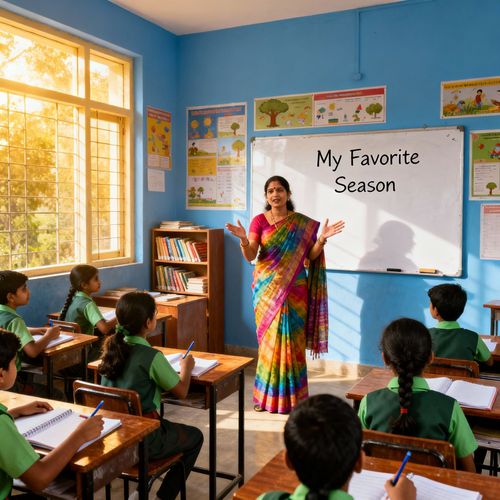
Writing an essay on my favorite season is an enjoyable and meaningful activity because it allows children to combine personal feelings with descriptive writing. Seasons are connected to memories, experiences, sights, smells, sounds, and sensations—making them perfect topics for expressive essays.
Whether a child loves winter’s cool breeze, summer’s sunshine, monsoon’s raindrops, or spring’s colorful flowers, this type of essay helps them explain why that season feels special. It teaches them how to reflect on personal experiences, connect emotions to nature, and describe scenes using vivid details.
Overall, an essay on a favorite season strengthens imagination, observation, and storytelling while allowing students to express their unique preferences.
What This Essay on My Favorite Season Covers
This section outlines the key elements students will learn while writing their essay. It helps them understand what to include and how to structure their ideas effectively.
Understand how to describe a season vividly
Students learn to use sensory details—what they see, hear, smell, taste, and feel—to paint a clear picture of the season.
Explore emotional and sensory connection with a season
Children reflect on why a particular season makes them happy, calm, excited, or nostalgic.
Learn how seasons influence daily life
Seasons affect what we wear, eat, play, and celebrate. Understanding these details enriches their writing.
Practice writing skills with examples
Students gain access to sample paragraphs and essays to guide their own writing.
Develop creative storytelling
The topic encourages imagination—describing nature, weather patterns, activities, holidays, and personal moments linked to the season.
Understand how to structure an essay from introduction to conclusion
Students learn to organise their thoughts: Introduction Body paragraphs Conclusion
This structure builds clarity and coherence.
This resource is designed to help students write a detailed, descriptive essay with confidence. Secondary keywords such as best season essay, descriptive writing on seasons, my favorite season paragraph, and season essay for students naturally fit into this topic and support SEO-rich academic content.
Spring is a season loved by many because it brings beauty, hope, and freshness to the world after the long, dry winter months. In this essay on my favorite season, the focus is on why spring inspires feelings of joy, creativity, and calmness. Every season has its charm, but spring stands out for its pleasant weather, colorful surroundings, and lively atmosphere.
The Beauty of Spring
Spring arrives with soft breezes, blooming gardens, and comfortable weather. After winter’s quietness, the earth awakens again. Trees that looked bare suddenly become covered in fresh green leaves. Fields fill with flowers, and the world transforms into shades of yellow, pink, red, and green.
Because of this vibrant transformation, spring is often called the queen of seasons. The temperature remains moderate—not too hot, not too cold—making it perfect for outdoor activities like walking, reading in the garden, flying kites, or enjoying a picnic with family.
The Colors of Spring
One of the most captivating parts of spring is its burst of colors. Flower petals glisten under gentle sunlight, and trees dress themselves with new leaves. Flowers such as tulips, daisies, marigolds, roses, and sunflowers bloom everywhere, turning parks and gardens into natural paintings.
In fields, mustard flowers sway like yellow waves. The pleasant smell of blooming plants refreshes the mind. Butterflies, bees, and birds add life to the scenery, making this season ideal for descriptive writing on seasons.
A Time of Joy and Festivals
Spring is also known for its joyful festivals. Celebrations like Holi, Basant Panchami, and Easter fill the season with color, music, and cultural traditions. Schools plan picnics, sports days, and outdoor events because the weather is perfect.
Children especially love this season because they can spend more time outdoors, play games, enjoy swings, and fly kites under clear blue skies.
The Perfect Weather
Unlike summer’s heat or winter’s chill, spring brings a comfortable balance in temperature. Mornings are warm and refreshing, while evenings carry a cool breeze. This pleasant climate is ideal for morning walks and outdoor exercise.
Spring also supports agriculture. New crops grow, gardens flourish, and farmers feel hopeful as fields turn green again.
Spring Awakens the Senses
Spring stimulates all five senses: Sight – colorful flowers and bright landscapes Sound – birds singing in early mornings Smell – sweet fragrance of blossoms Touch – gentle breeze against the skin Taste – fresh seasonal fruits and vegetables
Because spring is rich in sensory details, it helps children appreciate nature and develop observation skills.
Spring and Creativity
Spring doesn’t only change the environment—it also changes how we feel. People feel lighter, happier, and more inspired during this season. Students often experience better focus, while artists, writers, and poets find endless inspiration in spring’s beauty.
Many famous poems and artworks revolve around spring, making it a popular theme for creative writing assignments such as my favorite season paragraph or best season essay.
A Season of New Beginnings
Spring symbolizes new beginnings. Just as trees grow new leaves and flowers bloom, spring teaches us that every ending is followed by growth. It represents hope, renewal, and fresh opportunities.
Schools start new academic sessions in spring, and many people pick up new hobbies or set new goals, inspired by the positive atmosphere.
Why Spring Is My Favorite Season
Spring is my favorite season because it brings beauty, joy, and peace. The environment feels alive with colors and fragrance. The weather is perfect. Festivals make the season cheerful. Nature smiles with flowers, greenery, and sunshine.
Personally, I enjoy spending time outdoors, walking in gardens, reading under trees, and watching butterflies flutter around. Spring inspires creativity and makes life feel brighter.
PlanetSpark Creative Writing Course
PlanetSpark offers a powerful learning journey combining creativity with communication. Below is everything covered under the Creative Writing Program.
Genre-Based Curriculum
The curriculum includes short stories, poetry, journal writing, essays, book reviews, and persuasive letters. Each genre has a detailed lesson plan designed to help students understand structure, purpose, and creative techniques.
Writing + Speaking Integration
Students don’t just write; they present their work orally. This builds expressive confidence and narrative style. With the LSRW method (Listening, Speaking, Reading, and Writing), children develop holistic communication abilities.
Editing, Feedback, and Rewriting
Children learn more than just writing. They improve through revision. Real-time editing, peer reviews, and teacher feedback help students correct errors and rewrite stronger drafts.
Real Publishing Opportunities
PlanetSpark provides platforms where students can publish their stories, essays, and poems. Their work is featured on:
PlanetSpark Blog
E-magazines
Anthologies
This builds confidence and inspires consistent writing.
Creativity Stimulants
Story dice, fun prompts, imagination exercises, and image-based writing activities help children overcome writer’s block and build creativity.
1:1 Personal Trainers
Every child learns with a certified communication expert. These trainers understand the student’s style, strengths, and weaknesses. They focus on areas like fluency, storytelling, vocabulary, grammar, and writing.
The individual attention encourages faster progress and stronger mentor-student connection.
Personalised Learning Roadmap
No two children are alike. After an initial assessment, trainers design custom learning plans covering areas like grammar, fluency, confidence, structure, and vocabulary. This roadmap evolves with progress and goals.
SparkX – AI Video Analysis Tool
With SparkX, students upload speeches or stories. AI evaluates clarity, body language, structure, confidence, grammar, and organization. Parents receive detailed reports for measurable growth.
A Season of Inspiration: Final Thoughts
Every season carries its own charm, but spring remains unmatched for its freshness, color, and joyful spirit. It is a season that symbolizes growth and new beginnings, reminding us that beauty returns even after the longest winter. Writing an essay on my favorite season allows students to explore their emotions, sharpen their descriptive skills, and appreciate the wonders of nature. It encourages creativity, reflective thinking, and detailed observation—skills essential for strong communication and expressive writing.
To further strengthen these abilities, children need structured guidance and personalised support. PlanetSpark helps young learners become confident communicators, writers, and thinkers through one-on-one training, creative writing modules, AI-enabled feedback, and real publishing opportunities. With the right environment and mentoring, students not only learn to write better but also develop the courage to express themselves clearly and confidently. Spring inspires nature, and PlanetSpark inspires young minds.
Begin with a simple introduction that clearly states which season is your favorite and why. You can mention what you enjoy most about it—such as the weather, colors, festivals, or memories connected to that season. A strong opening sets the tone for the rest of the essay.
For students, the ideal length is usually between 150 and 500 words, depending on class requirements and writing level. Younger students may write shorter essays, while older students can include more descriptive details. Creative and advanced versions can be longer if needed.
Describe weather, activities, festivals, nature, and personal connections.
Any season works, but spring, winter, and rainy seasons are most popular.
Improve your writing by practising descriptive language, reading essays and stories regularly, and observing your surroundings. Joining structured programs like the PlanetSpark Creative Writing Course can help you develop imagination, clarity, vocabulary, and storytelling skills with expert guidance.