
Learn Genres of Literature With Expert Guidance at PlanetSpark

Table of Contents
- What Is a Genre? Explained Simply
- What Is a Genre in Literature? Complete Beginner’s Guide
- What Are Literary Genres? Meaning, Types & Purposes
- Main Types of Literature You Should Know
- Types of Genres Beyond Traditional Literature
- Importance of Reading Genres for Students
- How Learning Genres Improves Writing Skills
- Turning Imagination Into a Published Success
- Genres of Literature and Communication Skills
- Why PlanetSpark Is the Best Place to Build Exceptional Skill
- Master Genres of Literature With PlanetSpark
Genres of literature open the door to countless worlds, from magical stories and powerful poems to meaningful plays. This guide helps students understand these forms clearly and enjoy reading with purpose. With expert teachers, engaging activities, and creative writing practice, PlanetSpark supports students in exploring genres, expressing ideas confidently, and building strong language and communication skills in a fun, inspiring way.
What Is a Genre? Explained Simply
Before exploring literature in detail, it is important to answer a basic question: what is a genre?
A genre is a category that classifies literature based on common themes, styles, structures, and purposes. Genres help readers know what to expect from a text and help writers choose the right format for expressing their ideas.
For example:
The mystery genre focuses on solving a puzzle or a crime
The fantasy genre involves imaginary worlds and magical elements
A poem uses rhythm, imagery, and emotion rather than long narratives
By understanding genres, students become more confident readers and more purposeful writers.
What Is a Genre in Literature? Complete Beginner’s Guide
So, what is a genre in literature specifically?
In literature, a genre refers to a recognised type of written work that follows certain conventions. These conventions may include:
Writing style
Tone and language
Narrative structure
Subject matter
Literary genres help organise vast bodies of written work and make it easier for readers to select texts based on their interests. For students, learning genres also improves comprehension because they can anticipate how a story or text might unfold.
At PlanetSpark, children are introduced to genres engagingly, using age-appropriate texts, discussions, and creative writing activities.
What Are Literary Genres? Meaning, Types & Purposes
What are literary genres? Literary genres are the main categories into which literature is divided based on style, structure, content, and purpose. They help readers understand what to expect from a text and help writers choose the most effective way to express their ideas. By grouping works into genres, literature becomes easier to study, compare, and enjoy.
Traditionally, literature has been classified into a few core genres, each of which contains several subgenres that further define the type of writing. These genres guide how a text is written, read, and interpreted.
The Major Literary Genres Include:
1. Prose (Fiction and Nonfiction)
Prose is written in ordinary language and follows natural speech patterns rather than rhythmic structures.
Fiction prose includes imaginative storytelling such as novels and short stories, focusing on plot, characters, and themes.
Nonfiction prose presents factual information, ideas, or arguments, such as biographies, essays, articles, and informational texts.
Prose is widely used for storytelling, explanation, and persuasion, making it the most commonly read literary form.
Let Your Child Discover the Joy of Creative Expression!
2. Poetry
Poetry expresses ideas and emotions through rhythm, imagery, sound devices, and figurative language. Unlike prose, poetry often follows specific patterns of lines and stanzas. It encourages readers to interpret meaning beyond literal words and appreciate language creatively. Poetry can be lyrical, narrative, or reflective in nature, offering deep emotional and artistic expression.
3. Drama
Drama is written primarily for performance on stage. It relies on dialogue, actions, and stage directions to convey the story. Instead of lengthy descriptions, drama shows character development and conflict through spoken words and interactions. Plays can be serious, humorous, or thought-provoking, making drama a powerful genre for exploring human relationships and social issues.
Main Types of Literature You Should Know
These are the basic categories of written works that help readers understand different styles, purposes, and ways of expressing ideas.
1. Fiction
Fiction is one of the most popular genres of literature. It includes stories created from imagination, though real events may inspire them.
Common features of fiction:
Imaginary characters or settings
A structured plot with conflict and resolution
Themes such as friendship, courage, love, or justice
Types of Fiction Genres
Some popular types of genres within fiction include:
Fantasy: Magical worlds, mythical creatures, and imaginary powers
Science Fiction: Advanced technology, space travel, and future possibilities
Mystery: Crimes, clues, and problem-solving
Adventure: Action-packed journeys and challenges
Historical Fiction: Stories set in real historical periods
Realistic Fiction: Imagined stories that could happen in real life
PlanetSpark encourages students to experiment with multiple fiction genres to discover their unique writing voice.
Boost Grammar, Vocabulary, and Story Structure Effortlessly!
2. Nonfiction
Nonfiction is literature based on facts, real events, and real people. It aims to inform, explain, or persuade readers.
Key features of nonfiction:
Accurate information
Clear structure
Logical explanations
Common nonfiction genres include:
Biographies and autobiographies
Essays and articles
Memoirs
Informational texts
Learning nonfiction writing at PlanetSpark helps students build critical thinking, research, and communication skills.
3. Poetry
Poetry is a powerful literary genre that expresses ideas and emotions through rhythm, imagery, and concise language.
Characteristics of poetry:
Use of figurative language
Focus on feelings and imagery
Structured or free-verse formats
Different poetic genres include:
Haiku
Sonnet
Limerick
Free verse
PlanetSpark’s poetry modules help children understand poetic devices while encouraging creative self-expression.
Help Your Child Become a Powerful Young Storyteller!
4. Drama
Drama is literature written to be performed, not just read. It uses dialogue and stage directions to tell a story.
Features of drama:
Spoken dialogue
Acts and scenes
Conflict and character development
Types of drama include:
Comedy
Tragedy
Historical drama
Drama activities at PlanetSpark build confidence, public speaking skills, and emotional intelligence.
Types of Genres Beyond Traditional Literature
Modern literature has expanded to include new and hybrid genres that appeal to today’s readers.
Some additional types of genres include:
Graphic novels: Graphic novels tell stories using sequential art, illustrations, and dialogue, combining visual storytelling with literary elements to engage readers of all ages.
Young Adult (YA) fiction: Young adult fiction focuses on teenage protagonists, exploring themes like identity, relationships, and growth through relatable characters and accessible language.
Dystopian literature: Dystopian literature presents imagined societies marked by oppression or control, encouraging readers to reflect on real-world social, political, and ethical issues.
Satire: Satire uses humor, irony, and exaggeration to criticize human behavior, institutions, or society, often prompting readers to think critically while being entertained.
Travel writing: Travel writing describes journeys, cultures, and places, blending personal experiences with factual information to transport readers and inspire curiosity about the world.
PlanetSpark introduces students to both classical and modern genres, helping them become versatile readers and writers.
Build Strong Writing Skills That Last a Lifetime!
Importance of Reading Genres for Students
Developing an interest in reading genres is essential for a child’s academic and personal growth
Benefits of reading across genres include:
Reading different genres introduces new words, expressions, and sentence structures, strengthening language proficiency and communication abilities.
Exposure to varied writing styles helps students understand texts deeply, identify themes, and develop critical thinking and analysis skills.
Exploring imaginative genres encourages creative thinking, visualization, and the ability to generate original ideas and stories.
Reading multiple genres helps students understand different cultures, viewpoints, and experiences, fostering empathy and global awareness.
When students explore multiple genres, they become adaptable readers who can understand different writing styles and purposes.
How Learning Genres Improves Writing Skills
Understanding genres of literature is not just about reading, but plays a crucial role in writing.
When students learn genres, they:
Write with a clearer structure
Use appropriate tone and language
Develop strong storytelling techniques
Learn to adapt writing for different audiences
PlanetSpark’s expert-led programs guide students step by step, from understanding genre basics to creating polished genre-specific pieces.
Turning Imagination Into a Published Success
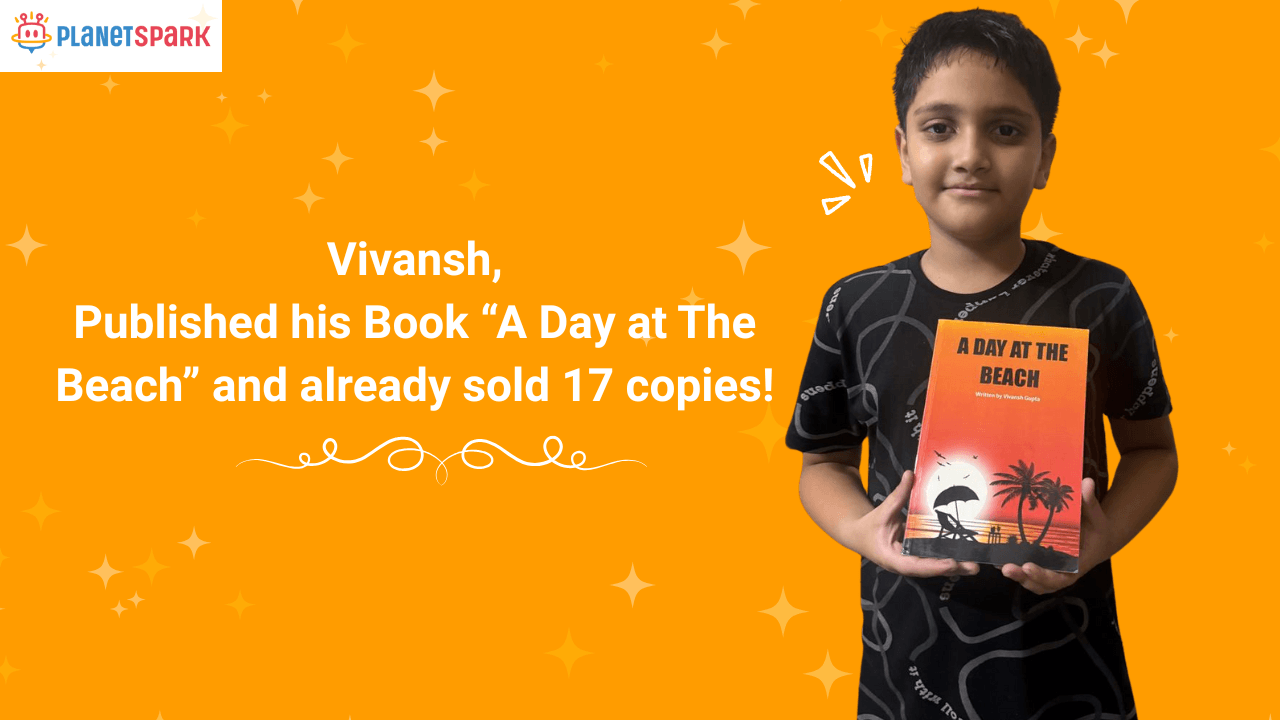
Vivansh has become an author and has successfully sold 17 copies of his book.
Ready to turn your child’s ideas into real stories and achievements? Join PlanetSpark and give them expert guidance to become confident writers.
Let your child’s success story begin by enrolling in PlanetSpark today and watch their creativity shine
Genres of Literature and Communication Skills
Learning genres also strengthens communication skills. Each genre teaches students a different way to express ideas.
For example:
Fiction improves storytelling and imagination
Nonfiction enhances clarity and logic
Poetry builds emotional expression
Drama boosts verbal communication
PlanetSpark integrates genre learning with communication and public speaking skills, creating confident and articulate learners.
Why PlanetSpark Is the Best Place to Build Exceptional Skills
PlanetSpark offers a complete learning ecosystem that helps children become confident, expressive, and imaginative writers. With expert-led classes, AI-powered tools, and engaging activities, students don’t just learn writing—they master the art of storytelling, clarity, structure, and creativity. Here’s how PlanetSpark transforms every child into a skilled young author:
What PlanetSpark Offers for Creative Writing Excellence
1:1 Personal Trainers who guide children through grammar, storytelling, vocabulary, and expression
Personalised Writing Curriculum tailored to your child’s level, goals, and pace
Spark Diary for daily writing practice that builds consistency and creativity
Genre-Based Learning covering stories, poems, essays, book reviews, speeches, and more
Creative Stimulus Activities like story dice, picture prompts, and imagination games
Real Publishing Opportunities through blogs, e-magazines, anthologies, and showcases
SparkX AI Video Analysis to refine delivery when presenting written work
Gamified Tools like SparkBee and quizzes that strengthen grammar, vocabulary, and spelling
PlanetSpark ensures your child not only writes better but thinks sharper, imagines deeper, and communicates with confidence that lasts a lifetime.
Master Genres of Literature With PlanetSpark
Literature plays an important role in shaping imagination, language skills, and thinking ability. From stories we enjoy as children to texts we study in school, literature helps us understand the world and express ideas clearly. However, to truly enjoy and understand literature, it is important to know that it is divided into different categories.
These categories are known as genres of literature. Each genre has its own style, purpose, and way of presenting ideas. Some genres entertain readers with stories, some share facts and information, while others express deep emotions or are meant to be performed on stage. Knowing these differences makes reading more meaningful.
When students learn about literary genres, they become better readers and writers. They can choose books confidently, understand texts easily, and write creatively. Learning genres builds a strong foundation for language and communication skills.
Also Read:
Propositional Logic Skills for Smart Thinkers at PlanetSpark!
Vignette Meaning Explained: Learn Storytelling With PlanetSpark
Frequently Asked Questions
Genres of literature are categories that group written works based on style, theme, structure, and purpose. They help readers understand texts better and help writers choose suitable formats.
Learning literary genres improves reading comprehension, critical thinking, and writing skills. It allows students to recognize patterns in texts and adapt their writing style according to purpose and audience.
There are three main literary genres: prose, poetry, and drama. Each genre has several subgenres and serves different purposes, such as storytelling, expressing emotions, or presenting ideas for performance.
Reading different genres exposes students to varied writing styles and ideas. It builds vocabulary, boosts imagination, and helps students understand emotions, facts, and perspectives through diverse forms of literature.
Parents choose PlanetSpark because it combines structured learning, expert mentors, and interactive methods. The program builds strong reading, writing, and communication skills while boosting confidence and creativity.