
How Kids Can Express Opinions Politely: Simple Parent Guide
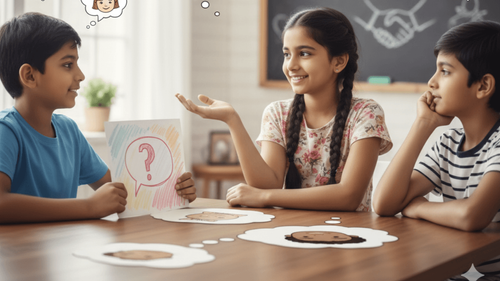

Kids speak with bright minds and bold hearts, but their words sometimes land harder than they intend. In a noisy world filled with quick messages and fast reactions, kids need strong and polite communication skills more than ever. Many parents now look for simple steps on how kids can express opinions politely so their children can speak with clarity, kindness, and courage. Kids talk at school, home, and online. They share ideas, feelings, and questions every day. With the right guidance, they can express honest opinions while still showing respect. This blog gives clear, simple steps to help them grow.
Why Kids Must Learn Polite Expression
Kids face many talks every day. Talks shape their minds. Talks shape their confidence. Polite expression gives kids a safe way to share ideas. It helps them speak without fear. It helps them speak without hurting others.
Kids with polite talk skills grow into calm adults. They solve conflict with ease. They maintain good relations. They share ideas in school without worry. They speak in groups without tension. They also lead better. Leaders use strong talk. Leaders use polite talk. Kids learn this early when adults teach them.
Polite talk does not block strong ideas. It does not hide strong thoughts. It supports them. It lifts them. It helps others accept new ideas. Kids see this when they speak calmly and receive better reactions.
1. Teach Kids to Pause and Think
Kids react fast. Their minds move fast. Their words follow the mind. But fast talk sometimes leads to hurt. Kids gain control when they learn to pause. A simple pause helps them check their ideas. A pause clears confusion.
You can create a small routine with them:
Step 1: Think
“What is my point?”
Step 2: Shape
“How can I say it in simple words?”
Step 3: Check
“Will this hurt someone?”
Kids learn discipline through this. Over time, the pause becomes natural. Kids speak in a thoughtful way. Kids speak with more clarity.
A pause also teaches patience. Kids grow calm when they learn to wait for the right words. This single habit gives lifelong value.
2. Give Kids Simple and Polite Words
Kids speak what they hear. They copy tone. They copy style. So adults must use polite words. Kids then pick them with ease. You can teach them starter lines like:
- “I feel…”
- “I think…”
- “I want to share…”
- “I see this point…”
- “What do you think?”
These lines create open talk. They show respect. They sound calm. Kids learn that polite words do not weaken the point. Polite words make the point easier to hear.
Kids also need to learn words that protect the feelings of others. Avoid sharp lines. Avoid harsh labels. Teach kids lines like:
“I see a different view.”
instead of
“You are wrong.”
This shift makes huge impact. Kids learn that the same idea can travel in a softer and kinder form.
3. Teach Kids the Habit of Deep Listening
Kids learn talk skills, but they also need listening skills. Polite speech needs strong listening. Kids understand others only when they listen. They respond well when they listen.
Teach kids to look at the speaker. Teach kids to stay silent while others speak. Teach kids to wait. Teach kids to show interest. Kids learn deep listening when adults show it.
Try this small game:
Listening Game: Mirror Back
One kid speaks for 30 seconds. The other kid repeats the main idea. Then they switch roles.
This game teaches listening. It teaches focus. It also teaches polite expression because kids hear how others shape their words.
4. Help Kids Respect Different Opinions
Kids feel strong love for their own views. They think their idea makes perfect sense. They cannot always see why others think differently. This creates conflict.
Teach kids that other views exist. Teach them that people think differently because they come from different stories. Kids learn acceptance through this. They learn to value diversity.
Show them a simple practice:
“Name the View” Practice
Before they share their own view, they restate the other view.
For example:
“You think this idea helps the class.”
Then they share their own point.
This practice builds respect. Kids learn to show fairness before sharing disagreement. This simple shift builds polite talk culture.
5. Encourage Kids to Ask Questions Instead of Arguing
Arguments grow fast when kids feel the need to prove a point. Arguments drain energy. Arguments close minds. Questions open minds.
Teach kids to ask:
- “Why do you feel this way?”
- “Can you tell me more?”
- “Can we look at both sides?”
Questions bring calm. Questions reduce tension. Questions also help kids collect more information. They understand topics better. They speak with more clarity later.
Kids learn that questions solve more than strong statements. They learn that polite curiosity helps them connect with others.
6. Teach Kids to Use Calm Tone and Steady Volume
Kids often forget tone. Tone changes the message. A sharp tone hurts. A calm tone heals.
You can teach tone with role-play.
Speak a line in two tones. One calm. One sharp. Ask them which one feels better. Kids always pick calm tone. This helps them understand tone impact.
Teach them to breathe before speaking. Teach them to speak at a steady pace. Teach them to maintain moderate volume. Kids learn that a loud voice scares people. Too soft voice hides the point. A steady voice supports the message.
Tone and volume control build strong communication skills for life.
7. Show Kids How to Build an Opinion with Reasons
Kids sometimes share opinions without reasons. They say “I like this” or “I want this.” But opinions grow strong with reasons. Teach kids to support views with examples.
For example:
“I think we need more reading time because stories help me relax.”
This clear reason helps others understand the idea. Kids learn to think deeper. They understand their own thoughts better. They share better.
Use simple prompts:
- “Why do you think so?”
- “What example can you give?”
- “What did you see or feel that built this idea?”
Kids then form ideas in a clearer way.
8. Teach Kids Kind Honesty
Kids speak truth. Their truth feels sharp sometimes. Sharpened truth hurts people. Kind honesty keeps truth and care together.
Teach kids a simple “3-Part Truth Method”:
Step 1: Start with a positive point
“You gave good effort.”
Step 2: Share the real point
“I think darker lines help your art.”
Step 3: End with encouragement
“You can try it in the next drawing.”
Kids learn honesty with respect. They learn that the truth does not need harsh tone. They learn that people receive honest feedback better when it comes with kindness.
9. Use Stories to Model Polite Expression
Kids learn through stories. Stories show characters with opinions. Stories show conflict. Stories show solutions. Kids learn good patterns from stories.
Pick stories where characters speak with respect.
Pause and ask simple questions:
- “How did this character talk?”
- “Did the character think before speaking?”
- “Did the character listen?”
- “Did the talk create peace?”
Kids then understand polite talk with ease. They copy story patterns. Stories become teachers.
Unlock strong communication skills at PlanetSpark. Click here to Book Your Free Trial Call!
10. Use Daily Life for Practice
Kids grow with practice. Kids learn talk skills when they practice daily. You can turn simple moments into practice sessions.
During meals, ask:
“What did you learn today?”
“What made you think?”
“What made you smile?”
Let kids speak. Let them shape ideas. Guide them when tone slips. Praise them when they speak well. Kids improve fast when adults give consistent guidance.
11. Teach Kids to Control Emotions During Talks
Kids feel strong emotion. When emotion rises, polite talk drops. Kids must learn emotional control.
Teach kids to breathe when they feel upset. Teach them to step away from the talk for a moment. Teach them to drink water. Teach them to count to ten.
Small actions calm the mind. Calm mind produces clear words. Clear words create polite talk.
You can also help them name emotions:
“I feel angry.”
“I feel sad.”
“I feel confused.”
When kids name emotions, they control them better.
12. Encourage Kids to Respect Space and Time
Kids sometimes jump into conversations. They speak over others. They forget when to stop. They forget when to allow others space.
Teach them to wait for a pause before speaking. Teach them to let others finish. Teach them to speak in turns.
Use a simple rule:
“Speak. Pause. Let others speak.”
This rhythm builds polite expression. It builds maturity. It builds balance.
13. Teach Kids How to Stay Calm in Group Talks
Group talks bring noise. Kids feel the need to speak fast. They fear getting ignored. This creates tension.
Teach kids:
- to raise hands
- to wait for the right moment
- to speak slowly
- to avoid shouting over others
Also teach kids to support other speakers. Kids can say:
“I agree with this point.”
“I want to add something.”
Kids learn fairness and unity through these steps.
14. Encourage Clear and Simple Language
Kids sometimes use long and unclear lines. Long lines confuse listeners. Teach kids to use short lines. Short lines feel clean and strong.
Teach kids to remove filler words. Teach them to speak with clarity. Clarity builds confidence. Confidence builds polite talk.
Use examples:
Instead of:
“I kind of think that maybe this looks a little better.”
Teach them:
“I think this looks better.”
Clarity saves energy. Clarity helps kids become great speakers.

PlanetSpark: Build Powerful and Polite Communication Skills in Kids
Kids need strong talk habits. Kids need structured learning. Kids need real guidance. PlanetSpark brings all these elements under one platform.
- PlanetSpark gives live classes. Teachers guide kids in real time. Kids talk. Kids debate. Kids share stories. Kids build confidence. Kids learn polite expression in each session.
- PlanetSpark uses small groups. Kids get more attention. Kids receive clear feedback. Kids practice tone, clarity, and polite expression.
- PlanetSpark also offers progress tracking. Parents see improvement. Kids stay engaged. Kids enjoy tasks. Kids grow fast.
The system uses fun activities. Kids learn through talk games, role-plays, stories, and guided discussions. Kids practice polite talk in real situations.
PlanetSpark builds strong talk skills that kids use in school, home, and future careers. If parents want kids to express ideas politely and confidently, PlanetSpark offers a powerful and clear learning path.
Conclusion
Kids hold new ideas. They hold fresh minds. They hold honest hearts. They need guidance to express their ideas in calm and clear ways. Polite talk gives them strength. It builds trust. It builds connection.
Kids learn polite talk through practice, stories, role-play, guidance, and daily conversations. Kids also learn polite talk when they see good models. Kids speak with more confidence when they know how to shape words.
Frequently Asked Questions
Kids meet many people each day. Clear talk builds trust and courage. Polite speech keeps talks safe. It helps kids grow into strong speakers who handle ideas with calm respect.
Teach calm words and slow speech. Ask the child to listen first. Ask the child to share short and clear lines. Show the child how to express a view without harsh tone.
Use small role plays. Speak one line in two tones. Let the child pick the better tone. Practice each day. Tone control grows through slow and steady drills with guidance.
PlanetSpark gives talk drills, debates, stories, and real tasks. Kids speak often. Kids learn structure, tone, and clarity. Teachers guide each step. Kids gain strong and steady confidence.
PlanetSpark uses guided talk games and live role-play tasks. Kids learn calm speech, kind feedback, and clear words. Teachers shape habits that help kids express views with respect.
PlanetSpark offers live sessions, skilled teachers, small groups, and progress tracking. Kids learn real talk skills that help them speak well in school and in daily life.