
How to Develop a Writing Habit | PlanetSpark Creative Writing
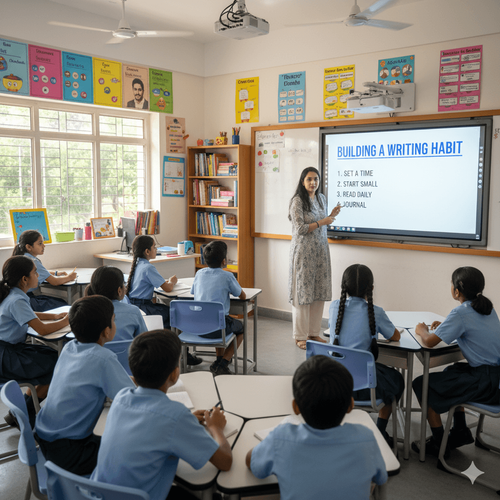

Have you ever dreamt of becoming a confident, expressive, and consistent writer,but found yourself struggling to start or stick to the habit? You’re not alone. Many aspiring writers feel inspired one day and overwhelmed the next. The truth is, developing a writing habit isn’t just about strict discipline or willpower. It’s about understanding your creative rhythm, building small moments of daily consistency, and using simple techniques that make writing feel enjoyable rather than burdensome.
A strong writing habit grows when you learn how to make writing a natural part of your routine,something you look forward to instead of something you force yourself to do. With the right mindset, the right tools, and the right practices, anyone can transform writing from a difficult task into a rewarding daily ritual.
In this detailed guide, you’ll learn how to develop a writing habit, practical strategies to stay motivated, and how the PlanetSpark Creative Writing Course can help young writers build lifelong writing confidence and creativity.
Why Developing a Writing Habit Matters
Building a writing habit goes far beyond just filling pages , it’s about shaping thought, discipline, and creativity. Writing regularly improves your communication skills, sharpens your thinking, and opens a world of expression.
For students, a writing habit enhances vocabulary, grammar, and comprehension , key components of strong academic performance. For adults, it builds articulation and mental clarity. But consistency is the true secret , and that’s what most struggle with.
Let’s dive into why and how to develop a writing habit that lasts.
1. Understanding the Search Intent Behind “How to Develop a Writing Habit”
When people search how to develop a writing habit, they want actionable steps , not vague advice. They’re looking for a clear path to begin writing consistently and stay motivated long-term.
This blog breaks down:
How to start writing daily
How to make writing enjoyable
How to overcome creative blocks
Tools and courses (like PlanetSpark) that support skill growth
How to Develop a Writing Habit: Step-by-Step
Developing a strong writing habit is like building a muscle—it grows through consistency, patience, and intentional practice. Whether you're nurturing a child’s writing skills or trying to improve your own, these detailed steps will help make writing a natural, enjoyable part of daily life.
1. Start Small, Stay Steady
One of the most common mistakes aspiring writers make is setting unrealistic expectations early on. Trying to write for an hour each day can feel overwhelming and often leads to burnout.
How to Begin
Start with 10–15 minutes of focused writing each day.
Write one paragraph, five lines, or even three sentences—the goal is consistency, not perfection.
Over time, gradually increase your writing duration or word count as the habit becomes easier.
Why It Works
Small habits reduce resistance. Your brain begins to associate writing with a simple, manageable task instead of something heavy or demanding.
Pro Tip
Use tools like the Spark Diary from PlanetSpark—a guided digital journal that encourages children to write daily through engaging prompts, ideas, and creative themes.
2. Find Your “Why”
Every long-term habit begins with a clear purpose. Understanding why you want to write gives your habit direction and emotional energy.
Ask Yourself
Do you want to improve communication skills?
Do you want to express creativity through stories or poems?
Are you preparing for academic or professional writing?
Do you want a space for emotional release and self-reflection?
Why It Matters
A strong “why” creates internal motivation. It keeps you going even on uninspired days.
For children, the benefits are huge—writing boosts vocabulary, comprehension, creativity, and academic confidence. For adults, it sharpens thinking, reduces stress, and helps track goals.
3. Create a Dedicated Writing Space
Your environment influences your focus. A dedicated writing space sends a powerful signal to your brain: This is where writing happens.
How to Set It Up
Choose a quiet, comfortable corner of the room.
Keep writing essentials within reach—pens, journals, a laptop, sticky notes.
Personalize the space with motivational quotes, photos, plants, or soft lighting.
Add calming music if it helps you concentrate.
Why It Helps
A familiar setup creates routine, minimizes distractions, and improves writing flow. Children especially benefit from having a fixed “creative corner.”
4. Use Writing Prompts and Challenges
Blank pages can feel intimidating. Prompts help overcome creative blocks by giving you a clear starting point.
Try These Prompts
“What made you smile today?”
“Describe a moment you’ll never forget.”
“Rewrite a fairy tale from the villain’s perspective.”
“Imagine a world where animals can talk—what happens next?”
Writing Challenges
Write a 100-word story.
Create a character in 10 minutes.
Write a poem using five random words.
Prompts turn writing into a game, making it fun, accessible, and pressure-free.
5. Set Realistic Writing Goals
Goals give your habit structure. But they must be attainable, measurable, and motivating.
Examples of Effective Writing Goals
Write 200 words daily.
Finish one journal entry every night.
Write one story every week.
Publish a blog post every month.
Why Goals Matter
Tracking progress helps maintain enthusiasm. Each completed goal boosts confidence and makes you want to keep going.
6. Read More to Write Better
Writing and reading are deeply connected. The more you read, the more you absorb patterns of good writing—sentence structure, rhythm, tone, and style.
What to Read
Fiction (for imagination and storytelling)
Essays (for structure and clarity)
Poetry (for creativity and expression)
Articles (for concise communication)
How PlanetSpark Supports This
PlanetSpark’s curriculum integrates Reading + Writing, helping students analyze powerful narratives, understand author techniques, and apply these lessons in their own writing.
7. Learn the Art of Editing
Writing is only half the process—editing gives your words polish and power.
Editing Tips
Read your work aloud to catch awkward phrasing.
Look for unnecessary words or repeated ideas.
Check grammar, punctuation, and sentence clarity.
Ask: “Can I say this in a simpler way?”
Why Editing Matters
It teaches children and adults to refine ideas, think critically, and improve structure and flow.
PlanetSpark Advantage
Students receive real-time feedback from expert teachers, helping them understand exactly how to improve grammar, vocabulary, and organization.
8. Integrate Writing Into Daily Life
Writing shouldn’t feel like schoolwork—it should feel natural.
How to Make Writing Part of Everyday Life
Write short notes or reflections on your phone.
Keep a mini notebook for ideas, thoughts, or dreams.
Write captions for photos thoughtfully.
Create to-do lists in full sentences.
Describe an event or moment before sleeping.
Daily habits like these build fluency and reduce the fear of writing.
9. Celebrate Small Wins
Acknowledgment boosts motivation. Celebrate every bit of progress—no matter how small.
Celebrate When You:
Write for five days in a row
Complete a poem or story
Reach your word-count goal
Overcome writer’s block
Try a new writing style
At PlanetSpark
Students’ achievements are recognized through writing contests, e-magazines, presentations, and showcases—building pride and confidence in their abilities.
10. Seek Feedback and Join a Writing Community
Writing improves faster when shared with others. Constructive feedback helps you identify strengths and areas for improvement.
Ways to Get Feedback
Join a writing club
Share work with friends or classmates
Participate in writing forums or groups
Attend workshops or storytelling sessions
PlanetSpark’s Supportive Communities
The Writers Guild and Story Writing Club offer interactive environments where children share stories, receive feedback, collaborate on ideas, and grow into confident communicators.
How PlanetSpark Helps Children Develop a Writing Habit
Now that we’ve explored how to develop a writing habit, let’s discover how PlanetSpark’s Creative Writing Course helps children build this habit practically and joyfully.
PlanetSpark’s Creative Writing Program is designed to turn young learners into expressive, confident writers. It combines structured learning with creativity , blending grammar, storytelling, speaking, and imagination through interactive lessons.
Course Highlights:
Genre-Based Curriculum
Writing + Speaking Integration
Real Publishing Opportunities
AI-Enabled Tools for Feedback
Personalized Mentorship
1. Genre-Based Curriculum
Children explore multiple writing forms , short stories, poetry, journals, essays, and book reviews , through step-by-step lesson plans. This broad exposure helps them discover their favorite genres and build diverse writing skills.
2. Writing + Speaking Integration
At PlanetSpark, writing and speaking go hand-in-hand. Students present their written work orally, enhancing narrative flow, confidence, and expression.
The program follows the LSRW approach (Listening, Speaking, Reading, Writing) - ensuring holistic communication development.
3. Editing, Feedback, and Rewriting
Writing becomes meaningful when learners revise and improve. Trainers provide instant feedback and peer reviews, helping kids refine their ideas and polish grammar, tone, and structure.
4. Real Publishing Opportunities
PlanetSpark gives students the chance to publish their work on the platform’s blog, e-magazine, or anthologies, boosting recognition and confidence.
5. Creativity Stimulus Activities
Fun activities like story dice, visual prompts, and imagination games inspire children to write freely. These creativity boosters remove the fear of the blank page.
6. 1:1 Personal Trainers
Every child is matched with a certified communication expert who understands their learning style, speed, and interests. Personalized attention ensures faster improvement and strong mentor-student connections.
7. Personalized Curriculum and Learning Roadmap
PlanetSpark customizes each child’s journey. Trainers identify skill gaps in vocabulary, grammar, and confidence, and design personalized milestones for growth.
8. SparkX – AI-Enabled Video Analysis
With SparkX, children can record stories and receive AI-based analysis on grammar, confidence, posture, and clarity , ensuring measurable progress.
9. AI-Led Practice Sessions
PlanetSpark’s AI-led virtual sessions help kids practise storytelling, speech, and creative expression anytime. Real-time feedback enhances fluency and confidence.
10. Spark Diary – Daily Writing Practice
The Spark Diary feature encourages journaling and daily creative writing. It turns writing into a fun digital habit that builds consistency and self-reflection , exactly what every aspiring writer needs.
Write, Create, and Shine – The Power of Habit and Imagination
Writing is more than a skill , it’s a superpower. Developing a writing habit nurtures creativity, builds confidence, and strengthens communication. Whether your goal is to journal, write stories, or express yourself clearly , consistency is key.
PlanetSpark makes this journey structured, inspiring, and fun through its Creative Writing Course, where young learners build writing fluency, storytelling skills, and self-expression through gamified, personalized learning.
Start your child’s writing journey with PlanetSpark today , and watch creativity turn into confidence!
You may also read:
Frequently Asked Questions
Usually, 21–30 days of consistent writing can help form a solid habit. Starting small and staying consistent is the key.
Introduce fun prompts, set short goals, and enroll them in creative writing classes like PlanetSpark for structured learning.
Daily writing enhances creativity, improves vocabulary, strengthens grammar, and builds confidence in communication.
Morning or evening — whichever fits your schedule and helps you stay consistent.
PlanetSpark combines personalized mentorship, AI-based feedback, publishing opportunities, and gamified learning to build lasting writing habits.