
How to Turn Ideas into Stories?


Last Updated At: 27 Nov 2025
9 min read
Stories can be about anything, your favourite superhero, a funny adventure, or even a magical world you imagine. Turning a small idea into a full story can be like magic! If you have ever wondered how to turn ideas into stories, this guide is for you.
Explore Planet Spark’s Creative Writing programs to bring ideas to life in easy ways.
The First Step in Storytelling
Every great story starts with an idea. When you think about how to turn ideas into stories, the first thing you need is a spark in your mind. It could be a funny incident from school, a dream you had, or even a talking animal in your backyard. The trick is to notice things around you and imagine them in new ways.
Once you have an idea, you can use storytelling techniques to make it exciting. For example, if your idea is about a cat that can talk, you can add adventures, problems, and fun conversations. Using creative writing tips, like describing how the cat feels or what the world looks like, makes the story come alive.
Turning ideas into stories is also about following a story development process. Think about the beginning, middle, and end. Decide what the problem is and how it will be solved. There are simple steps to turn ideas into a story: choose an idea, create characters, plan the plot, add fun events, and finish with a solution. Learn them in detail in the sections below.
Even beginners can write amazing stories if they follow the tips for beginners to write stories: keep imagining, do not worry about mistakes, and let your creativity guide you. Writing ideas into stories can be fun and magical when you start.
Developing Characters That Bring Life to the Story
Once you have your main idea, the next step in the story development process is creating characters who make your story come alive. Characters can be people, animals, or even magical creatures. When you build strong characters, it becomes easier to follow the steps to turn ideas into a story.
Think about what your character likes, dislikes, fears, and dreams. This helps you use storytelling techniques to make them feel real. For example, imagine a brave little rabbit who wants to explore the forest or a curious robot who wants to learn about humans. Giving your character goals and personality traits is one of the best creative writing tips.
While writing ideas into stories, describe how your character looks, talks, and behaves. Ask yourself: What makes my character special? What problem will they face? How will they solve it? These are good tips for beginners to write stories.
Here are some commonly known characters and their characteristics:
Harry Potter, brave, loyal, curious, and always ready to help others
Cinderella, kind, patient, hopeful, and gentle
Sherlock Holmes, smart, observant, calm, and very good at solving mysteries
Winnie the Pooh, friendly, sweet, caring, and loves honey.
Spiderman, responsible, brave, quick-thinking, and always helps people.
Little Red Riding Hood, innocent, polite, brave, and curious
Strong characters help readers connect with your story and make your imagination shine.
Creating a Strong Plot!
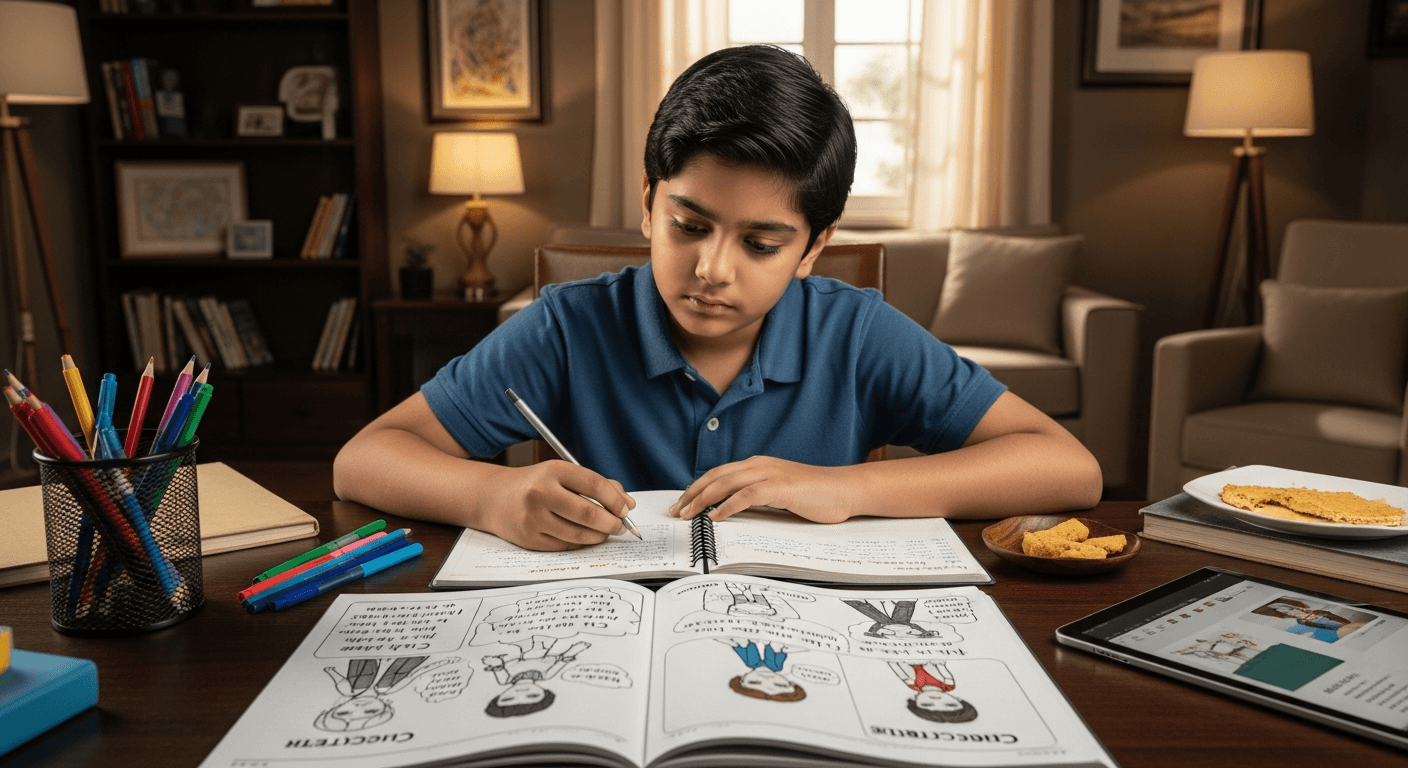
A strong plot is the path that your story follows. It shows what happens first, what comes next, and how everything ends. When you plan your plot carefully, your story becomes interesting and easy to understand. A good plot uses bold storytelling techniques, clear steps to turn ideas into a story, and exciting moments that keep readers curious. Many young writers use creative writing tips like asking “What if?” or “What happens after this?” to make the plot stronger. A strong plot also helps you follow a simple story development process that guides you from beginning to end.
Here is a simple plot chart that you can follow:
Below are three well-known plot examples that children around the world admire.
1. The Lion King
The story begins with Simba as a young cub who enjoys a peaceful life. The plot grows stronger when he loses his father, leaves home, learns important lessons, and finally returns to defeat Scar and take his place as king.
2. Harry Potter
The plot starts with Harry discovering that he is a wizard. The story builds through school years, battles with dark forces, clues, challenges, and a showdown with Voldemort that brings the journey together.
3. Cinderella
The story begins with Cinderella living a difficult life with her stepfamily. The plot rises with the royal announcement, the magical transformation, the midnight escape, and ends when the prince finds her and changes her life.
When you understand how a strong plot works, you can guide your characters on an exciting journey that keeps readers turning the pages and makes your story unforgettable.
Setting Makes Story Realistic
A strong setting helps readers feel like they are inside the story. It shows where and when the story happens and makes every scene clear and exciting. When you understand the place, your story development process becomes easier and more fun. A good setting also guides you as you follow the steps to turn ideas into a story.
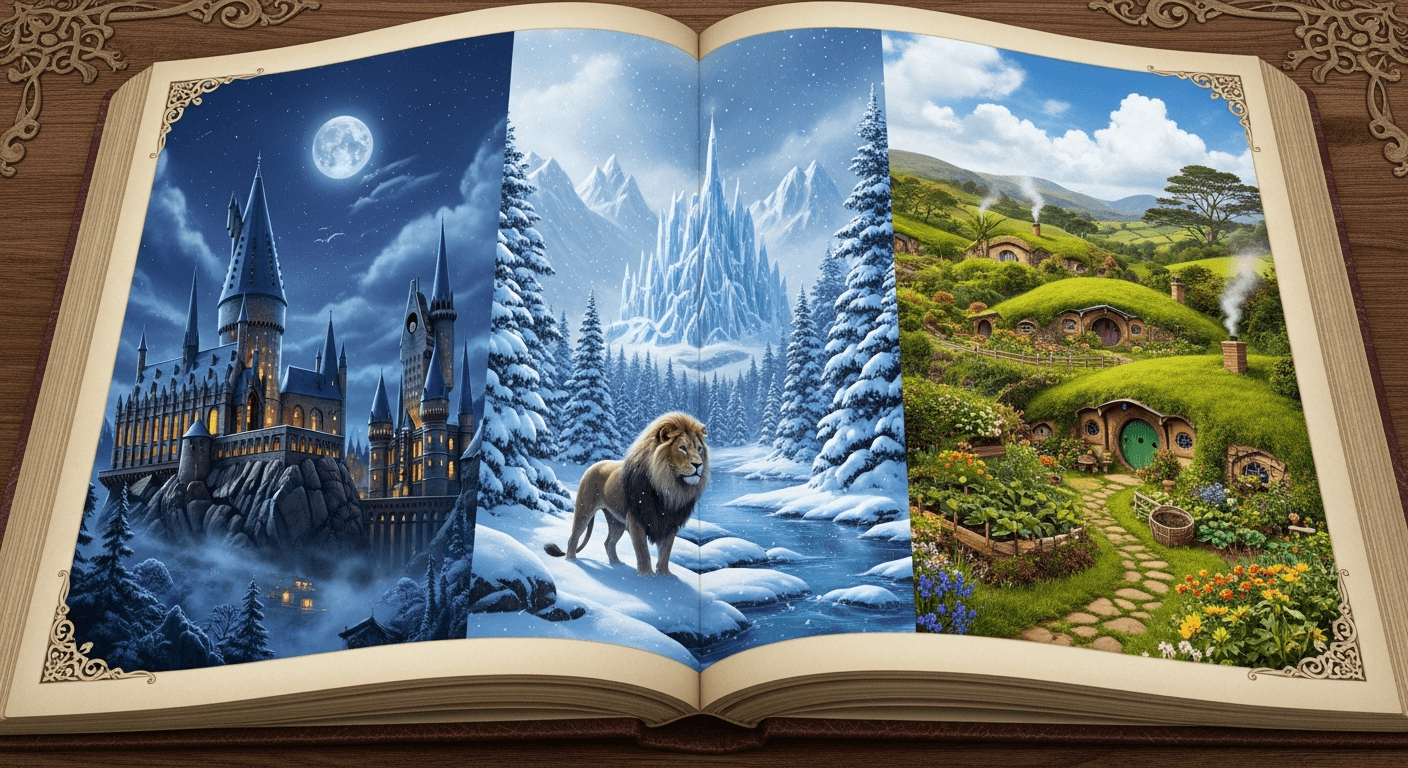
Think about your favourite books. Their settings stay in your mind. For example, Hogwarts from the Harry Potter series is a magical school full of secrets. Narnia from The Chronicles of Narnia feels like a snowy kingdom of wonders. The Shire from The Lord of the Rings is a peaceful green land that makes readers feel safe and warm. These places become unforgettable because they are described so well.
To write an engaging setting, start by imagining the world clearly. What can you see, hear, or smell there? Use simple words that paint pictures. This helps readers enjoy your story and understand it better. Strong settings also make your characters feel real and support important storytelling techniques. Use creative writing tips to describe weather, colours, sounds, and small details. When you practice writing ideas into stories, a meaningful setting will help bring your plot to life. This is one of the best tips for beginners to write stories.
Adding Conflict to Engage Readers
Every great story becomes exciting when something unexpected happens. This is called conflict, and it is a very important part of the story development process. When you learn steps to turn ideas into a story, adding the right problem makes readers want to know what happens next. Think of your favourite books. They all have a moment when the hero faces a challenge.
Imagine you are writing about a brave girl who wants to win a school race. Suddenly, she loses one shoe while running. This small problem can turn a simple idea into an unforgettable adventure. This is how storytelling techniques help you make your writing more fun.
You can also write about a space boy who needs to fix his rocket before a meteor shower arrives. This conflict keeps the reader excited because they want to know if the space boy will escape in time. Kids who use these simple creative writing tips learn to make their stories more lively.
When you add a challenge or obstacle, you turn writing ideas into stories that feel real and thrilling. These are the best tips for beginners to write stories that stay in the reader’s mind long after the story ends.
10 Tips to Write Compelling Stories
Writing a story is like opening a door to a new world, and these tips will help you create stories that everyone loves to read.
Start with a clear idea so you know what your story is about
Create characters who have strong goals or dreams.
Give your characters a problem to make the story exciting.
Use simple settings that help readers imagine the place.
Write in a clear order so events make sense from beginning to end.
Add feelings and actions to show what your characters experience.
Use short and powerful sentences to keep readers interested
Add surprises that make the story fun and unpredictable.
Show, do not just tell by describing what characters do instead of only explaining.
End with a strong message or a happy learning moment for your readers.
Use these tips each time you write, and soon your stories will shine bright and stay in the hearts of your readers.
Why Planet Spark Creative Writing Makes You a Story Superstar?
Creative writing helps children turn ideas into clear, exciting, and meaningful stories while improving structure, vocabulary, and confidence.
Key Highlights:
Genre-Based Learning: Children explore short stories, poetry, journals, essays, book reviews, and persuasive letters through focused lesson plans.
Smart Writing Frameworks: Kids learn story arcs, the S.T.O.R.Y structure, the 5W1H method, and the PEEL technique to build strong and logical writing.
Write and Speak Together: Children present their written work aloud, building expressive confidence and improving storytelling flow.
Edit, Improve, and Shine: Real-time editing, peer reviews, and guided feedback help kids rewrite and refine their best work.
Real Publishing Chances: Young writers can publish their creations on Planet Spark's blog, e-magazine, or anthologies to showcase their talent.
Creativity Boost Activities: Story dice, prompts, image writing, and imagination games spark fresh and original ideas.
Creative writing becomes a joyful journey when children learn to think, express, and create with confidence.
Writing a story begins with a small idea, and with the right steps, it can grow into something magical. When you use strong characters, a clear plot, a vivid setting, and an interesting conflict, you turn simple thoughts into powerful stories. With these storytelling techniques and creative writing tips, any child can start writing ideas into stories that readers will love. Keep practising, keep imagining, and follow the story development process. The more you write, the easier it becomes.
Frequently Asked Questions
Begin by choosing a simple idea that excites you. Then follow the steps to turn ideas into a story: create characters, choose a setting, plan the plot, add a conflict, and end with a solution. This helps you follow a clear story development process.
Beginners can use creative writing tips like adding feelings, describing actions, using surprises, and making characters face challenges. These help in writing ideas into stories that feel exciting.
Children can use simple storytelling techniques such as showing, not telling, building strong characters, creating vivid settings, and adding problems that the hero must solve. These are good tips for beginners to write stories and make the writing fun.