PlanetSpark Logo
Imagination, Creativity, and Idea Development in Creative Writing

Imagination, Creativity, and Idea Development in Creative Writing

The creative engine behind writing ideas, innovation, and meaningful communication

The Creative Engine Behind Writing

Imagination and creativity form the foundation of all meaningful writing. Before words take shape on the page, the mind explores possibilities, connections, and perspectives. This internal process is often called the creative engine behind writing because it fuels idea development, originality, and expression.

In creative writing, imagination allows writers to move beyond facts and routine thinking. It helps children invent characters and stories, while professionals use it to frame ideas, solve problems, and communicate with clarity and impact. Creativity, on the other hand, is the ability to shape imagination into something structured and purposeful. Together, they turn abstract thoughts into clear writing ideas.

From a skills perspective, this creative engine strengthens soft skills such as critical thinking, problem solving, and leadership communication. Writers learn to observe, question, and interpret the world differently. These abilities directly support written communication, workplace communication, and innovation driven thinking.

At an early age, imagination helps learners experiment with language and storytelling. As writers grow, the same skill evolves into creative thinking that supports persuasive writing, business communication, and leadership narratives. This shows that imagination is not limited to fiction. It is a transferable skill that improves clarity, originality, and confidence across all forms of writing.

How Imagination Fuels Original Writing Ideas

Imagination helps writers create ideas that feel fresh and meaningful. It allows children to turn simple thoughts into stories and helps professionals connect ideas in new ways for clear and effective communication.

Through imaginative thinking, writers gather small ideas from experiences, emotions, and observations. Creative thinking then shapes these fragments into structured writing ideas. This process improves written communication skills, problem solving, and leadership communication.

Imagination also builds flexibility in thinking. Writers learn to adjust tone, style, and approach based on their audience, which strengthens workplace communication and creative writing across all levels.

Proven Idea Generation Methods for Writers

Generating strong writing ideas does not depend on inspiration alone. Effective writers use simple and repeatable idea generation methods to turn imagination into clear and structured thoughts. These techniques help children explore creativity, support students in organizing ideas, and enable professionals to communicate effectively in academic and workplace settings.

  • Brainstorming
    Writing down ideas freely without judgment encourages imaginative thinking. It allows writers to explore multiple possibilities and supports creative writing and problem solving.

  • Mind mapping
    This visual method helps connect related ideas and improve idea development. It brings structure to writing ideas and strengthens written communication skills.

  • Observation-based writing
    Noticing everyday experiences, people, and situations helps generate authentic content. This approach works well for storytelling, leadership communication, and workplace communication.

  • Question-based thinking
    Asking who, what, why, and how helps refine ideas and add depth. It is especially useful for clear, purposeful, and audience-focused writing.

  • Regular creative practice
    Using these methods consistently builds creative thinking habits. Over time, writers develop ideas faster and communicate with clarity and confidence.

Creative Frameworks to Develop and Organize Ideas

Once ideas are generated, creative frameworks help writers shape them into clear and meaningful structures. These frameworks guide imaginative thinking and ensure that creativity leads to purposeful writing. For kids, they make writing less confusing. For professionals, they support clarity, logic, and leadership communication.

  • Beginning, middle, and end framework
    This simple structure helps writers organize ideas in a logical flow. It improves storytelling, written communication, and overall clarity.

  • Problem and solution framework
    Writers identify a challenge and explore possible solutions. This framework strengthens creative thinking, problem solving, and workplace communication.

  • Cause and effect framework
    Linking actions with outcomes helps writers develop logical and persuasive ideas. It is useful for academic writing and professional communication.

  • Idea expansion framework
    Writers start with one core idea and add details, examples, and explanations. This method improves idea development and depth in writing.

  • Audience focused framework
    Thinking about the reader’s needs helps writers choose the right tone and structure. This strengthens leadership communication and ensures effective message delivery.

Creative Frameworks to Develop and Organize Ideas

Once ideas are generated, creative frameworks help writers shape them into clear and meaningful structures. These frameworks guide imaginative thinking and ensure that creativity leads to purposeful writing. For kids, they make writing less confusing. For professionals, they support clarity, logic, and leadership communication.

  • Beginning, middle, and end framework
    This simple structure helps writers organize ideas in a logical flow. It improves storytelling, written communication, and overall clarity.

  • Problem and solution framework
    Writers identify a challenge and explore possible solutions. This framework strengthens creative thinking, problem solving, and workplace communication.

  • Cause and effect framework
    Linking actions with outcomes helps writers develop logical and persuasive ideas. It is useful for academic writing and professional communication.

  • Idea expansion framework
    Writers start with one core idea and add details, examples, and explanations. This method improves idea development and depth in writing.

  • Audience focused framework
    Thinking about the reader’s needs helps writers choose the right tone and structure. This strengthens leadership communication and ensures effective message delivery.

From Imagination to Execution: Turning Ideas into Writing

Turning ideas into effective writing requires clarity, structure, and purpose. Writers first need to identify the core idea they want to communicate, as this provides direction and keeps the writing focused. Once the main idea is clear, imagination works alongside creative thinking to shape supporting points that add meaning and depth.

Organizing ideas in a logical flow helps readers follow the message easily. This step is essential for storytelling, academic writing, and workplace communication, where clarity directly impacts understanding. Choosing the right tone and style further strengthens written communication by ensuring the content matches the audience, whether it is children, students, or professionals.

Expanding ideas with examples, explanations, or real situations helps transform abstract thoughts into concrete writing. Finally, reviewing and refining the content improves flow and accuracy. This process strengthens creative writing skills while also building confidence, leadership communication, and effective written communication across different contexts.

Why Creativity Strengthens Soft Skills and Leadership Communication

Creativity plays a vital role in building essential soft skills that go beyond writing. When writers use imagination and creative thinking, they learn to analyze situations, view problems from multiple perspectives, and express ideas with clarity. These abilities directly strengthen critical thinking, problem solving, and adaptability, which are important skills for learners at every stage.

In leadership communication, creativity helps individuals communicate ideas with confidence and impact. Leaders who think creatively can frame messages clearly, engage their audience, and present solutions in a thoughtful way. This makes written communication more persuasive and effective in professional and workplace settings.

Creative writing also improves emotional awareness and empathy. By exploring different viewpoints through imagination, writers become better listeners and communicators. Over time, this leads to stronger collaboration, clearer workplace communication, and the ability to influence and inspire others through well-structured ideas and meaningful expression.
Stories That Shine at PlanetSpark

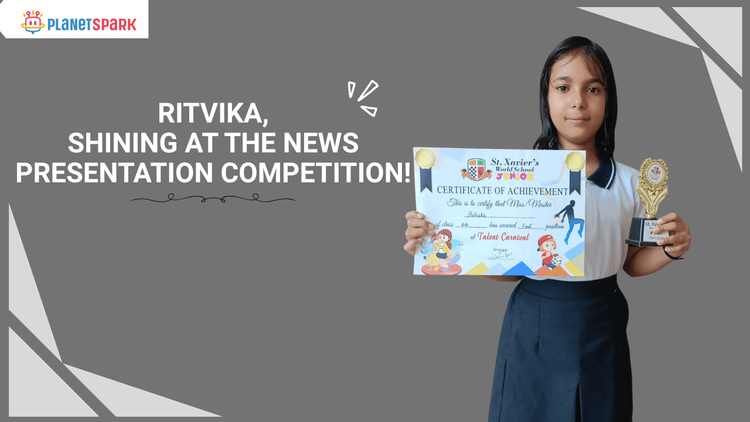
Ritvika
Ritvika (News Presentation Competition)
Ritvika has achieved a milestone in News Presentation! From the PlanetSpark classroom to the spotlight at the News Presentation Competition.
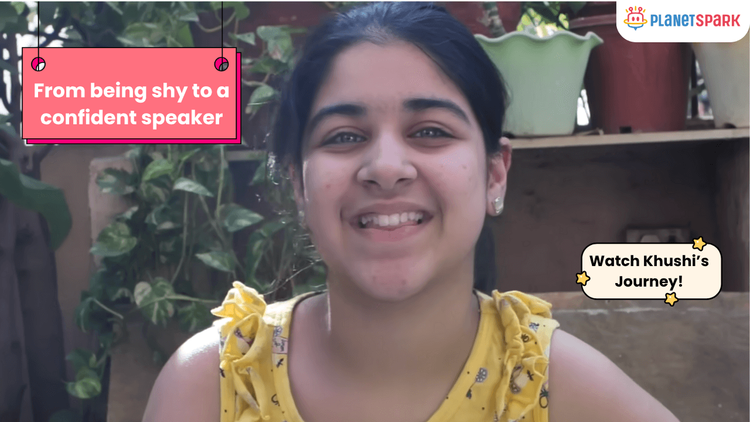
Khushi's journey
Khushi Bhatia, 10 Years
Khushi transformed from being a shy to a confident speaker with PlanetSpark!
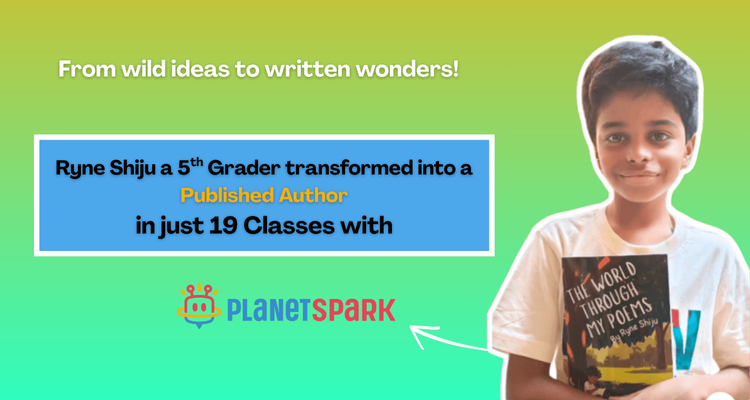
Ryne Shiju Published Author
Ryne Shiju (Published Author)
Ryne Shiju, a bright PlanetSpark star, has turned imagination into inspiration becoming a published author whose words now empower and inspire.
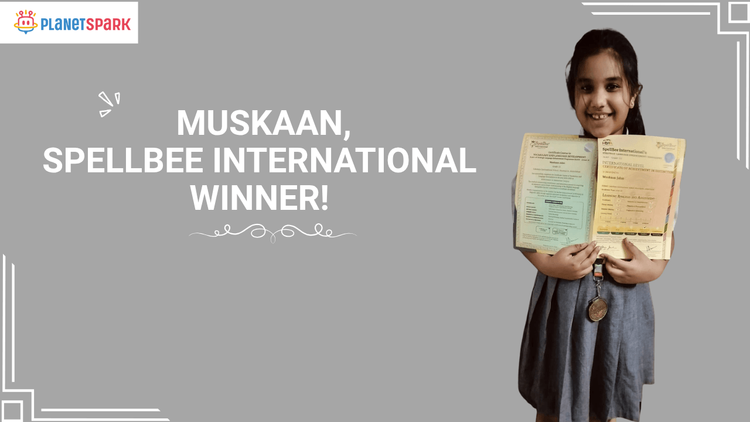
Muskan
Muskaan (SpellBee International Participant)
We are beyond proud of Muskaan from PlanetSpark, who showcased her spelling brilliance at the SpellBee International Programme.
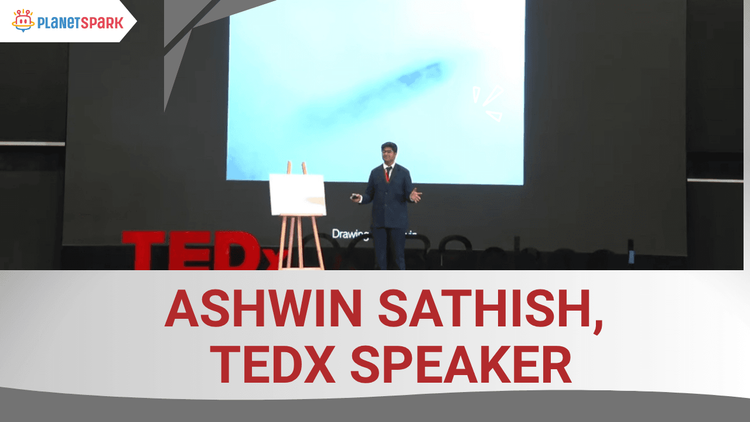
Ashwin Sathish
Ashwin Sathish (TEDx Speaker)
Ashwin Sathish, Grade 8 from New Delhi, stood tall as a TEDx Speaker, sparking conversations that truly matter. From classroom confidence to commanding a global stage, his journey reflects the power of voice, vision, and courage.
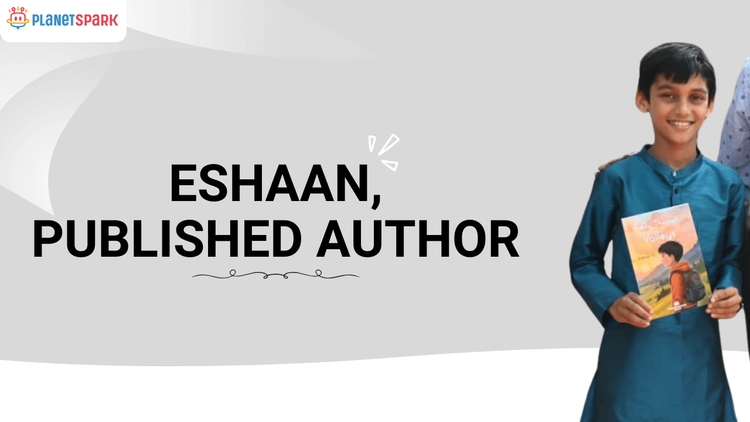
Eshaan
Eshaan (Published Author)
Eshaan has officially became a published author, turning classroom activity into a captivating storybook.
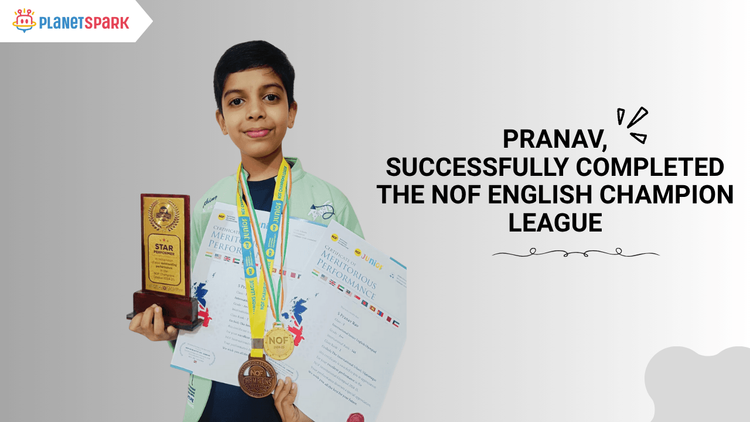
Pranav
Pranav (NOF English Champion League)
Pranav, a Grade 3 star, has successfully completed the NOF English Champion League, showcasing his brilliance in Public Speaking and Creative Writing.
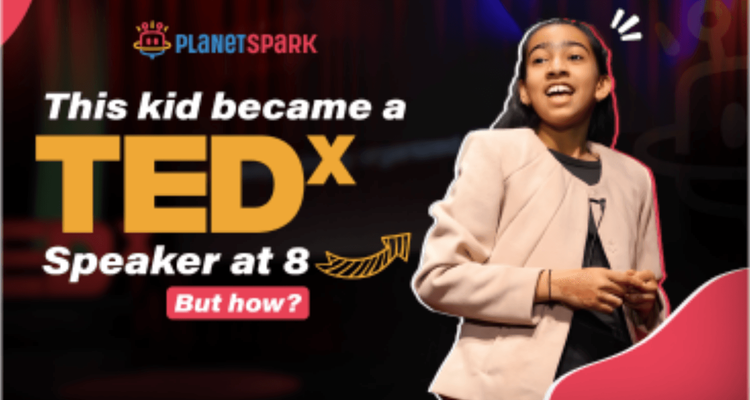
Oviya Singh, Thumbnail Tedx Speaker at 8
Ovia Singh (TEDx Speaker)
Oviya Singh from PlanetSpark challenged the status quo in her TEDx Talk, asking, ‘Is the world running out of food?’ as she highlighted the importance of soil conservation.
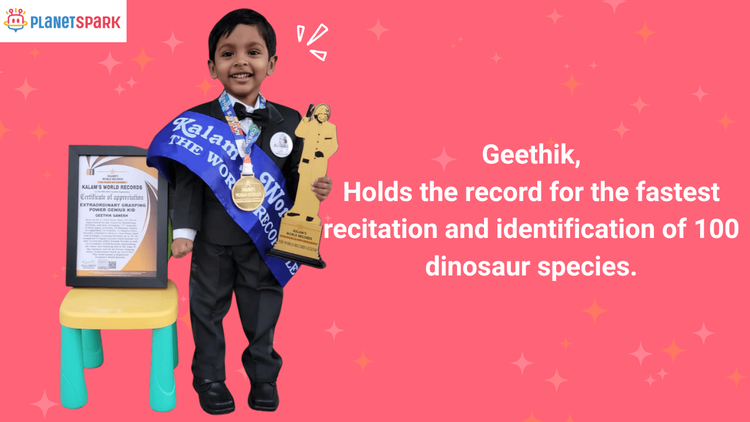
Geethik
Geethik (Fastest Recitation)
Geethik’s PlanetSpark-sharpened speaking skills helped him set a 100-dinosaur recitation record.
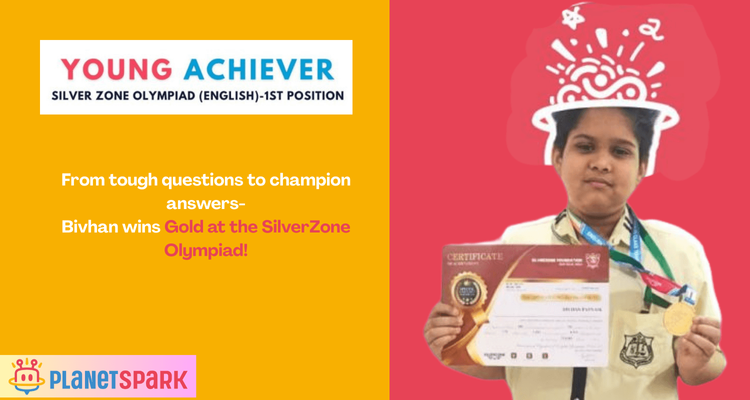
Bivhan Silver Olympiad
Bivhan Patnaik (SilverZone Olympiad)
Bivhan, in just Grade 4, wins Gold at the SilverZone Olympiad, a true symbol of brilliance, focus, and PlanetSpark-guided success.
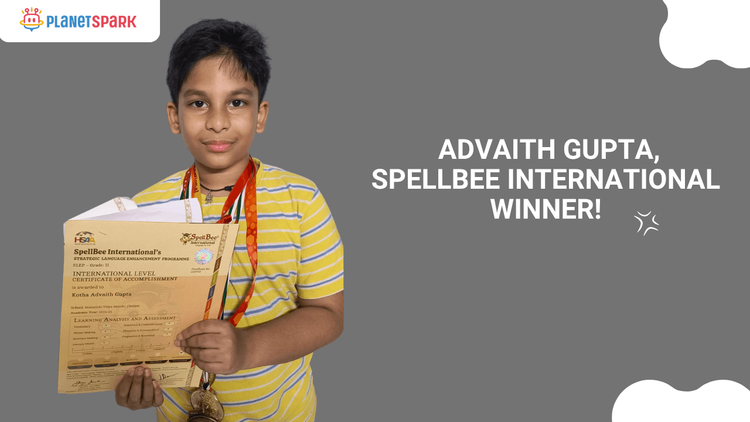
Advaith Gupta
Advaith Gupta (SpellBee International)
Advaith Gupta – Spelling His Way to Global Recognition! From mastering vocabulary to shining at SpellBee International, Advaith creates remarkable achievements.
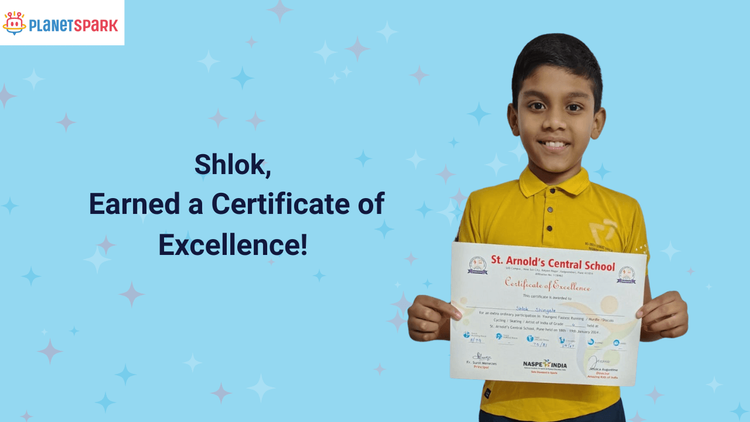
Shlok
Shlok (certificate of excellence)
Earned a Certificate of Excellence, showcasing his growing confidence and skills nurtured at PlanetSpark.
Oviya Singh, Thumbnail Tedx Speaker at 8
Ovia Singh, 11 Years
Oviya Singh from PlanetSpark challenged the status quo in her TEDx Talk, asking, ‘Is the world running out of food?’ as she highlighted the importance of soil conservation.
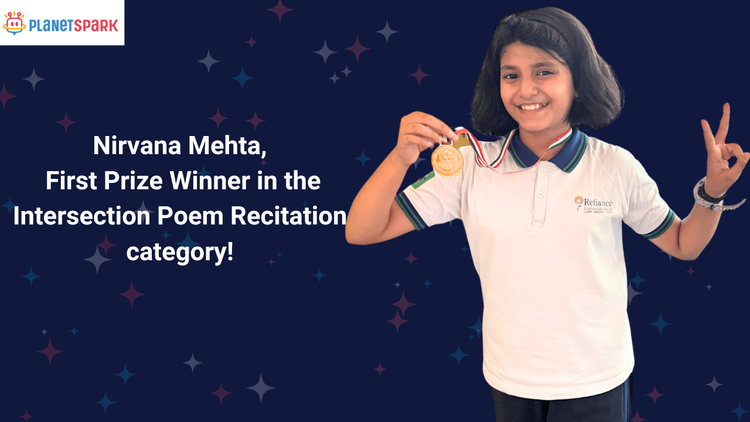
Nirvana Mehta
Nirvana Mehta (Wom Poem Recitation)
First Prize Winner in the Intersection Poem Recitation category
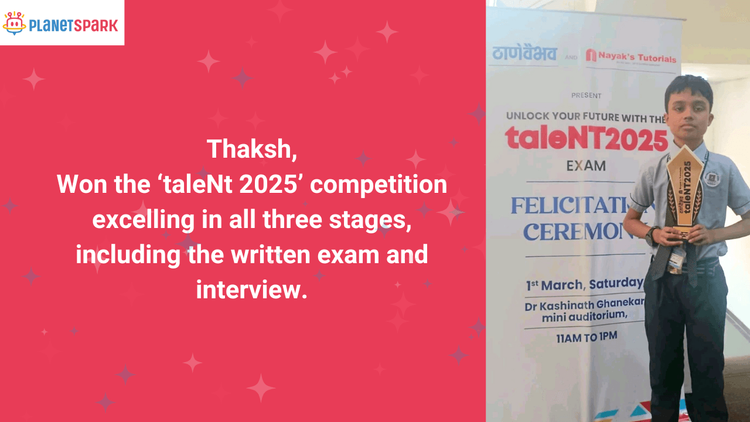
Thaksh
Thaksh (Won the ‘taleNt 2025’ competition)
Thaksh, won the ‘taleNt 2025’ competition in Thane after excelling in all three stages, including the written exam and interview.
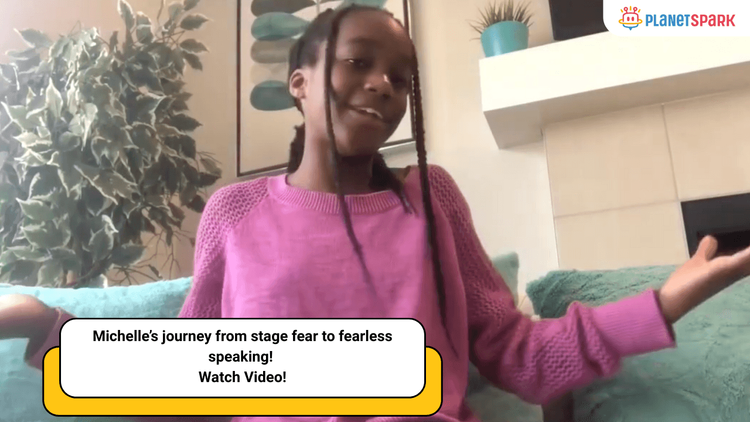
Watch Michelle's Journey
Michelle, 12
From shy to shining, Michelle’s story of conquering stage fear!
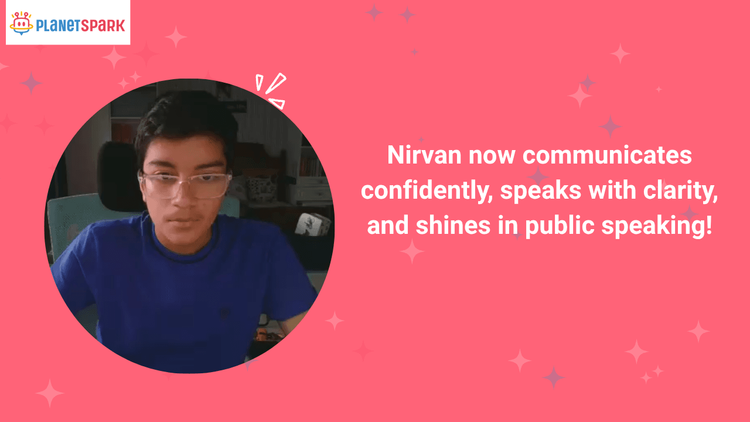
Nirvaan
Nirvaan, Grade 9
Nirvan now communicates confidently, speaks with clarity, and shines in public speaking!
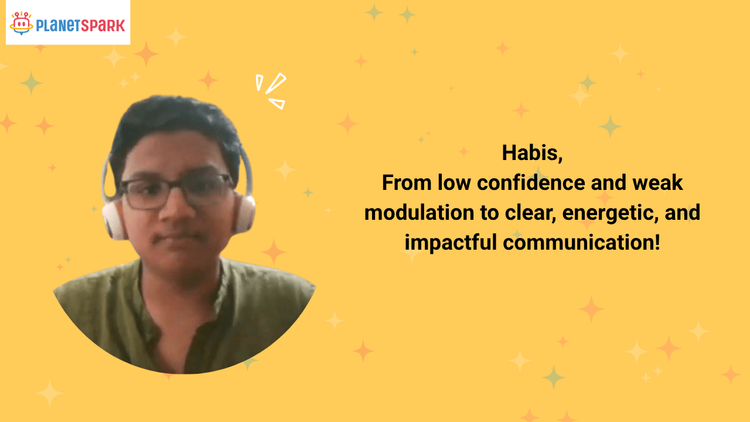
Habis
Habis, Grade 9
Meet Habis — once a shy speaker, now delivering every message with clarity, confidence, and strong stage presence.
Prathmesh
Prathmesh (Got 3rd Prize in MUN)
Secured Third Prize at a Model United Nations event, reflecting his strong communication and critical thinking skills built at PlanetSpark.
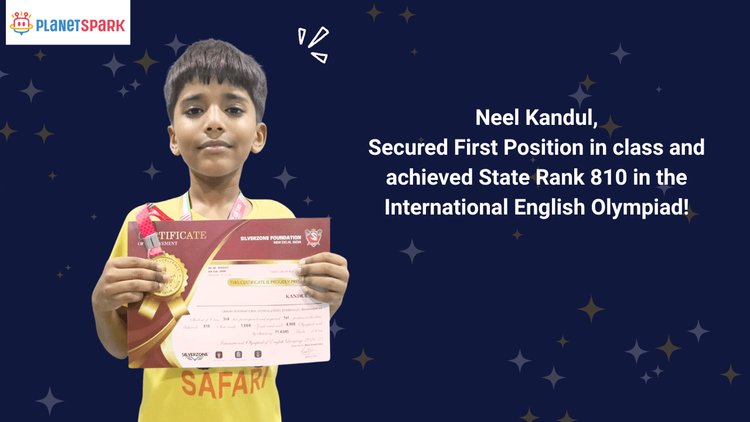
neel kandul
Neel Kandul, First Position in class and State Rank 810 in the International Olympiad of English Language.
First Position in class and State Rank 810 in the International Olympiad of English Language.
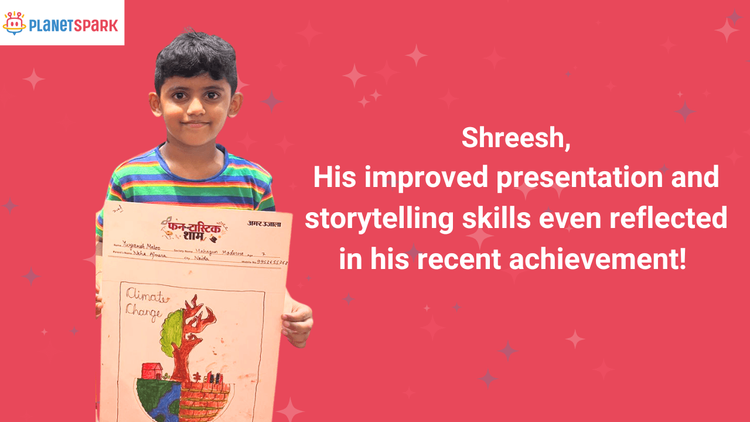
Shreesh
Shreesh
His improved presentation and storytelling skills even reflected in his recent achievement — winning second place in the Junior Category of a drawing competition on ‘Climate Change’ organized by the Amar Ujala team.
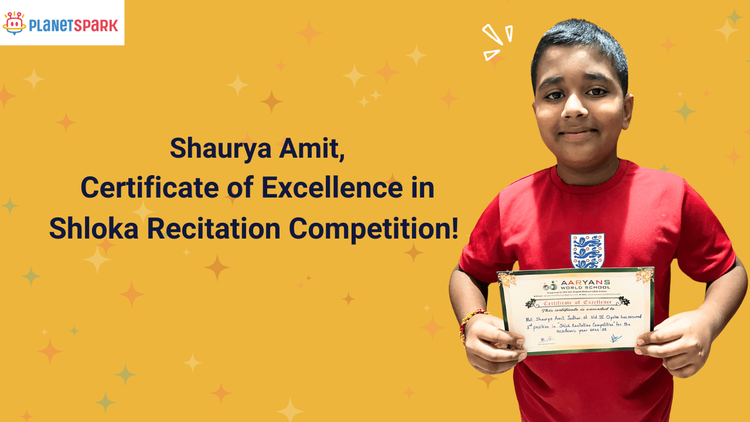
Shaurya Amit
Shaurya Amit (Certificate of Excellence)
Certificate of Excellence in Shloka Recitation Competition
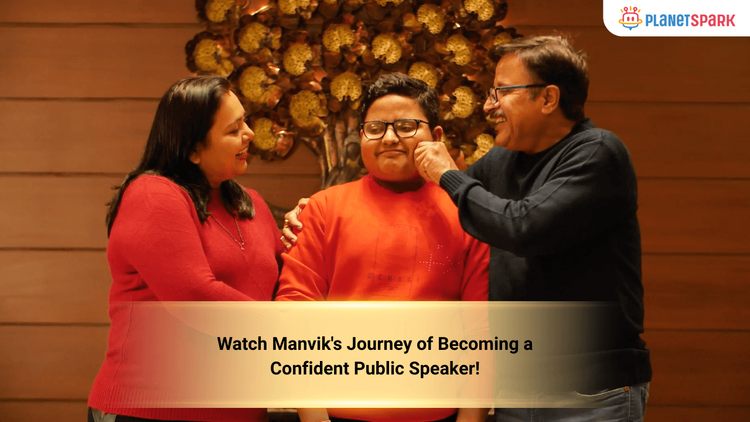
Manvik's Journey
Manvik, 10 Years
Manvik Kumar, a student at PlanetSpark shares his story of becoming a confident Public Speaker.
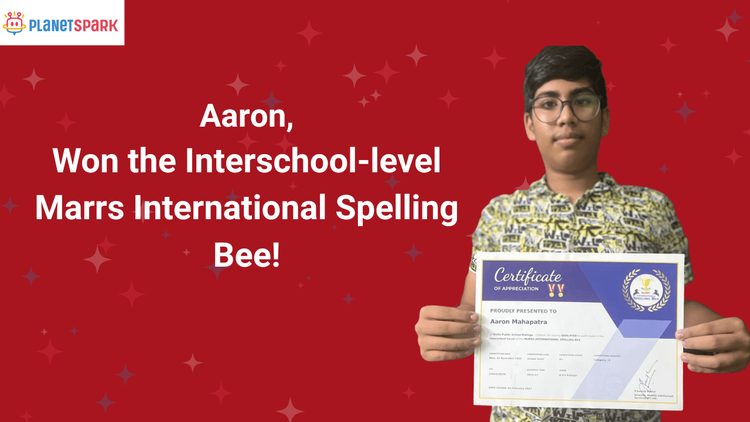
aaron
Aaron, International Spelling Bee Winner
Won at the Interschool-level Marrs International Spelling Bee, showcasing strong language skills and consistent PlanetSpark-driven growth.
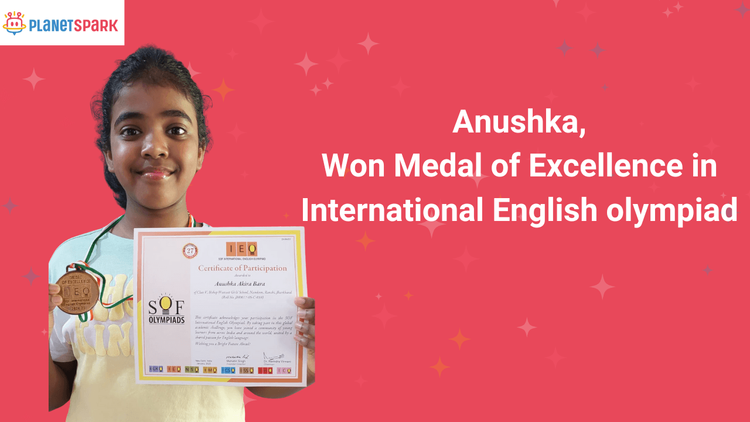
anushka
Anushka, Won Medal of Excellence in International English olympiad
Anushka won medal of excellence in International English olympiad. She scored sixth position in her school in olympiad.
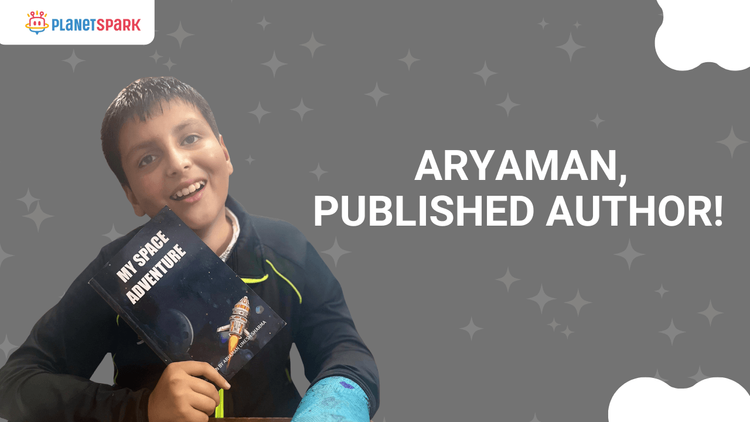
aryaman
Aryaman, Published Author
Aaryaman became a published author, reflecting his creativity, communication skills, and confidence nurtured at PlanetSpark.

Building Creative Thinking Through Writing

Imagination, creativity, and idea development form the foundation of strong creative writing at every age. When writers learn how to generate ideas, organize thoughts, and express them clearly, they build skills that go far beyond storytelling. These abilities strengthen creative thinking, written communication, problem solving, and leadership communication.

For children, this process nurtures confidence and curiosity. For students, it improves clarity and structure in expression. For professionals, it supports workplace communication, innovation, and effective leadership. By practicing imaginative thinking and structured idea development, writers learn to communicate with purpose, impact, and originality across personal, academic, and professional contexts.
Turning Writing Practice into Real-World Communication with PlanetSpark

Creative writing becomes truly powerful when it is practiced consistently, refined through feedback, and applied in real situations. PlanetSpark’s Creative Writing course is designed around this learning cycle, helping learners of all ages turn imagination and ideas into confident written communication that works in academics, presentations, and professional settings.

At PlanetSpark, writing is not treated as an isolated skill. Learners practice expressive writing while also building soft skills, leadership communication, and problem solving abilities that matter in real life.

How PlanetSpark Builds Real-World Writing Skills

Guided practice with certified trainers
Learners receive structured writing practice under the guidance of certified communication trainers. This helps improve vocabulary, sentence structure, tone, and clarity in a supportive and personalised environment.

Feedback that drives improvement
Detailed, actionable feedback on writing drafts helps learners understand strengths and areas for growth. This feedback-driven approach accelerates writing skills development and builds confidence in written communication.

Personalised learning roadmap
Each learner follows a customised practice plan based on their age, skill level, and goals. This step-by-step roadmap strengthens creative thinking, imaginative writing, and professional communication skills over time.

Daily writing through Spark Diary
Guided journaling and creative prompts encourage consistent writing habits. Regular practice improves fluency, clarity, and comfort with expressing ideas in writing.

AI-enabled insights with SparkX
AI-powered feedback highlights structure, expression, and clarity, helping learners track progress and refine their writing more effectively.

Real-world application of writing
Learners apply creative writing skills to school assignments, presentations, emails, storytelling tasks, and workplace communication. This ensures writing skills translate into practical, real-life outcomes.

PlanetSpark’s Creative Writing course brings together imagination, practice, feedback, and real-world application to help learners communicate ideas with clarity, confidence, and impact at every stage of life.

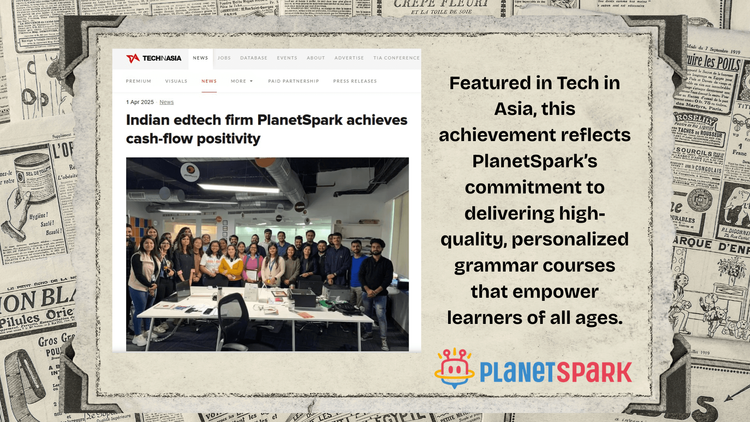
Making Headlines Nationwide

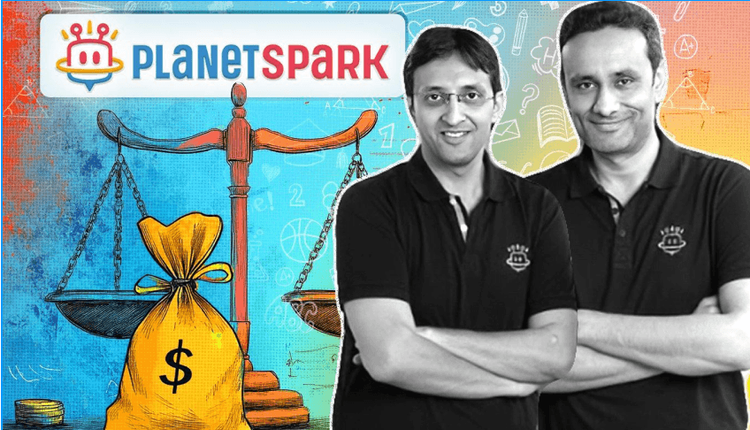
How Binny Bansal-Backed PlanetSpark Reached Break-Even And Beat The Edtech Blues
This Binny Bansal-backed firm is making a hard reset to keep sailing in the edtech downturn
PlanetSpark keeps sailing in the edtech downturn
Featured in Tech in Asia
Featured in Tech Asia

Frequently Asked Questions

Imagination in creative writing is the ability to explore ideas, situations, and perspectives beyond everyday thinking. It helps writers create original content, express emotions clearly, and develop strong writing ideas for stories, academics, and professional communication.

Creativity helps writers connect thoughts, experiences, and observations in new ways. This process supports idea generation, improves problem solving, and leads to clearer written communication across creative and professional writing.

Some effective methods include brainstorming, mind mapping, observation-based writing, and question-based thinking. These techniques help writers organize imagination into structured and meaningful ideas.

Children can improve imagination through storytelling, journaling, creative prompts, and regular writing practice. These activities build confidence, fluency, and expressive writing skills over time.

Creative writing strengthens soft skills such as critical thinking, problem solving, empathy, and leadership communication. Writers learn to express ideas clearly and adapt their communication for different audiences.

Yes, creative writing improves clarity, structure, and tone in written communication. These skills are valuable for emails, presentations, reports, and leadership communication in professional settings.

Consistent writing builds confidence and reduces hesitation. Structured practice helps writers organize ideas more easily and maintain a steady creative flow.

Creative writing courses benefit children, students, and working professionals. They support academic success, confidence in communication, and effective workplace writing.

PlanetSpark’s Creative Writing course combines guided practice, expert feedback, personalised learning paths, and real-world application. This approach helps learners build strong writing, communication, and leadership skills for school, work, and life.

Loading available times...
PlanetSpark Logo
Building confidence and communication
skills for the future leaders.