PlanetSpark Logo
Language & Writing Style in Creative Writing | Clarity & Expression

Language & Writing Style in Creative Writing | Clarity & Expression

Learn how Language, Expression, and Writing Style Build Clear, Fluent, and Effective Communication

How Language Shapes Creative Writing and Written Communication

Language gives writing its power. Every word, sentence, and expression shapes how ideas are seen, felt, and understood. In creative writing, language turns imagination into vivid stories. In written communication, it brings clarity and purpose.

Strong language skills help writers express ideas with confidence. Students learn to communicate clearly, while professionals improve workplace communication through precise and thoughtful writing. When language is used well, writing becomes fluent, engaging, and effective across creative, academic, and professional settings.

Vocabulary Usage and Word Choice in Expressive Writing

Vocabulary plays a vital role in expressive writing. The words a writer chooses shape meaning, emotion, and clarity. Strong word choice helps ideas sound clear and engaging, while weak or repetitive vocabulary can limit expression and reduce impact.

  • Adds clarity and precision
    Using the right words makes ideas easier to understand in both creative writing and written communication.

  • Strengthens emotional expression
    Carefully chosen vocabulary helps convey feelings, mood, and tone more effectively.

  • Improves writing fluency
    A varied vocabulary allows writing to flow smoothly without repetition or awkward phrasing.

  • Supports professional and workplace communication
    In business writing, precise word choice improves professionalism and reduces confusion.

  • Helps adapt writing for different audiences
    Strong vocabulary skills allow writers to adjust language based on purpose, age group, or setting.

Developing vocabulary gradually improves expressive writing skills and leads to clearer, more confident written communication across creative, academic, and professional contexts.

Sentence Variety, Structure, and Writing Fluency

Sentence variety brings life to writing. Short sentences add impact. Longer ones build detail and flow. When writers mix different sentence lengths and structures, their ideas feel more natural and engaging.

Strong sentence structure improves writing fluency. Thoughts connect smoothly, making writing easier to read and understand. In creative writing, this adds rhythm and expression. In written communication, especially in the workplace, it helps convey ideas clearly and confidently.

By practicing sentence variety, writers develop better control over their style. This leads to clearer messages, stronger expression, and more effective professional and business writing.
Tone and Voice in Writing Style and Expression

Tone and voice shape how writing feels to the reader. Tone reflects the attitude behind the words, whether it is formal, friendly, serious, or imaginative. Voice, on the other hand, represents the writer’s unique way of expressing ideas. Together, they give writing personality and direction.

In creative writing, tone and voice help build connection and emotion. A consistent voice makes stories feel authentic, while the right tone sets the mood. In written communication and workplace writing, understanding tone is essential for sounding professional, respectful, and clear.

Developing control over tone and voice allows writers to adapt their writing style for different purposes. This skill improves expressive writing, strengthens clarity, and supports effective communication in both creative and professional environments.

Imagery and Descriptive Language in Creative Writing

Imagery allows writing to come alive by helping readers visualize ideas, scenes, and emotions. Through descriptive language, writers use words to create mental pictures, making their writing more engaging and meaningful.

  • Creates vivid mental images
    Descriptive words help readers see, hear, and feel what is being described.

  • Strengthens emotional connection
    Imagery adds depth to emotions and helps readers relate to the writing.

  • Enhances creative expression
    In creative writing, strong imagery makes stories, characters, and settings more memorable.

  • Improves clarity in written communication
    Clear descriptions help explain ideas effectively, even in professional and workplace writing.

  • Balances creativity with understanding
    Good imagery supports expression without overwhelming the reader.

Using imagery thoughtfully improves expressive writing skills and helps writers communicate ideas clearly while keeping their writing engaging and impactful.

Show vs Tell: Creating Impact Through Language Choices

Show vs tell is about how writers present ideas to the reader. Telling states facts directly, while showing uses actions, details, and sensory language to let readers experience the moment. Showing makes writing more engaging because it invites readers to discover meaning on their own.

In creative writing, showing helps bring characters and scenes to life. Instead of explaining emotions, writers reveal them through behavior, dialogue, and imagery. This approach creates stronger emotional impact and keeps readers involved in the story.

In written communication, especially professional writing, a balance of show and tell is important. Clear facts are necessary, but examples and context help ideas feel more convincing and easier to understand. Learning when to show and when to tell improves expressive writing, clarity, and overall communication skills.

Stylistic Control and Developing a Strong Writing Style

Stylistic control allows writers to shape how their writing sounds and feels. It involves making conscious choices about language, sentence structure, tone, and expression. When writers develop control over these elements, their writing becomes more consistent and purposeful.

In creative writing, stylistic control helps create a clear voice and maintain mood throughout a piece. In professional and workplace communication, it ensures writing sounds polished, clear, and appropriate for the audience. Strong writing style reduces confusion and strengthens credibility.

As writers practice and refine their style, they gain confidence in expression. This leads to clearer ideas, better fluency, and more effective written communication across creative, academic, and professional settings.

Expressive Writing Skills for Clarity and Confidence

Expressive writing begins with a simple idea and turns it into a clear message. When writers learn how to shape thoughts into words, writing feels less forced and more natural. Ideas flow, meaning becomes sharper, and expression feels confident rather than uncertain.

In creative writing, expressive skills allow imagination to take form without losing clarity. Writers learn to balance emotion with structure, so their message remains strong. In written communication and workplace writing, the same skills help organize thoughts, choose the right tone, and communicate with purpose.

As clarity improves, confidence follows. Writers who practice expressive writing gain better control over language, stronger fluency, and the ability to communicate ideas effectively across creative, academic, and professional settings.

Improving Written Communication Through Creative Writing

Creative writing strengthens the core skills needed for effective written communication. By experimenting with language, structure, and expression, writers learn how to convey ideas clearly while keeping the reader engaged. Creativity encourages flexibility in thinking, which improves how messages are shaped and delivered.

In creative writing, writers practice organizing thoughts, choosing the right words, and maintaining flow. These same skills translate directly into professional and workplace communication, where clarity and coherence are essential. Creative techniques help make emails, reports, and business writing more readable and impactful.

Over time, creative writing builds stronger communication habits. Writers become more aware of audience, tone, and purpose, leading to clearer messages and more confident written communication in both personal and professional contexts.

Writing Style for Professional, Business, and Workplace Communication

Writing style determines how clearly and confidently ideas are communicated in professional settings. A structured approach to language helps messages sound polished and purposeful, which is essential for effective workplace communication.

  • Supports clarity and professionalism
    A clear writing style helps avoid misunderstandings and presents ideas in an organized way.

  • Builds credibility in business writing
    Well-written emails, reports, and documents create a strong professional impression.

  • Improves tone and audience awareness
    Writing style helps writers adjust language based on context, role, and purpose.

  • Strengthens workplace communication skills
    Creative writing techniques improve flow, precision, and engagement in professional writing.

By developing a strong writing style, professionals communicate more effectively, express ideas with confidence, and enhance overall written communication in the workplace.

Adapting Language and Writing Style for Different Audiences

Effective writing changes based on who is reading it. Language that works for a story may not suit a professional email, and writing meant for children will differ from content for adults. Understanding the audience helps writers choose the right words, tone, and style.

Adapting language improves clarity and connection. In creative writing, it helps match expression to the mood and message. In written communication and workplace settings, it ensures messages sound appropriate, respectful, and easy to understand.

When writers adjust their writing style for different audiences, communication becomes more purposeful. This skill strengthens expressive writing, improves professional communication, and ensures ideas are received as intended across academic, creative, and business contexts.

Common Language and Writing Style Mistakes to Avoid

Even strong ideas can lose impact when language and writing style are not handled carefully. Common mistakes often reduce clarity and weaken written communication, especially when writers are unaware of how their choices affect the reader.

One frequent issue is overcomplicating language. Using unnecessary jargon or complex words can confuse readers instead of impressing them. In creative writing, this can break flow, while in professional writing it can harm workplace communication. Another common mistake is repetition, whether of words, sentence patterns, or ideas, which makes writing feel dull and unfocused.

Lack of consistency in tone and style can also distract readers. Shifting tone without purpose or mixing informal and formal language weakens credibility. By recognizing and correcting these mistakes, writers improve clarity, fluency, and overall writing effectiveness across creative and professional communication.

Common Language and Writing Style Mistakes to Avoid

Common language and writing style mistakes can weaken even the strongest ideas. Being aware of these issues helps writers improve clarity and effectiveness in both creative writing and written communication.

  • Overcomplicating language
    Using jargon or overly complex words can confuse readers and reduce clarity.

  • Repetition of words or sentence patterns
    Repeated vocabulary or similar sentence structures make writing feel dull and unfocused.

  • Inconsistent tone and style
    Shifting between formal and informal language without reason can distract readers.

  • Lack of clarity and purpose
    Unclear ideas or poorly structured sentences weaken communication.

  • Ignoring the audience
    Writing without considering the reader can lead to misunderstanding.

By avoiding these mistakes, writers develop stronger writing style, improve fluency, and create clearer, more effective written communication across creative, academic, and professional settings.

How to Practice and Improve Language and Writing Style Skills

Improving language and writing style takes regular practice and awareness. Writing often helps writers understand how words, sentences, and expression work together to create meaning. Small, consistent efforts lead to noticeable improvement over time.

  • Read a variety of writing styles
    Reading stories, articles, and professional content helps writers learn how language is used in different contexts.

  • Practice writing regularly
    Daily writing builds fluency and confidence in expression.

  • Revise and refine language
    Editing helps improve clarity, word choice, and sentence structure.

  • Experiment with tone and style
    Trying different approaches helps writers develop stylistic control.

  • Apply skills to real-life writing
    Using these techniques in emails, assignments, or reports strengthens written communication.

Consistent practice helps writers build stronger language skills, improve writing style, and communicate more effectively in creative and workplace settings.

Stories That Shine at PlanetSpark

Ritvika
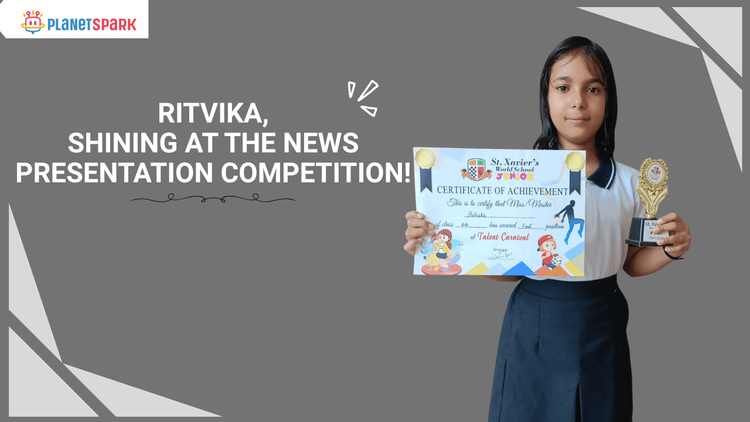
Ritvika (News Presentation Competition)
Ritvika has achieved a milestone in News Presentation! From the PlanetSpark classroom to the spotlight at the News Presentation Competition.
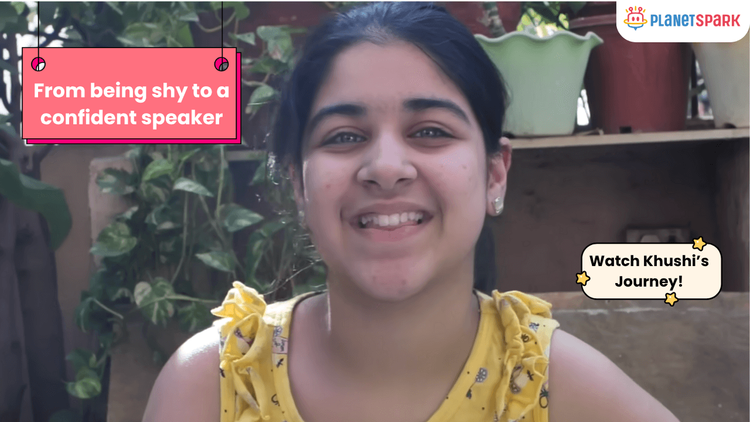
Khushi's journey
Khushi Bhatia, 10 Years
Khushi transformed from being a shy to a confident speaker with PlanetSpark!
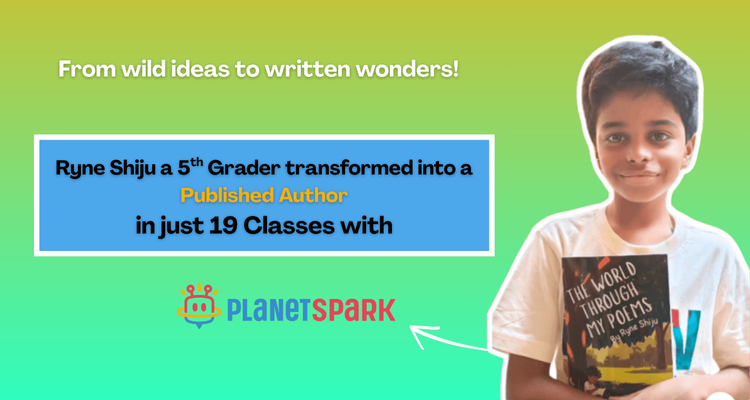
Ryne Shiju Published Author
Ryne Shiju (Published Author)
Ryne Shiju, a bright PlanetSpark star, has turned imagination into inspiration becoming a published author whose words now empower and inspire.
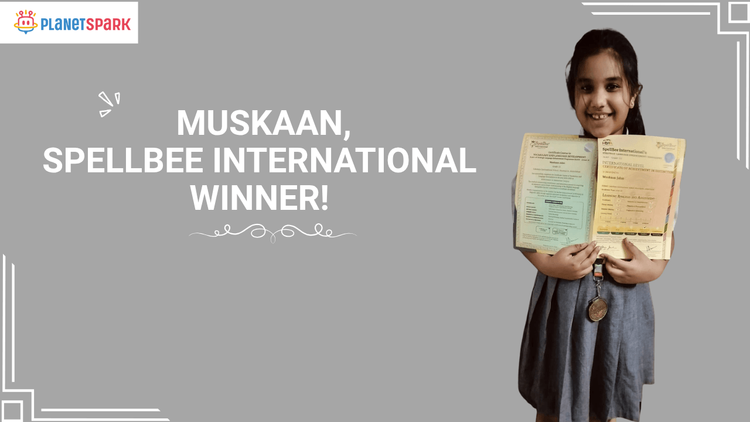
Muskan
Muskaan (SpellBee International Participant)
We are beyond proud of Muskaan from PlanetSpark, who showcased her spelling brilliance at the SpellBee International Programme.
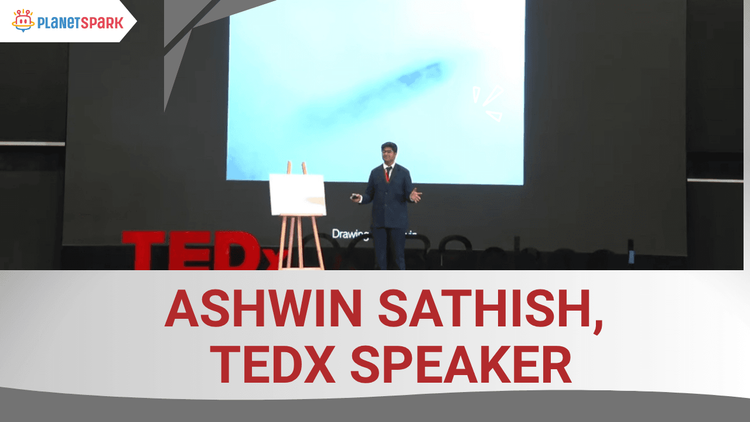
Ashwin Sathish
Ashwin Sathish (TEDx Speaker)
Ashwin Sathish, Grade 8 from New Delhi, stood tall as a TEDx Speaker, sparking conversations that truly matter. From classroom confidence to commanding a global stage, his journey reflects the power of voice, vision, and courage.
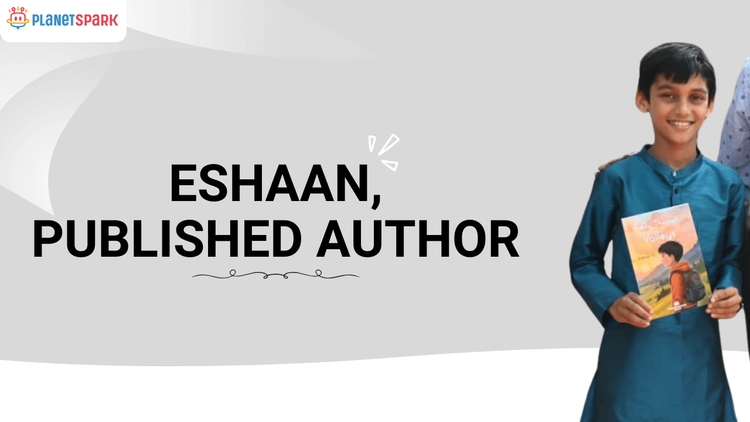
Eshaan
Eshaan (Published Author)
Eshaan has officially became a published author, turning classroom activity into a captivating storybook.
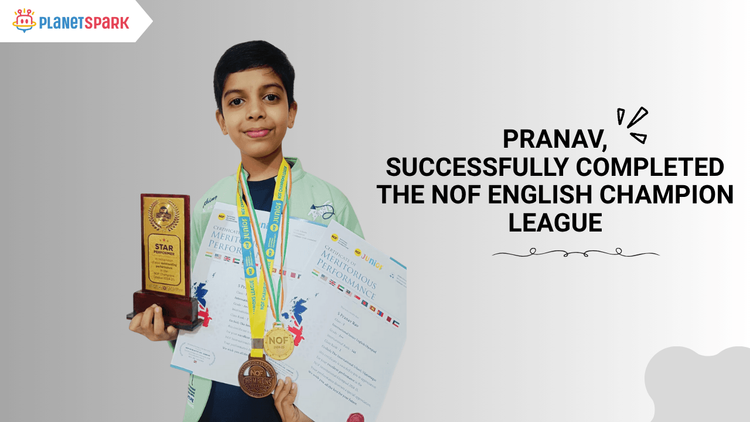
Pranav
Pranav (NOF English Champion League)
Pranav, a Grade 3 star, has successfully completed the NOF English Champion League, showcasing his brilliance in Public Speaking and Creative Writing.
Oviya Singh, Thumbnail Tedx Speaker at 8
Ovia Singh (TEDx Speaker)
Oviya Singh from PlanetSpark challenged the status quo in her TEDx Talk, asking, ‘Is the world running out of food?’ as she highlighted the importance of soil conservation.
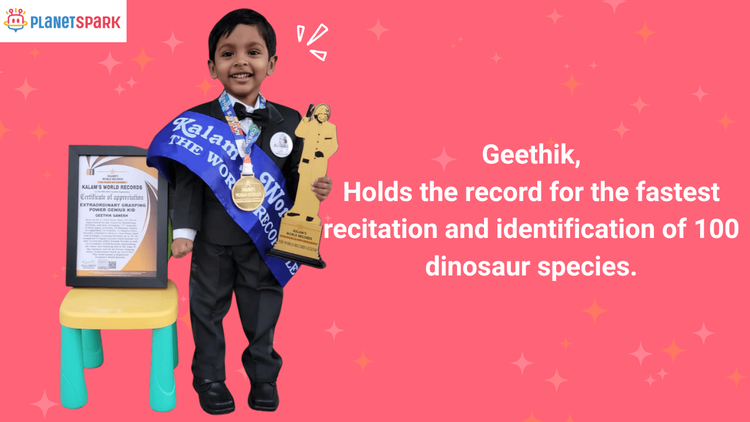
Geethik
Geethik (Fastest Recitation)
Geethik’s PlanetSpark-sharpened speaking skills helped him set a 100-dinosaur recitation record.
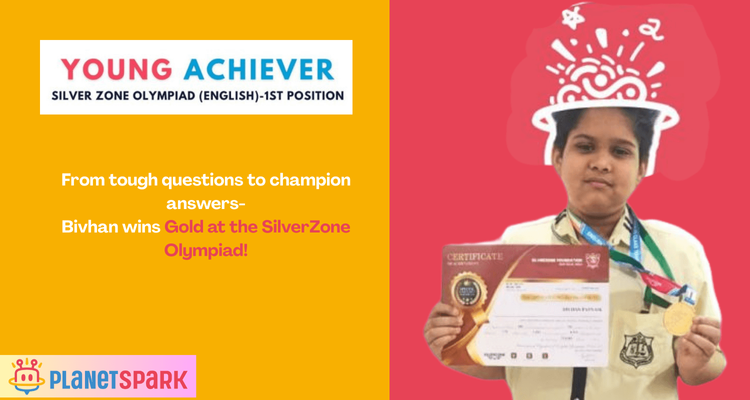
Bivhan Silver Olympiad
Bivhan Patnaik (SilverZone Olympiad)
Bivhan, in just Grade 4, wins Gold at the SilverZone Olympiad, a true symbol of brilliance, focus, and PlanetSpark-guided success.
Advaith Gupta
Advaith Gupta (SpellBee International)
Advaith Gupta – Spelling His Way to Global Recognition! From mastering vocabulary to shining at SpellBee International, Advaith creates remarkable achievements.
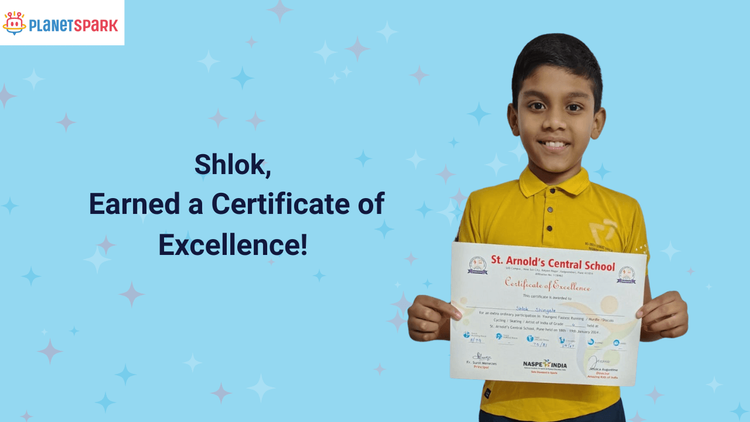
Shlok
Shlok (certificate of excellence)
Earned a Certificate of Excellence, showcasing his growing confidence and skills nurtured at PlanetSpark.
Oviya Singh, Thumbnail Tedx Speaker at 8
Ovia Singh, 11 Years
Oviya Singh from PlanetSpark challenged the status quo in her TEDx Talk, asking, ‘Is the world running out of food?’ as she highlighted the importance of soil conservation.
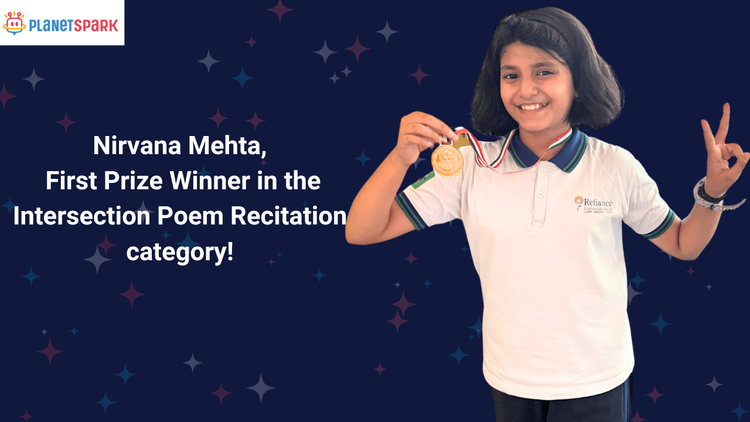
Nirvana Mehta
Nirvana Mehta (Wom Poem Recitation)
First Prize Winner in the Intersection Poem Recitation category
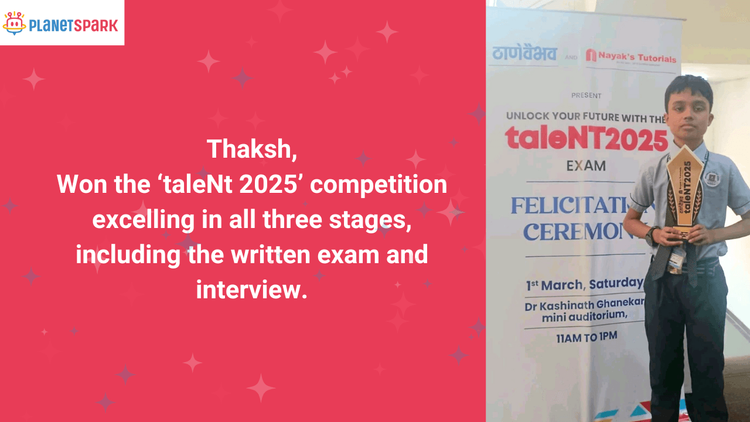
Thaksh
Thaksh (Won the ‘taleNt 2025’ competition)
Thaksh, won the ‘taleNt 2025’ competition in Thane after excelling in all three stages, including the written exam and interview.
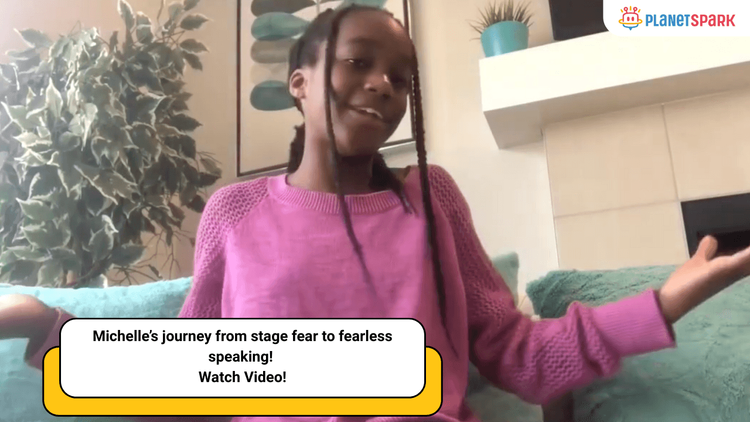
Watch Michelle's Journey
Michelle, 12
From shy to shining, Michelle’s story of conquering stage fear!
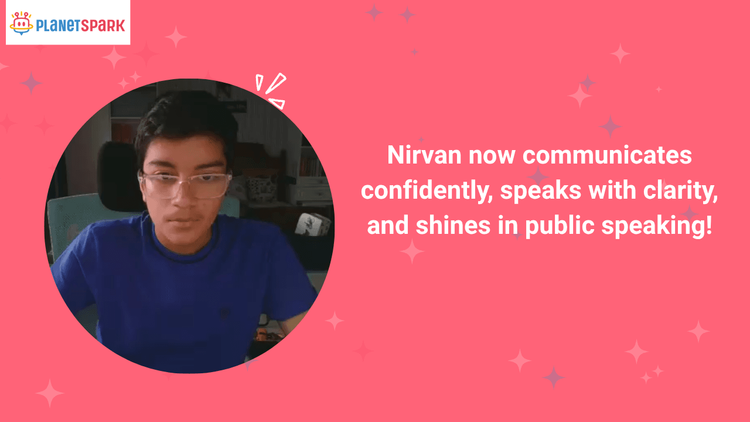
Nirvaan
Nirvaan, Grade 9
Nirvan now communicates confidently, speaks with clarity, and shines in public speaking!
Habis
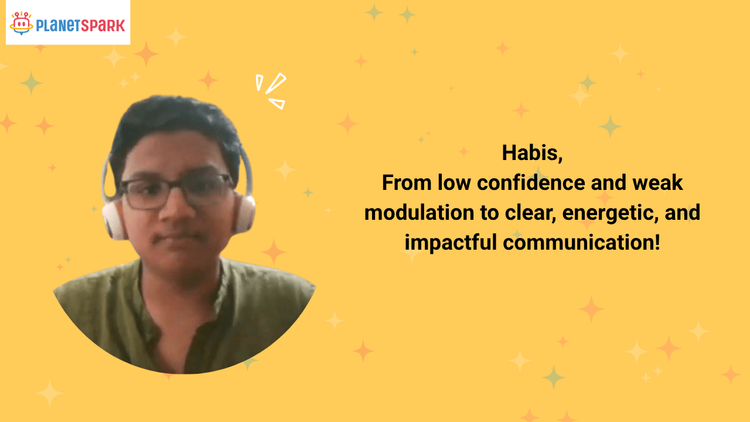
Habis, Grade 9
Meet Habis — once a shy speaker, now delivering every message with clarity, confidence, and strong stage presence.
Prathmesh
Prathmesh (Got 3rd Prize in MUN)
Secured Third Prize at a Model United Nations event, reflecting his strong communication and critical thinking skills built at PlanetSpark.
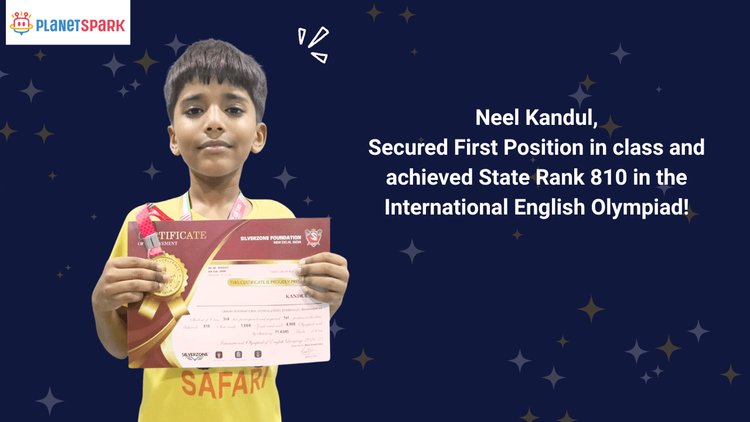
neel kandul
Neel Kandul, First Position in class and State Rank 810 in the International Olympiad of English Language.
First Position in class and State Rank 810 in the International Olympiad of English Language.
Shreesh
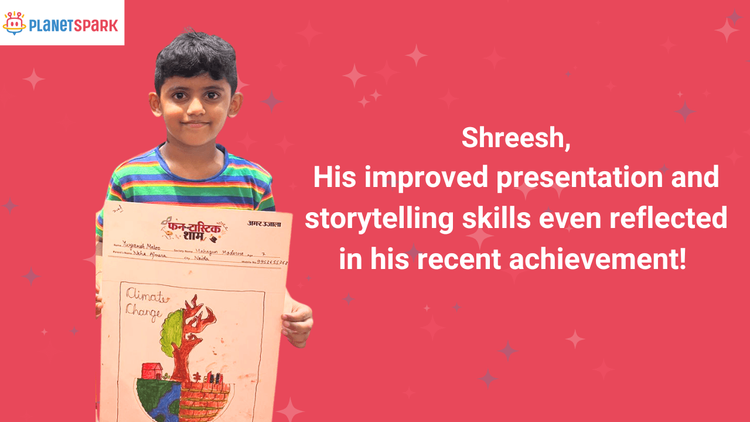
Shreesh
His improved presentation and storytelling skills even reflected in his recent achievement — winning second place in the Junior Category of a drawing competition on ‘Climate Change’ organized by the Amar Ujala team.
Shaurya Amit
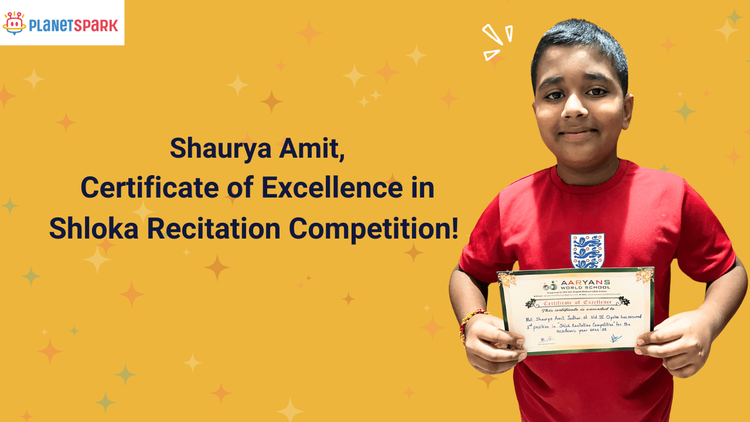
Shaurya Amit (Certificate of Excellence)
Certificate of Excellence in Shloka Recitation Competition
Manvik's Journey
Manvik, 10 Years
Manvik Kumar, a student at PlanetSpark shares his story of becoming a confident Public Speaker.
aaron
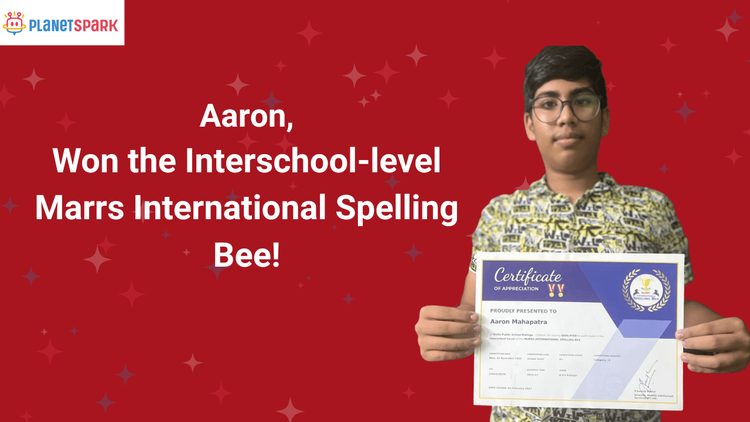
Aaron, International Spelling Bee Winner
Won at the Interschool-level Marrs International Spelling Bee, showcasing strong language skills and consistent PlanetSpark-driven growth.
anushka
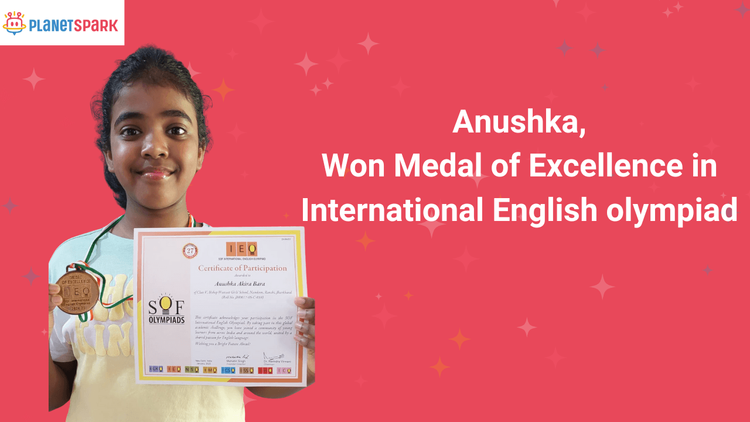
Anushka, Won Medal of Excellence in International English olympiad
Anushka won medal of excellence in International English olympiad. She scored sixth position in her school in olympiad.
aryaman
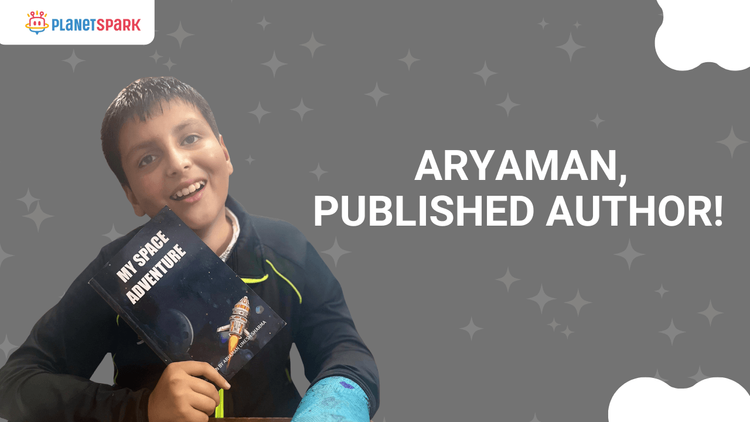
Aryaman, Published Author
Aaryaman became a published author, reflecting his creativity, communication skills, and confidence nurtured at PlanetSpark.

Bringing Language, Expression, and Writing Style Together

Language, expression, and writing style form the foundation of meaningful creative writing. From word choice and sentence flow to tone and voice, each element shapes how ideas are understood and felt. When writers develop awareness of language, their writing becomes clearer, more fluent, and more engaging.

These skills extend beyond creativity into written communication used in school, professional writing, and workplace communication. Creative writing strengthens clarity, audience awareness, and purpose, making communication more effective in real-world situations.

By practicing and refining writing style, writers of all ages build confidence in expression. Strong language skills support better thinking, clearer messages, and lasting impact across creative, academic, and professional communication.

Strengthening Language, Expression, and Writing Style with PlanetSpark

Building strong language and writing style skills needs more than theory. It requires guided practice, personalised feedback, and regular opportunities to apply learning. PlanetSpark supports this journey by combining creative writing with structured skill development, helping learners improve expressive writing, written communication, and workplace communication in a practical way.

  • 1:1 personalised communication trainers
    Learners receive individual attention from certified communication experts who focus on vocabulary usage, sentence variety, tone, voice, and stylistic control, ensuring steady improvement in writing clarity and fluency.

  • Customised learning roadmap
    Each learner follows a personalised curriculum designed around their current writing level, helping them strengthen expressive writing while improving professional and business writing skills step by step.

  • Spark Diary for consistent writing practice
    Regular journaling, creative prompts, and structured writing tasks help build strong writing habits and confidence in written communication.

  • AI-enabled feedback with SparkX
    Writing and speaking activities are supported with AI-driven analysis that highlights clarity, structure, grammar, and expression, making progress visible and measurable.

  • Creative writing frameworks and real application
    Learners practise storytelling, descriptive writing, and expressive techniques while learning how to adapt the same skills for workplace communication and professional writing.

  • Safe sharing, clubs, and showcases
    Writing clubs and moderated platforms encourage learners to share ideas, receive feedback, and build confidence through real expression.

By combining creative writing with structured guidance and modern learning tools, PlanetSpark helps learners of all ages develop strong language skills, refined writing style, and effective written communication that supports success in school, work, and life.

Making Headlines Nationwide

How Binny Bansal-Backed PlanetSpark Reached Break-Even And Beat The Edtech Blues
This Binny Bansal-backed firm is making a hard reset to keep sailing in the edtech downturn
PlanetSpark keeps sailing in the edtech downturn
Featured in Tech in Asia
Featured in Tech Asia

Frequently Asked Questions

Writing style refers to how a writer uses language, sentence structure, tone, and voice to express ideas. It shapes how writing sounds and feels, making it unique, clear, and engaging.

Language determines how ideas are presented and understood. Word choice, sentence variety, and expression help convey emotion, meaning, and clarity in creative writing and written communication.

Tone shows the attitude or mood of the writing, while voice reflects the writer’s personality and perspective. Together, they influence how readers connect with the content.

Strong vocabulary improves clarity, precision, and emotional impact. It helps writers avoid repetition and communicate ideas effectively in both creative and professional writing.

Creative writing develops clarity, fluency, and audience awareness. These skills transfer directly to professional writing and workplace communication, making messages more effective.

Show vs tell is a technique where writers use actions, details, and imagery to reveal meaning instead of stating facts directly. It creates stronger engagement and emotional impact.

Yes, writing style improves through regular practice, reading, feedback, and revision. Structured guidance helps writers gain better control over language and expression.

PlanetSpark offers personalised mentoring, structured creative writing practice, AI-enabled feedback, and guided revision to help learners strengthen expressive writing and written communication skills.

Loading available times...
PlanetSpark Logo
Building confidence and communication
skills for the future leaders.