
Building Foundations: Learning New Skills from Scratch
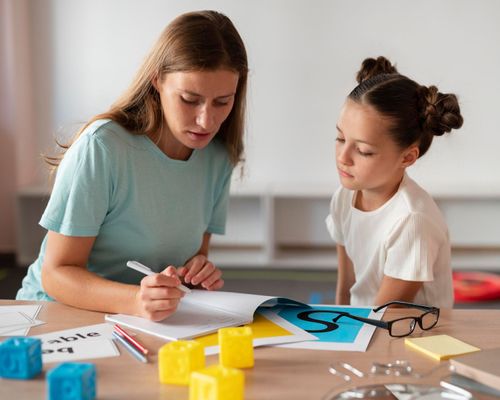

Learning new skills from scratch for kids is one of the most powerful experiences for a child. Whether it’s coding, public speaking, drawing, reading, swimming, or learning a new language, every fresh skill rewires the brain, boosts confidence, and strengthens problem-solving abilities. However, kids often hesitate because they fear failure, feel overwhelmed, or are unsure of where to start.
This guide helps parents understand how to foster a growth mindset in their children, create a structured learning environment, and utilise PlanetSpark’s personality-development-driven approach to help children learn joyfully, confidently, and consistently.

Why Learning New Skills From Scratch Matters for Kids?
Learning a new skill from scratch is one of the most powerful experiences a child can have. It pushes them out of their comfort zone, activates different areas of the brain, and teaches life lessons that last into adulthood. In a world that changes quickly, where new careers and technologies appear every year, children who can learn, unlearn, and relearn will naturally thrive. That’s why skill-building from scratch is not only beneficial but also essential.
1. It Builds a Growth Mindset
When children begin learning a brand-new skill, they enter unfamiliar territory. It helps to develop a growth mindset for kids. Nothing feels easy at first; they struggle, experiment, fail, and try again. This process teaches them that ability is not fixed; it grows with effort. Instead of saying, “I can’t do this,” children learn to say, “I can learn this.”
2. Boosts Cognitive Development
As children explore diverse skills, they develop multiple neural pathways, which strengthen their memory, focus, and overall cognitive flexibility. This makes it easier for them to learn anything later in life. Learning strategies for young learners help them develop multiplication skills. Every new skill activates different areas of a child’s brain. These are -
Music boosts auditory processing, rhythm, and memory.
Coding builds logic, sequencing, and problem-solving.
Sports improve coordination, strategy, and body awareness.
Art & reading enhance creativity, imagination, and emotional depth.
3. Improves Emotional Intelligence
Learning new skills teaches children how to deal with frustration, confusion, and mistakes. They practice patience when things don’t work out instantly and experience the joy of gradual improvement. They also learn how to handle feedback, regulate emotions, and stay calm under pressure, all of which are essential components of emotional maturity.
Want to build such a growth mindset in your kids? Book a free demo class at PlanetSpark!
4. Enhances Social Confidence
Children often practice new skills in group settings, such as sports teams, art classes, coding workshops, or music groups. This builds communication, teamwork, and confidence. Trying unfamiliar tasks also makes them more willing to participate in conversations, ask questions, and take initiative, all signs of strong social development.
5. Strengthens Academic Performance
Growth mindset for kids sharpens memory, comprehension, logical reasoning, and creativity. This naturally boosts academic performance, especially in subjects such as mathematics, science, reading, and writing. Additionally, when they involve routine practice, children get the chance to stay committed, monitor their progress, and take responsibility for improvement; skills that prepare them for adulthood.
Practical Ways to Help Children Learn New Skills From Scratch
Helping children learn an entirely new skill may feel overwhelming at first. But with the right skill development activities for children, the process becomes enjoyable, structured, and confidence-boosting. These parenting strategies make the learning journey smoother and more meaningful for young learners.
1. Start with Small, Achievable Goals
Children learn best when a complex skill is broken into small, easy-to-follow steps. Instead of presenting the full challenge at once, break it down into manageable tasks, either weekly or daily. For example, when learning guitar, Week 1 can focus on holding the instrument correctly, Week 2 on learning three basic chords, and Week 3 on switching between those chords. These mini victories build momentum, confidence, and motivation.
2. Use Real-Life Inspiration
Kids love stories of people who started small and achieved significant results. Share videos, books, or real-life examples of beginners, athletes, singers, coders, artists, who improved over time. This helps children understand that mastery is a journey, not a race. When they see others struggle, practise, and succeed, they feel encouraged to keep going even when their own progress feels slow.
3. Make Practice Consistent but Fun
Consistency matters more than long practice sessions. Short, daily practice helps children build muscle memory and retain new information better. Adding fun elements like timers, challenges, and reward stickers, makes practice feel exciting instead of tiring. You can create small weekly goals too, such as, “complete the challenge of the week.” This keeps children engaged and disciplined without putting pressure on them.
4. Encourage Questions and Curiosity
Children become deeper learners when they ask questions and explore ideas independently. These skill development activities for children encourage them to reflect on their learning process by asking reflective questions, such as: “What part felt easiest today?” “What challenged you?” or “What do you want to try next?” These conversations foster problem-solving skills and help children understand that learning is an active, thoughtful process.
5. Appreciate Effort Over Perfection
Kids thrive when adults acknowledge their effort instead of focusing on flawless results. Phrases like “You are improving because you practise,” “Trying again shows courage,” and “Mistakes help you get better” motivate children to stay committed. Encouraging effort builds a growth mindset, helping individuals understand that skills develop over time.
6. Help Them Track Progress
Growth mindset for kids helps kids and parents to progress tracking. Use charts, journals, or video logs to record minor improvements. When children visually recognise their progress, whether it’s smoother handwriting, a new dance step, or a longer reading streak, they feel proud and eager to continue learning.
7. Celebrate Milestones
Every achievement, big or small, deserves acknowledgement. Celebrating milestones, such as completing a book, playing a song, or solving a puzzle, builds confidence and reinforces the joy of learning. It also helps kids associate new skills with positive emotions and works as a confidence-building techniques for kids.
Build confidence among by setting achievable goals. Book a free demo class at PlanetSpark!
How Learning New Skills Supports Emotional, Social & Academic Growth?
Learning new skills from scratch for children does much more than fill a child’s schedule; it shapes how they think, behave, communicate, and understand themselves. Each new skill acts like a building block that strengthens multiple layers of development at once. When children regularly practise a fresh activity, whether it’s drawing, coding, playing an instrument, or trying a new sport, they broaden their abilities and transform their overall personality.
1. Emotional Growth
Trying a new skill pushes children slightly outside their comfort zone, helping them develop emotional resilience. They learn to manage frustration when something feels difficult and experience the joy of mastering a new step. Skills such as painting, writing, music, or sports provide kids with healthy emotional outlets.
2. Social Development
New skills often place children in group settings, clubs, classes, workshops, or team activities. These environments teach them communication, cooperation, and empathy. Children learn how to listen to others, share responsibilities, support peers, and engage in meaningful conversations.
3. Academic Enhancement
Skill-building also comes under excellent learning strategies for young learners. These skills enhance core cognitive abilities, including concentration, memory, problem-solving, and logical reasoning. A child learning chess improves analytical thinking; a child learning dance enhances memory and coordination; a child learning to code sharpens sequencing and focus. These improvements directly support academic performance in maths, science, languages, and reading.

4. Stronger Self-Identity
Every new skill helps children discover something about themselves, what they enjoy, what they’re good at, and what excites them. This exploration builds a strong sense of identity and fuels long-term confidence. As they recognise their abilities and passions, they become more independent, motivated, and proud of who they are.
How PlanetSpark Helps Kids Learn New Skills Confidently?
PlanetSpark’s personality development program creates a structured, emotionally supportive, and highly engaging environment where children feel confident learning completely new skills from scratch. Instead of treating skill-building as a challenging academic task, PlanetSpark turns it into a fun, expressive, and discovery-based journey.
- A Holistic Curriculum That Builds the Right Foundations
Children learn essential abilities, communication etiquette, goal-setting, self-awareness, leadership, and decision-making. These foundational life skills help them overcome hesitation, break big goals into smaller steps, and stay motivated while learning something new.
2. SEL-Based Learning to Overcome Fear and Frustration
The program for skill development activities for children helps kids recognise emotions like confusion, fear of failure, or frustration, the most significant barriers to trying new skills. Coaches teach emotional regulation, positive self-talk, and resilience, so children feel safe stepping outside their comfort zone.
Track emotional growth of kids. Book a free demo class at PlanetSpark!
3. Activity-Based, Hands-On Skill Building
PlanetSpark utilises experiential tools, including role-plays, group challenges, journaling, and real-life simulations, to help children actively practice new competencies. This removes the pressure of perfection, making learning feel natural and exploratory.
4. Leadership & Self-Presentation for Confidence
Through storytelling, debates, stage activities, and presentations, kids learn to express ideas clearly and confidently. This boosts courage when learning new hobbies, developing academic skills, or pursuing creative endeavours.
Learning new skills from scratch empowers children to become confident, adaptable, and curious learners. When kids explore new abilities, academic, creative, or physical, they expand their thinking, strengthen emotional resilience, and discover their unique strengths.
With the proper guidance, learning strategies for young learners allow them to embrace challenges instead of fearing them. Skill-building becomes a joyful journey of growth, identity development, and lifelong learning. The earlier children start, the stronger their future foundation becomes.
Frequently Asked Questions
Learning new skills early boosts brain development, creativity, and confidence, helping children become adaptable and ready for future learning challenges.
Encourage your child, set achievable goals, and provide positive reinforcement to make skill-building fun, engaging, and free of pressure.
Break tasks into smaller, manageable steps, track progress, and praise your child’s efforts to foster persistence and resilience.
10 to 20-minute daily sessions help children practice consistently, build habits, and avoid feeling overwhelmed while making progress.
Acquiring new skills improves focus, memory, problem-solving abilities, creativity, and emotional regulation, all of which contribute to academic success.