
What Is Mythopoeia? Master Myth Writing at PlanetSpark

Table of Contents
- Understanding Mythopoeia in Simple Terms
- Step-by-Step Guide to Writing Mythopoeia
- Why Writers Use Mythopoeia
- Common Mistakes Writers Make in Mythopoeia
- Teaching Mythopoeia in Modern Education
- PlanetSpark Turns Student Voices into TEDx Stories
- Why PlanetSpark Excels in Creative Writing
- Master Myth-Inspired Writing
Mythopoeia shapes stories that feel old and powerful, yet new and original. Writers use mythopoeia to create fresh myths instead of repeating ancient ones. These myths explain life, nature, fear, courage, and hope. In the first steps of learning creative writing, mythopoeia gives young writers a strong foundation. It teaches them how stories work at a deep level.
This blog explores mythopoeia in detail. You will learn its meaning, structure, value, and role in modern creative writing. You will also discover how children can master mythopoeia with the right learning platform.
Understanding Mythopoeia in Simple Terms
Mythopoeia means myth-making. A writer creates a new myth. The story explains something meaningful. It may explain the origin of the world. It may explain human emotions. It may explain nature or values. The word comes from Greek roots. “Mythos” means story or myth. “Poiein” means to create. Together, they form mythopoeia, which means creating myths.
Writers do not retell old legends in mythopoeia. They build original stories. These stories feel timeless. They carry deep meaning. They speak to universal truths. The mythopoeic definition focuses on invention. It focuses on imagination. It focuses on meaning rather than facts.
Difference Between Mythopoeia and Traditional Myths
Traditional myths belong to cultures. People pass them through generations. They change slowly over time. Mythopoeia belongs to the writer. The writer controls the world. The writer sets rules and meaning.
Here is a simple comparison:
Both forms matter. Mythopoeia allows new voices. It allows modern themes. It allows children to create without limits.
Step-by-Step Guide to Writing Mythopoeia
Mythopoeia may sound complex. Simple steps make it easy.
Step 1: Start With a Big Question
Every myth begins with a question.
Why does the sun rise?
Why do people dream?
Why does fear exist?
Choose one question.
Step 2: Create a Setting
Decide where the story takes place. The setting shapes everything.
Is it a floating island?
Is it an endless ocean?
Is it a silent sky world?
Keep the setting clear.
Step 3: Invent a Power
Create a god, spirit, or force. Give it purpose. Give it limits.
A flawed power feels real.
A perfect power feels dull.
Step 4: Build the Conflict
Conflict explains change. A power may fail. A hero may resist. A rule may break. This struggle drives the myth.
Step 5: End With Meaning
The ending must explain something. It must answer the first question. This process helps beginners write mythopoeia with ease.

Why Writers Use Mythopoeia
Writers use mythopoeia to explain complex ideas in a simple way. Myths help readers understand life through story. Mythopoeia helps writers because it:
- Builds strong imaginary worlds
- Adds depth to storytelling
- Connects emotion with meaning
- Creates lasting impact
A myth stays with the reader. It feels symbolic. It feels important. That power attracts writers. Children also benefit from this form. Mythopoeia allows freedom. It allows creativity. It removes fear of right or wrong answers.
Mythopoeia and Human Storytelling
Humans have always told myths. Myths helped early societies explain the unknown. People used myths to explain thunder, death, love, and fear. Mythopoeia continues this tradition. It shifts control to the writer. One writer creates a belief system. One writer builds meaning. This process trains the mind. It pushes writers to think deeply. It encourages them to ask questions.
Why does this world exist?
What rules control it?
What lesson does it teach?
These questions form the heart of mythopoeia.
How Mythopoeia Improves Creative Writing Skills
Mythopoeia trains writers in many ways. It improves:
- Story structure
- Logical thinking
- Symbolic thinking
- Emotional expression
Writers must plan before they write. They must think about cause and effect. They must maintain consistency. Children who practice mythopoeia learn discipline and creativity together.
Mythopoeic Sentence Examples Explained
Writers often ask how mythopoeic writing sounds. Here are mythopoeic sentence examples with explanation:
- The sun learned to shine after the fire god forgave the earth.
This sentence explains light through emotion. - The river remembered every lie spoken near its banks.
This sentence gives memory to nature. - Fear grew wings when humans forgot hope.
This sentence explains fear through symbolism.
These examples show how mythopoeia blends meaning with imagination.
Common Mistakes Writers Make in Mythopoeia
Many writers feel excited when they start mythopoeic writing. They enjoy creating worlds, powers, and stories. This excitement often leads to mistakes. These mistakes do not mean failure. They show that the writer is learning. Awareness helps improvement. When writers understand common errors, they can fix them early and write stronger myths. Below are the most common mistakes writers make in mythopoeia and how to avoid them.
Mistake 1: Overloading the World
Many writers try to add too many details at once. They create many gods, lands, rules, and histories in a single story. This approach confuses readers. The story loses focus. The core idea becomes unclear. A myth does not need a large world to feel powerful. It needs a clear purpose. One strong idea works better than ten weak ideas. Readers connect with meaning, not volume.
For example, a writer may describe five gods controlling rain, wind, fire, time, and memory. The myth may explain why it rains. Extra gods distract from the main purpose. The reader struggles to understand what matters.
Mistake 2: Weak Logic
Logic plays a key role in mythopoeia. Even fantasy worlds need rules. When rules break, belief breaks. Readers may accept magic, gods, and talking rivers. They do not accept inconsistency.
Some writers change rules to suit the story. A god may feel powerful in one scene and weak in another without reason. A world may follow time rules in one moment and ignore them later. These gaps weaken the myth.
A mythopoeic world must follow its own logic. If a god controls fire, that god should not suddenly fail without cause. If the world punishes lies, the story must show consequences every time.
Mistake 3: Missing Moral or Meaning
A myth always explains something. It explains why the world works a certain way. It explains values, emotions, or behavior. When a story lacks meaning, it stops being a myth.
Some writers focus only on events. They describe battles, gods, and magic. They forget the lesson. The story ends without purpose. Readers may enjoy action. They remember meaning. A clear moral gives the myth power and direction.
For example, a myth about a storm god should explain something. It may explain anger. It may explain balance. It may explain respect for nature. Without that explanation, the story feels empty.
Mistake 4: Copying Existing Myths Too Closely
Many beginners copy well-known myths. They change names but keep the same structure. This approach limits creativity. It also weakens originality. Mythopoeia encourages invention. Writers should create new powers, new symbols, and new meanings. Inspiration works well. Imitation does not. Original ideas make mythopoeia strong and memorable.
Mistake 5: Overusing Complex Language
Some writers believe myths need heavy language. They use long sentences and rare words. This style makes stories hard to read. It hides meaning. Strong myths use clear language. Simple words carry deep ideas. Short sentences create impact. Writers should focus on clarity. Meaning matters more than decoration.
Teaching Mythopoeia in Modern Education
Schools often focus on exams. Creative writing receives less time. Mythopoeia deserves space in learning. Teachers can:
- Use myth prompts
- Encourage group storytelling
- Discuss symbolism
This practice builds imagination and communication skills. Online learning platforms also support this approach.
Role of Creative Writing Platforms in Learning Mythopoeia
Online platforms offer structured learning. They provide expert support. Students receive:
- Clear lessons
- Writing practice
- Feedback
This structure helps children grow steadily. One such platform stands out in this space.
Benefits of Learning Mythopoeia Early
Early exposure shapes strong thinkers. Children gain:
- Better storytelling skills
- Strong imagination
- Logical thinking
- Emotional awareness
Mythopoeia also supports academic growth. It improves language use and comprehension. Children learn to express complex ideas simply.
Mythopoeia and Modern Storytelling Forms
Modern stories still use mythopoeia.
Fantasy books use it.
Films use it.
Games use it.
World-building relies on myth-making. Writers design histories, beliefs, and conflicts. Children who learn mythopoeia understand these stories better. They also create their own.
How Parents Can Encourage Mythopoeic Writing
Parents play a key role. They can:
- Ask children to invent stories
- Discuss myths together
- Encourage imagination
Simple support builds confidence. Online classes add structure to this encouragement.
Long-Term Impact of Learning Mythopoeia
Mythopoeia builds lifelong skills. Writers learn:
- Creative thinking
- Structured expression
- Cultural understanding
These skills help in careers and communication. Children who learn mythopoeia gain an edge. They think deeper. They express better.
PlanetSpark Turns Student Voices into TEDx Stories
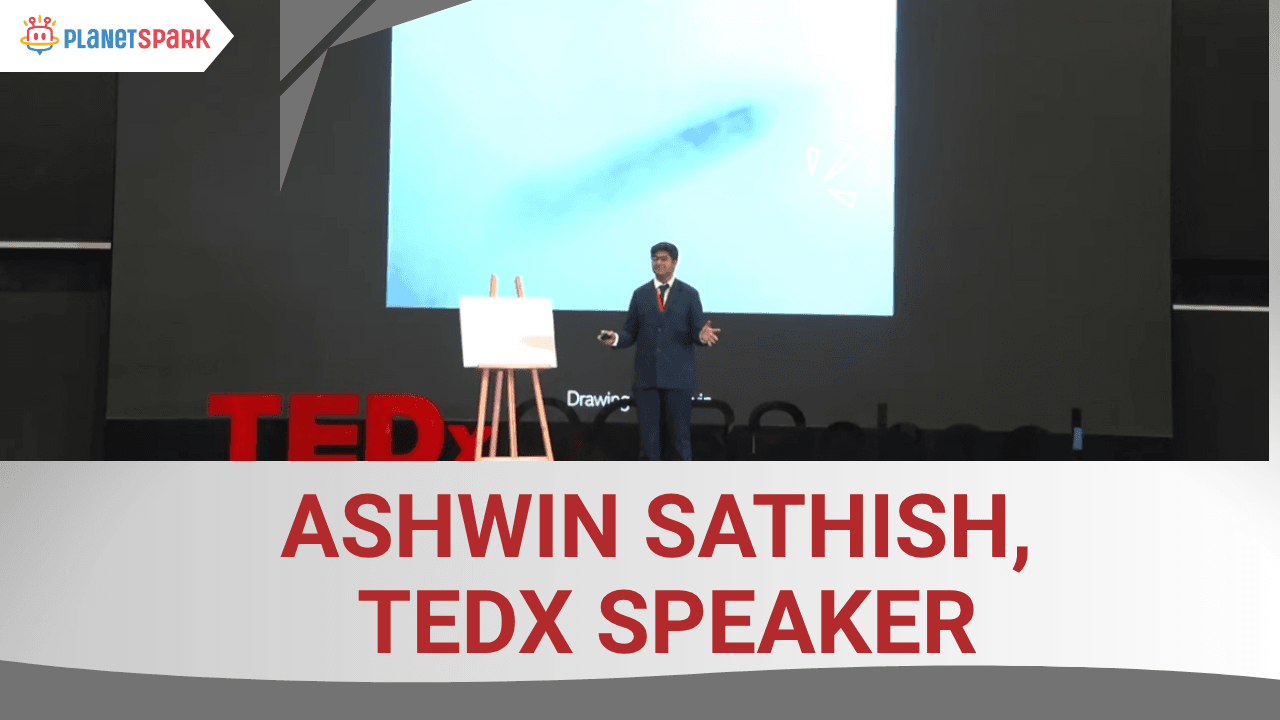
Ashwin Sathish, Grade 8 from New Delhi, stood tall as a TEDx Speaker, sparking conversations that truly matter. From classroom confidence to commanding a global stage, his journey reflects the power of voice, vision, and courage.
Build confident speakers and strong voices with PlanetSpark. Book a free trial class today.
Why PlanetSpark Excels in Creative Writing
PlanetSpark offers more than writing classes. It offers growth.
1. Expert Creative Writing Mentors: PlanetSpark trains mentors carefully. Mentors guide students step by step. They focus on clarity and originality.
2. Personalized Learning Paths: Each child learns differently. PlanetSpark adapts lessons to skill levels. Progress stays visible and measurable.
3. Strong Focus on Creative Writing Forms: PlanetSpark covers storytelling, poetry, and mythopoeia. Students explore many styles. They build versatile skills.
4. Practice-Driven Improvement: Students write often. Mentors review work. Feedback stays detailed and useful.
5. Confidence Through Performance: Children present stories. They share ideas. They grow confident speakers and writers.
PlanetSpark creates a safe space for creativity. It nurtures young voices.
Master Myth-Inspired Writing
Mythopoeia empowers writers to create meaning through myth. It builds worlds. It explains life. It sharpens imagination and logic. Children benefit greatly from this form of writing. They learn structure and creativity together. They gain confidence and clarity. With the right guidance, mythopoeia becomes simple and enjoyable. Platforms like PlanetSpark support this journey. They offer expert mentorship and structured growth.
Encourage children to create myths. Let them explore imagination. Let them master storytelling through mythopoeia.
Frequently Asked Questions
Mythopoeia means creating new myths through original stories. Writers invent worlds, powers, and legends to explain life, nature, or values. These stories do not copy old myths. They create fresh meaning through imagination and clear lessons.
Mythopoeia strengthens imagination and story structure. Children learn to think deeply about cause and effect. They connect emotions with ideas through symbols. This process builds confidence and clarity in writing.
Yes, beginners can learn mythopoeic writing with simple steps. They can start with one big question and a small world. Regular practice builds skill and confidence. Clear guidance makes the process enjoyable and stress-free.
PlanetSpark offers expert mentors and structured learning paths. The program focuses on clarity, creativity, and regular practice. Students receive detailed feedback on every task. This approach helps children grow as confident writers.
Yes, PlanetSpark includes myth-based storytelling in its creative writing programs. Mentors teach world-building, symbolism, and meaning. Students learn how to turn ideas into strong myths. The lessons stay simple and engaging.
PlanetSpark encourages frequent writing and guided revision. Mentors help children improve structure and expression. Students learn how to share ideas clearly through stories. This process builds strong storytelling skills and confidence.