
Onomatopoeia Figure of Speech Meaning, Types & Examples


Table of Contents
- Introduction to the Onomatopoeia Figure of Speech
- Types of Onomatopoeia
- Examples of Onomatopoeia in Sentences
- How to Use the Onomatopoeia Figure of Speech Effectively
- Writing Exercises to Practice Onomatopoeia
- Why the Onomatopoeia Figure of Speech Matters in Writing
- Common Mistakes to Avoid When Using the Onomatopoeia Figure
- Why PlanetSpark Is the Best Place to Learn Creative Writing
- Conclusion
Language becomes powerful when words do more than describe. They create sound, evoke sensations, and make the reader experience a scene as if they are inside it. One of the most vivid literary devices that achieves this is the onomatopoeia figure of speech. Whether you are writing fiction, poetry, articles, essays, or marketing content, onomatopoeic words inject life and energy into your writing.
In this detailed guide, you will learn the meaning of the onomatopoeia figure of speech, its types, its importance, examples, how to use it effectively, and how to strengthen your writing skills by mastering this technique.
Introduction to the Onomatopoeia Figure of Speech
The onomatopoeia figure of speech refers to words that imitate natural sounds. These words reflect the actual noise associated with an object, action, or event. For example: buzz, bang, splash, rustle, clang, thud, zoom, and whisper. When you read them, you almost hear the sound instantly.
Writers use onomatopoeia to create sensory details. Instead of telling the reader what happened, the words show the action through sound. This makes the writing more immersive, lively, and memorable.
The onomatopoeia figure of speech is not limited to creative writing. It is used in advertising, journalism, film scripts, storytelling, comics, product descriptions, children’s books, and even daily conversation.

Types of Onomatopoeia
While the onomatopoeia figure of speech includes many sound words, they generally fall into distinct categories. Understanding these types helps writers choose the right word for the right moment.
1. Animal Sounds
Words that mimic the sounds of animals.
Examples: woof, meow, moo, chirp, hiss, roar.
2. Human Sounds
Sounds created by people in daily life.
Examples: whisper, cough, giggle, clap, sigh, gasp, hum.
3. Nature Sounds
Sounds produced by wind, water, rain, leaves, and natural phenomena.
Examples: rustle, splash, crackle, drip, whoosh, rumble.
4. Machine or Mechanical Sounds
Words that reflect engines, tools, or gadgets.
Examples: beep, clank, whirr, click, zoom, ding.
5. Impact or Collision Sounds
Words that indicate striking, hitting, or crashing.
Examples: bang, thud, crash, smack, slam.
6. Movement Sounds
Words showing motion or activity.
Examples: swish, flutter, shuffle, patter.
Examples of Onomatopoeia in Sentences
To understand the practical use of the onomatopoeia figure of speech, here are examples across different styles:
The leaves rustled as the wind passed through the trees.
The fire crackled softly in the quiet cabin.
The baby giggled when the toy squeaked.
The glass shattered with a sharp crash.
The motorcycle zoomed past the traffic signal.
His shoes squeaked on the polished floor.
The clock ticked steadily all night.
The audience burst into applause as the show ended.
The waves splashed against the rocks.
The phone kept buzzing with notifications.
These examples show how sound enhances imagery without over-explaining.
Strengthen your creative writing skills and learn expressive devices like the onomatopoeia figure of speech with PlanetSpark’s interactive online writing program. Join today to begin your transformation.
Start with a free trial class!
How to Use the Onomatopoeia Figure of Speech Effectively
Onomatopoeia is powerful, but like any device, it works best when used thoughtfully. Here are essential tips:
1. Use it to enhance, not distract
The purpose of the onomatopoeia figure of speech is to make your writing more vivid and engaging, not noisy or cluttered. Sound words should feel like a natural part of the scene. When used thoughtfully, they deepen the atmosphere and help readers imagine the moment more clearly.
For example, “The leaves rustled in the gentle breeze” enhances the calm setting, while “The leaves rustled rustled rustled” becomes distracting. Always choose quality over quantity.
2. Match sound to emotion
Every sound word carries an emotional tone. Soft, subtle words like whisper, rustle, trickle, or murmur create a peaceful or introspective mood. In contrast, sharp words like bang, crash, clang, or boom add urgency, chaos, or excitement.
A strong writer uses these emotional cues intentionally. For instance, a tense thriller might use words like thud or snap, while a romantic scene may include soft sounds like sigh or hum. Choosing the right sound amplifies the emotional effect of the moment.
3. Keep the context natural
Onomatopoeic words must feel logical within the scene. Dropping in a sound that does not belong can disrupt the flow.
For example, using zoom to describe a slow-moving bicycle would feel odd. Similarly, using crackle during a quiet library scene might confuse the reader unless there is a clear source of the sound.
Always ask: Would this sound realistically occur here? If yes, it strengthens the narrative. If no, it weakens immersion.
4. Balance sound with description
Onomatopoeia works best when it complements, not replaces, your descriptive writing. Instead of relying solely on sound, pair it with sensory details like visuals, textures, and smells.
For example:
“The fire crackled as golden sparks drifted upward.”
Here, the sound (crackled) works with the visual image (golden sparks) to create a complete sensory experience. Striking this balance keeps the writing rich and engaging without overwhelming the reader.
5. Use it in dialogue and narration
The onomatopoeia figure of speech works exceptionally well in both narrative passages and character dialogue.
In narration, it adds rhythm and energy to descriptions.
In dialogue, it creates authenticity because people naturally use sound words in conversation.
Example:
Narration: “The engine thumped loudly as the old car tried to start.”
Dialogue: “Did you hear that boom last night?”
Using it in both areas makes your writing dynamic and relatable.
6. Explore unusual or creative sound representations
Writers sometimes craft unique or exaggerated sound effects to create a stronger impact or express a specific rhythm. These playful versions of onomatopoeia add personality to the writing.
Examples include boom-boom for a heartbeat, swoosh for sudden movement, or tinkle-tink for delicate sounds like wind chimes.
These invented sounds must fit the tone of the writing. When used correctly, they make the scene memorable and visually striking.
Writing Exercises to Practice Onomatopoeia
Here are simple yet effective exercises to help integrate onomatopoeia into your writing:
Exercise 1: Describe a busy morning scene
Use at least five sound words such as honk, beep, chatter, rustle, or sizzle.
Exercise 2: Write a nature paragraph
Include sounds like splash, whisper, chirp, or crackle.
Exercise 3: Rewrite a dull sentence
For example:
Original: The pan heated on the stove.
Revised: The pan sizzled as the oil warmed.
Exercise 4: Create a sound-based poem
Write four lines where each line focuses on a distinct sound effect.
Exercise 5: Describe a festival
Use onomatopoeic words to express fireworks, drumbeats, cheering, and music.
These exercises boost creativity and help you understand how sound adds character to writing.
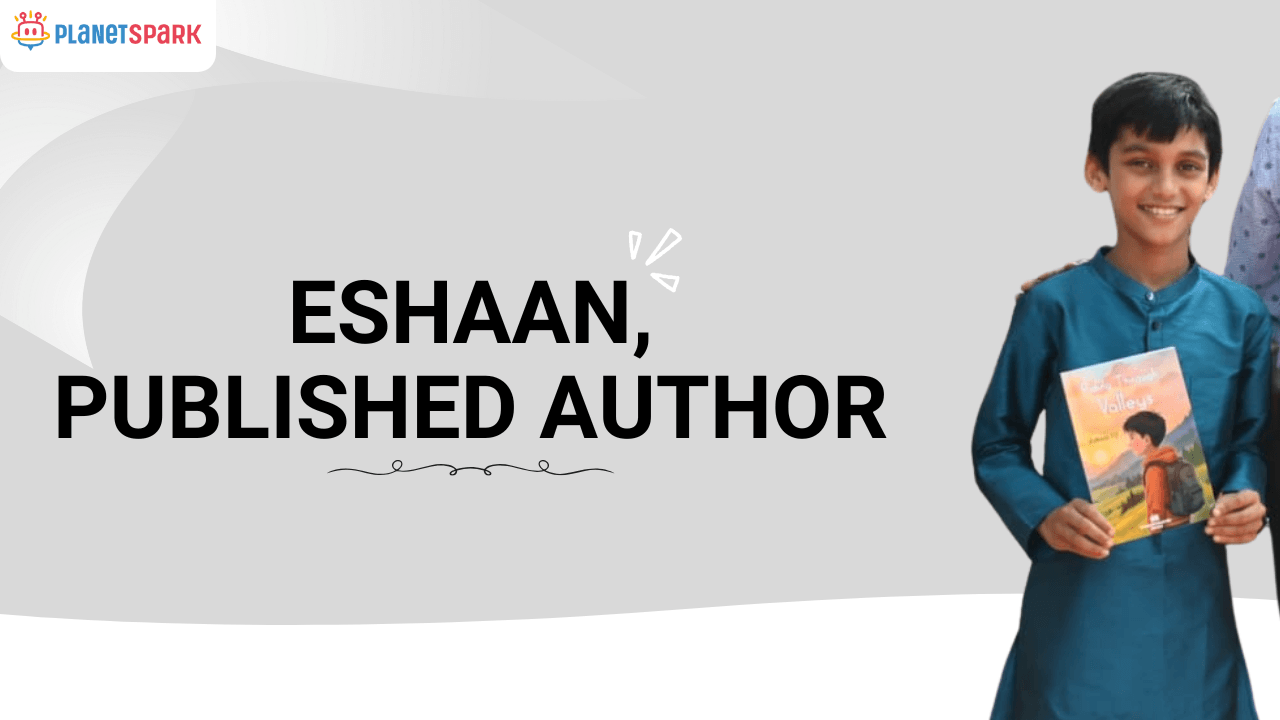
Eshaan has officially became a published author, turning classroom activity into a captivating storybook.
Make your own story like him. Try a free demo class with PlanetSpark today!
Why the Onomatopoeia Figure of Speech Matters in Writing
Using the onomatopoeia figure of speech does more than add sound. It deepens the reader’s connection with the text. Here are some reasons it is an essential literary device:
Creates sensory experiences
Onomatopoeic words stimulate the auditory imagination. They help readers feel like they are present in the scene.Makes descriptions more vivid
Instead of saying “the door shut loudly,” saying “the door slammed” paints a stronger picture.Engages reader emotions
Sounds can be calming, alarming, energetic, or soothing. Writers use them strategically to influence mood.Adds realism
Sound effects make scenes more authentic, especially in action sequences or descriptive passages.Strengthens imagery
Combined with visual and tactile details, sound words enhance imagery and bring writing to life.
Common Mistakes to Avoid When Using the Onomatopoeia Figure of Speech
Writers sometimes overuse sound words or use them inappropriately. Avoid these errors:
Overloading a paragraph with sound words
Too many sounds can overwhelm readers and reduce clarity.Using invented sounds without purpose
Only create new sound effects when they genuinely support the scene.Placing sound words out of context
Sounds should match the mood, timing, and setting.Using sound words incorrectly
Each sound word has specific associations. Make sure the chosen word makes sense.Ignoring rhythm or flow
Onomatopoeia should add smoothness, not disrupt the narrative.
Why PlanetSpark Is the Best Place to Learn Creative Writing
PlanetSpark’s Creative Writing Program is designed to help learners of all ages develop clarity, style, and confidence. Here is what makes it stand out:
Live interactive classes
Sessions are conducted in real time with expert trainers who guide you through techniques like the onomatopoeia figure of speech, metaphors, dialogue writing, and narrative structure.Personalized feedback
Every assignment receives detailed review so you understand what works and what can be improved.Structured curriculum
The course follows a systematic approach that covers literary devices, story building, vocabulary development, and expression.Practical writing exercises
Each class includes hands-on writing tasks to help you apply concepts immediately.Creative confidence building
Learners grow comfortable with experimentation and find their unique writing voice.Flexible scheduling
Attend sessions from the comfort of your home at a time that suits your routine.
Start with a free trial class today!
Conclusion
The onomatopoeia figure of speech is one of the most powerful tools for making writing vivid, sensory, and memorable. By using sound-based words intentionally, writers can transform simple descriptions into immersive experiences that readers can hear, feel, and imagine. From nature scenes and action sequences to dialogue and storytelling, onomatopoeia adds rhythm, depth, and authenticity to any form of writing.
When used with balance and purpose, it strengthens imagery, enhances mood, and creates emotional impact. As you continue to refine your craft, experiment with different sound words, explore how they influence tone, and practice blending them naturally into your narrative.
Frequently Asked Questions
It is a literary device where a word imitates the sound it describes. Examples include buzz, bang, splash, and whisper. These words help readers hear the scene in their imagination.
It makes writing vivid, engaging, and sensory. Sound-based words draw readers deeper into a scene and make descriptions more authentic.
Yes, it can be used when appropriate, especially in descriptive essays, creative assignments, journalism, or advertising.
No, it appears in storytelling, novels, films, comics, marketing, speeches, and everyday communication.
Practice regularly and learn from expert guidance. Creative writing programs offer structured techniques and feedback to refine your skills.