
Personal Words for Kids: Words to Describe a Person and Build Better Expression Skills

Table of Contents
- What Are Personal Words?
- Different Types of Words Used to Describe a Person
- Positive Words Kids Can Use to Describe a Good Person
- How Personal Words Connect Speaking and Writing
- Using Personal Words in Everyday Writing and School Tasks
- PlanetSpark Creative Writing: Building Expression Through Wo
- Conclusion: Expressing Thoughts Clearly with the Right Words
Words play a powerful role in how children express their thoughts, emotions, and ideas. When kids learn the right personal words, they develop the ability to describe people clearly, confidently, and creatively. Whether they are writing a short paragraph, describing a character in a story, or talking about someone they admire, choosing the right words to describe a person helps them communicate more effectively.
With PlanetSpark’s Creative Writing program, children learn how to select meaningful words and use them correctly in both written and spoken expression.
What Are Personal Words?
Personal words are the words we use to describe people in a meaningful way. They help children explain not just what a person does, but who a person is. When a child uses personal words, their writing becomes clearer, warmer, and more expressive.
Imagine a child writing about a classmate. If the sentence says, “He is good,” the reader learns very little. The word good is positive, but it does not explain the person clearly. Now read this sentence instead: “He is kind, honest, and helpful.” These are strong words to describe a person. They reveal personality, behaviour, and values, helping the reader form a clear picture.
Personal words add depth to writing. When describing a teacher, a child might write, “My teacher explains lessons well.” With better word choice, the sentence becomes, “My teacher is patient and encouraging.” The second sentence uses clearer words to describe a person, showing how the teacher behaves and how the child feels.
In storytelling, personal words help bring characters to life. A character described only as “angry” feels flat. A character described as “impatient, frustrated, and easily annoyed” feels real and believable. These carefully chosen words to describe a person help readers understand emotions, actions, and personality traits.
In everyday writing, personal words help children express respect, appreciation, and understanding. When writing about friends, parents, or family members, children use these words to describe a person to share genuine thoughts and emotions. With regular practice, children learn to choose the right words naturally, improving both written expression and spoken communication.
Different Types of Words Used to Describe a Person
Here are the various categories of words used to describe a person.
Positive Words Kids Can Use to Describe a Good Person
Learning words to describe a good person helps children express respect and admiration clearly. These examples show how positive words to describe someone can be used naturally in sentences.
My teacher is kind, patient, and encouraging, which makes learning enjoyable for everyone in the class.
My father is honest and responsible, and he always teaches me to do the right thing.
My best friend is helpful and supportive, especially when I find my homework difficult.
Our class monitor is respectful, disciplined, and fair to all students.
My grandmother is caring and thoughtful, and she always listens to everyone patiently.
The team leader is confident, cooperative, and motivates others to work together.
My neighbour is a trustworthy and generous person who helps people in need.
The new student is polite, friendly, and makes everyone feel comfortable.
My cousin is hardworking and determined, which inspires me to study sincerely.
The teacher described the character in the story as a brave, kind, and honest individual, using the right words to describe a person.
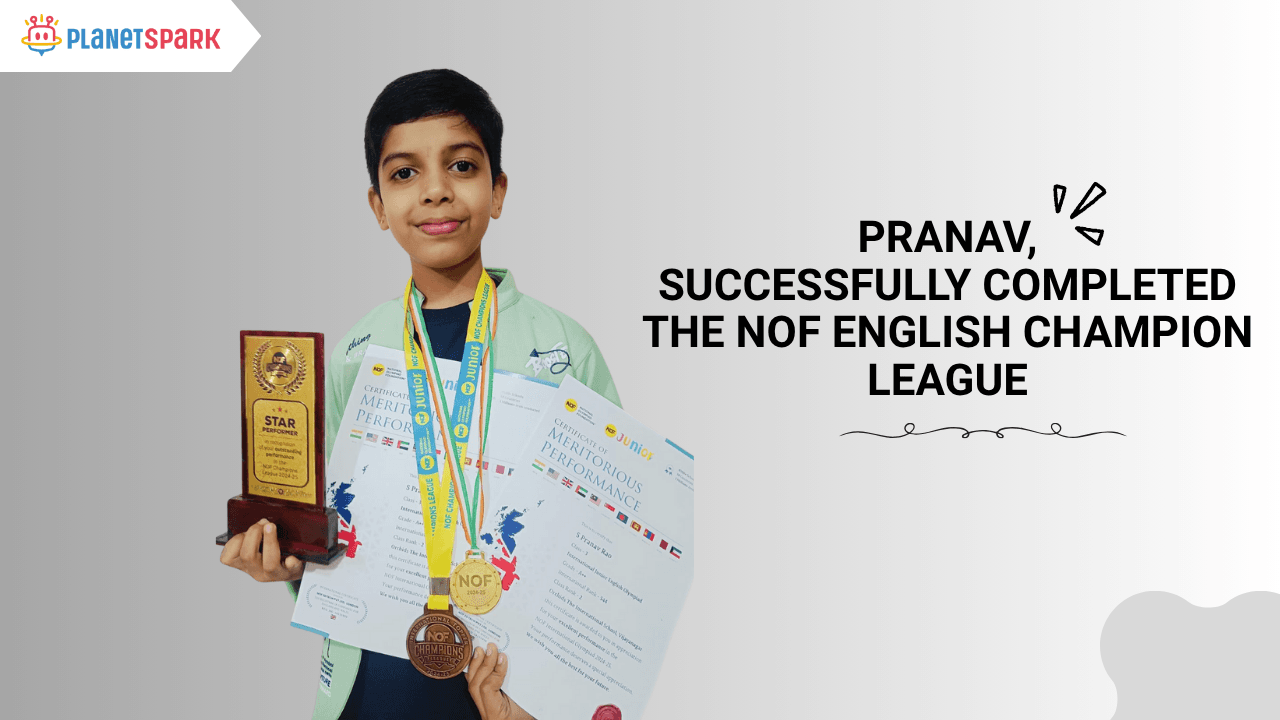
Pranav, a Grade 3 star, completed the NOF English Champion League, showcasing his brilliance in Public Speaking and Creative Writing.
Help your child describe, express, and impress with PlanetSpark Creative Writing Programs!
How Personal Words Connect Speaking and Writing
Personal words help children express thoughts clearly in both speaking and writing. When children learn the right words to describe a person, they become more confident communicators.
Using personal words improves spoken English by helping children explain feelings, opinions, and ideas clearly during conversations, storytelling, and classroom discussions.
Strong vocabulary of words to describe a person helps children speak in full, meaningful sentences instead of using only simple words like good or nice.
When children practise words to describe a good person, they learn how to show respect and appreciation while speaking about teachers, friends, and family members.
The same personal words used in speaking help children write better paragraphs, essays, and letters, creating a clear connection between speech and writing.
Learning positive words to describe someone helps children sound polite, confident, and expressive in both oral presentations and written work.
A rich set of individual synonyms helps children avoid repetition and choose accurate words while speaking and writing.
By using the same personal words in daily conversations and written tasks, children naturally strengthen both speaking and writing skills.
Using Personal Words in Everyday Writing and School Tasks
When you write about friends and family, using the right words to describe a person helps you show what makes them special. Instead of only stating facts, you can use personal words to share feelings and qualities. For example, you can write, “My mother is kind, caring, and always supportive,” using positive words to describe someone clearly.
In school assignments, words to describe a person make your writing stronger and more interesting. Whether you are writing a paragraph or a character sketch, using personal words helps you explain ideas better. For example, instead of saying “The boy is nice,” you can write, “The boy is helpful, honest, and friendly,” which shows words to describe a good person.
In letters and diary entries, personal words help you express thoughts and emotions clearly. Writing lines like, “My friend was thoughtful and supportive today,” helps you share feelings with confidence and improves how you use words to describe a person in everyday writing.
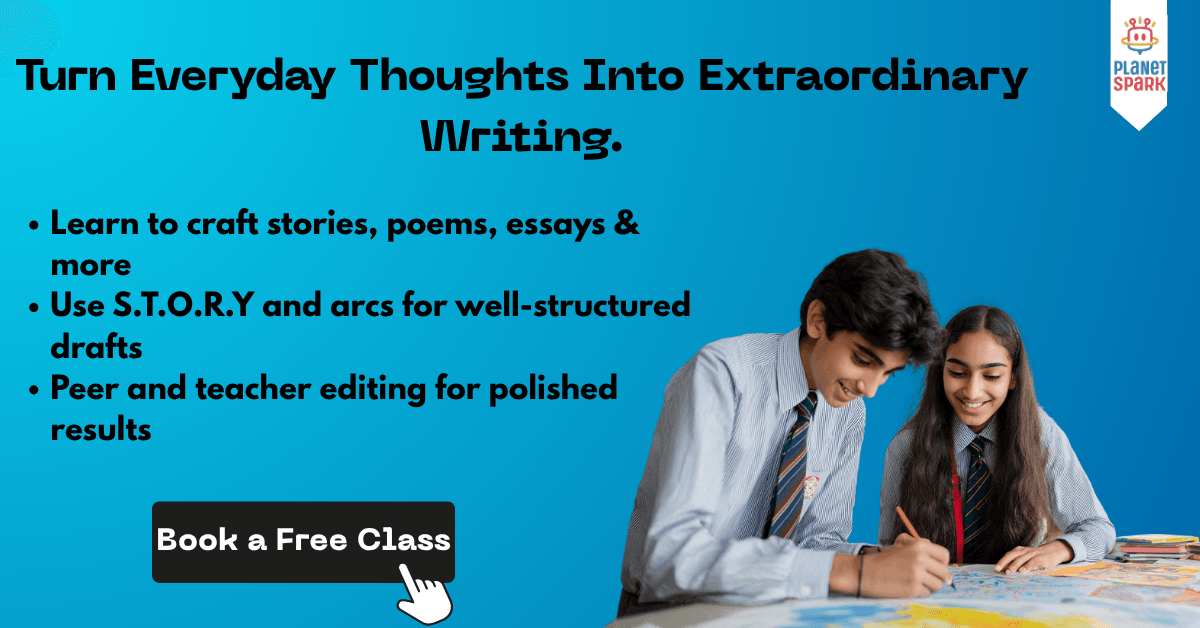
PlanetSpark Creative Writing: Building Expression Through Words
Genre-Based Curriculum: Covers short stories, poetry, journals, essays, book reviews, and persuasive letters, each with a dedicated lesson plan.
Framework-Driven Instruction: Teaches story arcs, S.T.O.R.Y structure, 5W1H method, and PEEL technique for essays and arguments.
Writing + Speaking Integration: Children present written work orally to build expressive confidence and narrative flow.
Editing and Feedback: Focus on revising with real-time editing, peer review, and teacher guidance.
Publishing Opportunities: Kids can publish on PlanetSpark’s blog, e-magazine, or in co-authored anthologies.
Creativity Stimulus Activities: Story dice, prompts, images, and guided exercises foster original thinking.
Conclusion: Expressing Thoughts Clearly with the Right Words
Learning and using personal words helps children describe people, share feelings, and communicate ideas with clarity. By practicing words to describe a person, words to describe a good person, positive words to describe someone, and even individuals synonyms, children gain confidence in both writing and speaking. These skills improve schoolwork, creative writing, letters, and everyday conversations. With the right vocabulary and regular practice, children can express admiration, respect, and emotions effectively, making their stories, essays, and dialogues more meaningful. Programs like PlanetSpark Creative Writing guide children to choose the right personal words, connect their thoughts, and bring their ideas to life creatively and clearly.
Frequently Asked Questions
Personal words are words used to describe a person’s character, behaviour, emotions, and qualities. Learning these words helps children express themselves clearly, describe others accurately, and make their writing and speaking more meaningful.
Children can use words to describe a good person, like kind, honest, helpful, respectful, and thoughtful, to explain qualities of friends, teachers, or family members. This makes paragraphs, essays, and letters more expressive and clear.
When children practise words to describe a person and positive words to describe someone, they can explain ideas confidently in conversations, storytelling, and classroom discussions. The same words also make their essays, diary entries, and letters more descriptive and engaging.