
Picture Prompts for Creative Writing to Inspire Students
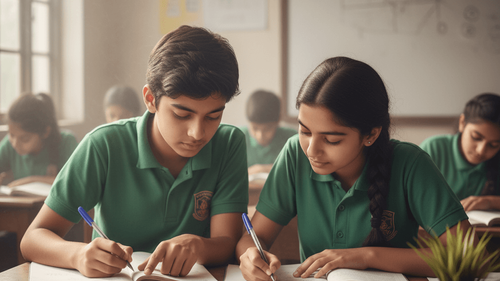

Table of Contents
- Why Picture Prompts Strengthen Creative Writing
- Build Descriptive Detail
- Expand Imagination
- Improve Narrative Flow
- Types of Picture Prompts That Inspire Creativity
- Creative Writing Picture Prompts and Story Ideas
- How Picture Prompts Improve Descriptive Writing
- Steps to Create a Strong Creative Story From a Picture Promp
- Sample Short Outlines Based on Picture Prompts
- About PlanetSpark
- Final Thoughts
Picture prompts for creative writing help students turn visuals into expressive stories filled with imagination and detail. When children look closely at a picture, they learn to pick out clues, predict possibilities, and shape narratives that feel vivid and engaging. These prompts act as strong idea starters, especially for young writers who struggle to think of topics on their own. With the right guidance, picture prompts help students build fluency, creative confidence, and structured storytelling skills. Many teachers even include them in lesson plans for 3rd graders involving the word impression so students learn how visuals create meaning.
PlanetSpark supports this growth by teaching students how to transform visual cues into well-organized, expressive, and meaningful stories.
Why Picture Prompts Strengthen Creative Writing
Picture prompts guide students to observe, imagine, and interpret, giving them a foundation for rich creative pieces. Instead of starting with a blank page, children begin with a visual anchor that sparks curiosity and encourages deeper thinking. This combination of observation and imagination helps young writers build stories that feel thoughtful, expressive, and well developed. When children learn how to interpret a picture, they also understand how writers create an impression on readers, something educators highlight when explaining how another word for impression can help expand vocabulary choices.
Picture prompts help reduce hesitation by giving students something concrete to explore. As they gain confidence, students often search for another word for impressive or another word for impressed to describe imagery more powerfully. This strengthens their ability to express feelings, reactions, and interpretations with greater clarity.
Build Descriptive Detail
Images encourage students to notice colours, expressions, and small elements that add realism to stories. When children focus on picture details, they naturally begin to include sensory language, specific descriptions, and vivid imagery in their writing. This strengthens their ability to paint clear mental pictures for the reader. As vocabulary grows, students recognise when an image needs another word for impressive to better capture how striking or meaningful the scene feels.
Expand Imagination
A single picture can inspire multiple interpretations, helping students think beyond literal meaning. What appears as a simple scene becomes the foundation for different storylines, character motivations, or mysteries. This freedom allows children to experiment with perspectives, explore unusual outcomes, and stretch their creativity in new directions.
When students feel inspired by a visual, they often express that they were impressed another word might describe the feeling. This sparks curiosity in language variety and helps them move beyond common expressions. As a result, their writing sounds more expressive, thoughtful, and original.
Improve Narrative Flow
When children use visual cues, they learn to organize beginning, conflict, and resolution more naturally. Pictures highlight potential story beats, such as what the character wants, what challenge may appear, or how the plot may unfold. These clues help students form complete narratives instead of disconnected ideas.
As they practice, young writers begin to sense how smooth storytelling feels. They might describe a well-structured sequence with another word for impressed because the visual helped them connect events clearly. This builds long-term understanding of story structure and pacing.
Types of Picture Prompts That Inspire Creativity
Different images encourage different approaches to storytelling, giving students a wide range of writing styles to explore. Visual prompts expose children to new perspectives, moods, and situations, helping them experiment with tone, structure, and narrative depth.
Fantasy and Magical Scenes
Images such as glowing forests, enchanted creatures, floating islands, or mysterious doorways invite children to create extraordinary worlds. These scenes challenge students to imagine places with unique rules, magical elements, and unusual conflicts. They learn to build believable worlds, develop powerful characters, and explore grand themes. Because these scenes often feel visually striking, students naturally reach for richer vocabulary, including another word for impressive, to match the scale and wonder of the image.
Human Emotions and Expressions
Pictures that show emotions allow children to practice writing character-driven stories. A single facial expression or gesture can reveal motivation, conflict, or emotional tension. By analyzing these cues, students learn how emotion influences behaviour, dialogue, and decision-making. They begin writing characters who feel real, layered, and purposeful. This practice strengthens emotional intelligence and helps students understand how a picture creates an impression that shapes narrative choices.
Unusual or Mysterious Settings
Strange backdrops such as abandoned houses, fog-covered bridges, or unexplained shadows encourage students to write suspense-filled narratives. These settings naturally inspire mystery, tension, or unexpected twists. Students learn how atmosphere affects tone and how pacing influences reader interest. As they describe these unusual scenes, they experiment with mood-building vocabulary and sometimes search for another word for impressed that captures how captivating or haunting the scene feels.
Everyday Life Moments
Simple pictures like siblings studying, a grandparent cooking, or someone waiting at a bus stop help students write relatable stories. These prompts teach children to find meaning in ordinary situations and describe them with clarity and sensitivity. Everyday images help students explore themes such as friendship, responsibility, growth, or quiet reflection. They also learn how to create subtle impressions in writing, often exploring another word for impressed to express how meaningful simple scenes can be.
Book a free demo class with PlanetSpark to experience real conversation-based learning.
Creative Writing Picture Prompts and Story Ideas
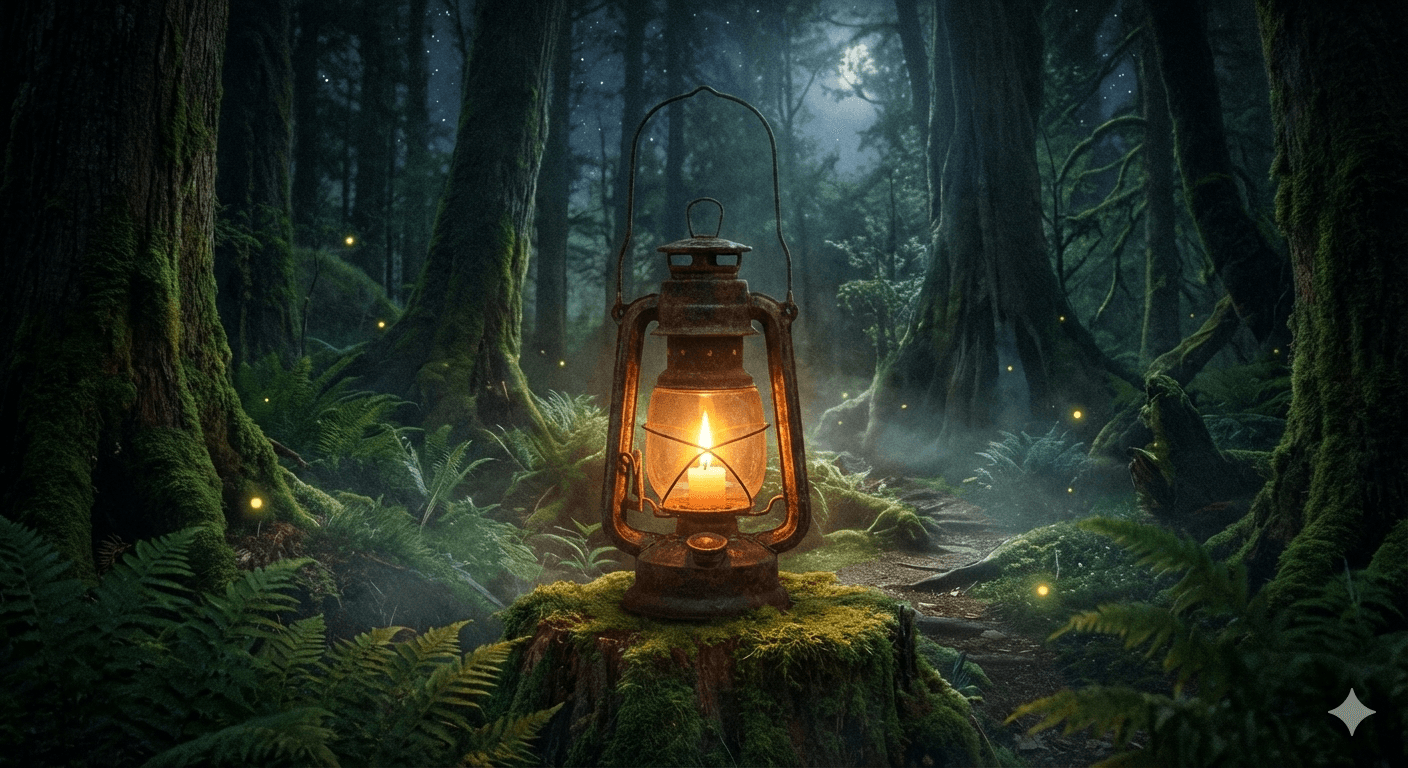
Prompt 1: A Lantern Glowing in the Middle of a Forest
This prompt encourages students to imagine a character discovering the lantern and uncovering its significance. It may mark the beginning of a quest, warn of a danger, or reveal a magical force. Students can expand the forest setting with atmosphere, symbolism, and mystery. They learn to shape tension, develop plot direction, and create meaningful outcomes.
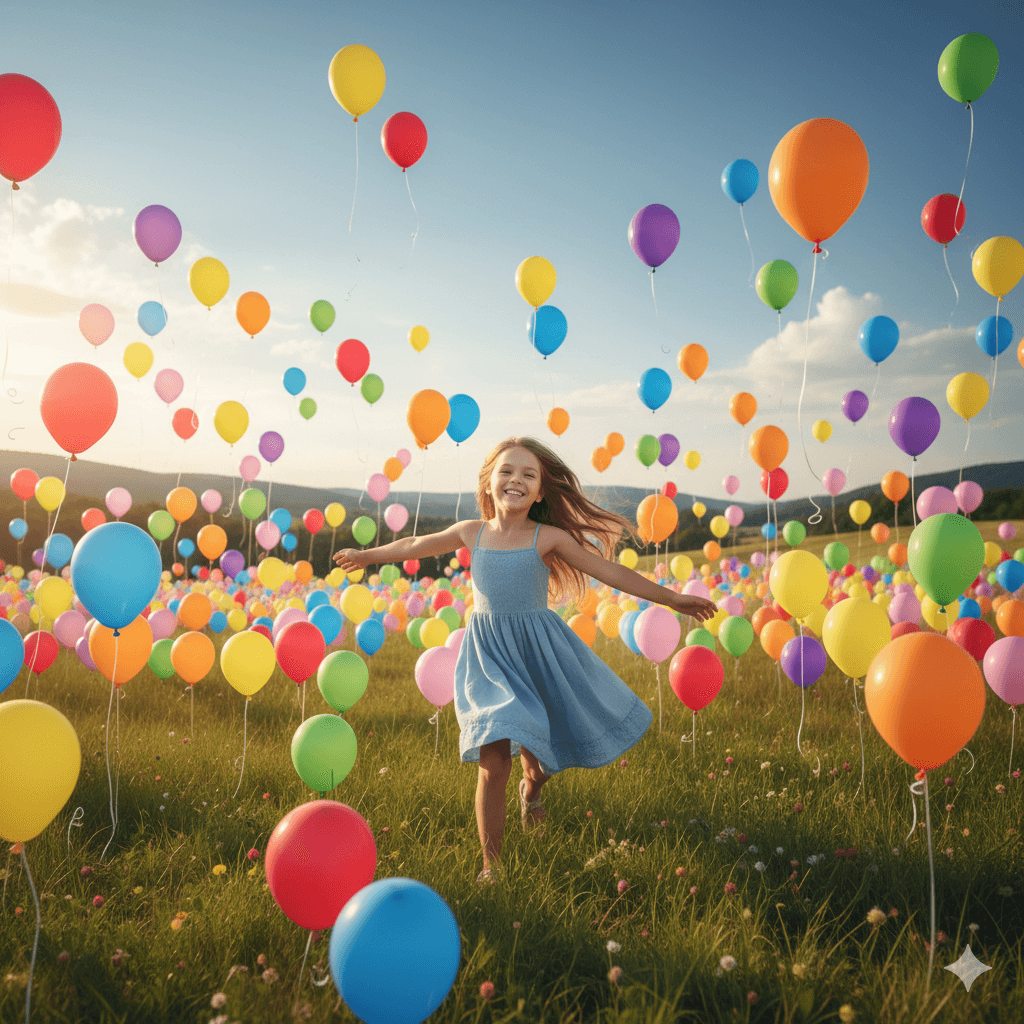
Prompt 2: A Girl Running Through a Field of Balloons
Students can write about why the girl is running, what the balloons represent, and what moment the picture captures. They might explore themes of freedom, celebration, longing, or determination. The bright colours and movement in the picture inspire energetic writing while offering room for emotional depth or personal reflection.

Prompt 3: A Train Arriving at a Snow-Covered Station
This scene lends itself to stories filled with anticipation, reunion, or mystery. Students might imagine a long-awaited visitor, a secret passenger, or a message that changes someone’s life. The snowy backdrop helps them explore weather, mood, and emotional tension. They also learn how environment influences storytelling rhythm.

Prompt 4: A Cat Sitting Beside an Open Book
This prompt works beautifully for whimsical, gentle stories. The cat could be guarding a magical book, inviting someone into its pages, or reacting to a mysterious message. Students practice writing soft emotions, subtle movements, and imaginative scenarios. They also explore symbolism and the connection between curiosity and discovery.
How Picture Prompts Improve Descriptive Writing
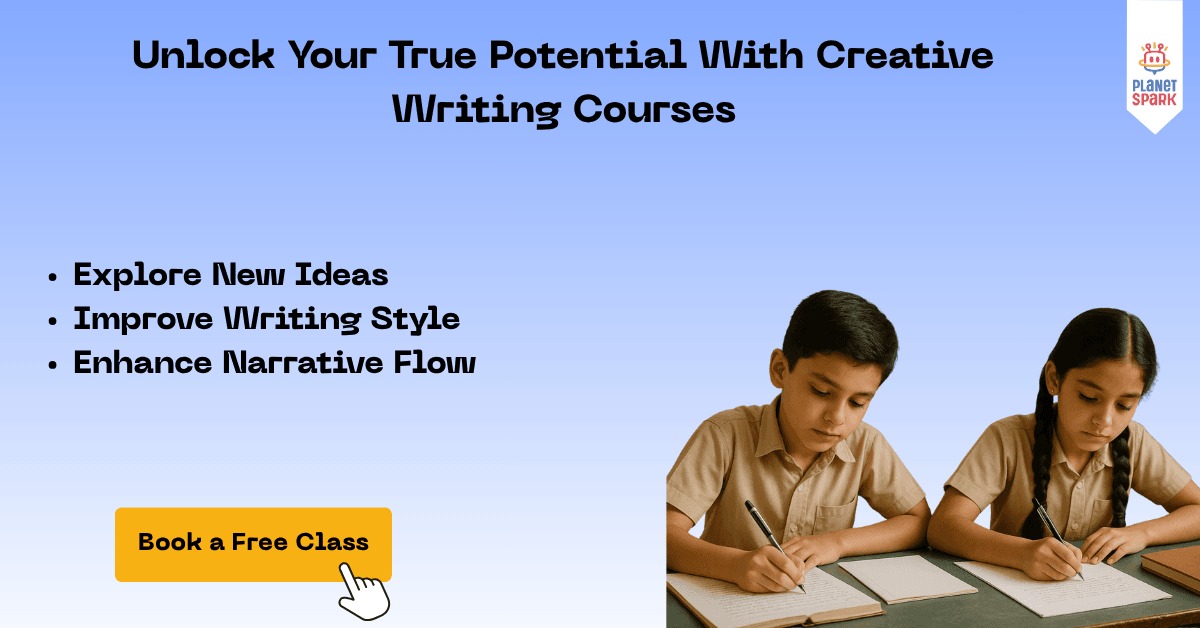
Picture-based tasks strengthen writing by teaching students to focus on sensory detail, atmosphere, and tone. When children observe an image closely, they move beyond basic descriptions and develop richer, more expressive writing. They also learn why choosing another word for impression matters because it helps them describe how a visual affects the mood or meaning of their story.
Visual Details
Students learn to identify small elements such as shadows, textures, expressions, and lighting that bring scenes to life. These observations help them avoid vague descriptions and write with accuracy and clarity.
Sensory Language
A picture may not include sound or smell, but it suggests them. Students learn to imagine what the environment might feel like, including how objects move, what weather might sound like, or how textures add depth. Sensory details make writing immersive and engaging.
Emotional Cues
Pictures often hint at unspoken emotions. Students practice inferring feelings from posture, expressions, and interactions. This strengthens character development and helps them write stories that connect emotionally with the reader.
Join now to speak English confidently in any situation with PlanetSpark.
Steps to Create a Strong Creative Story From a Picture Prompt
Step 1: Observe the Picture
Students examine people, objects, lighting, and background elements. Careful observation helps them form a vivid mental picture that becomes the foundation of their writing.
Step 2: Make Predictions
Students imagine what occurred before and after the moment captured in the picture. This encourages them to build a fuller storyline and think beyond the static image.
Step 3: Identify the Conflict
Every story needs tension. Students interpret clues from the picture to determine the main problem or discovery that will drive the plot.
Step 4: Build the Plot
Students arrange their ideas into a beginning, middle, and end. This teaches them how to connect events smoothly, maintain logical flow, and create meaningful progression.
Step 5: Add Creative Details
After shaping the structure, students enrich their writing with descriptive language, sensory elements, and emotional depth. This helps turn simple ideas into powerful stories.
Step 6: Review the Story
Students re-read their work to check clarity, pacing, and expression. This teaches them the value of revision and helps them take ownership of improving their writing.
Enroll now at PlanetSpark and start speaking English naturally and clearly.
Sample Short Outlines Based on Picture Prompts
Outline 1: A Boy Staring at a Distant Lighthouse
Beginning: The boy visits the shore every evening
Conflict: He notices a strange flicker coming from the lighthouse
Resolution: His curiosity leads him to uncover a family clue tied to the old signal
Outline 2: A Floating Umbrella in the Sky
Beginning: A girl notices an umbrella rising into the air
Conflict: The umbrella carries a message meant for her
Resolution: She follows its journey and discovers something unexpected
Outline 3: A Dog Waiting Outside a Shop
Beginning: A dog sits patiently outside a shop
Conflict: People wonder what it is waiting for
Resolution: Someone recognises the dog and helps reunite it with its owner
About PlanetSpark
PlanetSpark transforms how children learn to communicate with confidence. Through live 1:1 sessions, expert mentors and immersive speaking activities, learners develop clarity, confidence and expression. Every session is designed to help students speak effectively, listen attentively and connect meaningfully in real conversations.
1:1 Expert Coaching
Students receive focused guidance on voice, tone and articulation from certified communication coaches.Real-World Speaking Practice
Interactive debates, storytelling sessions and discussions enable learners to apply communication skills in real time.Video Feedback and Analysis
Learners review their recorded performances with mentors to refine body language, gestures and delivery.Leadership and Expression Focus
Each lesson helps students build stage confidence, emotional awareness and authentic self-expression.Continuous Growth Tracking
Progress is consistently measured through performance insights that strengthen communication at every level.
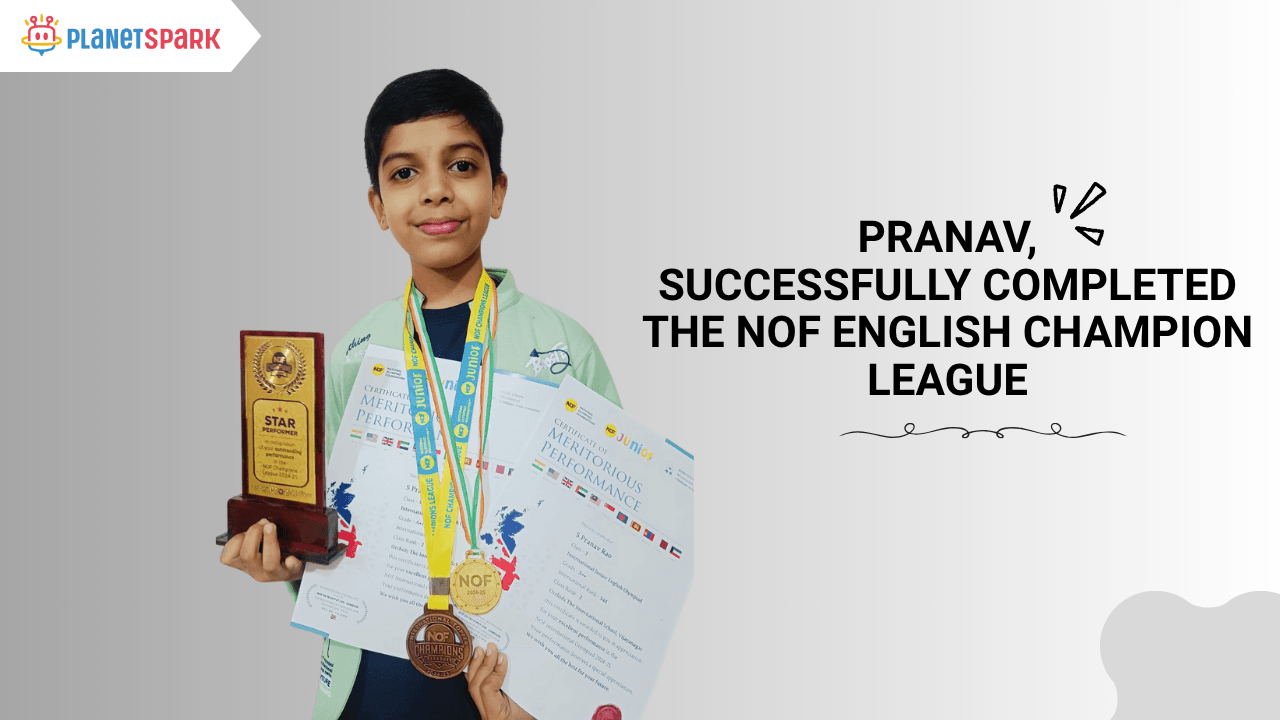
Pranav’s Creative Leap: From Visual Imagination to Confident Young Writer
Pranav, an energetic Grade 3 learner aged 8, recently completed the NOF English Champion League, where he impressed everyone with his creativity in both Public Speaking and Creative Writing. His journey shows how powerful visual thinking can be. What began as simple picture-based writing exercises soon evolved into detailed stories, vivid descriptions and confident expression. By learning to observe images closely and translate them into meaningful narratives, Pranav strengthened his imagination and built strong foundational writing skills.
Final Thoughts
Picture prompts for creative writing help students explore imagination, strengthen observation skills and build expressive storytelling. By starting with a visual cue, children learn to look deeper into scenes, identify hidden possibilities and use details to shape meaningful narratives. This approach transforms writing from a task into an engaging discovery process, where every picture becomes a doorway to new ideas and fresh perspectives.
When children learn to interpret visual cues and transform them into structured narratives, they gain confidence not only in writing but also in thinking creatively. They begin to understand how stories grow from observation, curiosity and interpretation. This builds the foundation for stronger descriptive skills, better plot development and more thoughtful character creation. Students also learn to organize ideas more effectively, which supports academic writing alongside creative expression.
With regular practice and thoughtful support, picture prompts become a powerful tool for refining creativity, developing writing fluency and nurturing a strong creative voice. Over time, children learn to write with clarity, emotion and imagination, crafting stories that reflect their unique viewpoint. This consistent engagement with visual storytelling helps students develop lasting communication skills that enhance both academic performance and personal expression.
Join now with PlanetSpark to improve Spoken English fluency and confidence.
Frequently Asked Questions
Picture prompts for creative writing are images used to inspire stories, descriptions, or ideas. They help students generate creative thoughts by giving them a visual starting point. This makes it easier for young writers to overcome blank page hesitation and begin writing with confidence.
Picture prompts help students notice details, imagine possibilities, and develop structured stories. By analyzing an image, children practice observation, descriptive language, and narrative planning. This strengthens creativity while also improving clarity and flow in their writing.
Students who find it hard to think of topics benefit from picture prompts because the image provides instant inspiration. The visual cues help them understand what to write about, predict events, and create characters or conflicts. This reduces stress and makes writing more approachable.
Fantasy scenes, emotional expressions, mysterious settings, and everyday life moments work well as prompts. These images offer strong storytelling potential and encourage students to explore different writing styles. Each type supports a unique tone, mood, or narrative direction.
Students should observe the picture closely, ask guiding questions, and outline a beginning, conflict, and ending. Adding descriptive details and emotional cues strengthens the narrative. Reviewing the draft helps ensure that the final story is clear, expressive, and well organized.
Picture prompts support academic writing by improving sequencing, interpretation, and descriptive precision. They encourage students to organize ideas logically and explain visual meaning clearly. This helps with essays, paragraphs, compare and contrast tasks, and analytical writing assignments.