
Picture Writing Prompts for Creative Student Writing
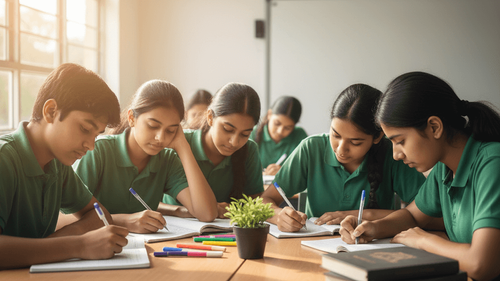

Table of Contents
- Why Picture Prompts Support Better Writing
- Types of Picture Writing Prompts Students Can Use
- Picture Writing Prompts for Creative Thinking
- Academic Writing Practice with Picture Prompts
- Steps to Use Picture Writing Prompts Effectively
- Sample Picture Writing Prompts with Short Story Outlines
- About PlanetSpark
- Final Thoughts
Picture writing prompts help children transform simple visuals into rich, meaningful stories. By studying an image closely, students learn to describe details, build structure, and express ideas with confidence. These prompts remove the fear of starting with a blank page and give young writers the boost they need to think creatively. Many teachers even search for another word for impressive when explaining how rapidly student writing improves after using picture prompts.
PlanetSpark helps students learn to write, speak, and express ideas with confidence through guided 1:1 learning.
Why Picture Prompts Support Better Writing
Picture prompts combine visual context, emotional cues, and open possibilities, making writing easier and more natural for students. These prompts help children interpret visual information, identify patterns, and connect ideas. Educators often look for another word for impression because the impact is so strong. With structured guidance, picture prompts help young writers move from basic descriptions to complete, expressive stories.
Build Observation Skills
Observation is one of the strongest skills children develop through picture prompts. Students start identifying colours, textures, expressions, and subtle background details they never noticed before. This skill translates into richer descriptions and clearer writing. Teachers often need impressed another word because the progress is noticeable within a few sessions.
picture writing prompts.
Strengthen Imagination
Picture prompts encourage creative risk taking. Students imagine characters, conflicts, emotions, and worlds beyond what they see. The visual foundation helps them push their imagination further without feeling lost. Many educators search for another word for impressed when they see how confidently students create original ideas.
Improve Story Structure
Using picture prompts helps students understand how stories begin, develop, and resolve. They learn to plan introductions, build conflicts, and write meaningful conclusions. The visual reference guides them to follow a logical sequence that makes their writing smoother and more coherent.
Types of Picture Writing Prompts Students Can Use
Different types of images help students practice different styles of writing. This variety builds flexibility and confidence across narrative, descriptive, and imaginative writing.
Action Scenes
Action based pictures help students practice fast paced and dramatic writing. Scenes like running, jumping, or accidents push them to describe movement, urgency, and emotional reactions. These prompts help students learn how to build tension, describe conflict, and create stories with momentum.
Nature and Landscapes
Nature prompts encourage slow, thoughtful writing. Students learn to describe colours, weather, light, and atmosphere in depth. This type of imagery helps them practice sensory language, build mood, and craft immersive settings that feel real and vivid to the reader.
People and Emotions
Pictures of people help students understand emotional depth. By observing expressions and gestures, students imagine what characters are thinking or feeling. These prompts help them develop empathy, character motivation, and dialogue centered storytelling that feels personal and relatable.
Mysterious or Unusual Images
Unusual images spark curiosity and push students to imagine the unexpected. Strange shadows, abandoned buildings, or unexplained objects encourage them to ask deeper questions and build suspense. These prompts help students explore mystery, fantasy, and creative problem solving.
Picture Writing Prompts for Creative Thinking
Creative picture prompts give students the freedom to explore ideas while still having a clear visual guide. They make it easier for children to develop imaginative narratives because the image removes the fear of starting from scratch. These prompts are especially useful for teachers planning lesson plans for 3rd graders involving the word impression, as students naturally begin describing what they see, what they feel, and what they imagine. Picture prompts help children develop emotional depth, descriptive ability, and structured thinking, which strengthens both creative and academic writing.
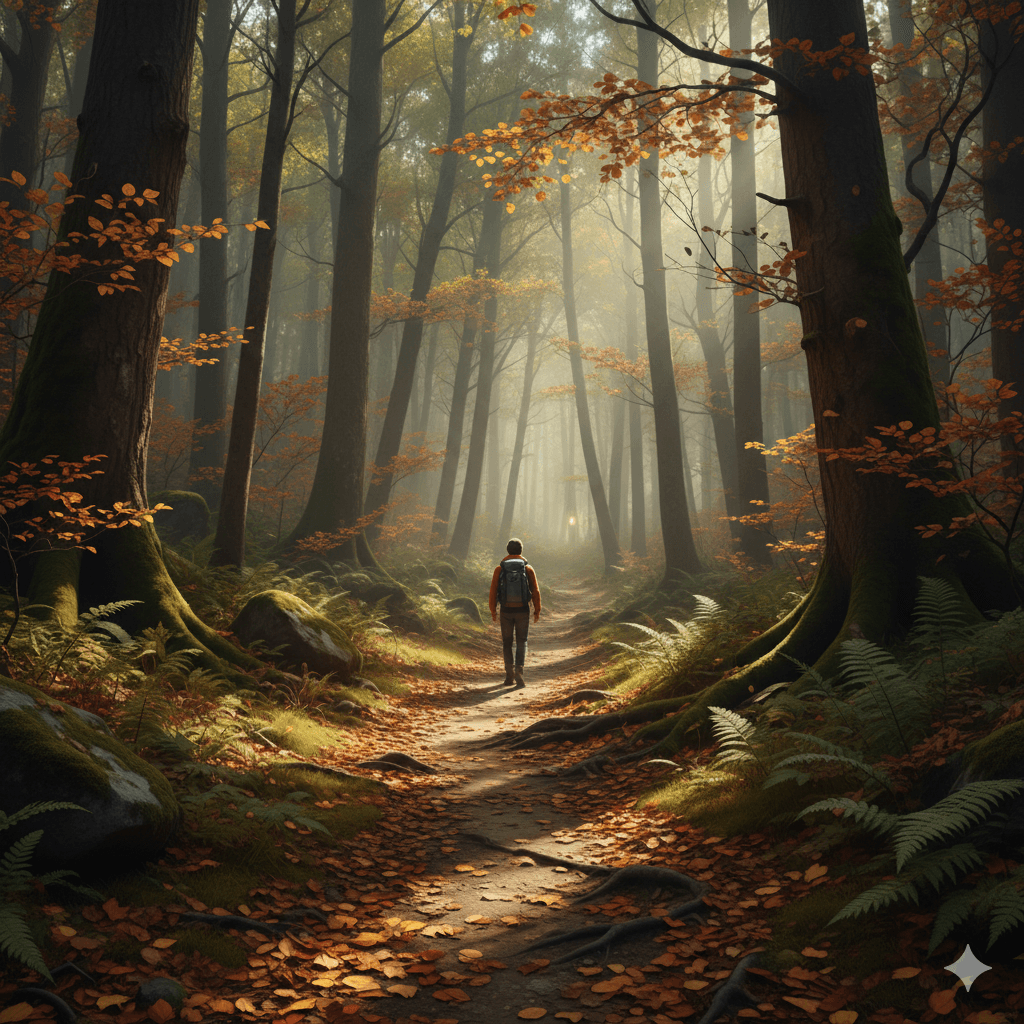
Photo Prompt 1: A Path Leading Into a Forest
A forest path encourages students to imagine a journey filled with possibilities. They may picture a character entering the woods with excitement, fear, or determination, allowing them to explore themes like courage, discovery, or mystery. Students can describe the shifting atmosphere, the sound of leaves underfoot, or how light changes as the character moves deeper. This prompt helps them develop strong mood setting, imagery, and narrative development. It also encourages them to build tension and anticipation, skills that enhance storytelling across genres.
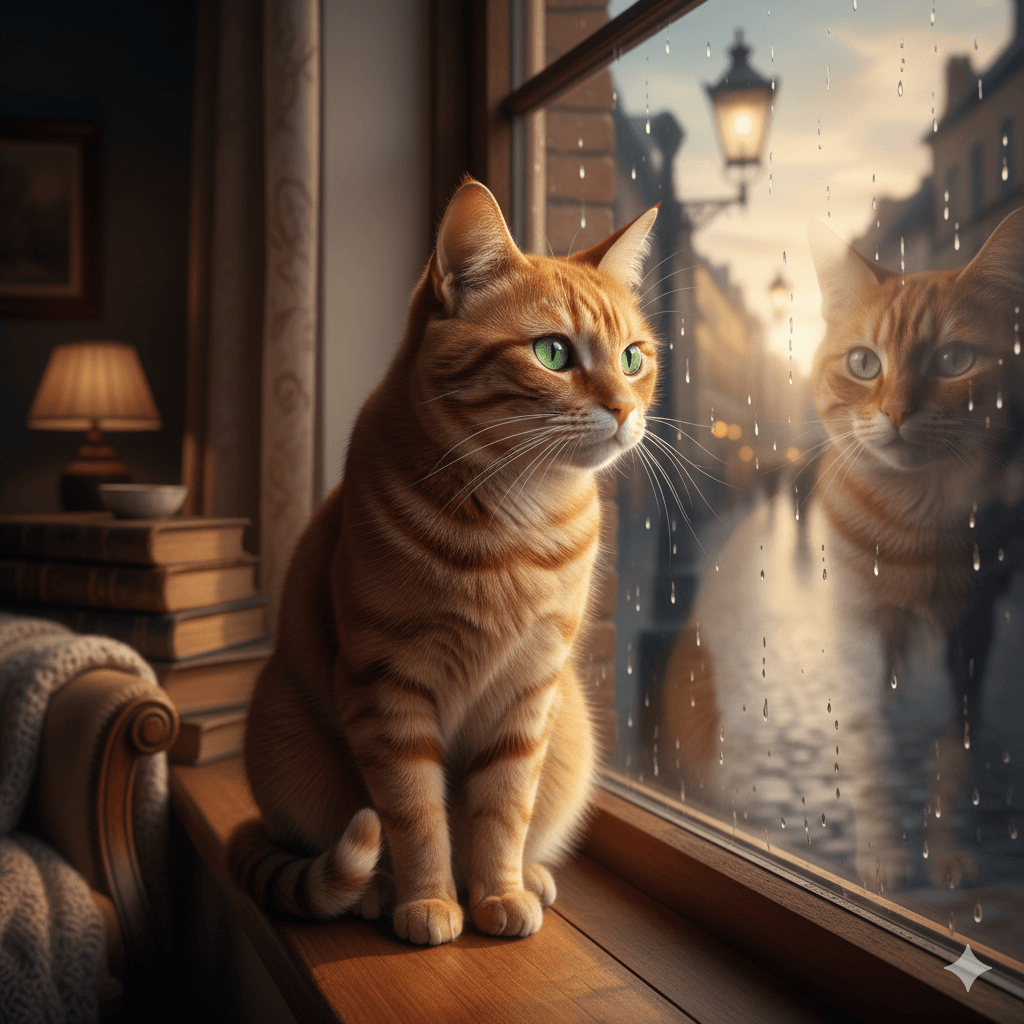
Photo Prompt 2: A Cat Staring Out of a Window
This prompt encourages students to explore emotions such as curiosity, longing, or hope. They can imagine what the cat is watching, whether it is observing familiar surroundings or sensing something unexpected. Students can also reflect on how the cat feels and what it might be thinking, which helps them develop inner dialogue and emotional expression. This prompt is excellent for teaching reflective writing because it encourages children to connect environment and emotion in a natural, engaging way.
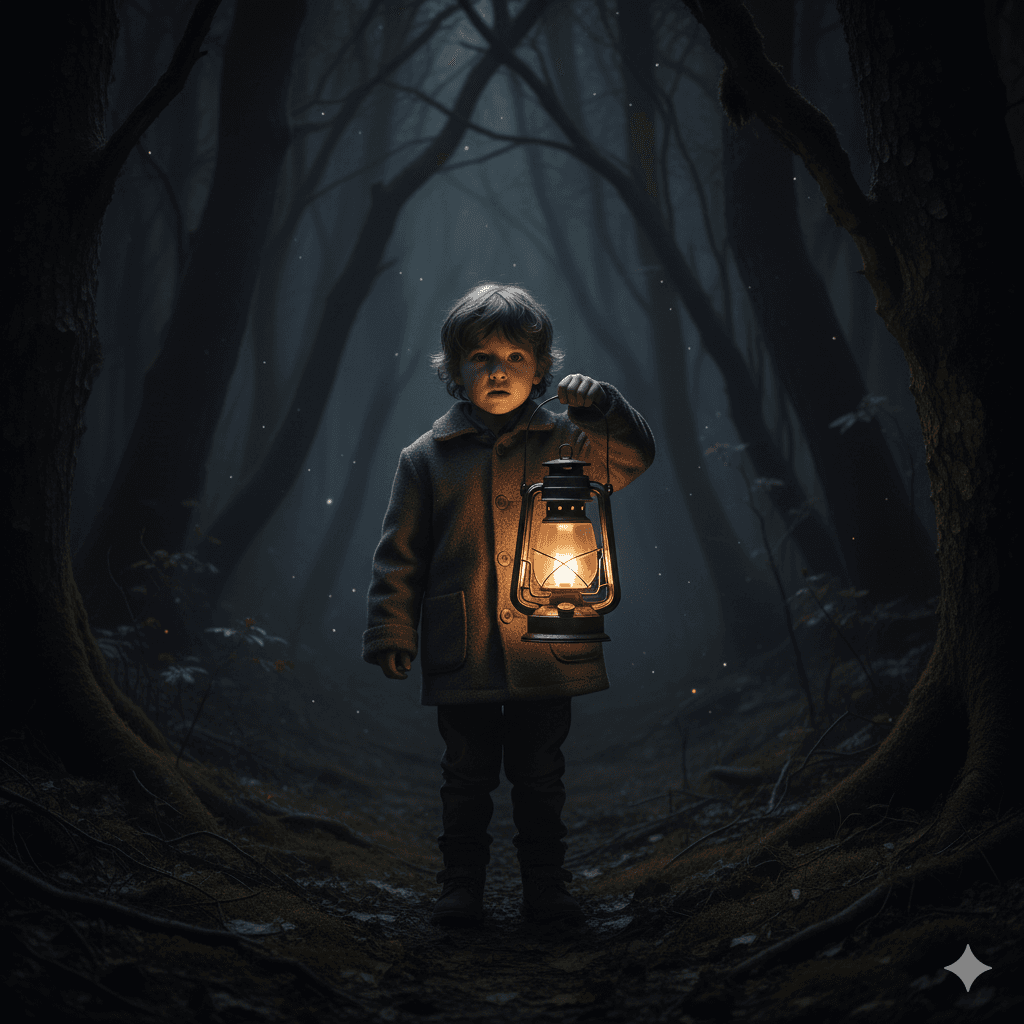
Photo Prompt 3: A Child Holding a Lantern in the Dark
This image creates instant atmosphere and helps students practice suspense driven writing. They can describe the soft glow of the lantern, the way shadows move around the child, and the unknown environment they are exploring. This prompt encourages sensory based writing, where students pay attention to sound, light, texture, and emotion. It also helps them build tension by imagining what lies just beyond the lantern's reach, guiding them to write more expressive and emotionally engaging stories.
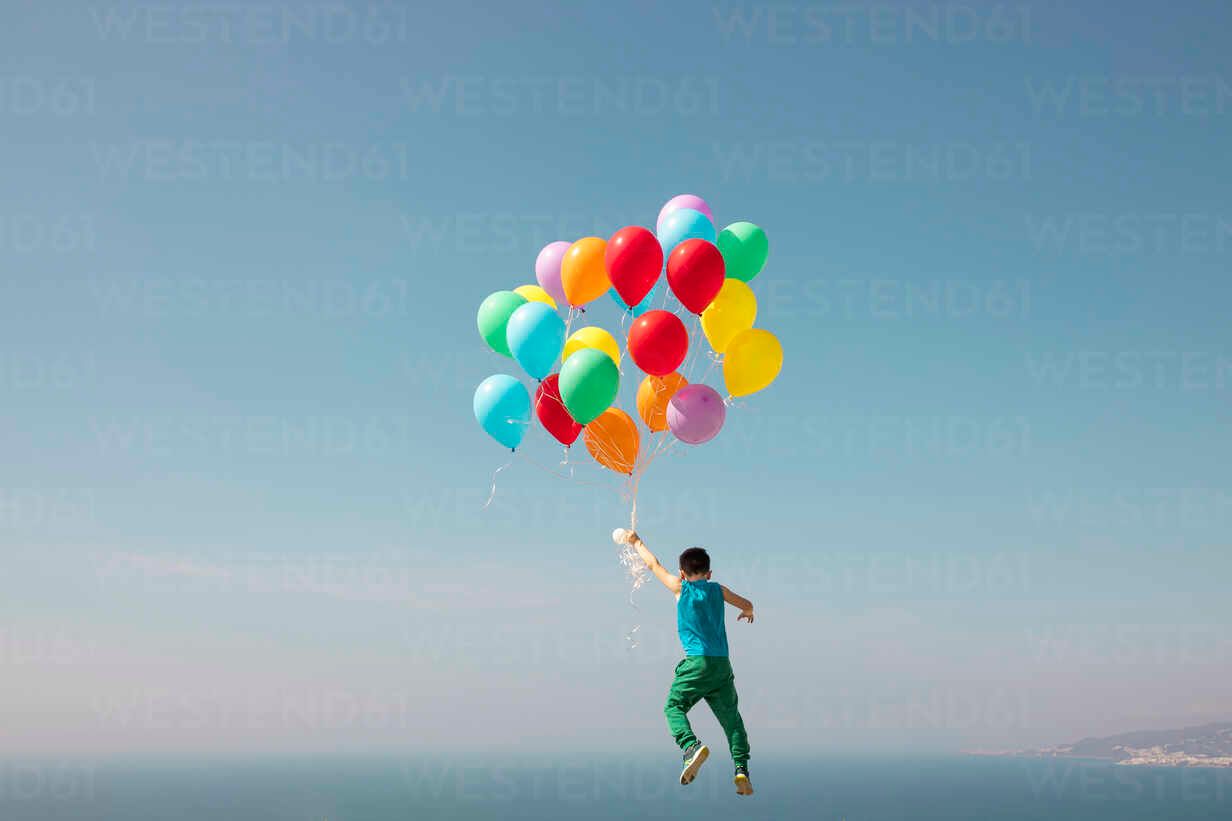
Photo Prompt 4: A Balloon Floating Into the Sky
A balloon rising into the sky opens the door to symbolic and emotional storytelling. Students may imagine who released the balloon and why it holds meaning. It can represent freedom, dreams, messages, or even a moment of letting go. The upward movement encourages students to write with a sense of motion and direction. They can describe how the balloon drifts, what it might pass over, and how the person watching feels as it disappears. This prompt helps students blend description, symbolism, and emotion into a single narrative.
picture writing prompts.
Academic Writing Practice with Picture Prompts
Picture prompts also support essential academic writing skills that students apply across subjects. These prompts help children strengthen logical thinking, analytical reasoning, expressive vocabulary, and structured communication. By working with images, students learn how to interpret information, organize ideas, and express insights clearly, making picture prompts a powerful tool beyond creative writing.
Sequence Writing
Sequence writing teaches students how to think in order by examining the moment captured in the picture and identifying what may have occurred before and what could logically happen afterward. This helps students understand cause and effect and strengthens their ability to build structured paragraphs with clear progression. When students practice sequencing regularly, they learn how to connect ideas smoothly, avoid abrupt transitions, and create narratives or explanations that make sense from beginning to end.
Compare and Contrast
Compare and contrast activities help students build deeper observation and analytical thinking. When working with two different images, they learn to identify variations in mood, setting, character behavior, or overall tone. This type of analysis not only strengthens attention to detail but also prepares students for academic tasks such as essays, research writing, and thematic comparison. They develop the ability to express differences and similarities clearly, using organized reasoning and precise vocabulary.
Descriptive Writing
Picture prompts guide students to use well chosen sensory vocabulary to describe what they see. They practice writing paragraphs that capture colours, textures, movement, atmosphere, and emotion, helping the reader visualize the scene. This improves clarity and expressive accuracy, while also expanding descriptive vocabulary. Over time, students become more confident in writing vivid, engaging descriptions across all subjects, from English assignments to science observations.
Interpretive Writing
Interpretive writing encourages students to think beyond the visible details and uncover the deeper meaning behind a picture. They learn to infer themes, emotions, motivations, or symbolic elements by analyzing visual clues and expressing thoughtful interpretations. This builds higher order reasoning and helps students articulate ideas with purpose and clarity. Writing with picture prompts becomes a way to strengthen critical thinking, improve reflection skills, and build the confidence to communicate complex ideas.
Join PlanetSpark to help your child speak and write with clarity and confidence.
Steps to Use Picture Writing Prompts Effectively
A structured method helps students turn images into meaningful stories. When children follow clear steps, they learn how to look beyond the surface of a picture and build narratives that are organized, expressive, and engaging. This approach reduces hesitation, boosts creativity, and teaches students how to transform visual information into well-developed writing.
Step 1: Observe Closely
Students begin by examining every detail in the picture, noticing expressions, objects, colours, weather conditions, and background elements. This level of careful observation helps them understand the mood of the scene and identify important clues that can shape their story. When students learn to look slowly and intentionally, they develop the ability to create richer descriptions and more accurate settings. Close observation also encourages curiosity, allowing them to uncover hidden details they can weave into their narrative.
Step 2: Ask Guiding Questions
After observing the picture, students ask essential questions such as who the characters are, what is happening, why it is happening, and what might happen next. These guiding questions help them interpret the image and build the foundation of their story. Thinking in this structured way supports logical storytelling and prevents random or disconnected ideas. It also strengthens critical thinking as students consider motivations, consequences, and possible outcomes. Guiding questions turn a simple picture into a story full of depth and direction.
Step 3: Plan the Story
Planning is where students turn their ideas into a clear outline. They decide how the story will begin, what problem or conflict will take place, and how it will end. This step keeps their writing focused and prevents them from drifting off track. When students plan before writing, they develop strong narrative flow and avoid gaps that make stories feel incomplete. This habit also helps them write faster and with more confidence because they already know the direction their story will take.
Step 4: Add Descriptive Details
Once the structure is ready, students bring their story to life through sensory details and expressive vocabulary. They describe what characters see, hear, smell, feel, or think to create vivid scenes that feel real to the reader. Strong verbs and precise adjectives help build atmosphere and emotion, turning simple moments into meaningful experiences. This step makes the writing engaging and immersive, helping students transform prompt pictures for writing into expressive narratives that show rather than tell.
Step 5: Review and Refine
The final step is revision. Students read their story again to check clarity, flow, grammar, transitions, and descriptive strength. They improve sentences, add missing details, and remove unnecessary information. Reviewing teaches students that writing is a process and that polishing their work leads to stronger expression and better communication. This step builds writing discipline and ensures that the final story feels complete, coherent, and well structured.
Enroll now at PlanetSpark to build confident speaking and writing skills that last a lifetime.
Sample Picture Writing Prompts with Short Story Outlines
These examples show students how a single image can inspire a complete story.
A Boy Sitting Alone on a Bench
Beginning: The boy is waiting
Conflict: He worries the person will not arrive
Resolution: A surprise visitor appears and changes his day

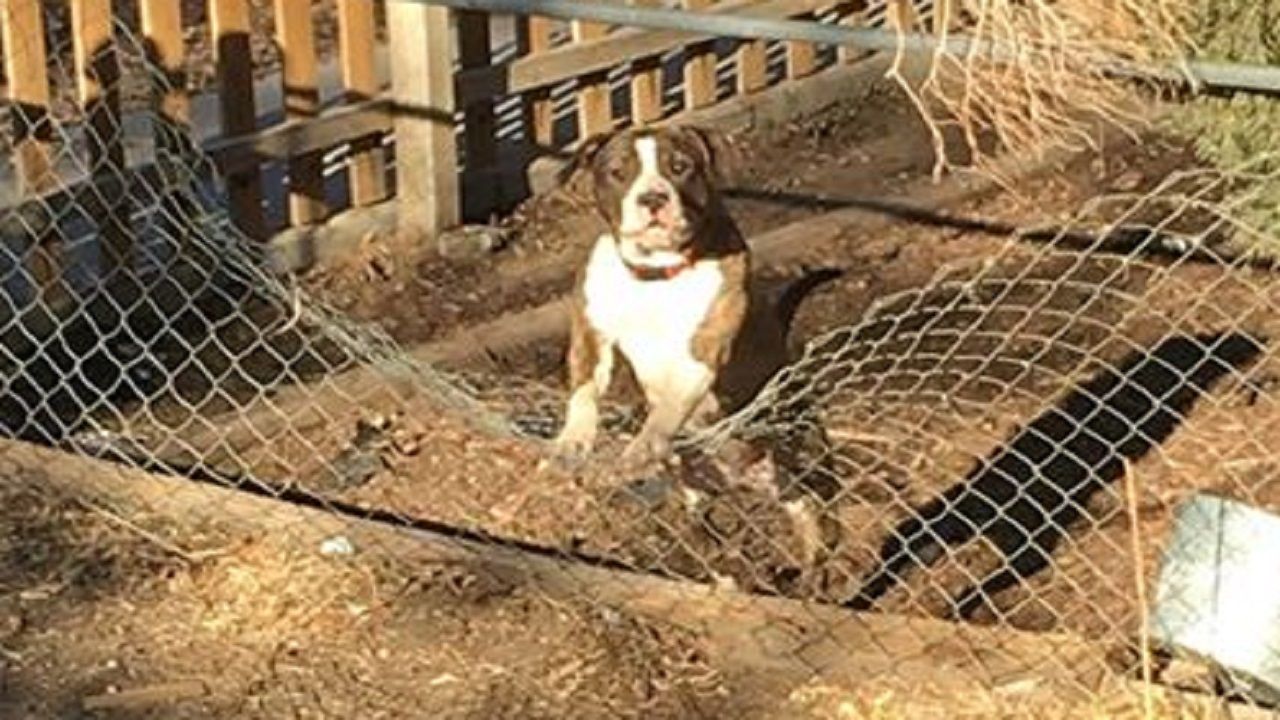
A Dog Standing Near a Broken Fence
Beginning: The dog senses something strange
Conflict: It follows clues to find what is missing
Resolution: It solves a small neighborhood problem
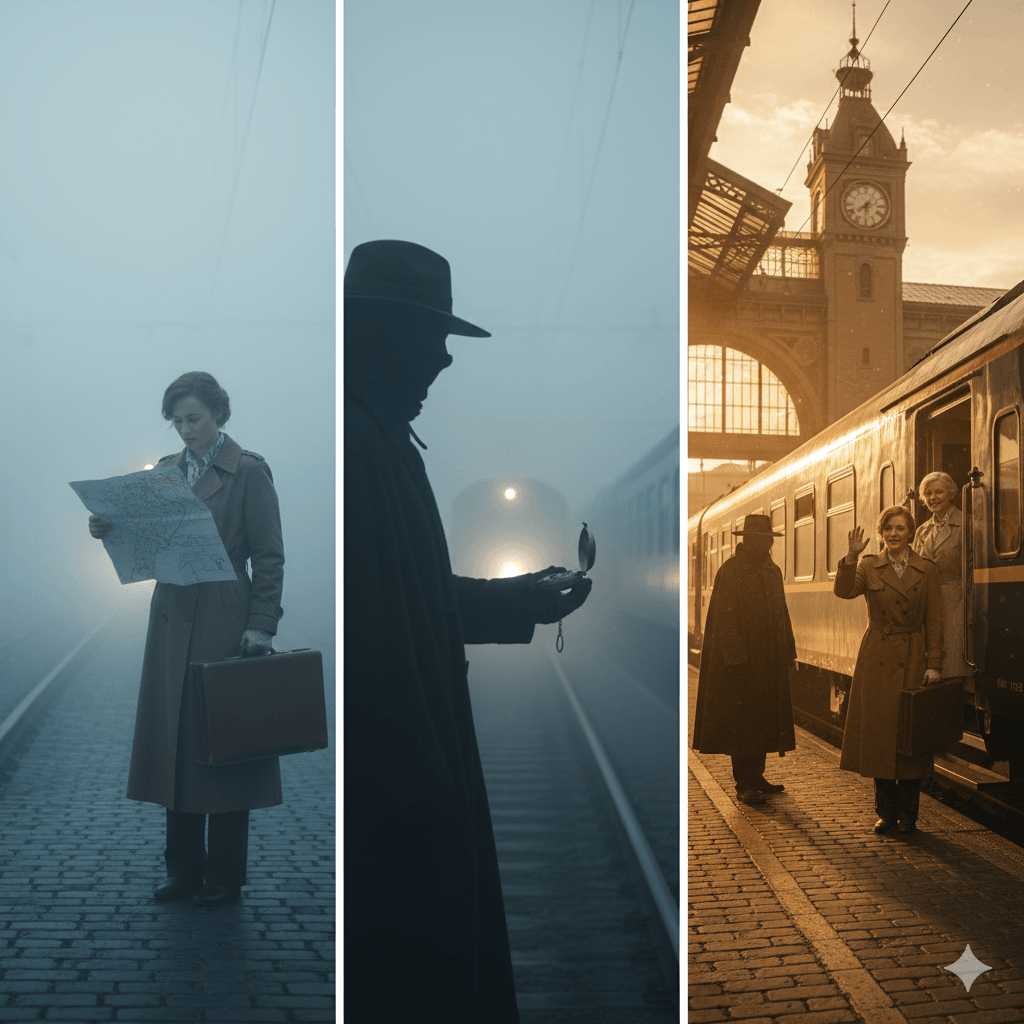
A Train Arriving at a Foggy Station
Beginning: A traveler searches for something important
Conflict: They meet someone mysterious
Resolution: The fog clears and the truth appears
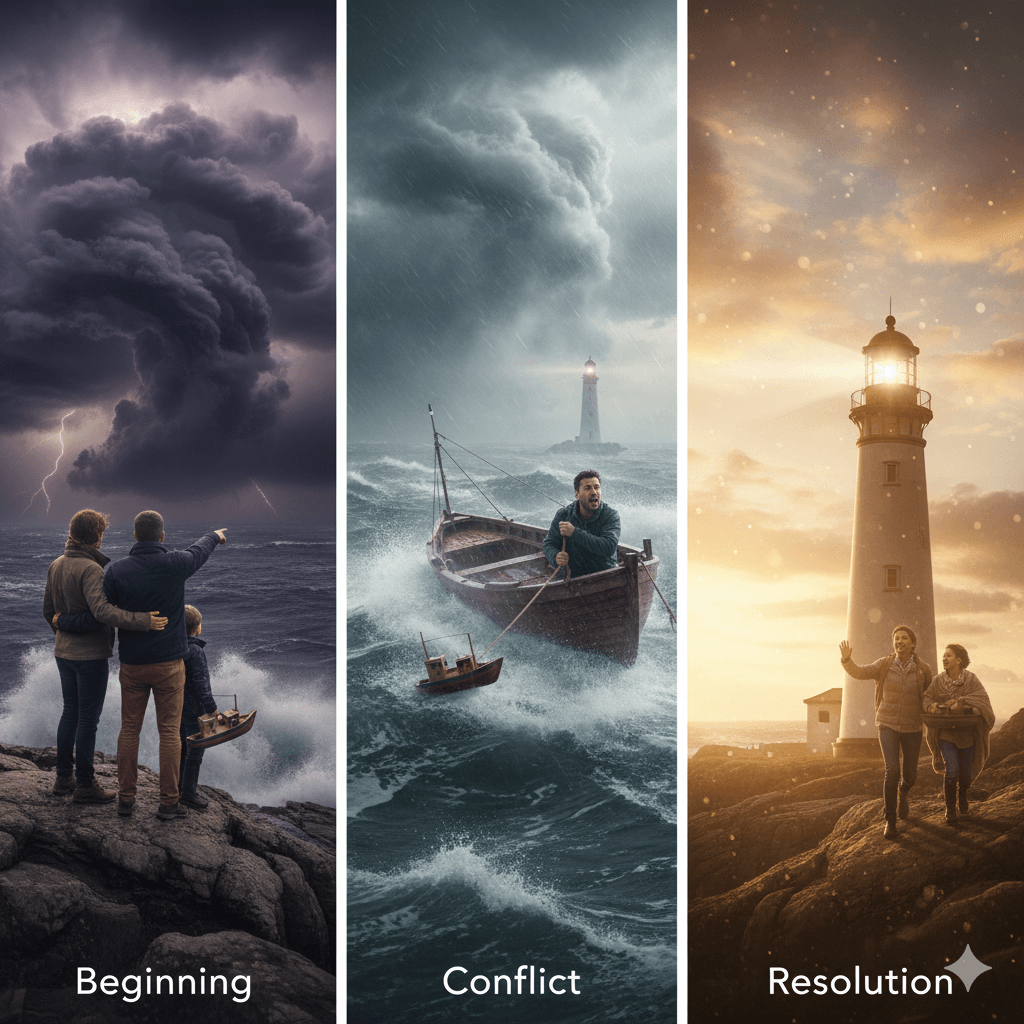
A Lighthouse in a Storm
Beginning: A family sees the storm approaching
Conflict: Someone is lost at sea
Resolution: The lighthouse helps bring them to safety
About PlanetSpark
PlanetSpark transforms how children learn to communicate with confidence. Through live 1:1 sessions, expert mentors and immersive speaking activities, learners develop clarity, confidence and expression. Every session is designed to help students speak effectively, listen attentively and connect meaningfully in real conversations.
1:1 Expert Coaching
Students receive focused guidance on voice, tone and articulation from certified communication coaches.
Real-World Speaking Practice
Interactive debates, storytelling sessions and discussions enable learners to apply communication skills in real time.
Video Feedback and Analysis
Learners review their recorded performances with mentors to refine body language, gestures and delivery.
Leadership and Expression Focus
Each lesson helps students build stage confidence, emotional awareness and authentic self-expression.
Continuous Growth Tracking
Progress is consistently measured through performance insights that strengthen communication at every level.
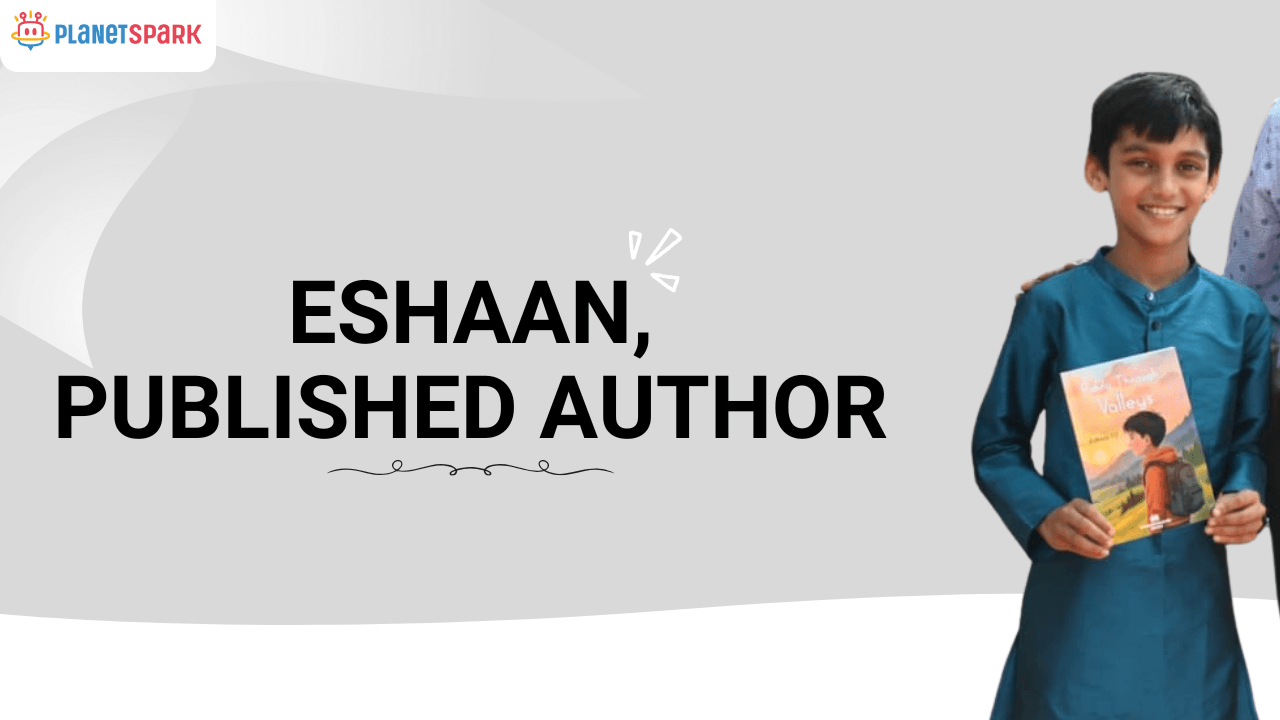
Eshaan’s Journey: From Classroom Creator to Published Young Author
Eshaan, a dynamic Grade 7 learner aged 12, has taken a remarkable leap—he has officially become a published author. What began as a simple classroom writing activity evolved into a captivating storybook that reflects his creativity, discipline and growing command over language. With consistent practice and a strong drive to express ideas clearly, Eshaan transformed everyday writing tasks into a meaningful literary achievement.
His journey beautifully captures what picture writing prompts can unlock for young writers. By observing visuals, imagining possibilities, and shaping those ideas into structured stories, students like Eshaan learn to express themselves with confidence. His published book is a powerful reminder that a single prompt can become the spark for an entire creative journey.
Final Thoughts
Picture writing prompts help students develop storytelling confidence, descriptive precision and imaginative thinking. Visual prompts give children a starting point that feels concrete and accessible, making it easier for them to generate ideas without the pressure of thinking from scratch. As they learn to observe colours, expressions, objects and settings, students begin to understand how small visual details can shape a compelling narrative.
When children learn to observe images carefully and turn visual cues into structured narratives, they strengthen creativity and writing fluency. They become more skilled at organizing thoughts, planning story structure and choosing vocabulary that matches the mood of the picture. This process also builds critical thinking by encouraging students to look beyond the obvious and explore hidden possibilities, emotions and storylines within the image.
With regular practice and thoughtful guidance, picture prompts become a powerful tool for improving both academic writing and creative expression. Students learn to write with more clarity, coherence and confidence, whether they are crafting descriptive paragraphs, developing characters or analyzing visual themes. Over time, this practice helps children build a strong foundation in writing that supports success in schoolwork, creative projects and future communication skills.
Join now with PlanetSpark to improve Spoken English fluency and confidence.
Frequently Asked Questions
Picture writing prompts are images used as inspiration to help students create stories, descriptions, or reflections. They encourage observation, imagination, and structured thinking by giving children a visual starting point. This makes writing easier, especially for students who struggle to generate ideas independently.
Picture prompts improve writing by helping students notice details, think creatively, and organize ideas in a logical sequence. They strengthen descriptive writing, support vocabulary growth, and help students develop clearer story structures. Using visuals also reduces hesitation and motivates students to write more confidently.
Picture prompts are useful because they support diverse writing tasks such as sequencing, descriptive paragraphs, compare and contrast activities, and interpretive writing. They engage students visually and make writing lessons more interactive. Teachers can use them to develop critical thinking, creativity, and communication skills.
Images with clear actions, strong emotions, interesting settings, or mysterious elements work best. Action scenes create tension, landscapes encourage sensory writing, people-focused images help with character development, and unusual pictures spark fantasy or mystery stories. Each type supports a different writing style.
Students start by observing the image closely, asking guiding questions, and planning a simple beginning, conflict, and ending. They then add sensory details, choose expressive vocabulary, and revise for clarity. Following a step-by-step process helps them convert visual cues into a well-structured narrative.
Picture prompts support academic skills by improving sequencing, analysis, descriptive precision, and interpretive thinking. They help students practice organizing ideas, explaining meaning, and using stronger vocabulary. These skills contribute directly to better essay writing, comprehension, and overall communication abilities.