
Master Plot Twists in Creative Writing | PlanetSpark
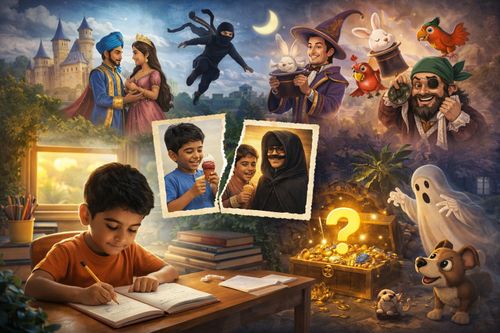

Stories become truly engaging when they surprise the reader at the right moment. A well-crafted twist can completely change how a story is understood, making it more memorable and impactful. Learning to use plot twists effectively helps young writers create narratives that keep readers curious and emotionally invested until the very end.
At PlanetSpark, children are guided to explore storytelling through structured lessons and creative exercises. With personalised mentoring and interactive sessions, they learn how to build engaging stories, develop original ideas, and use powerful twists that make their writing stand out confidently.
What Is a Plot Twist?
A plot twist is an unexpected turn in a story where a shocking event occurs or hidden information is revealed, changing the way the audience understands what is happening. It works by first guiding readers toward one expectation and then suddenly shifting that expectation through a new development.
A strong plot twist usually has three key qualities:
- It feels believable within the logic of the story
- It catches the audience off guard
- It is often subtly foreshadowed through earlier clues or hints
Plot twists are especially common in mystery, thriller, and suspense stories, where surprise plays a major role. But they are not limited to those genres alone. From romance to drama to fantasy, a well-crafted twist can strengthen almost any story, which brings us to.
Types of Plot Twists You Must Know
Understanding different types of twists helps young writers experiment with storytelling and discover what makes a narrative exciting. Each technique adds a unique layer of surprise and depth, allowing children to create more engaging and imaginative twisted plots that capture attention effectively.
Hidden Identity Twist
In this twist, a character’s true identity is revealed later in the story, changing everything the reader believed earlier. It works well in mystery and adventure stories where secrets slowly unfold. When used effectively, it creates a strong moment of surprise and makes readers rethink earlier events with a new perspective.
Unreliable Narrator
Here, the storyteller is not completely truthful, either intentionally or unknowingly. Readers trust the narrator until the truth is revealed, creating a shocking realisation. This type of twist encourages critical thinking and adds complexity to storytelling by showing that perspectives can be misleading.
Help your child turn simple stories into exciting narratives with surprising endings. When children understand the art of plot twists, storytelling becomes more engaging and creative. Start building their writing skills today.
Red Herring
A red herring introduces false clues that distract the reader from the real outcome. It is commonly used in detective and mystery stories to build suspense. By leading readers in the wrong direction, this technique makes the final revelation more surprising and satisfying.
Time Twist
A time twist changes how events are understood by revealing that the story’s timeline is not straightforward. This can involve flashbacks, time jumps, or unexpected connections between past and present events. It helps writers create layered narratives that feel more dynamic and intriguing.
Reversal Twist
In this twist, the situation suddenly changes direction, often turning success into failure or revealing unexpected outcomes. It challenges reader expectations and adds excitement to the story. A well-placed reversal can make the narrative more unpredictable and engaging.
Poetic Justice
This twist gives characters outcomes that reflect their actions, often in an unexpected way. It creates a sense of balance in the story, where good is rewarded, and wrongdoing leads to consequences. When combined with a strong twist of plot, it leaves a lasting emotional impact on the reader.
Now that you understand the different types of twists, the next step is learning how to create them effectively so your stories feel surprising, meaningful, and well-structured.
How to Create Powerful Plot Twists?
Creating an effective twist is not just about surprising the reader. It requires thoughtful planning, creativity, and a clear understanding of storytelling structure. Strong plot twists in storytelling combine logic, emotion, and timing to leave a lasting impression on the reader.
Build Expectations First
Before introducing a twist, you need to guide readers toward a certain belief. This builds anticipation and makes the eventual surprise more impactful. When readers feel confident about what will happen next, the twist becomes more powerful and memorable.
Plant Breadcrumbs (Foreshadowing):
Foreshadowing involves placing subtle hints throughout the story that point toward the twist. These clues should not be obvious but should make sense once the twist is revealed. This technique ensures that the twist feels earned rather than random.
Strategic Misdirection:
Misdirection helps you lead readers toward the wrong conclusion. By focusing attention on misleading details, you can hide the real outcome effectively. This keeps readers engaged and makes the twist more surprising when the truth is revealed.
Turn everyday writing practice into a creative learning experience. PlanetSpark helps children build storytelling confidence through guided mentoring and structured lessons. Start with a free trial class today.
Work Backward:
A useful technique in plot twisting is to decide the twist first and then build the story around it. This helps maintain consistency and ensures that all events logically support the final reveal. It also makes planning easier for young writers.
Avoid Clichés:
Predictable twists can reduce the impact of your story. Instead of using overused ideas, encourage original thinking and creativity. Unique twists make stories stand out and keep readers interested from beginning to end.
Focus on Character:
A strong twist often comes from character decisions and motivations. When readers understand a character deeply, the twist feels more meaningful. Character-driven twists also add emotional depth and make the story more relatable.
Keep It Logical
Even the most surprising twist should make sense within the story. Readers should be able to look back and see how everything connects. Logical storytelling builds trust and strengthens the overall narrative.
Add Emotional Impact
A powerful twist is not just surprising, it is emotionally engaging. Whether it creates joy, shock, or sadness, the twist should leave a strong impression. When emotions are involved, the story becomes more memorable and impactful.
Once you understand how to craft effective twists, applying a clear method can make the process easier. A structured approach helps you organise ideas and create more engaging stories.
Step-by-Step Method to Write a Plot Twist
Writing a compelling twist becomes easier when you follow a clear and organised process. This approach helps young writers plan their stories effectively and use plot twists in a way that feels natural, engaging, and impactful.
Step 1: Start with a Clear Story Idea
Begin by deciding your main storyline, characters, and setting. A strong foundation makes it easier to build towards a meaningful twist. When your story idea is clear, the twist feels more connected and purposeful.
Step 2: Decide the Twist Early
Plan your twist before you start writing the full story. Knowing the ending helps you shape the plot in a way that supports the final reveal. This also prevents confusion and keeps your story consistent.
Step 3: Add Clues
Include small hints throughout the story that point toward the twist. These clues should not give away the ending but should make sense once the twist is revealed. This technique improves the plot twist meaning and makes the story more satisfying.
Step 4: Build Suspense
Keep readers curious by gradually increasing tension in the story. Use interesting events, questions, and conflicts to hold attention. A strong build-up makes the twist feel more exciting and impactful when it finally appears.
Step 5: Reveal the Twist
Present the twist at the right moment, usually near the climax or ending. Make sure the reveal is clear and meaningful, so readers understand its importance. A well-timed twist can turn a simple story into one of the most memorable plot twist short stories.
After learning the process of building twists, exploring real examples can help you understand how these techniques work in practice and inspire you to create your own engaging stories.
Discover practical techniques and plot twists examples that make stories unforgettable. With the right storytelling methods, children can write more engaging and imaginative stories. Encourage them to start practising today!
Popular Plot Twists Examples to Get an Idea From
Studying real stories helps young writers understand how twists are used effectively across different formats. These plot twists examples show how authors and filmmakers create surprise while maintaining logical storytelling and emotional impact.
The Sixth Sense
In this famous film, a young boy communicates with spirits, and a psychologist helps him cope. Throughout the story, the psychologist appears to interact with others normally. However, the twist reveals that he has been dead the entire time, and only the boy could see him. This completely changes how viewers interpret every previous scene.
Harry Potter Series
Severus Snape is portrayed as a suspicious and often negative character throughout the series. Readers are led to believe he is against Harry. In the final parts, it is revealed that Snape had always been protecting Harry out of love and loyalty. This twist transforms his character and adds emotional depth to the entire story.
The Gift of the Magi
This classic short story follows a couple who each sacrifice their most valuable possession to buy a gift for the other. In the end, their gifts become useless because of their sacrifices. The twist highlights love and selflessness, making it one of the most memorable twisted plots in short storytelling.
Fight Club
The story follows a man who forms an underground fight club with a charismatic partner named Tyler Durden. As events unfold, it is revealed that Tyler is not a separate person but a projection of the narrator’s mind. This twist forces viewers to rethink the entire narrative and the character’s actions.
Gone Girl
A woman goes missing, and her husband becomes the prime suspect. The story initially presents him as guilty through various clues and media pressure. However, the twist reveals that the wife has planned her disappearance to frame him. This unexpected shift turns the story into a psychological thriller driven by manipulation and control.
While examples provide clarity, consistent practice and expert guidance are essential to truly master storytelling. With the right support, children can confidently apply these techniques and improve their creative writing skills.
How PlanetSpark Helps You Master Plot Twists?
Learning to write engaging stories requires more than just understanding concepts. Children need regular practice, structured guidance, and feedback to apply techniques effectively. Mastering plot twists in storytelling involves developing creativity, understanding story structure, and learning how to build suspense. With the right environment, young writers can gradually improve their ability to create meaningful and surprising narratives.
PlanetSpark provides a well-designed learning platform where children can develop these skills step by step. Through personalised mentoring, interactive sessions, and guided exercises, they learn how to build stories, organise ideas, and create impactful twists. The focus is on consistent improvement, helping children gain confidence in expressing their ideas creatively.
Creative Writing Practice
Children practise writing regularly through structured assignments that focus on storytelling techniques. These exercises help them experiment with ideas and improve their ability to create engaging narratives with effective twists.
Storytelling Techniques Training
Students learn different storytelling methods that help them structure their stories better. This training enables them to understand how to build suspense, develop characters, and create strong twists.
1:1 Personal Mentoring
Each child receives personalised attention from expert trainers who guide them based on their learning pace. This ensures focused improvement and helps them overcome specific challenges in writing.
Real-Time Feedback
Trainers provide immediate and detailed feedback on each task. This helps children identify areas of improvement and refine their storytelling skills effectively.
Interactive Learning Tools
PlanetSpark uses tools like SparkX for AI feedback and Spark Diary for writing practice. We have AI-led sessions, gamified modules for skill-building, and Sparkline for sharing stories, making learning interactive and structured.
Conclusion
Mastering plot twists can transform simple stories into engaging and memorable narratives. By understanding different techniques and practising structured methods, young writers can learn to create stories that surprise readers while maintaining clarity and logical flow.
Build strong storytelling skills and creative confidence step-by-step. With expert mentors and interactive tools, PlanetSpark helps children master plot twists in storytelling. Book a free class and begin today!
PlanetSpark provides the right environment for children to develop these skills through guided learning and consistent practice. With expert mentoring and interactive tools, it helps young writers build confidence and improve their storytelling abilities effectively.
Frequently Asked Questions
A believable twist requires proper build-up, logical connections, and subtle hints throughout the story. Strong plot twists in storytelling feel surprising but make sense when readers reflect on earlier events.
A twist usually works best near the climax or ending of a story. In plot twist short stories, placing it at the end creates maximum impact and leaves readers thinking about the story.
A good twist surprises readers without confusing them. If your twist feels logical and connects well with earlier clues, it works effectively. Testing your story with others can help confirm its impact.
Too many twists can confuse readers and reduce the overall impact. In twisted plots, one or two strong twists are usually more effective than multiple weak or unnecessary surprises.
PlanetSpark offers one-on-one mentorship, personalized lesson plans, and guided exercises. Students gain structured feedback, practice with AI tools, and participate in contests to boost writing skills and confidence.
You can enrol by booking a free trial class on the PlanetSpark. This session helps you understand the course structure before starting a personalised creative writing programme for your child.