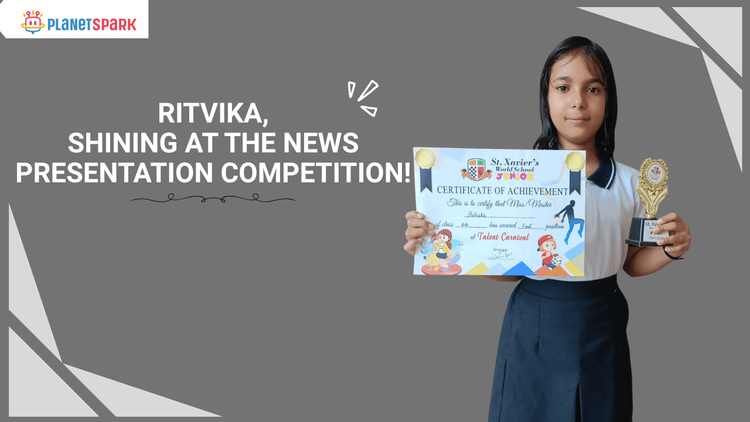
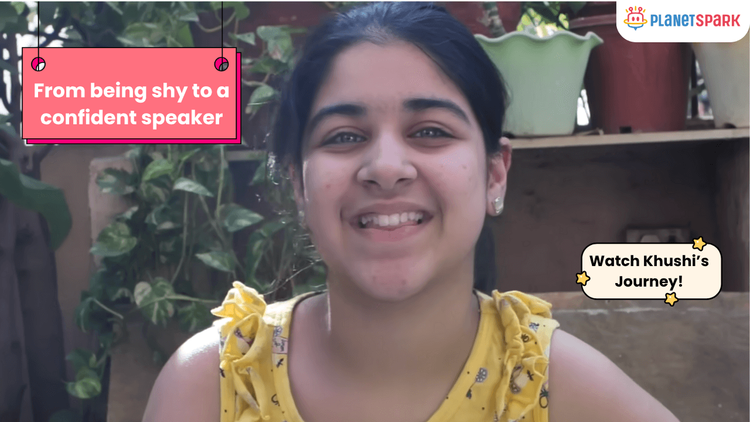
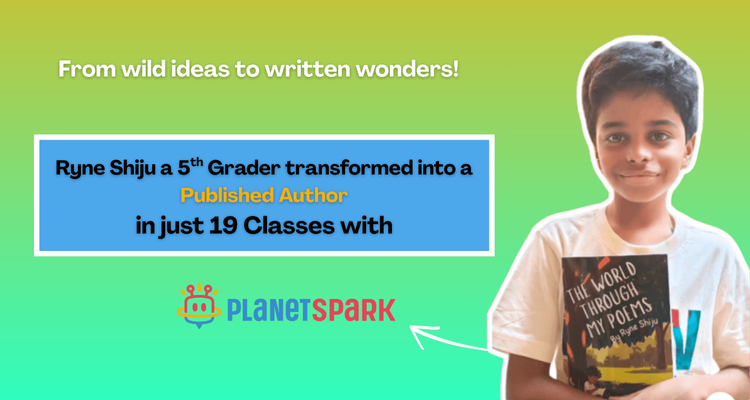
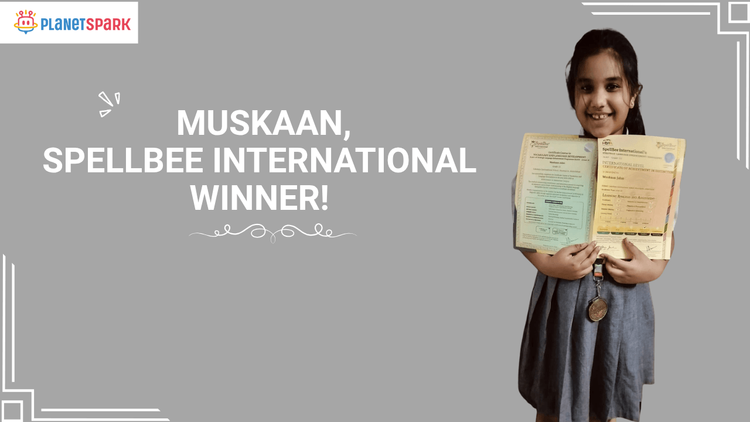
Real-World Storytelling
Storytelling helps learners connect ideas with emotions, making communication more engaging and memorable. In school, storytelling supports better answers, creative assignments, and confident presentations for kids and students. In the workplace, storytelling helps professionals explain ideas, share experiences, and communicate messages clearly during meetings and presentations. Real-world storytelling also improves business communication by turning information into meaningful narratives that people can understand and remember. By practising storytelling regularly, learners of all ages develop stronger writing skills, improve presentation skills, and communicate more effectively in everyday life and career situations.
Writing Skills That Support Strong Presentation Skills
Writing skills play a key role in helping learners deliver clear and confident presentations. When ideas are written well, they are easier to explain, remember, and present effectively. This applies to both kids preparing class presentations and adults speaking in professional or workplace settings.
How writing skills improve presentation skills:
Better idea organisation
Writing helps structure thoughts in a clear beginning, middle, and end.
Clear and confident expression
Practising written communication improves word choice and clarity while speaking.
Stronger storytelling
Writing builds the ability to share ideas through stories that engage the audience.
Improved confidence
Knowing what to say reduces hesitation during presentations.
Effective workplace communication
For adults, writing supports professional presentations, meetings, and business communication.
By strengthening writing skills, learners develop presentation skills that are clear, engaging, and effective in school, work, and real-life communication.
Practical Writing Examples for Real-Life Communication
Practical writing helps learners understand how writing skills are used beyond practice exercises. When kids and adults see real-life examples, they learn how to adjust language, tone, and structure for different situations. These examples show how creative writing supports clear written communication, workplace communication, and everyday expression.
Examples of writing used in real life:
School communication
Writing short answers, essays, emails to teachers, and project explanations.
Everyday communication
Messages, notes, invitations, and personal reflections written clearly and politely.
Workplace communication
Emails, reports, meeting summaries, and professional messages with clear intent.
Story-based communication
Sharing experiences or ideas through storytelling in presentations or discussions.
Career communication
Writing profiles, proposals, and explanations that support professional growth.
By practising these real-life writing examples, learners improve clarity, confidence, and purpose in communication. Over time, writing becomes a practical skill that supports academics, careers, and everyday interactions.
Turning Writing Practice into a Life Skill
Writing becomes a life skill when learners use it consistently to think, express, and communicate clearly. For kids, regular writing practice builds confidence and helps them share ideas in school and everyday conversations. For adults, it supports professional growth by improving workplace communication, presentation skills, and business storytelling. When writing is practised, reviewed, and applied in real situations, it moves beyond creativity and becomes a practical tool for learning, problem-solving, and decision-making. Over time, strong writing skills help learners communicate effectively, adapt to different situations, and succeed in both personal and professional life.
Building Confidence and Clear Expression Through Writing
Writing helps learners gain confidence by giving them a safe space to organise thoughts and express ideas clearly. For kids, regular writing practice reduces hesitation and encourages them to share opinions without fear. For adults, writing improves clarity, tone, and control in professional and everyday communication. As learners continue to write, revise, and apply feedback, they become more comfortable with written communication, storytelling, and presentations. Over time, this confidence reflects in how they speak, write, and interact in school, work, and real-life situations, making writing a powerful tool for clear and effective expression.
Stories That Shine at PlanetSpark