PlanetSpark Logo
Practice, Feedback & Real-World Application in Creative Writing

Practice, Feedback & Real-World Application in Creative Writing

Build writing skills through consistent practice, meaningful feedback, and real-world communication

What Is Practice, Feedback, and Real-World Application in Creative Writing?

Practice, feedback, and real-world application together form the learning cycle of creative writing. This cycle helps writers of all ages move from having ideas to using writing confidently in school, work, and everyday communication.

For kids, this means learning how to express thoughts clearly and enjoy writing without fear. For adults and professionals, it means improving writing skills so ideas sound clear, purposeful, and engaging in emails, presentations, and workplace communication.

Practice in creative writing

Practice is the act of writing regularly. It can be short stories, simple sentences, journals, or professional drafts. Writing practice helps learners:

  • organise thoughts

  • improve vocabulary and sentence structure

  • gain fluency and confidence

  • strengthen written communication skills

Regular practice turns writing from a difficult task into a comfortable habit.

Feedback in writing

Feedback is guidance that helps writers understand what is working and what can be improved. Feedback can come from teachers, parents, peers, or mentors.

Good feedback:

  • explains mistakes clearly

  • highlights strengths

  • suggests simple improvements

  • encourages growth instead of fear

For kids, feedback builds motivation. For adults, it sharpens clarity, tone, and professional expression.

Real-world application of writing skills

Real-world application means using writing beyond practice exercises. This includes:

  • school assignments and exams

  • storytelling and presentations

  • emails, reports, and workplace communication

  • business storytelling and career communication

When learners apply writing skills in real situations, they understand why writing matters and how it supports success in academics, careers, and everyday life.

Writing Practice Routines 

Writing practice becomes effective when it matches the learner’s age, interest, and daily routine. For kids, writing should feel creative and enjoyable, helping them express ideas freely through short stories, picture descriptions, or simple journals. These activities build confidence, improve vocabulary, and strengthen early written communication skills without pressure. 

For adults, writing practice focuses more on clarity and purpose, such as drafting emails, summarising thoughts, or turning real experiences into short narratives. Across all age groups, consistent writing practice improves fluency, sharpens thinking, and supports stronger communication, presentation skills, and real-world storytelling. Over time, these routines turn creative writing into a practical skill that works in school, work, and everyday communication.

How Regular Writing Practice Improves Writing Skills

Regular writing practice helps learners of all ages become more confident and clear in expressing ideas. When kids write often, they develop vocabulary, sentence structure, and the ability to organise thoughts naturally. For adults, consistent writing improves clarity, tone, and purpose, which are essential for workplace communication and professional writing. Over time, writing practice strengthens fluency and reduces hesitation, making it easier to communicate ideas in assignments, emails, presentations, and business storytelling. By writing regularly, learners turn creative expression into a practical skill that supports academic success, career communication, and everyday written communication.

Drafting and Revision Made Simple for All Ages

Drafting and revision help writers understand that good writing is built step by step, not written perfectly at once. For kids, drafting encourages them to write ideas freely without worrying about mistakes, while revision gently teaches them how to add details, fix sentences, and improve clarity. For adults, drafting helps organise thoughts quickly, and revision sharpens tone, structure, and impact for professional writing and workplace communication. This simple process improves writing skills development by showing learners how to refine ideas, strengthen written communication, and prepare content for presentations, storytelling, and real-world use.

How to Use Feedback to Improve Writing Step by Step

Feedback becomes useful only when learners know how to apply it correctly. For both kids and adults, the goal is not to correct every mistake at once but to improve writing gradually. When feedback is used step by step, writing skills develop faster and with less frustration, leading to stronger written communication and clearer expression.

Step-by-step way to use feedback effectively:

  • Understand the feedback first
    Read or listen carefully to what is suggested instead of reacting immediately.

  • Focus on one improvement at a time
    Kids may work on spelling or sentence clarity, while adults may focus on tone or structure.

  • Rewrite using the feedback
    Apply suggestions directly to the draft to see visible improvement.

  • Compare before and after versions
    This helps learners notice progress and build confidence.

  • Practice again with the new learning
    Repeating the process strengthens writing habits and skill mastery.

Using feedback in this structured way helps learners turn guidance into action. Over time, it improves writing quality, supports presentation skills, and prepares writers to use storytelling and communication effectively in school, work, and real-life situations.

Writing Practice for School Learning and Personal Growth

Writing practice plays an important role in helping learners succeed in school while also supporting personal growth. For kids and students, regular writing improves understanding of subjects, strengthens answers in exams, and builds confidence in expressing ideas clearly. Activities like reflective writing, short essays, and creative responses help learners think independently and communicate better. For adults, writing practice supports self-expression, goal setting, and clear thinking, which are essential for personal and professional growth. Over time, consistent writing practice strengthens written communication skills, improves clarity, and helps learners use language effectively in both academic learning and everyday life.

Using Creative Writing in Everyday and Workplace Communication

Creative writing is not limited to stories or poems. It plays an important role in everyday communication and professional settings by helping people express ideas clearly and engagingly. For kids, creative writing improves the way they explain thoughts, share experiences, and communicate with confidence. For adults, it strengthens workplace communication by improving clarity, tone, and structure in emails, reports, and messages. Creative writing also helps professionals present ideas in a more relatable and persuasive way, which is valuable for teamwork, leadership, and business storytelling. When learners use creativity in real-life communication, writing becomes more meaningful, effective, and impactful across personal and professional situations.

Real-World Storytelling 

Storytelling helps learners connect ideas with emotions, making communication more engaging and memorable. In school, storytelling supports better answers, creative assignments, and confident presentations for kids and students. In the workplace, storytelling helps professionals explain ideas, share experiences, and communicate messages clearly during meetings and presentations. Real-world storytelling also improves business communication by turning information into meaningful narratives that people can understand and remember. By practising storytelling regularly, learners of all ages develop stronger writing skills, improve presentation skills, and communicate more effectively in everyday life and career situations.

Writing Skills That Support Strong Presentation Skills

Writing skills play a key role in helping learners deliver clear and confident presentations. When ideas are written well, they are easier to explain, remember, and present effectively. This applies to both kids preparing class presentations and adults speaking in professional or workplace settings.

How writing skills improve presentation skills:

  • Better idea organisation
    Writing helps structure thoughts in a clear beginning, middle, and end.

  • Clear and confident expression
    Practising written communication improves word choice and clarity while speaking.

  • Stronger storytelling
    Writing builds the ability to share ideas through stories that engage the audience.

  • Improved confidence
    Knowing what to say reduces hesitation during presentations.

  • Effective workplace communication
    For adults, writing supports professional presentations, meetings, and business communication.

By strengthening writing skills, learners develop presentation skills that are clear, engaging, and effective in school, work, and real-life communication.

Practical Writing Examples for Real-Life Communication

Practical writing helps learners understand how writing skills are used beyond practice exercises. When kids and adults see real-life examples, they learn how to adjust language, tone, and structure for different situations. These examples show how creative writing supports clear written communication, workplace communication, and everyday expression.

Examples of writing used in real life:

  • School communication
    Writing short answers, essays, emails to teachers, and project explanations.

  • Everyday communication
    Messages, notes, invitations, and personal reflections written clearly and politely.

  • Workplace communication
    Emails, reports, meeting summaries, and professional messages with clear intent.

  • Story-based communication
    Sharing experiences or ideas through storytelling in presentations or discussions.

  • Career communication
    Writing profiles, proposals, and explanations that support professional growth.

By practising these real-life writing examples, learners improve clarity, confidence, and purpose in communication. Over time, writing becomes a practical skill that supports academics, careers, and everyday interactions.

Turning Writing Practice into a Life Skill

Writing becomes a life skill when learners use it consistently to think, express, and communicate clearly. For kids, regular writing practice builds confidence and helps them share ideas in school and everyday conversations. For adults, it supports professional growth by improving workplace communication, presentation skills, and business storytelling. When writing is practised, reviewed, and applied in real situations, it moves beyond creativity and becomes a practical tool for learning, problem-solving, and decision-making. Over time, strong writing skills help learners communicate effectively, adapt to different situations, and succeed in both personal and professional life.

Building Confidence and Clear Expression Through Writing

Writing helps learners gain confidence by giving them a safe space to organise thoughts and express ideas clearly. For kids, regular writing practice reduces hesitation and encourages them to share opinions without fear. For adults, writing improves clarity, tone, and control in professional and everyday communication. As learners continue to write, revise, and apply feedback, they become more comfortable with written communication, storytelling, and presentations. Over time, this confidence reflects in how they speak, write, and interact in school, work, and real-life situations, making writing a powerful tool for clear and effective expression.

Stories That Shine at PlanetSpark

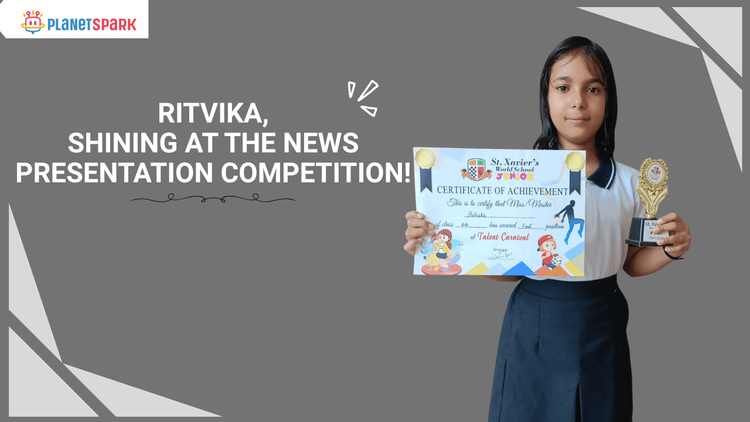
Ritvika
Ritvika (News Presentation Competition)
Ritvika has achieved a milestone in News Presentation! From the PlanetSpark classroom to the spotlight at the News Presentation Competition.
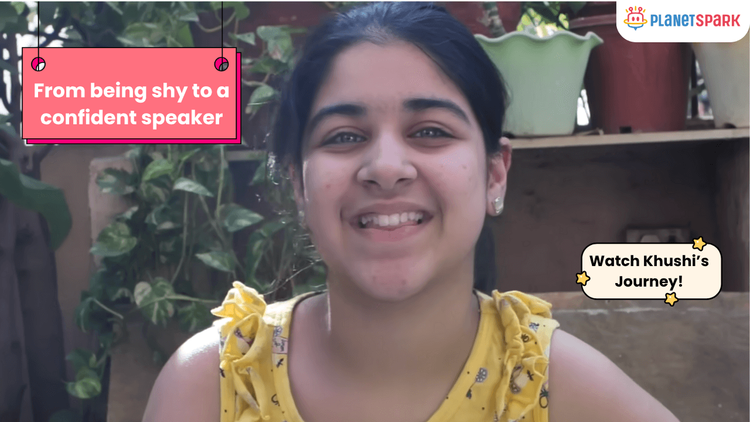
Khushi's journey
Khushi Bhatia, 10 Years
Khushi transformed from being a shy to a confident speaker with PlanetSpark!
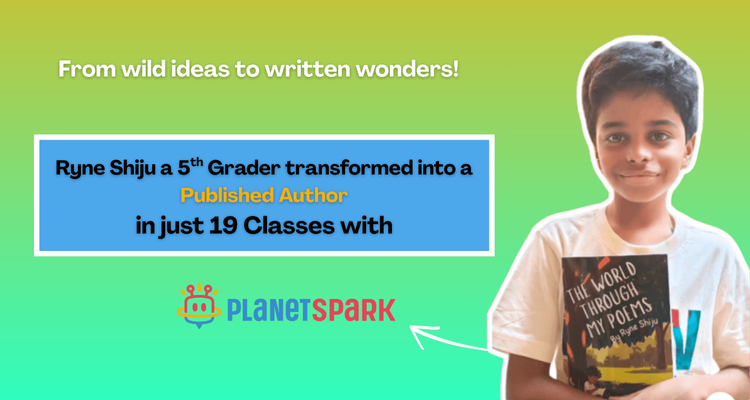
Ryne Shiju Published Author
Ryne Shiju (Published Author)
Ryne Shiju, a bright PlanetSpark star, has turned imagination into inspiration becoming a published author whose words now empower and inspire.
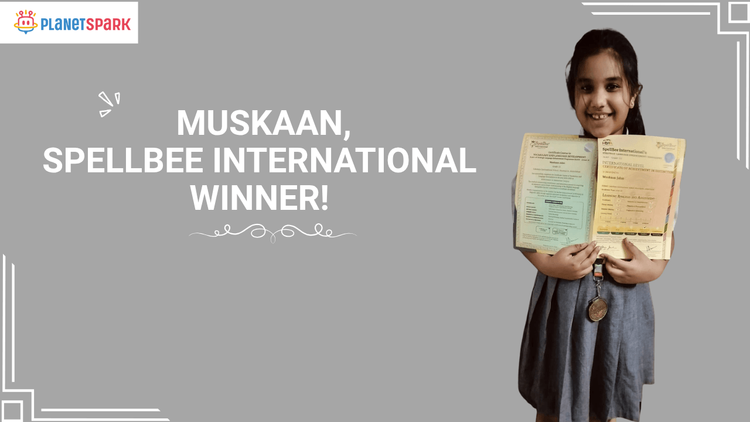
Muskan
Muskaan (SpellBee International Participant)
We are beyond proud of Muskaan from PlanetSpark, who showcased her spelling brilliance at the SpellBee International Programme.
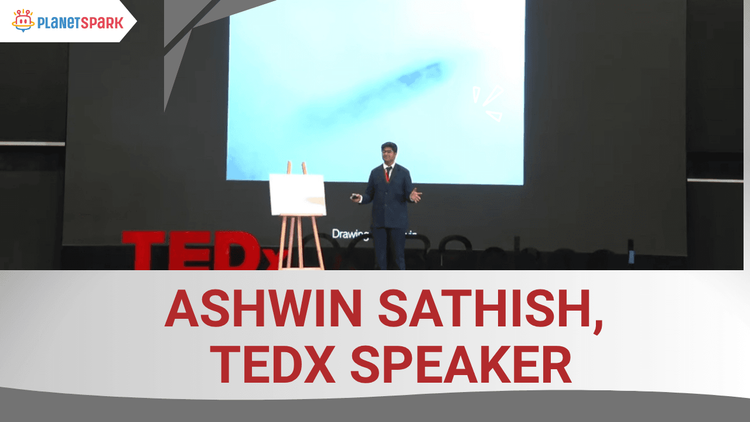
Ashwin Sathish
Ashwin Sathish (TEDx Speaker)
Ashwin Sathish, Grade 8 from New Delhi, stood tall as a TEDx Speaker, sparking conversations that truly matter. From classroom confidence to commanding a global stage, his journey reflects the power of voice, vision, and courage.
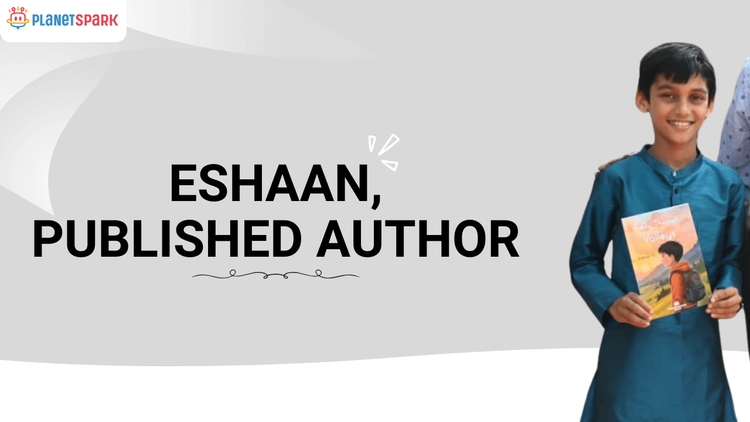
Eshaan
Eshaan (Published Author)
Eshaan has officially became a published author, turning classroom activity into a captivating storybook.
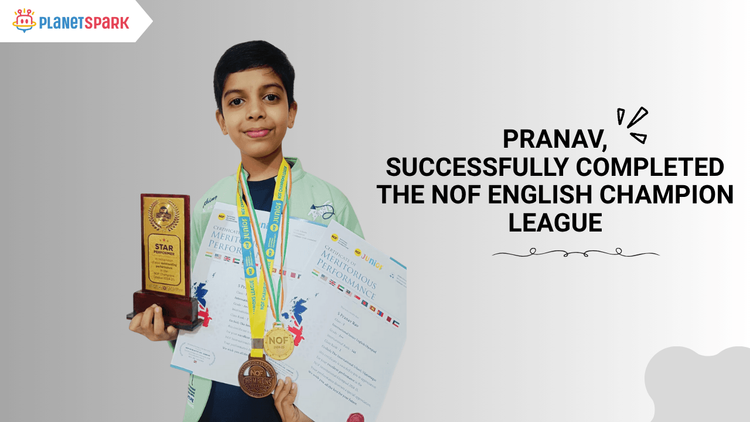
Pranav
Pranav (NOF English Champion League)
Pranav, a Grade 3 star, has successfully completed the NOF English Champion League, showcasing his brilliance in Public Speaking and Creative Writing.
Oviya Singh, Thumbnail Tedx Speaker at 8
Ovia Singh (TEDx Speaker)
Oviya Singh from PlanetSpark challenged the status quo in her TEDx Talk, asking, ‘Is the world running out of food?’ as she highlighted the importance of soil conservation.
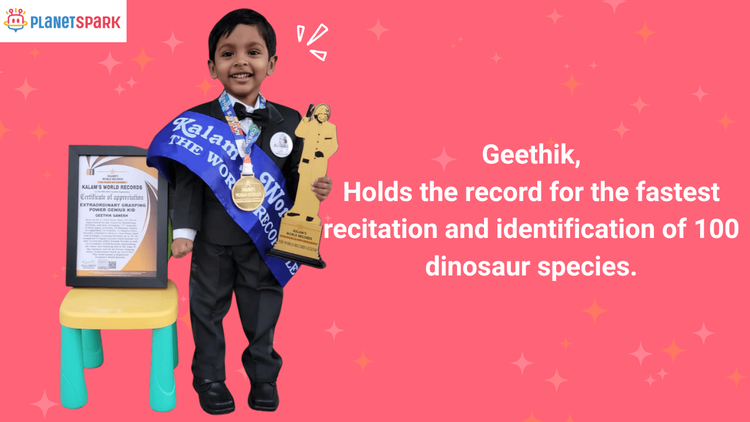
Geethik
Geethik (Fastest Recitation)
Geethik’s PlanetSpark-sharpened speaking skills helped him set a 100-dinosaur recitation record.
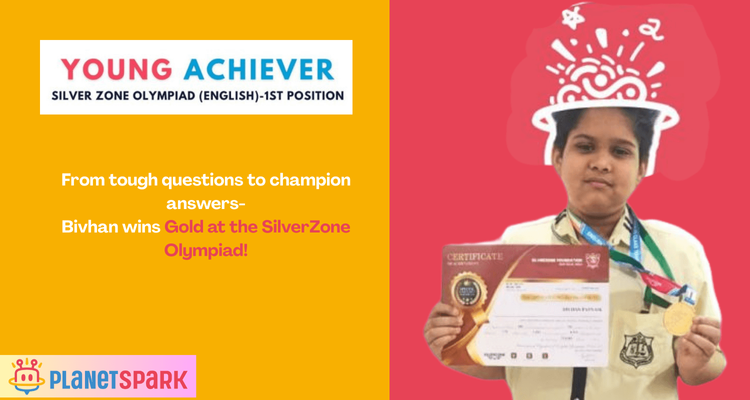
Bivhan Silver Olympiad
Bivhan Patnaik (SilverZone Olympiad)
Bivhan, in just Grade 4, wins Gold at the SilverZone Olympiad, a true symbol of brilliance, focus, and PlanetSpark-guided success.
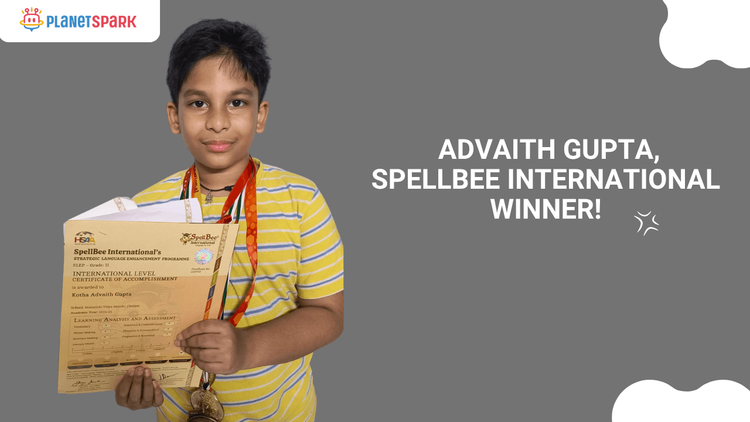
Advaith Gupta
Advaith Gupta (SpellBee International)
Advaith Gupta – Spelling His Way to Global Recognition! From mastering vocabulary to shining at SpellBee International, Advaith creates remarkable achievements.
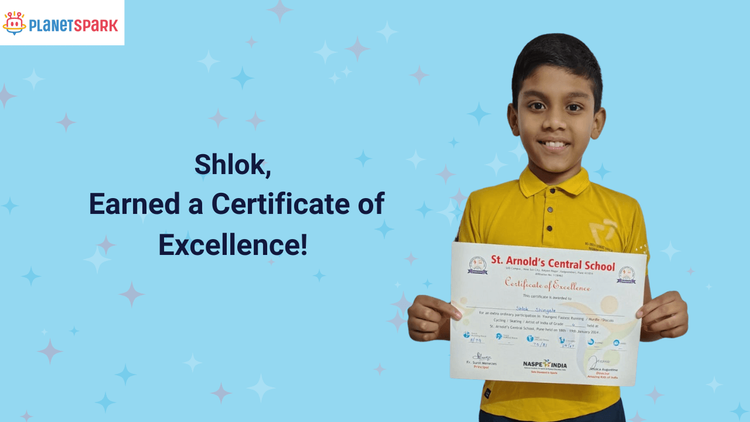
Shlok
Shlok (certificate of excellence)
Earned a Certificate of Excellence, showcasing his growing confidence and skills nurtured at PlanetSpark.
Oviya Singh, Thumbnail Tedx Speaker at 8
Ovia Singh, 11 Years
Oviya Singh from PlanetSpark challenged the status quo in her TEDx Talk, asking, ‘Is the world running out of food?’ as she highlighted the importance of soil conservation.
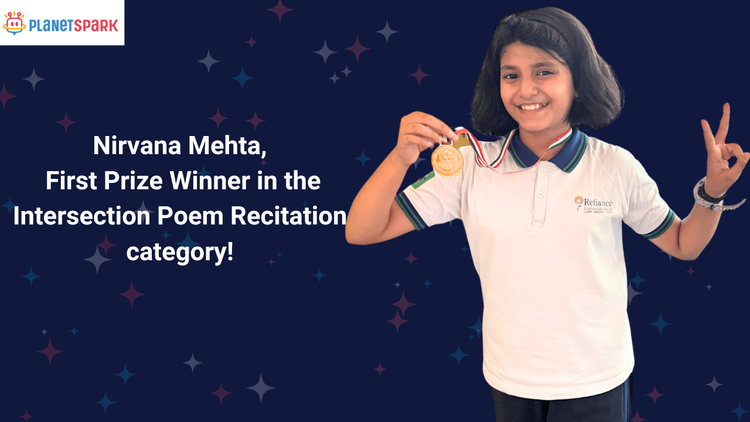
Nirvana Mehta
Nirvana Mehta (Wom Poem Recitation)
First Prize Winner in the Intersection Poem Recitation category
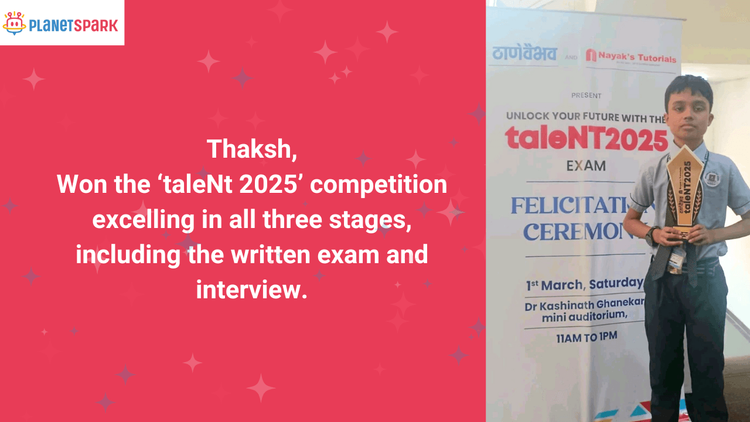
Thaksh
Thaksh (Won the ‘taleNt 2025’ competition)
Thaksh, won the ‘taleNt 2025’ competition in Thane after excelling in all three stages, including the written exam and interview.
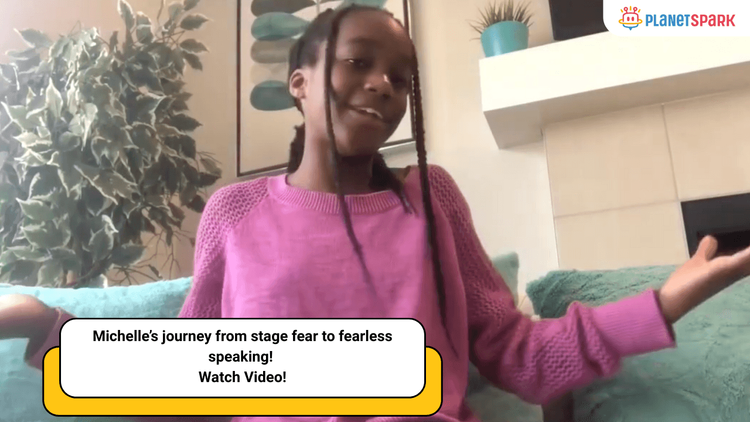
Watch Michelle's Journey
Michelle, 12
From shy to shining, Michelle’s story of conquering stage fear!
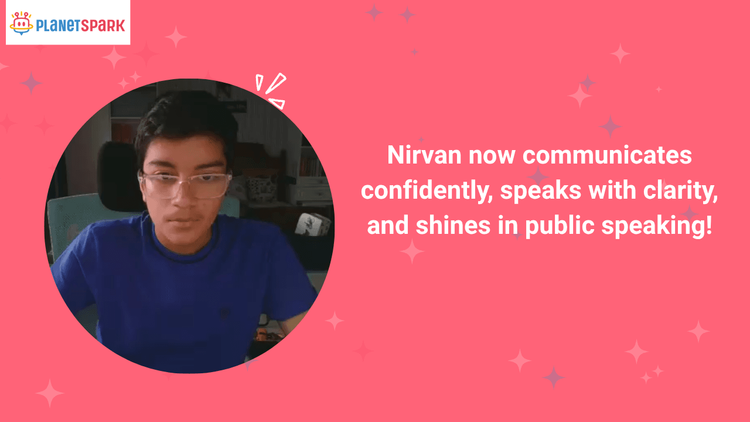
Nirvaan
Nirvaan, Grade 9
Nirvan now communicates confidently, speaks with clarity, and shines in public speaking!
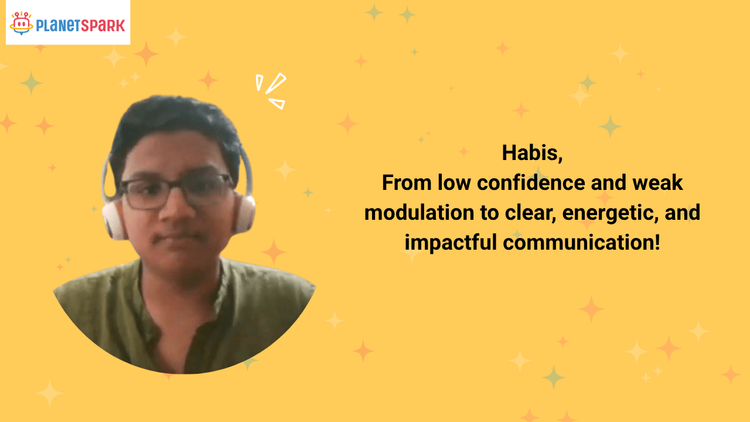
Habis
Habis, Grade 9
Meet Habis — once a shy speaker, now delivering every message with clarity, confidence, and strong stage presence.
Prathmesh
Prathmesh (Got 3rd Prize in MUN)
Secured Third Prize at a Model United Nations event, reflecting his strong communication and critical thinking skills built at PlanetSpark.
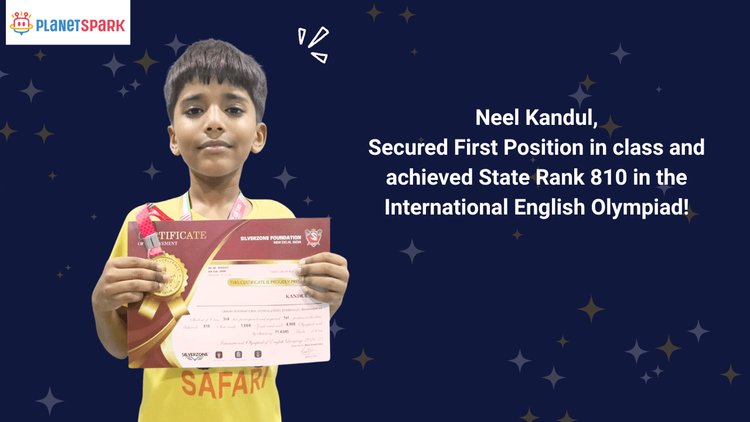
neel kandul
Neel Kandul, First Position in class and State Rank 810 in the International Olympiad of English Language.
First Position in class and State Rank 810 in the International Olympiad of English Language.
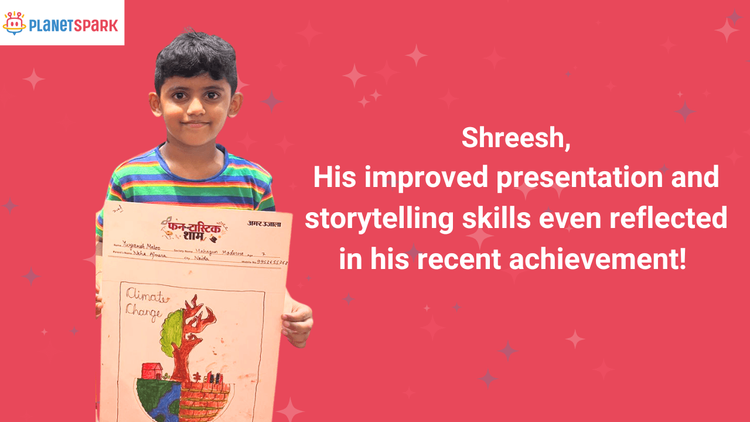
Shreesh
Shreesh
His improved presentation and storytelling skills even reflected in his recent achievement — winning second place in the Junior Category of a drawing competition on ‘Climate Change’ organized by the Amar Ujala team.
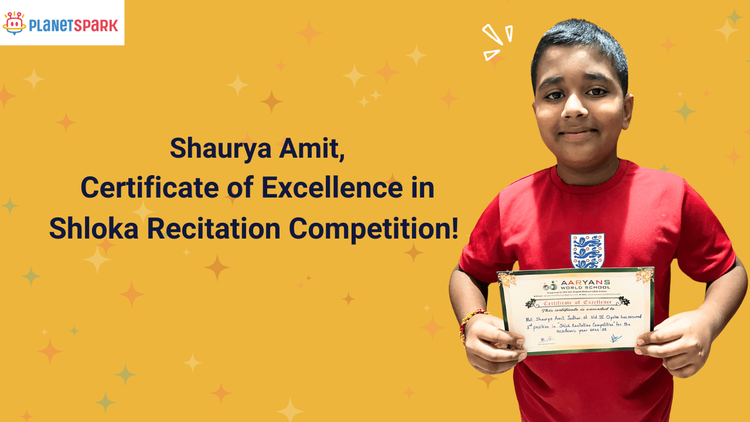
Shaurya Amit
Shaurya Amit (Certificate of Excellence)
Certificate of Excellence in Shloka Recitation Competition
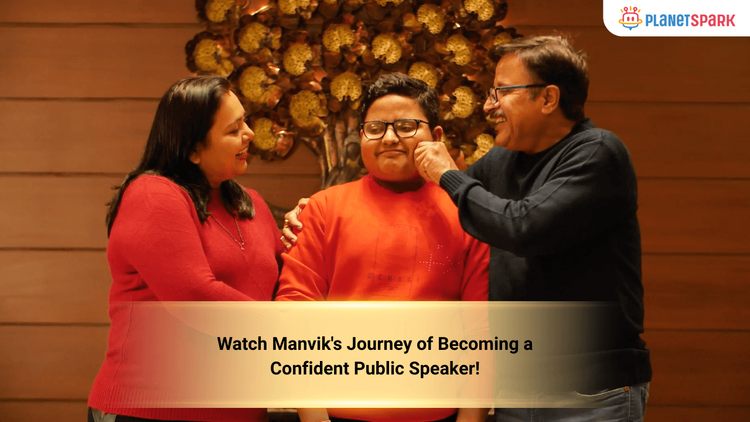
Manvik's Journey
Manvik, 10 Years
Manvik Kumar, a student at PlanetSpark shares his story of becoming a confident Public Speaker.
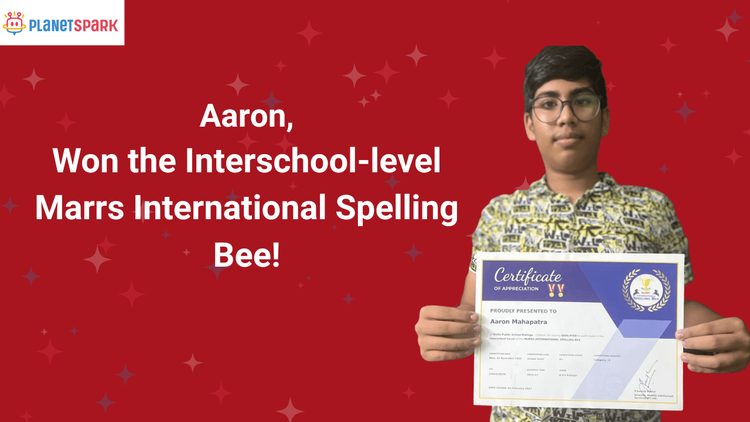
aaron
Aaron, International Spelling Bee Winner
Won at the Interschool-level Marrs International Spelling Bee, showcasing strong language skills and consistent PlanetSpark-driven growth.
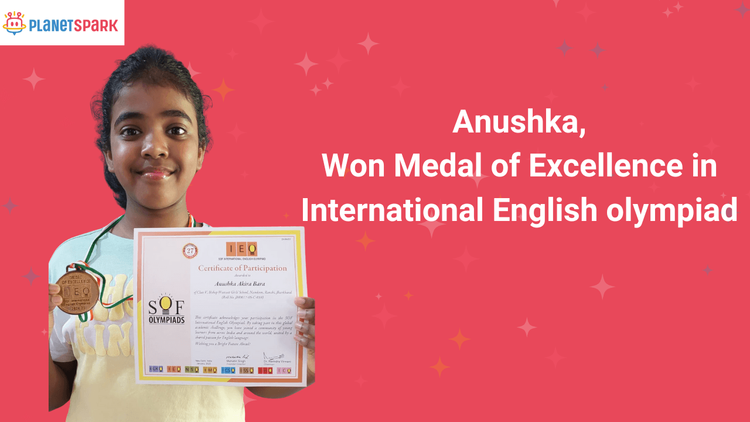
anushka
Anushka, Won Medal of Excellence in International English olympiad
Anushka won medal of excellence in International English olympiad. She scored sixth position in her school in olympiad.
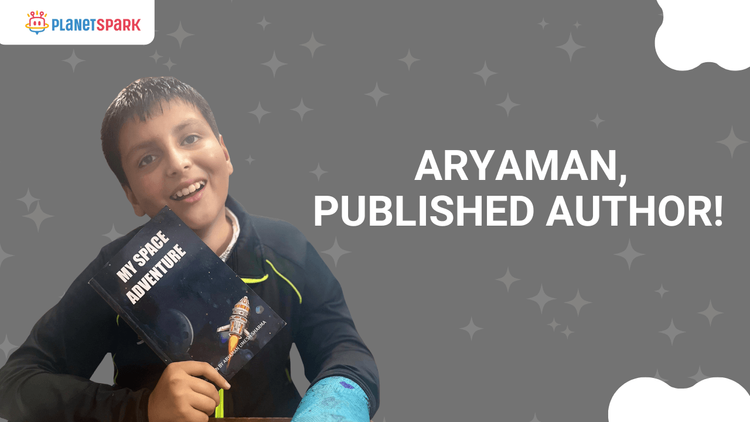
aryaman
Aryaman, Published Author
Aaryaman became a published author, reflecting his creativity, communication skills, and confidence nurtured at PlanetSpark.

Making Creative Writing Work in Real Life

Creative writing becomes truly valuable when learners practise regularly, learn from feedback, and apply their skills in real situations. For kids, this journey builds confidence, imagination, and clear expression. For adults, it strengthens written communication, workplace communication, presentation skills, and business storytelling. When writing is treated as a skill that grows with practice, it supports learning, career growth, and everyday communication. By following a simple cycle of practice, feedback, and real-world application, creative writing turns into a powerful life skill that helps learners of all ages express ideas with clarity and confidence.

Turning Writing Practice into Real-World Communication with PlanetSpark

Strong writing skills grow through regular practice, clear feedback, and real-world use. PlanetSpark follows this learning cycle to help learners of all ages turn creative writing into a practical skill that supports academics, workplace communication, presentation skills, and business storytelling.

Guided practice with personalised trainers

Certified communication trainers help learners improve vocabulary, sentence structure, tone, and clarity through regular writing practice and focused guidance.

Feedback-driven skill improvement

Structured feedback on writing drafts helps learners understand what works and how to improve, leading to faster writing skills development and greater confidence.

Personalised practice roadmap

Each learner follows a customised learning path that builds expressive writing and professional communication skills step by step.

Consistent writing with Spark Diary

Journaling and guided prompts encourage daily writing habits and stronger written communication.

AI-enabled feedback with SparkX

AI-powered insights highlight clarity, structure, and expression, making progress easy to track.

Real-world writing application

Creative writing skills are applied to school tasks, presentations, emails, and workplace communication.

PlanetSpark combines practice, feedback, and real-world application to help learners build confident, effective writing skills for school, work, and life.

Making Headlines Nationwide

How Binny Bansal-Backed PlanetSpark Reached Break-Even And Beat The Edtech Blues
This Binny Bansal-backed firm is making a hard reset to keep sailing in the edtech downturn
PlanetSpark keeps sailing in the edtech downturn
Featured in Tech in Asia
Featured in Tech Asia

Frequently Asked Questions

The best way to improve writing skills is through regular writing practice, clear feedback, and applying writing in real-life situations. When learners write consistently, revise their work, and use writing for school or workplace communication, their clarity and confidence improve over time.

Writing practice helps kids develop vocabulary, sentence structure, and confidence, while adults improve clarity, tone, and professional expression. For all ages, regular writing practice strengthens written communication and supports better presentation and storytelling skills.

Feedback helps writers understand their strengths and areas for improvement. For kids, it builds motivation and confidence. For adults, it improves clarity and effectiveness in workplace communication. Feedback allows learners to improve faster by applying suggestions in their next draft.

Writing practice should ideally be done daily, even if it is for a short time. Consistent practice of 10 to 15 minutes helps learners build strong writing habits and improve writing skills steadily without feeling overwhelmed.

Creative writing improves workplace communication by helping professionals organise ideas, choose the right tone, and communicate clearly. Storytelling skills learned through creative writing also support presentations, emails, and business communication.

Yes, creative writing improves presentation skills by helping learners structure ideas clearly and use storytelling to engage their audience. Strong writing makes it easier to prepare speeches, presentations, and professional talks.

Students can use creative writing to improve answers, essays, assignments, and presentations. Writing regularly helps them express ideas clearly, think creatively, and perform better in academic communication.

Real-world application of writing skills includes using writing for school assignments, emails, presentations, workplace communication, and business storytelling. Applying writing skills in real situations helps learners understand the practical value of writing.

Regular writing helps learners organise thoughts and express ideas clearly, which reduces hesitation and fear of making mistakes. Over time, this builds confidence in both written and spoken communication.

Yes, writing skills are essential for career growth because they support clear workplace communication, effective presentations, and professional storytelling. Strong writing skills help professionals share ideas confidently and build credibility at work.

Loading available times...
PlanetSpark Logo
Building confidence and communication
skills for the future leaders.