
10 Fun Pre-Writing Activities for Kids to Build Writing Skills
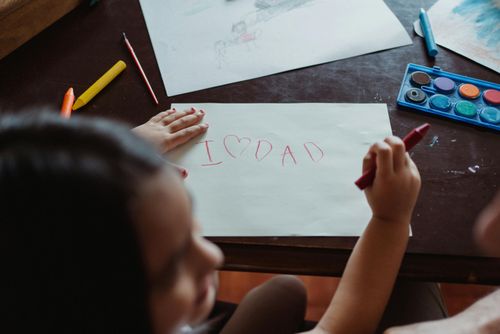

Table of Contents
- What Are Pre Writing Activities
- Why Pre Writing Activities Are Essential for Kids
- 10 Fun Pre Writing Activities for Kids
- Writing Activities for Preschoolers to Boost Skills
- Common Challenges in Pre Writing Skills
- Role of Parents in Developing Writing Skills
- How to Create a Daily Pre-Writing Routine for Kids
- How Structured Learning Improves Writing Skills
- Long-Term Benefits of Pre Writing Activities
- PlanetSpark Creative Writing Classes
- Build Strong Foundations for Your Child’s Writing Journey
Is your child struggling to hold a pencil, avoid writing tasks, or losing interest quickly? Before children begin forming letters and words, they need to develop strong foundational abilities. Pre writing activities are the first step in helping children gain control, coordination, and confidence needed for writing.
In this guide, you will explore engaging pre writing activities, understand the importance of pre writing skills activities, and discover fun writing activities for preschoolers that make learning enjoyable. You will also learn how these activities shape early development and prepare children for structured writing. Let us begin with the basics.
What Are Pre Writing Activities
Pre writing activities are structured and unstructured exercises that help children develop the physical and cognitive skills required for writing. These activities focus on strengthening fine motor skills, improving coordination, and building familiarity with shapes and patterns that form the foundation of letters.
At an early age, children are not ready to write letters immediately. Their hands are still developing strength and control. Pre writing activity routines allow them to gradually build these abilities through play-based learning and repetition.
Why Pre Writing Skills Activities Are Important
Pre writing skills activities act as the building blocks of writing. Without these skills, children may find it difficult to hold a pencil, form letters correctly, or write with confidence.
These activities support development in multiple ways:
- They strengthen small muscles in the fingers and hands, making it easier to grip and control writing tools
- They improve coordination between what children see and how they move their hands
- They introduce patterns and shapes that are later used in letter formation
- They help children develop patience and focus
For example, when a child draws a spiral or traces a zigzag line, they are unknowingly preparing to write letters that require similar strokes. This gradual exposure makes writing feel natural rather than overwhelming.
How Pre Writing Activities Build Confidence
Confidence plays a crucial role in learning. When children successfully complete simple tasks like tracing or coloring, they feel encouraged and motivated to try more complex activities.
Pre writing activities create a safe space for children to explore without fear of making mistakes. This positive learning experience builds self-belief, which is essential when they begin formal writing.
Why Pre Writing Activities Are Essential for Kids
Pre writing activities are not just optional exercises. They are essential for building a strong foundation in writing and overall learning.
Builds Fine Motor Strength Gradually
Fine motor skills involve the use of small muscles in the hands and fingers. These muscles are responsible for holding and controlling a pencil. Without proper strength, children may feel discomfort or fatigue while writing.
Activities like squeezing clay, threading beads, or tearing paper help strengthen these muscles in a fun and engaging way. Over time, children develop the ability to hold writing tools comfortably and write for longer periods.
Improves Hand-Eye Coordination
Hand-eye coordination allows children to guide their hand movements based on visual input. This skill is crucial for writing letters accurately and maintaining proper spacing.
For instance, when a child traces a shape, they learn to follow a path using their eyes and hands together. This coordination improves with repeated practice and becomes automatic over time.
Develops Focus and Attention Span
Pre writing activities require children to concentrate on tasks such as coloring within lines or connecting dots. These activities train their brain to stay focused for longer durations.
As their attention span increases, children become more capable of completing structured writing tasks in school.
Encourages Creative Expression
Many pre writing activities involve drawing, painting, and free play. These activities allow children to express their thoughts and imagination freely.
Creativity is an important aspect of writing. When children are encouraged to explore and create, they develop a natural interest in expressing themselves through words later.
Supports Smooth Transition to Writing
Children who engage in preschool writing activities are better prepared for formal writing. They feel comfortable holding a pencil, forming shapes, and following instructions.
This readiness reduces frustration and makes the learning process smoother and more enjoyable.
10 Fun Pre Writing Activities for Kids
1. Tracing Lines and Shapes
Tracing is one of the most effective pre writing skills activities. It introduces children to the basic strokes required for writing letters.
Children can start with simple straight lines and gradually move to curves, zigzags, and complex shapes. Each type of line helps develop control and precision.
Tracing also helps children understand direction, which is important for forming letters correctly. With regular practice, children become more confident in their ability to control their hand movements.
2. Playdough and Clay Activities
Playing with clay is not just fun but also highly beneficial for developing hand strength. When children squeeze, roll, and shape clay, they use different muscles in their hands.
These movements improve flexibility and grip strength, which are essential for holding a pencil properly. Clay activities also enhance creativity as children experiment with shapes and forms.
3. Coloring Within Boundaries
Coloring helps children develop precision and control. When they try to stay within the lines, they learn to manage their hand movements carefully.
This activity also improves focus and patience. Over time, children become more accurate and confident in their abilities.
4. Sand and Sensory Writing
Writing in sand or using sensory materials like rice or flour adds a tactile element to learning. Children can draw shapes and patterns using their fingers.
This sensory experience makes learning more engaging and helps children remember patterns more effectively.
5. Finger Painting
Finger painting allows children to explore movement and creativity. It helps improve hand coordination and control.
This activity also encourages self-expression and makes learning enjoyable.
6. Dot-to-Dot Activities
Connecting dots helps children understand sequence and direction. It also improves concentration and hand control.
This activity gradually prepares children for writing letters and numbers.
7. Threading Beads
Threading beads is an excellent way to develop fine motor skills. It requires precision, focus, and coordination.
This activity also teaches patience and perseverance.
8. Cutting and Pasting
Using scissors under supervision helps strengthen hand muscles. It also improves coordination and control.
Children learn to follow shapes and patterns, which are essential for writing.
9. Drawing Patterns
Drawing patterns like waves, loops, and spirals helps children practice movements used in writing letters.
These patterns act as a bridge between drawing and writing.
10. Free Scribbling
Scribbling allows children to explore without restrictions. It builds confidence and encourages creativity.
Even though it may seem random, scribbling helps children understand movement and control.
Make learning exciting, interactive, and something your child truly enjoys.
Help them grow confident and express themselves with ease in real-life situations.
Join expert-led classes.
Book a Free Trial today!
Writing Activities for Preschoolers to Boost Skills
Writing activities for preschoolers should focus on exploration, creativity, and gradual learning.
Name Writing Practice
Teaching children to write their names is a meaningful activity. It creates a sense of ownership and motivates them to learn.
Children feel proud when they can write their own names, which boosts their confidence.
Picture-Based Writing
Showing pictures and asking children to describe them helps improve imagination and language skills.
This activity encourages children to think and express their ideas.
Storytelling Activities
Storytelling allows children to create their own narratives. It improves creativity, vocabulary, and communication skills.
Parents can guide children by asking questions and encouraging them to expand their ideas.
Alphabet Practice
Introducing letters gradually helps children avoid confusion. Tracing and writing letters regularly improves familiarity and confidence.
These preschool writing activities create a strong foundation for future learning.
Common Challenges in Pre Writing Skills
Children may face several challenges while developing pre writing skills. These challenges are a natural part of the learning process.
Difficulty in Grip
Some children struggle to hold a pencil correctly. This can make writing uncomfortable.
Using thicker pencils or crayons can help improve grip and control.
Lack of Interest
If activities are repetitive, children may lose interest. Introducing variety and fun elements keeps them engaged.
Slow Development
Each child develops at their own pace. Comparing children can create pressure and reduce confidence.
Solutions to Overcome Challenges
- Use engaging and interactive activities
- Provide encouragement and positive feedback
- Practice regularly without forcing
- Create a stress-free learning environment
Role of Parents in Developing Writing Skills
Parents play a significant role in shaping their child’s learning experience.
Creating a Positive Learning Environment
A comfortable and distraction-free space encourages children to focus and practice.
Encouraging Consistency
Daily practice, even for a short time, helps children improve steadily.
Appreciating Efforts
Recognizing small achievements boosts confidence and motivation.
Being Patient and Supportive
Learning takes time. Parents should avoid pressure and allow children to progress naturally.

How to Create a Daily Pre-Writing Routine for Kids
Creating a daily routine for pre writing activities can make a big difference in how quickly and effectively children develop writing skills. A consistent routine helps children build habits, improve gradually, and feel more confident with each passing day.
Why a Routine Matters
Children thrive on structure and consistency. When pre writing activities become a part of their daily schedule, they begin to see learning as a natural and enjoyable process rather than a task.
A routine helps children:
- Practice regularly without feeling overwhelmed
- Build muscle memory through repetition
- Stay focused and disciplined
- Develop a sense of responsibility
Sample Daily Pre Writing Routine
A simple routine does not need to be long or complicated. Even 15 to 20 minutes a day can bring noticeable improvement.
You can divide the session into small parts:
- Start with a warm-up activity like finger exercises or clay play
- Move to tracing lines or shapes
- Include a fun activity like coloring or dot-to-dot
- End with free drawing or scribbling
This balanced approach keeps children engaged while covering different skill areas.
Tips to Make the Routine Effective
To ensure the routine works well, keep these tips in mind:
- Keep sessions short and fun to avoid boredom
- Use a variety of activities to maintain interest
- Encourage without correcting too much
- Celebrate small achievements to boost confidence
Making Learning a Habit
When children follow a routine regularly, pre writing activities become a habit. Over time, they naturally develop the skills needed for writing without pressure.
A well-planned daily routine not only improves writing readiness but also builds discipline, confidence, and a positive attitude toward learning.
How Structured Learning Improves Writing Skills
Structured learning provides a clear path for skill development.
Guided Learning Approach
Children benefit from step-by-step guidance that builds skills gradually.
Consistent Practice
Regular sessions help reinforce learning and improve retention.
Expert Feedback
Feedback helps children understand their mistakes and improve.
Structured learning ensures that children develop skills in an organized and effective manner.
Long-Term Benefits of Pre Writing Activities
Pre writing activities have a lasting impact on a child’s development.
Academic Success
Children with strong writing foundations perform better in school.
Confidence and Expression
Writing allows children to express their thoughts clearly and confidently.
Cognitive Development
These activities improve thinking, problem-solving, and creativity.
PlanetSpark Creative Writing Classes
Build Strong Writing Foundations with PlanetSpark
PlanetSpark Creative Writing classes are designed for kids and students who want to develop strong writing and communication skills. These classes help children build confidence, improve creativity, and master writing through structured learning.
Why Choose PlanetSpark
- Live interactive classes
- Expert teachers
- Real-world communication practice
- Personalized feedback
- Confidence-building framework
- Structured curriculum aligned to kids

Build Strong Foundations for Your Child’s Writing Journey
Pre writing activities are the first and most important step in helping children become confident writers. They develop essential skills like coordination, creativity, and focus that support lifelong learning.
With consistent practice, engaging activities, and the right guidance, children can build strong writing foundations and grow into confident communicators. Encourage your child to explore, practice, and enjoy every step of their learning journey.
Frequently Asked Questions
Common activities include tracing, coloring, storytelling, and alphabet practice. These make learning fun while improving motor skills. They also encourage creativity and early language development.
Children can begin pre-writing activities as early as 2 to 3 years old. At this stage, simple and playful exercises work best. Gradually, more structured tasks can be introduced.
They prepare children for formal writing and classroom learning. These activities improve pencil grip and hand control. They also enhance confidence and writing readiness.
PlanetSpark offers structured learning programs focused on writing development. It provides expert guidance and personalized feedback. This helps children improve clarity, creativity, and expression.
PlanetSpark provides a well-structured curriculum designed for all learning levels. It focuses on building confidence, creativity, and strong communication skills. With expert mentors and regular practice, children show consistent improvement.