
5 Sample Essays on Indoor Plants: Easy & Engaging Examples
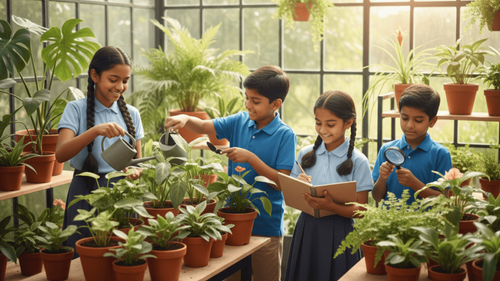

Indoor plants bring life, color, and calmness into any space, and they inspire many ideas for writing. When students write essays on indoor plants, they explore topics like health benefits, plant types, care methods, and how plants improve daily life. Indoor plants also help students learn responsibility and observation, which gives them strong real-life examples to use in essays. In this collection, you will find 5 sample essays on indoor plants, each written in a different style and structure. These essays help you understand the topic better and guide you in shaping your own unique writing.
5 Examples of Essays on Indoor Plants
Sample Essay 1: Why Indoor Plants Matter
Indoor plants matter because they shape our daily life in simple yet powerful ways. They make rooms look alive, they calm the mind, and they support both focus and health. When we keep plants near us, we stay connected to nature even inside closed spaces.
Key Reasons Indoor Plants Matter
- They improve air quality by releasing oxygen and reducing toxins.
- They lift mood when we feel tired or stressed.
- They give our eyes a break from screens and help us think clearly.
- They make small rooms feel warm and welcoming.
- They teach patience, care, and discipline through daily routines.
Indoor plants also form a small relationship with us. We water them, we watch them grow, and we feel joy when new leaves appear. This connection brings soft emotional comfort. It turns simple moments into peaceful ones.
Benefits for Daily Life
- Calm energy in work and study spaces
- Better focus for long tasks
- Improved sleep when placed in bedrooms
- A fresh environment that supports breathing
- A natural touch that balances modern interiors
Indoor plants matter for children too. Kids learn responsibility when they take care of plants. They check leaves, water on time, and observe changes. This helps them develop habits that stay with them for life.

Final Thought
Indoor plants matter because they bring health, clarity, and peace into our space. They remind us to grow slow and steady, just like them.
Sample Essay 2: Types of Indoor Plants
Indoor plants come in many types, each offering a different experience. Some grow fast, others grow slow. Some need sunlight, others grow in low light. When you know the types, you can pick the right plant for your home.
Popular Indoor Plant Types
- Money Plant: Grows fast, climbs in all directions, and needs very little care.
- Snake Plant: Strong, tall leaves that survive low light and need little water.
- Aloe Vera: Thick leaves with healing gel and bright light needs.
- Peace Lily: Dark leaves and white flowers that create a gentle look.
- ZZ Plant: Shiny leaves and high survival power in low light.
- Spider Plant: Long striped leaves and baby plants that hang down.
Each plant fits different corners. Some brighten study tables. Some make windows look green. Some fill empty walls. By choosing a mix, you can build your own indoor garden.
How These Plants Differ
- Growth speed
- Light needs
- Water needs
- Leaf shape and color
- Air-cleaning ability
Indoor plants bring variety to your home. They offer beauty, calmness, and a sense of nature in every season.
Bottom Line
When you know the types, you choose better. Each plant adds a different charm and helps you build a green world indoors.
Sample Essay 3: Best Indoor Plants for Students
Students need focus, calmness, and a clean study space. Indoor plants create such an atmosphere with simple care and steady growth. They bring freshness to long study hours.
Top Indoor Plants for Students
- Money Plant: Bright vines, low care, and fast growth that adds life to study tables.
- Snake Plant: Perfect for dorms, survives low light, and gives oxygen at night.
- Spider Plant: Light, lively leaves and small baby plants that create joy.
- Aloe Vera: Helps with skin burns, needs little water, and stays strong.
- ZZ Plant: Shiny leaves, long survival, and ideal for busy routines.
Students deal with stress, exams, and tight schedules. Indoor plants help manage these challenges. They reduce tension and create a soft mood that supports learning.
How Plants Help Students
- They clear the air for better concentration.
- They calm the mind during study breaks.
- They give comfort during long nights of work.
- They teach discipline through routine care.
- They make small study rooms feel pleasant.
Indoor plants also encourage responsibility. Students learn to water, observe, and maintain them. This builds patience and balance.
Boost your child’s imagination with PlanetSpark Creative Writing. Book a Free Trial Call today!
Conclusion
Indoor plants support students in simple ways. They make study sessions smooth and improve focus.
Sample Essay 4: How Indoor Plants Improve Health
Indoor plants improve health in many direct and indirect ways. They keep air clean, they improve mood, and they create a gentle environment that supports well-being. The presence of plants brings natural balance back into our homes.
Health Benefits of Indoor Plants
- They release oxygen and absorb carbon dioxide.
- They remove indoor toxins and lower dust levels.
- They help reduce headaches and breathing issues.
- They sharpen focus during work.
- They reduce mental fatigue.
Indoor plants also support better sleep. Snake plants and peace lilies help bedroom air stay fresh. You sleep deeper and wake up with more energy.
Emotional Health Benefits
- Plants calm the mind after long days.
- Green shades reduce stress and anxiety.
- New leaves bring joy and a sense of hope.
- Caring for plants builds emotional connection.
- Plants create a peaceful place to unwind.
Indoor plants also improve physical habits. You move, clean, water, and repot them. Small actions help your body stay active.
Summary
Indoor plants improve health by blending nature with daily life. They support body, mind, and emotions.
Sample Essay 5: Indoor Plants for Small Apartments
Small apartments can still look green and fresh. The right indoor plants help you save space while bringing nature indoors. You only need smart choices and simple care.
Best Plants for Small Homes
- Money Plant: Grows in jars, hangs well, and brightens small corners.
- Snake Plant: Fits narrow spaces and survives with little water.
- Spider Plant: Hangs from baskets and makes rooms lively.
- Succulents: Small, clean, and perfect for window shelves.
- Aloe Vera: Great for the kitchen and needs very little water.
Small apartments often lack free space, but plants solve this by fitting into walls, corners, shelves, and windows.
Space-Saving Tips
- Use vertical shelves for plant display.
- Hang pots to save floor space.
- Keep only 2–3 plants in one room.
- Pick small pots with deep soil.
- Place plants near natural light.
Indoor plants also change the mood of small homes. They make tight rooms feel open. They add calmness in busy city life. They give you hope when you see new leaves.
Final Thought
Indoor plants help small apartments bloom. They add beauty, freshness, and comfort without needing much space.
Tips to Write an Essay on Indoor Plants
Writing an essay on indoor plants becomes easy when you follow a few smart steps. Indoor plants offer many angles health, beauty, science, care, and daily life, so you can choose the direction that fits your essay style. These tips help you plan, structure, and present ideas in a clean and engaging way.
1. Start With a Clear Focus
Indoor plants cover many topics, so choose one area before you start writing:
- Their benefits
- Types of indoor plants
- Care tips
- Plants for students
- Plants for small spaces
A clear focus helps your essay stay neat and easy to read.
2. Use Simple Language
Indoor plants are gentle and simple by nature, so your writing should reflect that.
- Use short, easy words
- Avoid complex phrases
- Keep sentences direct
- Make the flow smooth
This also helps younger readers or beginners understand your essay.
3. Add Observations From Real Life
Your personal touch makes the essay stronger.
- Talk about a plant you have at home
- Describe how it changes the room
- Explain what you learned from caring for it
Real life details make your writing genuine.
4. Break the Essay Into Clean Sections
Good structure improves readability. You can divide your essay into:
- Introduction
- Main idea (benefits, types, etc.)
- Supporting points
- Personal note
- Conclusion
Readers understand your thoughts better when your essay flows in order.
5. Use Bullet Points for Clarity
Indoor plant essays often include lists such as “types,” “benefits,” or “care steps.”
Bullet points help you present these clearly:
- Easy to scan
- Simple to organize
- Clean and neat
Your essay becomes more reader-friendly.
6. Include Facts or Simple Science
Add small facts to make your writing more informative:
- Plants release oxygen
- Snake plants purify air
- Aloe vera stores water in leaves
These simple facts make your essay stronger and more useful.
7. Keep the Tone Calm and Positive
Indoor plants bring peace, so your essay should reflect that calm tone.
Use warm, natural, and steady language that matches the topic.
8. End With a Thoughtful Conclusion
Wrap up your essay with:
- A final message
- A personal opinion
- A takeaway about plants and life
Your conclusion should leave the reader with a soft, clear idea.

Spark Ideas. Shape Stories. Grow Creators, Only at PlanetSpark!
Creative writing becomes exciting when children learn to shape their thoughts into strong, expressive stories. At PlanetSpark, Creative Writing lessons help young minds understand structure, imagination, and clarity in a fun and engaging way. Kids learn to write with confidence, emotion, and purpose through live sessions, guided practice, and interactive tasks.
Why PlanetSpark Creative Writing Stands Out
- Live expert-led sessions that guide children step by step
- Fun writing tasks like story prompts, character building, and plot making
- Structured learning paths that develop writing skills from basics to advanced
- Strong focus on clarity and creativity, helping kids express ideas with confidence
- Interactive activities that build imagination, vocabulary, and narrative flow
- Personal feedback & improvement tips in every class
- Confidence-building environment that encourages children to share and present their work
PlanetSpark helps children unlock a world of imagination with the right tools, the right guidance, and the right practice. Your child has ideas. PlanetSpark Creative Writing helps them shine.
Master Essay Writing with PlanetSpark
Indoor plants offer a rich and meaningful topic for essay writing because they touch our health, emotions, environment, and daily routines. The 5 sample essays on indoor plants presented above show how the same theme can be explored from many angles: types, benefits, student-friendly plants, small-space plants, and health impact.
Each essay carries a different style, tone, and layout, proving that indoor plant writing does not need to look the same every time. These samples help you see how structure, tone, and details shape an essay. They also show how simple observations can strengthen your writing. As you write your own essay on indoor plants, focus on clarity, real experiences, and clean ideas. This will help you create a strong, meaningful, and engaging piece that reflects your understanding and connection with nature.
Frequently Asked Questions
PlanetSpark builds confidence through live classes, interactive speaking activities, storytelling, debates, and personalised trainer feedback that helps children express ideas clearly and boldly.
Children learn public speaking, vocabulary building, voice modulation, storytelling, conversation skills, presentation techniques, and structured expression that help them shine in academics and beyond.
Strong communication skills help children think clearly, speak confidently, participate actively in school, build leadership qualities, and express emotions with clarity in everyday situations.
Children learn about plant care, environmental awareness, responsibility, observation, and the benefits of greenery, making their writing meaningful and connected to real-life experiences.
Indoor plants purify air, reduce stress, boost concentration, add beauty to rooms, and create a calming environment, making them ideal for homes, study spaces, and small apartments.
Students can include real observations, describe plant growth, use simple plant facts, share personal experiences, and organize their essays with clear sections and neat bullet points.