
Sample Essays on Our Earth: 5 Engaging Examples for Children
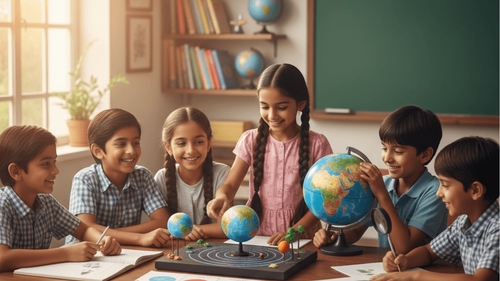

Our Earth is the most precious gift we have. It is the only planet known to support life, making it incredibly special. Every tree, mountain, river, forest, and creature on Earth is connected in a delicate balance. When students learn to write essays about Our Earth, they not only explore nature academically but also develop a sense of responsibility toward protecting the environment.
Understanding Earth helps children appreciate natural resources, biodiversity, climate, and the interconnectedness of life. Through essays, they learn to express thoughts clearly, think deeply, and connect personal experiences with real-world issues.
In this collection, you will find five engaging sample essays on Our Earth. Each essay has a unique style and theme. After the essays, you will also find structured writing tips to help students shape strong and meaningful essays of their own.
5 Examples of Essays on Our Earth
Sample Essay 1: Importance of Earth in Human Life
Our Earth plays the most important role in human survival. Without Earth’s natural systems, life would not be possible. Humans depend on Earth for every basic need; air, water, food, warmth, shelter, and land for living. From the moment we wake up to the moment we sleep, Earth silently provides for us without expecting anything in return.
The Earth Gives Us Everything We Need
The Earth provides a wide variety of essential resources:
- Air: We breathe oxygen, which trees release.
- Water: Rivers, lakes, rain, and groundwater provide fresh water.
- Soil: Fertile soil helps grow crops and trees.
- Sunlight: Gives warmth and energy for plants to make food.
- Minerals: Used in buildings, machines, tools, and technology.
- Forests: Offer wood, plants, fruits, and medicines.
These elements support not only humans but millions of other living beings as well.
Earth’s Role in Human Growth and Development
Earth is not only a provider of resources; it also helps humans grow emotionally, mentally, and spiritually. People find peace in nature; walking through forests, listening to ocean waves, or watching a sunrise brings calmness to the mind. Many great thinkers, poets, and scientists were inspired by nature.
Children also learn many important lessons from Earth:
- Patience from watching plants grow
- Respect for wildlife
- Appreciation for natural beauty
- Responsibility for the environment
Why We Must Value Earth
In the modern world, people often forget that Earth is limited. Resources like clean water, forests, and fertile soil are not endless. If we misuse them, future generations may not have the same advantages.
Human life is possible only as long as Earth remains healthy. If we pollute air, poison rivers, or destroy forests, we are harming ourselves.
Conclusion
Earth is the heartbeat of human life. It supports us completely and silently. Understanding its importance helps us value, protect, and care for the planet we call home.
Sample Essay 2: Natural Beauty and Diversity of Earth
Earth is one of the most beautiful planets in the universe. Its landscapes, variety, colors, and features make it unique. Every corner of Earth tells a different story; snowy peaks, golden deserts, deep oceans, thick forests, and sparkling waterfalls come together to create a breathtaking world.
The Many Faces of Earth’s Beauty
Earth has a natural charm that cannot be described in simple words. Some of the most beautiful elements include:
- Oceans: Cover 70% of the planet, filled with vibrant marine life.
- Mountains: Snow-capped peaks like the Himalayas and Alps symbolize strength.
- Forests: Lungs of the Earth, home to millions of species.
- Rivers: Flow gently across the land, bringing life wherever they go.
- Deserts: Golden sands and dramatic landscapes full of mystery.
- Grasslands: Open fields filled with animals and colorful flowers.
Each landscape has its own beauty and importance.
Biodiversity: Earth’s Living Treasure
Earth is home to rich biodiversity. Plants, animals, birds, insects, marine creatures, and microorganisms coexist in various habitats. The Amazon rainforest alone contains more species than any other place on Earth.
Biodiversity helps maintain:
- Climate balance
- Healthy ecosystems
- Pollination of crops
- Clean air and water
- Food and medicine sources
Losing even one species affects the entire food chain.
The Beauty That Inspires Us
Nature inspires creativity, imagination, and inner peace. Many poems, paintings, inventions, and scientific discoveries were inspired by Earth’s beauty.
Children especially connect strongly with nature. Playing outdoors, observing plants, hearing bird sounds, or watching sunsets helps them develop emotional strength, curiosity, and gratitude.
Conclusion
Earth’s beauty is a gift we must appreciate and protect. The more we understand nature’s diversity, the more we learn to love the planet.
Sample Essay 3: Environmental Protection: Our Responsibility
Earth is facing many problems today; pollution, climate change, deforestation, wildlife extinction, and depletion of natural resources. Protecting the environment is not just the responsibility of governments or scientists; it is something each person must do daily.
Major Environmental Problems
Some major threats Earth faces include:
- Air pollution from factories and vehicles
- Water pollution from chemicals and waste
- Deforestation for farming and construction
- Soil pollution caused by plastics and chemicals
- Global warming caused by greenhouse gases
- Loss of wildlife habitat due to human activities
These issues impact health, food production, weather, and biodiversity.
Simple Actions We Can Take to Protect Earth
Even small steps make a huge difference:
- Use cloth bags instead of plastic
- Turn off taps when not in use
- Plant trees regularly
- Keep surroundings clean
- Use public transport, cycles, or walk short distances
- Avoid wasting food
- Recycle paper, glass, and metal
- Save electricity by switching off lights
Children can also contribute by spreading awareness, participating in school eco-clubs, and practicing sustainable habits at home.
Why Protection Matters
If we continue harming the environment, Earth may lose its ability to support life. Pollution causes breathing problems, unclean water causes diseases, and climate change leads to extreme weather conditions.
Protecting Earth ensures:
- A healthier environment
- Clean air and water
- Safe habitats for animals
- A stable climate
- A better future for the next generation
Conclusion
Environmental protection is everyone’s responsibility. By making small changes today, we help create a healthier, greener world.
Sample Essay 4: Resource Management on Earth
Earth provides a vast variety of natural resources, but many of them are limited. Proper management ensures that these resources can be used by both current and future generations.
Types of Natural Resources
Earth’s resources fall into two major categories:
1. Renewable Resources
These can be replaced naturally:
- Sunlight
- Wind
- Water
- Plants
- Soil
2. Non-Renewable Resources
These take millions of years to form:
- Coal
- Oil
- Natural gas
- Minerals
Using non-renewable resources carelessly can lead to shortages.
Why Resource Management Is Important
Resource management means using resources wisely to avoid waste or depletion.
It is important because:
- Many resources are limited
- Pollution destroys natural resources
- Growing population increases demand
- Wildlife depends on natural habitats
- Misuse creates imbalance in nature
Ways to Manage Resources Wisely
- Reduce consumption
- Recycle and reuse materials
- Use renewable energy sources
- Avoid pollution
- Grow more trees
- Conserve water
- Switch to energy-efficient appliances
Children can also help by learning the difference between “need” and “want.”
Conclusion
Resource management is essential for maintaining Earth’s balance. A responsible approach ensures that all living beings continue to benefit from nature’s gifts.
Sample Essay 5: Sustainability for Future Generations
Sustainability means protecting Earth so future generations can enjoy the same clean water, fresh air, forests, and resources that we have today.
What Must Be Preserved for the Future
Our actions today determine the future of the planet. We must preserve:
- Clean oceans
- Fresh air
- Healthy forests
- Rich biodiversity
- Safe climate
- Natural habitats
These elements are the foundation of life.
What Children Can Do to Support Sustainability
Children also play a major role in creating a sustainable future. They can:
- Learn about nature through books and activities
- Participate in clean-up drives
- Avoid plastic products
- Help plant trees
- Switch off fans and lights when unnecessary
- Choose reusable items like steel bottles and cloth bags
Schools can also include sustainability projects, eco-clubs, and nature-based learning activities.
Future Without Sustainability
If we don’t act now, future generations may face:
- Lack of clean water
- Extreme climate events
- Shortage of food
- Increased diseases
- Loss of wildlife
- Polluted air
This will make life difficult for humans and animals.
Conclusion
Sustainability ensures that Earth remains livable and beautiful for generations to come. Together, we can protect the planet and secure a brighter future.
How to Write a Strong Essay on Our Earth
Writing an essay on Earth can be simple and enjoyable if you follow a clear structure.
1. Start With a Focus
Choose a clear topic:
- Earth’s beauty
- Importance of Earth
- Conservation
- Resources
- Environmental problems
2. Use Simple Language
This makes reading easier and more enjoyable.
3. Add Real-Life Examples
Examples could be:
- A nature trip
- A school eco-project
- Planting a tree
- Observing a river or garden
4. Structure the Essay Properly
Every essay should include:
- Introduction
- Main points
- Supporting explanations
- Examples
- Conclusion
5. Use Bullet Points for Lists
This improves clarity.
6. Include Simple Facts
Facts make the essay stronger:
- Earth is 4.5 billion years old.
- Trees produce oxygen.
- Oceans cover 70% of Earth.
7. Keep the Tone Positive and Hopeful
Earth is beautiful, so your writing should feel optimistic and encouraging.
8. End With a Meaningful Message
Your conclusion should inspire readers to care for the planet.
Spark Ideas. Shape Stories. Grow Creators, Only at PlanetSpark!
Creative writing becomes exciting when children learn to shape their thoughts into strong, expressive stories. At PlanetSpark, Creative Writing lessons help young minds understand structure, imagination, and clarity in a fun and engaging way. Kids learn to write with confidence, emotion, and purpose through live sessions, guided practice, and interactive tasks.
Why PlanetSpark Creative Writing Stands Out
- Live expert-led sessions that guide children step by step
- Fun writing tasks like story prompts, character building, and plot making
- Structured learning paths that develop writing skills from basics to advanced
- Strong focus on clarity and creativity, helping kids express ideas with confidence
- Interactive activities that build imagination, vocabulary, and narrative flow
- Personal feedback & improvement tips in every class
- Confidence-building environment that encourages children to share and present their work
PlanetSpark helps children unlock a world of imagination with the right tools, the right guidance, and the right practice.
Your child has ideas. PlanetSpark Creative Writing helps them shine.
Start Writing Award-Winning Essays with PlanetSpark
Our Earth is a unique and precious home that gives us air, water, food, and the beauty of nature. These essays remind us how important it is to understand, appreciate, and care for our planet. Even small actions—saving water, planting trees, reducing waste, and protecting wildlife; create a big impact. When children learn to value Earth, they grow into responsible citizens who help build a cleaner and safer world. Our future depends on the choices we make today. By caring for Earth with love and responsibility, we ensure a bright, healthy planet for generations to come.
Frequently Asked Questions
PlanetSpark builds strong communication abilities through live classes, interactive speaking tasks, structured practice, and personalised feedback that helps children express ideas clearly and confidently.
PlanetSpark covers public speaking, storytelling, group discussions, vocabulary building, voice modulation and conversation skills designed to make children fluent, expressive and stage-ready.
PlanetSpark combines expert trainers, engaging activities, real-time guidance and fun practice sessions to help children speak confidently at school, on stage and in daily conversations.
Learning about Earth helps children understand nature, resources, and environment, encouraging them to develop responsibility, eco-friendly habits and care for the planet’s future.
Children can write about Earth’s beauty, natural resources, importance of saving nature, environmental problems, pollution, forests, wildlife and simple ways to protect the environment.
Students can use real-life examples, simple facts, clean structure, personal observations, and clear language to make their Earth essays meaningful, engaging and easy to understand.