
Satirical Meaning in Novel Writing | PlanetSpark
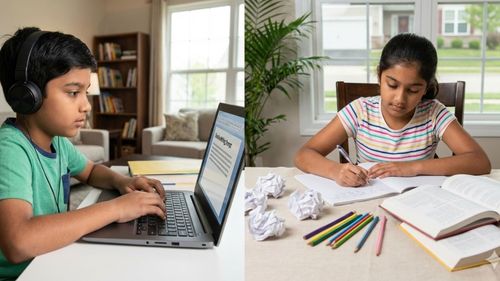

Stories don’t always need to be serious to be powerful. Some of the most memorable novels use humour, irony, and exaggeration to reveal deeper truths about society, people, and everyday behaviour. This is where satirical meaning plays a vital role in storytelling.
For students learning creative writing, satire offers a unique way to express opinions without sounding preachy. Through satire, writers can highlight flaws, question norms, and provoke thought, often while making readers smile or laugh. Understanding satirical meaning helps students go beyond simple storytelling and begin writing with intention, insight, and confidence.
In novel writing, satire allows writers to comment on real-world issues indirectly. Instead of stating problems openly, satirical writing uses humour, contrast, and irony to let readers discover the message themselves. This makes stories engaging, layered, and intellectually stimulating.
At PlanetSpark, creative writing introduces students to satirical techniques in a structured and age-appropriate way, helping them learn how humour and meaning work together in strong storytelling.
What is Satirical Meaning
Satirical meaning refers to the deeper message conveyed through humour, irony, exaggeration, or mockery. In satirical writing, what is said on the surface often means something entirely different underneath.
For example, a story might describe a “perfect” school where students study 24 hours a day without sleep. On the surface, it may sound impressive, but the satirical meaning criticises unrealistic academic pressure.
Understanding satire in simple terms
Satire works by:
Saying one thing and meaning another
Exaggerating reality to reveal truth
Using humour to highlight flaws
For students, understanding satirical meaning helps them realise that writing does not always have to be direct. Sometimes, indirect expression is more powerful.
Why satirical meaning matters in creative writing
Satirical writing encourages students to observe the world closely. They learn to notice:
Social habits
Human behaviour
Rules or systems that don’t make sense
By turning these observations into satirical elements, students develop critical thinking skills alongside creativity.
Satirical meaning also helps students express opinions safely and creatively. Instead of criticising directly, they learn how to use humour and storytelling to communicate ideas thoughtfully.
Students who understand satire write stories that stand out instantly.
Sign up now to help your child develop expressive and intelligent creative writing skills.
Structure of Satirical Writing
While satire may appear playful, strong satirical writing follows a clear structure. Understanding this structure helps students create satire that is effective rather than confusing.
Building blocks of satirical writing
Most satirical writing includes:
A familiar situation or setting
An exaggerated version of reality
A contrast between appearance and truth
A hidden message or criticism
For example, a novel might show a town obsessed with rules, where even smiling needs permission. This exaggerated setup creates humour, while the underlying satirical meaning critiques excessive control.
Tone and balance in satire
One of the biggest challenges for students is maintaining the right tone. Satire should be:
Clever, not insulting
Thought-provoking, not confusing
Humorous, not random
Creative writing teaches students how to balance humour with meaning. Too much exaggeration without clarity can distract readers. Too little humour can make the satire feel flat.
Structure helps readers discover meaning
Good satirical writing allows readers to uncover meaning gradually. Instead of explaining the message, writers:
Show patterns
Repeat exaggerated behaviour
Let consequences speak
This approach strengthens reader engagement and makes the satirical meaning more impactful.
Students who learn structure write satire that feels smart, not forced.
Satirical Meaning in Novel Writing
In novel writing, satire becomes even more powerful because it can develop over time. Characters, settings, and events work together to create layered satirical meaning that evolves as the story progresses.
How satire works in longer narratives
Unlike short satire, novels allow writers to:
Build exaggerated worlds
Develop satirical characters
Reinforce themes through repetition
For instance, a novel might follow a society obsessed with technology, where people communicate only through screens, even while sitting next to each other. Over time, this satirical setup highlights real concerns about isolation and dependence.
Characters as tools of satire
In satirical novels, characters often represent ideas rather than just individuals. A character may symbolise:
Blind ambition
Obedience to authority
Fear of change
Students learn that such characters don’t need to be realistic; they need to be meaningful. This understanding helps them use satire intentionally rather than accidentally.
Why students benefit from writing satirical novels
Writing satire helps students:
Think critically about the world
Express opinions creatively
Develop confidence in voice and style
Satirical meaning allows students to write boldly while still being thoughtful. It teaches them that humour can be intelligent and that stories can entertain while delivering strong messages.

How Can Students Effectively Use Satirical Meaning in Creative Writing?
Satire is not about making fun just for laughter; it is about using humour with purpose. For students, learning how to use satirical meaning effectively in creative writing helps them develop maturity in expression, originality in thought, and confidence in voice.
Observing the real world closely
The foundation of good satire begins with observation. Students who write strong satirical pieces often notice:
Repetitive behaviours in school or society
Rules that feel unnecessary or exaggerated
Social habits people follow without questioning
When these observations are reflected creatively, satire becomes meaningful. For example, a student may write about a school where students are graded on how silently they can think. The humour makes readers smile, but the satirical meaning questions pressure, conformity, and unrealistic expectations.
Creative writing encourages students to observe before they write, helping them transform everyday experiences into intelligent satire.
Using exaggeration with intention
Exaggeration is a key tool in satirical writing, but it must serve the message. Simply making something extreme is not enough; the exaggeration should highlight a truth.
Students learn to ask:
What am I exaggerating and why?
What behaviour or system am I questioning?
This process helps students avoid random humour and instead create satire that feels thoughtful and structured.
Students who learn satire early stand out in storytelling competitions and writing assessments.
Sign up now to help your child turn observations into impactful creative writing.
Creating clarity beneath humour
One challenge students face is ensuring that readers understand the satirical meaning. Strong satire guides the reader subtly:
Through repeated actions
Through the consequences faced by characters
Through contrast between what is said and what happens
Creative writing training helps students refine clarity so their satire communicates effectively without over-explaining.
Satirical Writing Techniques That Strengthen Novel Writing Skills
Satirical meaning does not exist in isolation; it strengthens overall novel-writing skills. When students practice satire, they naturally improve multiple aspects of storytelling.
Developing a confident narrative voice
Satirical writing requires a strong voice. Whether playful, ironic, or sharply observant, the narrator must feel intentional.
Students who practise satirical writing:
Become more expressive
Experiment with tone
Learn to control language for effect
This builds confidence that carries into other writing styles such as descriptive writing, dialogue, and narrative essays.
Enhancing character depth through satire
In satirical novels, characters often represent ideas or behaviours. A character who blindly follows rules or constantly seeks approval becomes a tool for satire.
Students learn how to:
Use characters symbolically
Show flaws through actions
Let humour reveal personality
This approach strengthens character development across all forms of creative writing.
Mastering voice and character early gives students a long-term edge in writing.
Enroll now to help your child learn storytelling techniques that go beyond basics.
Improving critical thinking and originality
Satirical writing pushes students to think critically:
Why do people behave this way?
What happens if this trend continues?
What would an exaggerated version of this look like?
By answering these questions creatively, students produce original ideas instead of predictable stories.
Satirical meaning encourages students to write with purpose, making their novels engaging, thoughtful, and memorable.
Why Choose PlanetSpark Creative Writing for Mastering Satirical Meaning
Learning satire requires guidance, structure, and practice. PlanetSpark’s Creative Writing program is designed to help students explore advanced concepts like satirical meaning in a supportive and age-appropriate way.
Genre-Focused Curriculum: Covers diverse forms like stories, poems, essays, reviews, and persuasive letters to build versatile writing skills.
Framework-Based Learning: Students master story arcs, the S.T.O.R.Y structure, the 5W1H method, and the PEEL technique for structured writing.
Writing and Speaking Integration: Learners present their written pieces to strengthen expression and storytelling confidence.
Real-Time Editing: Classes emphasise rewriting and refinement through peer reviews and teacher feedback.
Publishing Opportunities: Students can feature their work on PlanetSpark’s blog, e-magazine, or co-authored anthologies for recognition.
Creativity Boosters: Writing prompts, imagination games, and story dice activities nurture originality and creative thinking.\

Advaith Gupta – Spelling His Way to Global Recognition!
From mastering vocabulary to shining at SpellBee International, Advaith creates remarkable achievements.
Advaith’s journey highlights the power of strong language foundations. By building vocabulary, clarity, and confidence, he transformed learning into achievement on a global stage.
What sets Advaith apart isn’t just spelling accuracy; it’s communication confidence. His ability to understand words deeply and use them effectively reflects the same skills required in strong creative writing and public speaking.
Seats for advanced creative writing batches are limited.
Book a free demo class and experience how PlanetSpark nurtures expressive, confident writers.
Conclusion
Satire is more than humour; it is a powerful storytelling tool that helps writers communicate deeper truths. Understanding satirical meaning allows students to move beyond surface-level writing and create stories that engage, challenge, and entertain readers.
When applied to novel writing, satire strengthens voice, character, and originality. With the right guidance, students can master satirical writing confidently and responsibly.
PlanetSpark’s Creative Writing program empowers students to explore advanced literary techniques while building strong foundations in expression and storytelling.
Frequently Asked Questions
Satirical meaning is when a writer uses humour, irony, or exaggeration to express a deeper message. Instead of saying something directly, satire allows students to highlight problems or ideas in a clever, indirect way that makes readers think while enjoying the story.
Yes, when taught correctly. Satirical writing for students focuses on light exaggeration, playful irony, and observation rather than harsh criticism. With guidance, students learn how to use satire responsibly to express ideas creatively and respectfully.
Comedy is mainly written to entertain, while satire entertains and delivers meaning. Satirical meaning always points to a truth—about society, habits, or behaviour, making it more thoughtful and impactful than humour alone.
Absolutely. Satirical writing strengthens character development, narrative voice, and theme-building. When students use satire in novels, they learn how to layer meaning across events, settings, and character actions instead of relying on direct explanations.
Students should focus on clarity beneath humour. Repetition, consequences, and contrast help guide readers toward the intended meaning. Structured creative writing practice helps students balance humour and message effectively.