Short story comprehension for grade 1
helps young children understand what they read, think about stories, and talk about them with confidence. At this early stage, reading is not just about recognizing words. It is about understanding meaning, remembering details, and enjoying stories. Parents searching for short story comprehension for grade 1 want their child to read with understanding, not just read aloud.
PlanetSpark helps children build strong reading
and comprehension skills through guided practice. When children develop story comprehension early, they learn how to follow a story, answer simple questions, and connect ideas. PlanetSpark supports grade 1 learners through structured reading comprehension activities that help children understand short stories clearly and confidently.
What Is Short Story Comprehension for Grade 1
Short story comprehension for grade 1 means helping children understand what a story is really about, not just read the words on the page. Children learn to identify the main idea, recognize characters, and follow events in the correct order. This helps them think while reading instead of reading without understanding.
As children practice story comprehension, they learn to listen carefully, remember important details, and explain what happened in the story using their own words. This active thinking strengthens understanding and builds confidence. Strong story comprehension also creates a solid foundation for reading, speaking, and writing skills as children grow.
Why Story Comprehension Is Important at This Age
At the grade 1 level, children are just beginning to read independently. This stage is important because children are learning how to connect words with meaning. Story comprehension helps children understand that reading is about ideas and meaning, not just sounding out words.
Story comprehension helps children: • understand what the story is about • recognize characters and actions clearly • answer simple who, what, and where questions • enjoy reading and stay interested
Strong story comprehension makes reading meaningful and enjoyable. When children understand stories, they feel more confident, stay engaged, and develop a positive attitude toward reading and learning.
How Story Comprehension Builds Early Reading Skills
Story comprehension helps children become better readers by teaching them to think while reading. Instead of reading words without understanding, children learn to pause, reflect, and make sense of what is happening in the story. They begin to connect events, understand actions, and follow the flow of the story from beginning to end.
When children practice story comprehension regularly, reading becomes an active process rather than a mechanical task. Children start predicting what might happen next, remembering key details, and understanding simple ideas in the story. This thoughtful reading builds stronger engagement and confidence.
With regular story comprehension practice, children improve: • attention and focus while reading • memory and recall of story details • understanding of simple sentences and ideas • confidence in reading independently
These skills support overall reading development in grade 1 and help children enjoy reading more as they grow.
Short Story for Reading Comprehension Grade 1 Level
A short story for reading comprehension grade 1 is designed to be simple, engaging, and age appropriate. These stories use easy vocabulary, familiar situations, and clear characters so children can focus on understanding the story instead of struggling with difficult words.
At this level, stories are short enough to hold a child’s attention while still teaching important comprehension skills. Children learn how to follow events, recognize characters, and understand basic story structure.
What Makes a Good Grade 1 Comprehension Story
Good comprehension stories for grade 1: • are short and easy for young readers to finish • have a clear beginning, middle, and end • include familiar situations children can relate to • help children understand meaning clearly
PlanetSpark carefully selects and uses stories that match a child’s reading level and comprehension ability. Through guided reading and discussion, children learn how to understand stories confidently and enjoy the reading process.
Short Story Reading Comprehension for Grade 1 Explained Simply
Short story reading comprehension for grade 1 focuses on helping children understand stories through guided reading, discussion, and simple questions. Instead of only reading words aloud, children learn to think about the story, notice important details, and understand what is happening. This approach helps children connect meaning with what they read.
Children learn to answer basic questions such as who, what, where, and why. These questions guide children to think carefully about characters, actions, and events in the story. By explaining answers in simple sentences, children strengthen both understanding and spoken expression. Over time, children become more confident in understanding stories and talking about what they read.
Common Challenges Children Face with Story Comprehension
Many grade 1 children can read words correctly but still struggle to understand the story. This often happens because children focus mainly on reading aloud and less on meaning. When reading feels rushed or mechanical, comprehension becomes difficult.
Common challenges include: • forgetting important story details • difficulty answering simple questions • not understanding the main idea of the story • losing interest while reading
These challenges are common at this age and do not mean a child is a poor reader. With guided support and the right approach, story comprehension can improve steadily.
How Guided Practice Improves Story Comprehension
Children learn story comprehension best when they receive guidance, encouragement, and feedback. Guided practice shows children how to think about stories, pause at the right time, and answer questions confidently.
Through guided reading, children are taught how to focus on meaning instead of just reading words. This helps them enjoy stories more and understand them better.
Step by Step Comprehension Support
Guided story comprehension helps children: • read stories with understanding instead of rushing • answer simple comprehension questions correctly • explain ideas using their own words • build confidence while reading and speaking
This structured approach makes reading enjoyable and helps children develop strong comprehension skills over time.
Why Strong Story Comprehension Supports Writing and Speaking
Story comprehension helps children not only become better readers, but also stronger speakers and writers. When children understand stories, they learn how sentences work, how ideas connect, and how events are organised.
Story comprehension lays the foundation for confident communication across reading, speaking, and writing.
How Parents Can Support Short Story Comprehension at Home
Parents play an important role in strengthening short story comprehension for grade 1 children. Simple reading habits at home can make a big difference in how well children understand stories.
Reading together and talking about stories helps children think, remember details, and enjoy the reading process. A relaxed and positive reading environment encourages curiosity and confidence.
Simple Activities to Improve Story Comprehension
Parents can support story comprehension by: • asking simple questions like who and what after reading • encouraging the child to retell the story in their own words • pointing to pictures and discussing what is happening • praising effort instead of focusing on mistakes
These small activities help children connect meaning with words and build strong comprehension skills naturally.
Signs Your Child Is Improving in Story Comprehension
As children practice short story reading comprehension for grade 1, parents can begin to notice clear signs of progress. These signs show that the child is not only reading, but also understanding and enjoying stories.
What Progress Looks Like in Grade 1 Readers
Children with improving story comprehension begin to: • answer basic questions correctly • remember story events in the correct order • explain characters and actions clearly • show interest, curiosity, and excitement while reading
Recognizing these signs helps parents feel confident that their child’s reading and comprehension skills are developing well and moving in the right direction.
How Short Story Comprehension Builds a Love for Reading
Short story comprehension for grade 1 does more than improve understanding. It helps children enjoy reading and develop a positive relationship with books. When children understand what they read, stories feel interesting instead of confusing, which increases motivation to read more.
Children who enjoy reading are more likely to practice regularly, explore new stories, and build stronger language skills over time. Story comprehension helps children feel successful while reading, and this sense of success encourages curiosity and confidence.
Making Reading Enjoyable and Stress Free
Strong story comprehension helps children: • feel excited to read instead of anxious • stay engaged throughout a story • connect emotionally with characters • ask questions and share opinions
By making reading enjoyable and stress free, short story comprehension lays the foundation for lifelong reading habits and continuous learning.
PlanetSpark: Building Expressive and Confident Young Writers
PlanetSpark helps children master creative writing through live one to one sessions and structured learning.
1:1 Expert Coaching Children receive personalised guidance from certified communication mentors.
Step by Step Creative Writing Instruction Students learn poetry, storytelling, and structured writing frameworks.
Real Time Feedback and Practice Children revise writing with expert support.
AI Based Writing and Speaking Analysis SparkX evaluates clarity, structure, vocabulary, and expression.
Continuous Progress Tracking Parents receive clear insights into writing growth and confidence.
Geethik’s Journey: Building Early Reading Confidence Through Stories
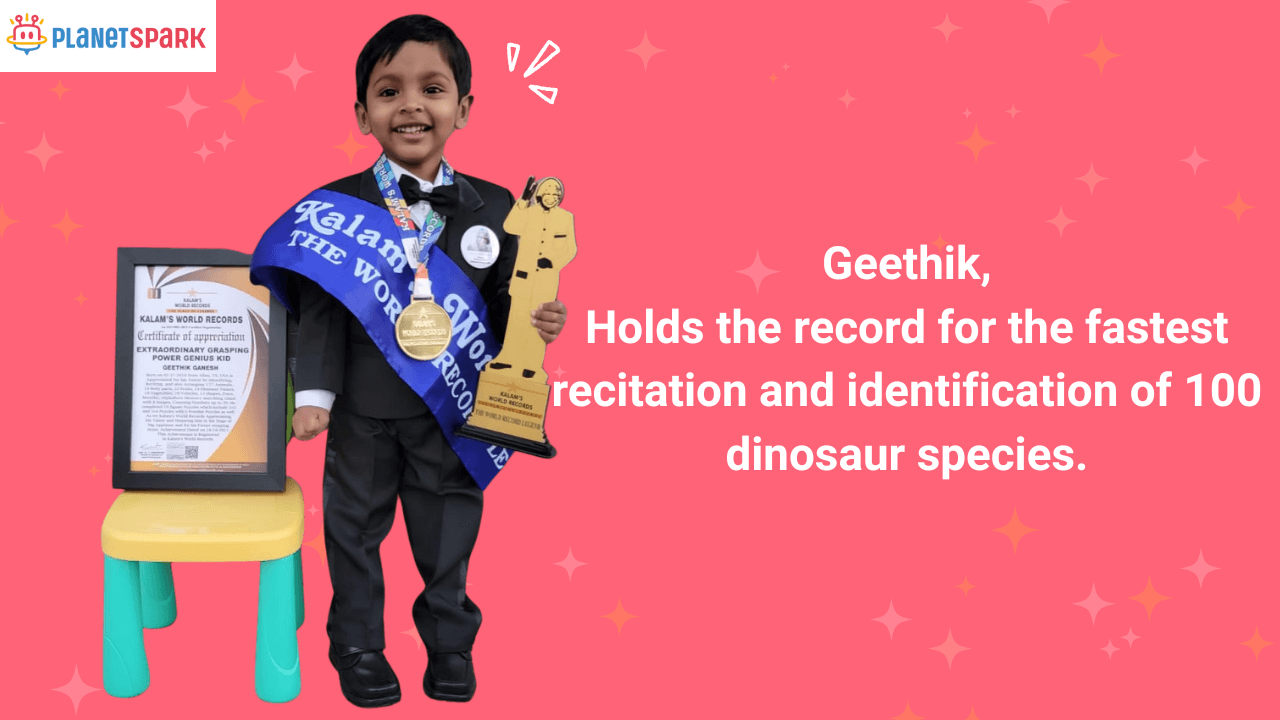
Geethik, a curious Grade 1 learner aged 6, amazed everyone with his ability to quickly recite and identify 100 species of dinosaurs. This sharp recall and attention to detail translated naturally into stronger short story comprehension. By reading simple stories regularly, Geethik learned to recognise key details, follow sequences, and connect information confidently. His progress shows how early reading practice strengthens comprehension skills and helps young readers understand stories with clarity and interest.
Final Thoughts on Short Story Comprehension for Grade 1
Short story comprehension for grade 1 helps children understand what they read and enjoy learning through stories rather than feeling pressured or confused. When children develop story comprehension early, reading becomes meaningful, engaging, and fun. They begin to connect with characters, follow events, and feel confident talking about stories in their own words.
PlanetSpark’s structured learning and expert guidance help children build strong story comprehension skills step by step through guided reading, discussion, and practice. This foundation prepares children to read confidently, understand stories clearly, and express ideas with confidence as they grow, supporting success in reading, speaking, and writing.
Short story comprehension for grade 1 means helping children understand the main idea, characters, and events in a story. It teaches children to think about what they read instead of only reading words aloud. This skill helps children talk about stories confidently and builds early reading understanding.
Story comprehension is important because it helps children understand meaning, remember details, and enjoy reading. When children understand stories, reading becomes fun instead of frustrating. This early confidence supports stronger reading, speaking, and learning skills as they grow.
Parents can help by reading together, asking simple questions, and encouraging children to retell stories in their own words. Talking about pictures and praising effort also support understanding. These simple activities help children feel confident and interested in reading.
Short, simple, and engaging stories with clear characters and easy vocabulary are best for grade 1 comprehension. Stories with a clear beginning, middle, and end help children follow events easily. Familiar topics help children connect better with the story.
Common challenges include forgetting story details, difficulty answering questions, and not understanding the main idea. Some children focus only on reading aloud without understanding meaning. With the right guidance and practice, these challenges reduce over time.
PlanetSpark helps children develop story comprehension through live 1:1 sessions, guided reading, and expert feedback. Children learn to understand stories, answer questions confidently, and enjoy reading. This structured support builds strong comprehension and communication skills step by step.