
Speech on Importance of Communication | Detailed Guide

Table of Contents
- Understanding a Speech on Importance of Communication
- What Is Communication and Why Is It Important?
- Sample Speech on Importance of Communication
- Importance of Communication in Daily Life
- Steps to Deliver an Effective Speech on the Importance of Co
- PlanetSpark Creative Writing Course Overview
- Inspire, Speak, Grow – Your Child’s Voice Matters
Communication is the backbone of human interaction. Whether at school, work, or in daily conversations, effective communication enables clarity, builds relationships, resolves conflicts, and shapes our personality. If you are searching for a speech on importance of communication, this blog will help you understand what communication is, why it matters, and how to present a powerful speech confidently.
Here we discuss the meaning and significance of communication, speech structure, examples, tips, and how young learners can improve through the PlanetSpark Creative Writing Course.
Understanding a Speech on Importance of Communication
What Is Communication and Why Is It Important?
Communication is the process of exchanging information, thoughts, emotions, and ideas between individuals or groups. It can occur through spoken words, written messages, body language, facial expressions, gestures, or even visual cues such as images and signs. Effective communication ensures that the message sent is the same as the message received, creating understanding between people.
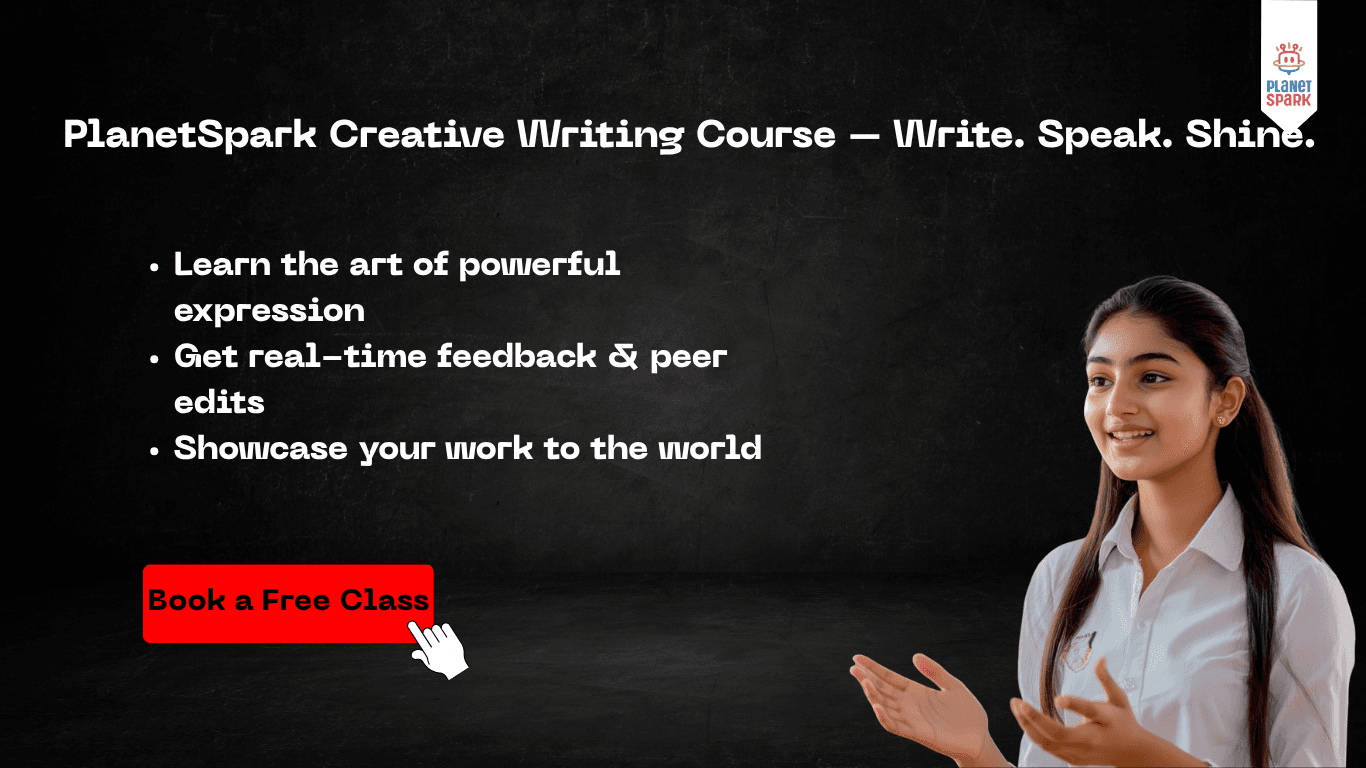
When giving a speech on the importance of communication, the goal is to show how deeply communication influences every part of our lives—personal, academic, and professional.
Why Communication Matters
In schools:
Communication helps students share ideas, ask questions, participate confidently, and build strong relationships with peers and teachers. It strengthens language skills, creativity, and overall self-expression.
In workplaces:
Good communication allows professionals to collaborate efficiently, solve problems, share responsibilities, and build trust within teams. It improves productivity and supports a positive work culture.
At home:
Families build stronger bonds through open conversation. Clear communication reduces misunderstandings and encourages emotional support.
Simply put, without communication, progress is impossible. Every idea, relationship, and action depends on our ability to express and understand.
Communication Builds Confidence
A key benefit of strong communication is increased confidence. The ability to speak clearly, listen actively, and express ideas thoughtfully helps individuals:
Lead conversations
Present ideas persuasively
Resolve conflicts
Navigate social and academic challenges
Build leadership qualities
When students start practicing communication skills early—through speaking activities, storytelling, discussions, or public speaking—they develop stronger vocabulary, clearer expression, and higher self-esteem.
Enroll your child in the PlanetSpark Creative Writing Course to build confidence and fluency.
Sample Speech on Importance of Communication
Below is a detailed speech drafted to deliver at a school assembly, competition, or classroom activity.
A Model Speech
Good morning, respected teachers and dear friends.
Today, I stand before you to share my thoughts on the importance of communication. Communication is the bridge that connects people. It allows us to understand one another, share ideas, express emotions, and resolve issues. Without communication, there would be confusion, isolation, and misunderstandings.
Communication comes in many forms: verbal, written, and nonverbal. Verbal communication allows us to speak our mind; written communication preserves ideas; nonverbal communication expresses feelings through expressions and gestures. Together, they make human interaction meaningful.
Think about school. We learn better when we ask questions, talk to classmates, and exchange ideas with teachers. In personal life, communication helps build strong relationships with family and friends. In the professional world, strong communication skills are necessary for teamwork, leadership, and growth.
Good communication is not only about speaking. It is also about listening, understanding, and responding thoughtfully. A good listener makes others feel valued and heard.
In a world filled with diverse cultures and beliefs, communication promotes unity and mutual respect. It can prevent conflicts and bring peace.
To develop good communication, we must practice regularly. Read books, speak in public, interact with others, listen carefully, and never hesitate to express your ideas.
In conclusion, communication is a powerful tool. It is the foundation of success. By communicating well, we can inspire others, solve problems, and build a better world.
Thank you.
Join the PlanetSpark Creative Writing Course to strengthen academic communication.
Importance of Communication in Daily Life
Communication is at the core of human interaction. It influences how we think, express, learn, collaborate, and build relationships. Whether spoken, written, or expressed through actions and body language, communication is the foundation of personal, academic, and professional growth.
Personal Growth Through Communication
Communication shapes our identity and self-confidence. As children grow, their speaking and writing abilities determine how comfortably they participate in activities, make friends, or express ideas. When communication is strong, children develop:
Emotional expression:
They can share feelings clearly without frustration or confusion.
Clarity of thought:
Speaking and writing help children think in structured, meaningful ways.
Empathy:
Listening to others’ experiences teaches compassion and understanding.
Confidence:
Being able to express needs, ideas, and opinions boosts self-esteem.
For students, communication is a doorway to leadership and active participation. It enhances teamwork, problem-solving, adaptability, and creativity.
Academic Excellence through Communication
Communication plays a direct role in academic success. Students who communicate effectively can:
Ask meaningful questions
Participate confidently in classroom discussions
Work better in groups
Present assignments clearly
Express ideas in writing with accuracy and depth
Communication integrates the four core skills—reading, writing, listening, and speaking. Mastering these skills supports high levels of comprehension, analytical thinking, and academic performance.
This also highlights the importance of learning platforms that promote creative expression, interactive learning, and structured communication training.
Communication in Professional Life
Strong communication skills are essential in every career, regardless of industry. From job interviews to meetings, presentations, and team collaboration, effective communication demonstrates professionalism and competence.
Employers actively seek individuals who are skilled in both verbal and written communication, because such employees:
Add clarity to workplace tasks
Strengthen teamwork and productivity
Help maintain a positive and collaborative environment
Handle customers and clients effectively
In leadership roles, communication becomes even more vital. Leaders must motivate teams, solve conflicts, and convey vision clearly.
Communication and Relationships
Healthy communication strengthens all personal and professional relationships. It helps people connect, understand each other, and resolve conflicts peacefully.
In families, communication builds trust and emotional bonding.
In friendships, it encourages honesty, respect, and shared understanding.
In workplaces, it prevents misunderstandings and promotes harmony.
Nonverbal communication—such as gestures, facial expressions, tone of voice, and eye contact—plays a significant role in how messages are received. Often, body language communicates more than words.
Steps to Deliver an Effective Speech on the Importance of Communication
Delivering a strong speech requires clarity, structure, and confidence. When the topic is the importance of communication, these steps help you create an impactful and meaningful presentation.
Choose a powerful opening
Your opening should grab the audience’s attention immediately. You can begin with a question, a surprising fact, a short story, or a strong statement. A powerful opening sets the tone and makes listeners curious.
Example:
What if I told you that most problems in life can be solved with one skill—communication?
Explain the meaning of communication
Before diving deeper, define what communication actually means. Explain that communication is not just talking—it’s expressing ideas, listening, understanding, sharing thoughts, and building connections. This gives your speech a strong foundation.
Discuss verbal, written, and nonverbal communication
To make the topic complete, explain the three main forms of communication:
Verbal communication: Speaking clearly, tone, and word choice
Written communication: Emails, messages, essays, and professional writing
Nonverbal communication: Body language, eye contact, posture, gestures, facial expressions
Describing these categories helps your audience understand how broad and essential communication really is.
Share personal or relatable examples
Examples make your speech realistic and engaging. You can talk about:
How good communication helped solve a misunderstanding
How poor communication led to a problem
A personal experience where communication built confidence
A classroom or workplace situation showing power of teamwork
Relatable stories connect emotional experience with your message.
Conclude with a memorable message
End your speech with a strong takeaway. Your conclusion should summarize the importance of communication and leave the audience inspired or thoughtful.
Example:
Communication is more than a skill—it is the bridge that connects people, ideas, and opportunities. Master it, and the world opens up to you.
PlanetSpark Creative Writing Course Overview
PlanetSpark’s Creative Writing Course prepares children to express themselves confidently while developing strong writing habits.
Genre-Based Curriculum
Students explore short stories, poetry, journal writing, essays, book reviews, and persuasive letters.
Writing + Speaking Integration
Learners present their writing orally to build confidence, structure, and public speaking skills. The program follows the LSRW approach: Listening, Speaking, Reading, and Writing.
Editing, Feedback, and Rewriting
Students receive real-time feedback, peer reviews, and guided revision techniques to refine their writing.
One-on-One Personal Trainers
Every learner gets a certified instructor for personalized coaching. Trainers understand students’ personalities, strengths, and challenges to boost fluency, public speaking, and creative writing.
Personalized Curriculum and Roadmap
A tailored curriculum addresses grammar, vocabulary, confidence, and content structuring. Continued assessments ensure ongoing growth.
SparkX – AI-Enabled Video Analysis Tool
Students upload speeches and presentations. AI evaluates clarity, posture, grammar, and delivery. Reports help track progress.
Inspire, Speak, Grow – Your Child’s Voice Matters
Strong communication is more than just a skill; it is a foundation for lifelong success. Children who learn to express ideas clearly grow into confident thinkers, empathetic listeners, and collaborative leaders. Whether they are speaking in a classroom discussion, presenting at a school event, or sharing thoughts with friends and family, communication empowers them to build meaningful connections and influence those around them.
Introducing communication training early helps children enhance vocabulary, creativity, and self-expression. It nurtures emotional intelligence, problem-solving, and the ability to handle real-world challenges with confidence. As they progress academically and socially, strong communication becomes their biggest strength in shaping a bright future.
You may also read:
Frequently Asked Questions
It boosts confidence, improves academic performance, helps in teamwork, and enhances problem-solving abilities.
Practice speaking regularly, read more, write daily, listen actively, and participate in discussions.
Verbal, written, and nonverbal communication.
It supports teamwork, builds strong relationships, reduces conflicts, and improves productivity.
PlanetSpark offers live, interactive spoken English sessions, grammar lessons, role plays, AI fluency reports, and personalized trainers to help learners communicate with confidence in everyday life.