
Story Sequencing Practice Guide for Kids | Techniques
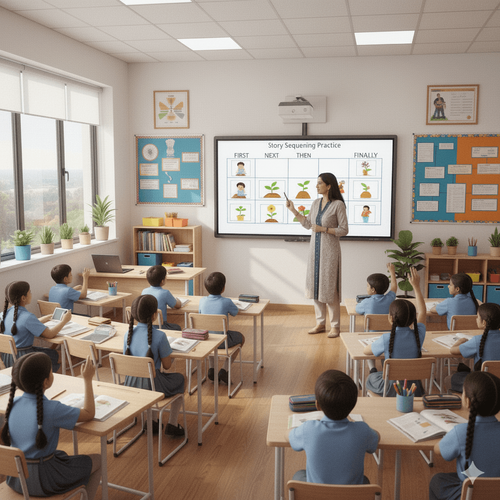

Table of Contents
- What Is Story Sequencing Practice? (Understanding the Core C
- Benefits of Regular Story Sequencing Practice
- How to Teach Story Sequencing Practice (Techniques, Examples
- Common Challenges Kids Face With Story Sequencing
- Common Challenges Kids Face With Story Sequencing
- Story Sequencing Practice for Different Age Groups
- PlanetSpark’s Creative Writing Course: The Ultimate Solution
- Conclusion: Help Your Child Become a Powerful Thinker & Stor
Story sequencing practice is one of the most essential early literacy skills that helps children learn how to think, organize ideas, and build meaningful narratives. When parents search for “story sequencing practice,” they usually want simple, structured guidance to help kids understand the logical order of events, beginning, middle, and end. This blog explains what story sequencing is, why it matters, how children can master it, and which techniques work best. You will also find effective strategies, examples, worksheets, and creative activities to help young learners strengthen their story-building abilities.

What Is Story Sequencing Practice? (Understanding the Core Concept)
Story sequencing practice refers to helping children learn how to arrange events in a logical order so a story makes sense from start to finish. Sequencing is the backbone of reading comprehension, storytelling, creative writing, and communication. When a child understands how events unfold in a story, they naturally become better at retelling narratives, writing stories, and expressing ideas clearly.
Why Is Story Sequencing Important for Young Learners?
Children who regularly practise story sequencing develop:
Better reading comprehension
Improved logical thinking
Stronger creative writing skills
Enhanced attention to detail
Clearer communication abilities
Increased confidence in storytelling
This foundational skill also strengthens higher-order thinking, allowing children to analyse cause and effect, predict outcomes, and build structured narratives.
Secondary Keywords Used:
story sequencing activities
sequencing worksheets for kids
narrative sequencing skills
logical order of events
storytelling practice for children
Benefits of Regular Story Sequencing Practice
Story sequencing practice is more than a classroom exercise,it shapes how children think. When kids learn to recognize a story’s order, they naturally understand patterns, timelines, and narrative flow.
1. Enhances Comprehension and Retention
When children know how to identify the beginning, middle, and end of a story, they understand the plot better. Sequencing helps them remember key details and improves long-term retention.
2. Boosts Creative Thinking
Sequencing teaches children how to build imaginative stories. They learn how characters grow, how problems unfold, and how endings provide closure.
3. Develops Early Writing Skills
Before writing independently, children need a sense of order. Sequencing gives them a blueprint to write stories with clarity and coherence.
4. Strengthens Verbal Expression
Kids who can sequence stories can explain their thoughts clearly in conversations, class presentations, and storytelling sessions.
How to Teach Story Sequencing Practice (Techniques, Examples & Activities)
Teaching story sequencing should be practical, fun, and interactive. Here’s how:
Methods to Teach Story Sequencing
1. Picture Cards & Flashcards
Visual aids are the most effective way to introduce sequencing. Children can arrange images in order and explain why they placed them that way.
Examples:
Brushing teeth sequence
Cooking a meal
Going to school
Life cycle of a butterfly
This strengthens narrative sequencing skills while making the process enjoyable.
2. Story Sequencing Worksheets
Sequencing worksheets for kids usually come with mixed-up events. Children must arrange them correctly. Worksheets help improve focus, observation, and logical order skills.
Worksheet ideas:
Classic fairy tales
Daily routine activities
Short moral stories
3. Beginning-Middle-End Mapping
Ask children to divide any story into three sections. This helps them understand structure and develop strong story-building skills.
4. Read-Aloud Sessions
Reading stories aloud encourages active listening. Pause and ask:
What happened first?
What happened next?
How did it end?
5. Retelling & Summarizing Activities
Children learn to express stories in their own words. This boosts confidence, vocabulary, and sequencing accuracy.
6. Story Dice & Prompt Cards
Story dice introduce unexpected combinations, prompting kids to think creatively while sequencing events logically.
7. Digital Storytelling Tools
With interactive apps and online platforms, children can drag, drop, and reorder story events to explore sequencing in modern ways.
Common Challenges Kids Face With Story Sequencing
1. Difficulty Understanding Timeline
Some children struggle to distinguish what happened first or last. Using pictures and physical activities helps bridge the gap.
2. Limited Vocabulary
When children lack words to describe events, they find sequencing hard. Reading more stories and practicing dialogue helps.
3. Overlooking Key Details
Some kids focus too much on illustrations and ignore the plot. Guiding them to pay attention to emotions, settings, and actions improves their sequencing.
4. Mixing Up Middle Events
The middle section of a story often contains the conflict. Kids may mix up events here, so structured worksheets help.
5. Difficulty Connecting Cause & Effect
Sequencing and cause-effect go hand in hand. Using simple examples like “He pushed the glass, so it fell” helps reinforce the link.
Common Challenges Kids Face With Story Sequencing
1. Difficulty Understanding the Timeline
Many children find it hard to identify what happened first, next, and last—especially in stories with multiple characters or events. They may jump to the most exciting moment instead of following the actual order. Using picture cards, story videos, and hands-on activities helps them see how events flow naturally from beginning to end.
2. Limited Vocabulary
Sequencing becomes challenging when kids don’t have enough words to describe actions or events. They might understand the story but struggle to express it in order. Regular reading, storytelling games, and learning simple transition words (like first, then, next, finally) help strengthen their sequencing language.
3. Overlooking Important Details
Some children get distracted by colorful illustrations and miss key elements like actions, settings, or character intentions. As a result, they may rearrange events incorrectly. Encouraging them to notice clues—such as facial expressions, background changes, and what characters are doing—helps them grasp the complete story.
4. Mixing Up Middle Events
The middle part of a story usually includes the problem or conflict, which can feel confusing for young learners. Kids might swap events or skip essential steps. Using structured worksheets, three-part stories, or simple “problem → action → solution” templates helps them stay on track.
5. Difficulty Connecting Cause and Effect
Sequencing requires understanding how one event leads to another. Many children struggle to link actions with outcomes—for example, “She lost her umbrella, so she got wet.” Practicing simple cause-and-effect examples and discussing daily routines (“We eat breakfast before going to school”) helps kids understand natural order.
Story Sequencing Practice for Different Age Groups
Preschoolers (Ages 3–5)
Focus on simple picture-based sequencing of 2–3 steps.
Early Primary (Ages 6–8)
Introduce worksheets, short stories, and verbal retelling.
Upper Primary (Ages 9–12)
Teach paragraph sequencing, cause-effect analysis, and creative writing.
PlanetSpark’s Creative Writing Course: The Ultimate Solution for Story Sequencing Mastery
PlanetSpark helps children master story sequencing through a structured writing curriculum, personalised attention, and fun creative activities. The course builds confidence, clarity, and storytelling skills in a highly engaging way.
PlanetSpark combines creative writing, speaking practice, and personalised coaching to help children organise ideas better and express stories confidently.
Genre-Based Curriculum
Children learn story writing, poems, journals, essays, and reviews through simple, structured lessons that strengthen sequencing skills.
Writing + Speaking Integration
Kids write and present their work, improving narrative flow and clarity.
1:1 Personal Trainers
Each child gets personalised coaching based on their learning style and pace.
Spark Diary
A digital journal encourages regular writing and builds consistency.
Gamified Learning
Games make grammar, vocabulary, and writing practice engaging and enjoyable.
PTMs & Progress Reports
Parents receive regular updates on their child’s growth in writing and communication.
Learning Clubs
Storytelling and writing clubs help children collaborate and practise regularly.
Conclusion: Help Your Child Become a Powerful Thinker & Storyteller
Story sequencing practice does far more than improve writing,it shapes how children think, analyze, and communicate. A child who can organise events in a story can also organise thoughts in real life, plan better, express clearly, and communicate confidently. With consistent practice through worksheets, picture cards, storytelling sessions, and creative activities, kids begin to build stronger narrative logic, better comprehension, and imaginative thinking.
PlanetSpark’s Creative Writing Course takes this growth even further by combining expert-led 1:1 classes, AI-powered feedback, genre-based writing, publishing platforms, and fun gamified learning. If you want your child to shine as a storyteller, thinker, and communicator, this is the perfect place to begin.
You may also read :
Frequently Asked Questions
Story sequencing practice helps children understand the logical order of events—what happens first, next, and last. It improves comprehension, storytelling skills, organization, and critical thinking. By practising sequencing through pictures, worksheets, reading, and narration, kids learn how to build structured and meaningful stories.
Sequencing builds early literacy skills, improves reading comprehension, strengthens writing abilities, and enhances verbal communication. It also helps children understand cause and effect, predict events, and analyse narratives better. These foundational skills support long-term academic success.
Use picture cards, flashcards, story mapping worksheets, read-aloud sessions, storytelling dice, and retelling activities. Start with simple three-step sequences, and gradually introduce more complex stories. Ask reflective questions to guide understanding.
Some of the best activities include cut-and-paste worksheets, comic strip creation, storyboard drawing, role-play, object-based storytelling, digital sequencing apps, and daily routine sequencing exercises. These activities make learning fun and interactive.
PlanetSpark strengthens sequencing through structured creative writing lessons, storytelling tasks, AI feedback, 1:1 coaching, publishing opportunities, and gamified practice. Children learn not just to arrange events but to build compelling narratives with clarity, creativity, and expression.