

Storytelling and Narrative Writing: Structure, Meaning, and Creative Expression
A Deeper Look at Storytelling and Narrative Writing and How Stories Are Built
What Is Storytelling?
Storytelling is the art of sharing ideas, experiences, or imagination through a story. In creative writing, storytelling helps writers give shape and meaning to their thoughts, turning simple ideas into engaging narratives.
From children creating imaginary worlds to adults writing personal experiences, storytelling plays a key role in creative expression. It works because the human mind naturally understands information through stories, also known as narrative thinking.
Storytelling can take many forms, including written storytelling, visual storytelling, and digital storytelling. Regardless of the format, effective storytelling focuses on clear flow, emotional connection, and a strong sense of beginning, middle, and end.
Storytelling forms the foundation of narrative writing, where stories are structured and expressed through words.
What Is Narrative Writing?
Narrative writing is a form of creative writing that tells a story through written words. It gives structure to storytelling by organizing ideas into a clear sequence, usually with a beginning, middle, and end. While storytelling is the idea, narrative writing is the written form that brings that story to life.
In narrative writing, the writer shares events, experiences, or imagined situations in a way that feels meaningful and connected. This can include personal stories, short fiction, or narrative essays. For younger writers, narrative writing builds imagination and expression. For older learners, it helps develop clarity, flow, and strong creative writing skills.
Every piece of narrative writing includes key elements such as characters, setting, plot, and emotion. These elements work together to guide the reader through the story and create engagement. Understanding what is narrative writing helps writers of all ages express their ideas with purpose and creativity.
Narrative writing forms the backbone of many creative formats, making it an essential skill for anyone learning the art of storytelling.
The Art of Storytelling in Creative Writing
The art of storytelling in creative writing is about shaping ideas into stories that feel natural, meaningful, and engaging. It goes beyond imagination and focuses on how a story is built so the reader can easily follow and connect with it.
Key aspects of storytelling in creative writing include:
Clear structure
Every story follows a flow that helps ideas unfold smoothly.Purposeful details
Writers choose details that add meaning instead of overwhelming the story.Emotional depth
Stories become memorable when they reflect feelings, experiences, or inner thoughts.Audience awareness
Creative writing changes based on who the story is for, whether children, students, or adults.Consistency in voice
A steady tone helps maintain clarity and strengthens narrative writing.
When these elements come together, storytelling becomes a powerful creative writing skill that brings narratives to life and keeps readers engaged from start to finish.
Understanding Narrative Thinking
Narrative thinking is the ability to organize thoughts, experiences, and ideas in the form of a story. In creative writing, it helps writers move from random ideas to a clear and meaningful narrative that readers can easily follow.
Narrative thinking allows writers to:
Sequence ideas logically, so the story flows naturally
Identify key moments that move the narrative forward
Create connections between events, characters, and emotions
Maintain clarity, even when writing imaginative or complex stories
For children, narrative thinking supports imagination and expression by helping them explain ideas in order. For older writers, it strengthens creative writing by improving structure, coherence, and storytelling flow.
By developing narrative thinking, writers learn how to shape their stories with intention, making narrative writing more engaging and purposeful.
Structure and Meaning Behind Narrative Writing
Structure gives narrative writing its shape and meaning. In creative writing, structure helps transform ideas into stories that feel complete, clear, and engaging. Without structure, even imaginative stories can feel confusing or unfinished.
In narrative writing, structure helps writers:
Organize ideas into a logical flow
Guide the reader through the story with clarity
Create meaning by showing how events connect
Maintain focus from the beginning to the ending
A well structured narrative allows creativity to shine without losing direction. For younger writers, structure provides guidance and confidence. For adults, it helps express complex thoughts in a clear and creative way.
Understanding the structure behind narrative writing makes storytelling more purposeful and allows writers to communicate ideas with impact and creativity.
Narrative Writing Format Explained
Narrative writing follows a simple yet powerful format that helps writers express stories clearly. This format gives direction to creative ideas and ensures the story feels complete and easy to follow.
Most narrative writing is built around three main parts. It begins with an introduction that sets the context and introduces the situation, characters, or idea. This is followed by the middle section, where events develop, challenges appear, and the story moves forward. The ending brings closure by resolving the events or sharing a final thought or insight.
This narrative writing format works across all age groups. Children use it to organize imaginative stories, while adults use it to shape personal experiences or creative essays. Understanding this format allows writers to focus on creativity while maintaining clarity and flow in their storytelling.
Plot Structure and Story Arcs in Storytelling
Plot structure and story arcs help shape how a story unfolds in narrative writing. They provide a clear path for events, making sure the story develops with purpose and direction rather than feeling random.
In creative writing, a plot usually begins by introducing a situation or idea. As the story progresses, events build tension or interest, leading to an important moment or turning point. The story then moves toward resolution, where the outcome or message becomes clear. This rise and fall of action is often called a story arc.
Understanding plot structure helps writers of all ages plan their stories more effectively. Young writers learn how to move from one idea to the next, while older writers use story arcs to add depth and meaning to their narratives. A well planned plot keeps readers engaged and gives narrative writing a strong sense of flow and completion.
Character Development in Narrative Writing
Character development is a key element of narrative writing that brings stories to life. In creative writing, characters help readers connect emotionally with the story and understand its meaning beyond events alone.
In storytelling, a character can be a person, an imagined figure, or even a version of the writer themselves. Well developed characters have clear traits, motivations, and reactions that make the narrative feel real and engaging. For children, character development supports imagination and emotional expression. For adults, it adds depth and authenticity to narrative essays and creative stories.
Strong character development allows narrative writing to move beyond description and into experience. When readers understand a character’s thoughts and actions, the story becomes more meaningful and memorable.
Setting and Context in Storytelling
Setting and context play an important role in storytelling by shaping where and when a narrative takes place. In narrative writing, the setting provides background that helps readers understand the story more clearly and imagine it more vividly.
In creative writing, setting includes location, time, environment, and atmosphere. A story may be set in a real place or an imagined world, but the setting should always support the narrative and its meaning. For younger writers, describing setting builds imagination and sensory detail. For older writers, setting adds depth and realism to narrative essays and creative stories.
Strong storytelling uses setting to influence mood and guide the reader’s understanding of events. When setting and context are clearly defined, narrative writing becomes more immersive and engaging, helping the story feel complete and believable.
Building Emotional Connection Through Stories
Emotional connection is what makes storytelling powerful and memorable. In narrative writing, emotions help readers relate to the story and stay engaged from beginning to end.
Creative writing uses feelings such as joy, fear, curiosity, or hope to give meaning to events and characters. For children, emotional storytelling helps express thoughts and experiences in a simple way. For adults, it allows deeper reflection and adds richness to narrative essays and personal stories.
By showing emotions through actions, thoughts, and situations, writers create stronger storytelling experiences. This emotional depth turns narrative writing into more than just words, helping stories leave a lasting impression on the reader.
Sequencing Ideas in Narrative Writing
Sequencing ideas is essential to clear and effective narrative writing. It refers to arranging events and thoughts in a logical order so the story flows smoothly and feels easy to understand.
In storytelling, good sequencing helps readers follow what happens first, what follows next, and how the story reaches its conclusion. For children, this builds basic storytelling skills and improves clarity in creative writing. For older writers, sequencing strengthens narrative essays by ensuring ideas connect naturally.
Well sequenced narrative writing avoids confusion and keeps the reader engaged. When ideas are placed thoughtfully, storytelling becomes more structured, meaningful, and impactful.
Narrative Writing Examples for Different Age Groups
Narrative writing examples help illustrate how storytelling develops with age, experience, and creative maturity. While the structure of narrative writing remains consistent, the way stories are expressed changes over time. These examples show how creative writing grows while maintaining clarity, imagination, and meaning.
Narrative writing for children
Stories often focus on simple events or imaginative ideas, such as a school day or a fantasy adventure. These narratives help children understand sequencing, build vocabulary, and express emotions through basic storytelling.Narrative writing for students
Narrative essays explore personal experiences, challenges, or lessons learned. Students use stronger structure, clear plot development, and reflection to improve narrative writing and storytelling skills.Narrative writing for adults
Adult narratives often include deeper themes, detailed character development, and emotional insight. These stories may take the form of creative essays or reflective narratives, focusing on meaning and polished expression.
These narrative writing examples demonstrate how storytelling remains central to creative writing at every stage, evolving in depth and complexity while following the same narrative principles.
Narrative Essay Writing in Creative Writing
Narrative essay writing is a form of creative writing where a story is used to share an experience, idea, or personal insight. Unlike purely factual writing, a narrative essay focuses on storytelling, allowing the writer to express thoughts, emotions, and meaning through a structured narrative.
In narrative essays, writers follow a clear narrative writing format with an introduction, development of events, and a conclusion. These essays often explore real life moments, personal growth, or meaningful experiences, making them both reflective and expressive. Common narrative essay topics include personal achievements, challenges faced, or memorable life events.
Narrative essay writing helps writers strengthen storytelling skills while maintaining clarity and structure. It encourages creativity, self expression, and thoughtful reflection, making it an important part of creative writing across different age groups.
Narrative Reports as a Creative Writing Form
Narrative reports combine storytelling with structured writing to present information in a clear and engaging way. In creative writing, a narrative report uses a story like flow to explain events, observations, or experiences while maintaining meaning and coherence.
Unlike traditional reports, narrative reports focus on sequencing ideas and providing context. The writer explains what happened, how it happened, and why it mattered, using a narrative writing format rather than lists or disconnected points. This approach helps readers follow the information more naturally.
Narrative reports show how storytelling can exist within structured writing. They allow writers to practice clarity, flow, and expression while staying rooted in creative writing principles.
Visual and Digital Storytelling in Creative Writing
Visual and digital storytelling expand traditional narrative writing by combining words with images, videos, or multimedia elements. In creative writing, these formats help stories become more engaging and easier to understand.
Visual storytelling uses illustrations, photographs, or visual sequences to support the narrative and enhance meaning. Digital storytelling takes this further by using tools like audio, video, or interactive content to present stories in modern formats. These approaches are especially effective for younger writers and visual learners, but they are equally valuable for adults exploring new creative forms.
By blending narrative writing with visuals or digital elements, writers can express ideas more creatively while maintaining clear structure and storytelling flow. Visual and digital storytelling show how creative writing continues to evolve while staying grounded in narrative principles.
Storytelling Skills That Strengthen Creative Writing
Storytelling skills play a vital role in developing strong creative writing. These skills help writers express ideas clearly, build engaging narratives, and give meaning to their stories.
Key storytelling skills that support creative writing include:
The ability to structure ideas into a clear narrative writing format
Developing engaging characters and meaningful settings
Using emotional depth to connect with readers
Sequencing ideas to maintain smooth storytelling flow
Understanding narrative meaning and purpose
When writers strengthen these storytelling skills, their narrative writing becomes more confident, expressive, and impactful. These abilities support creative writing at every level, helping stories feel complete, engaging, and purposeful.
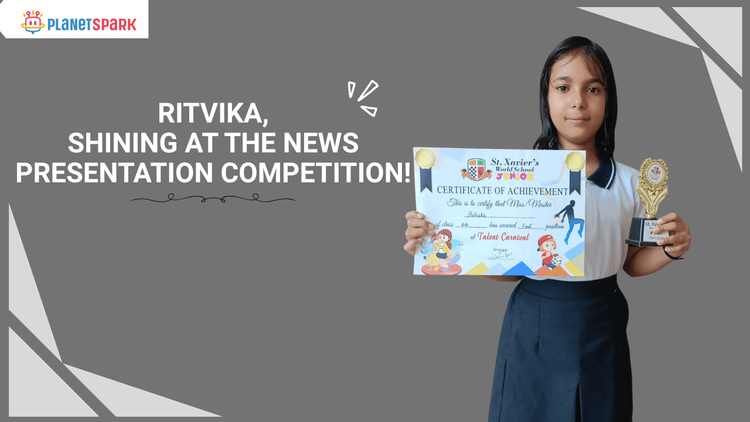
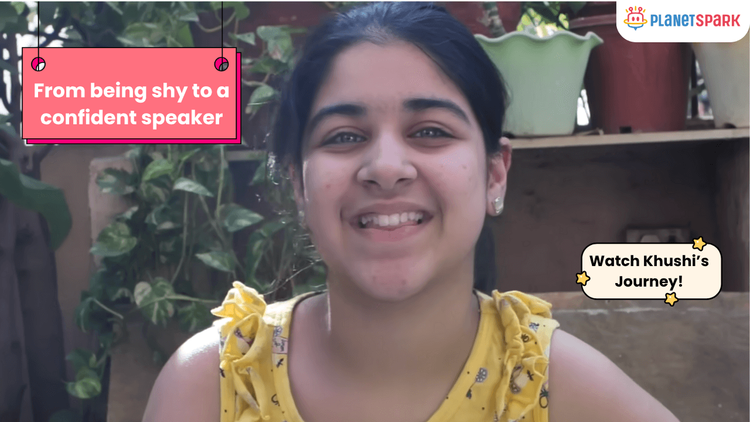
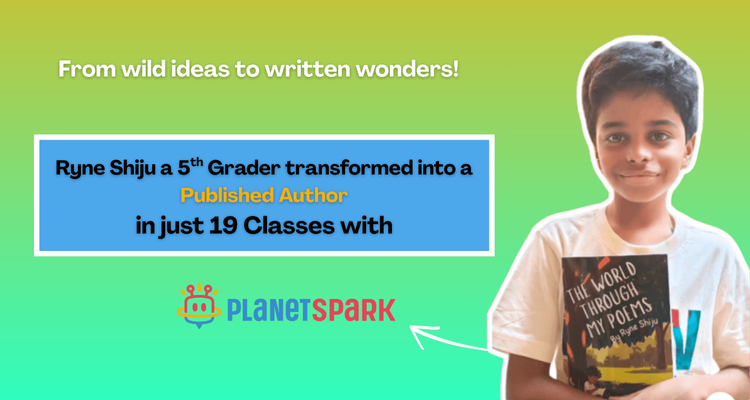
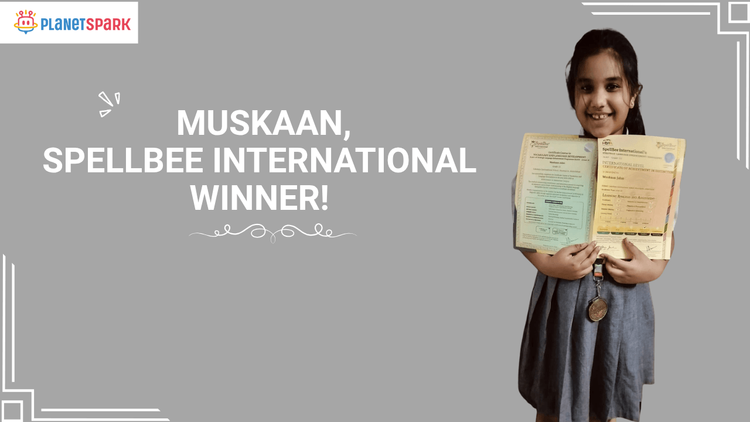
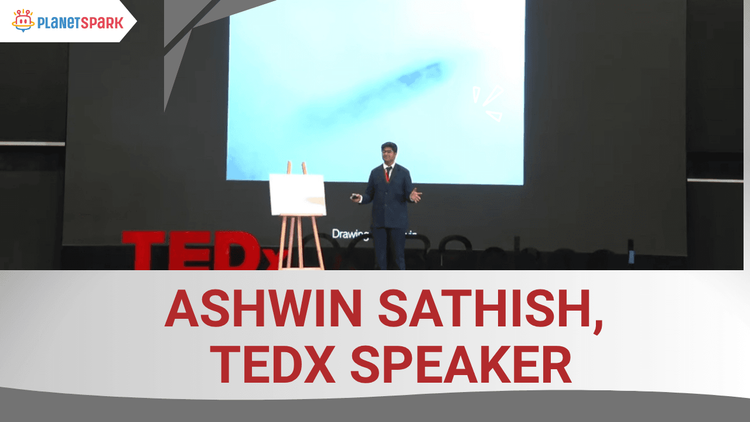
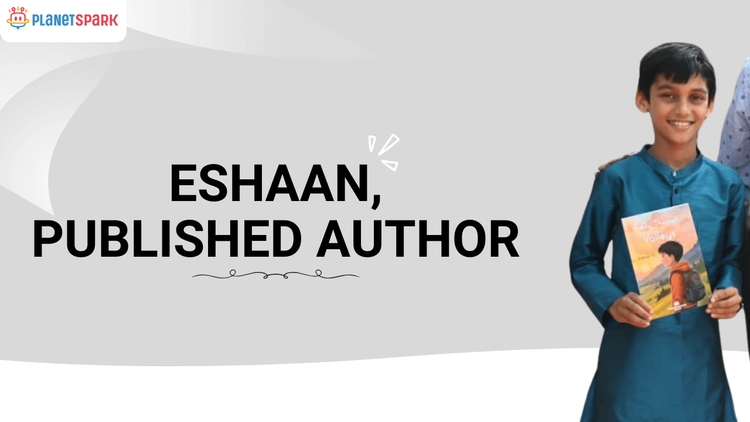
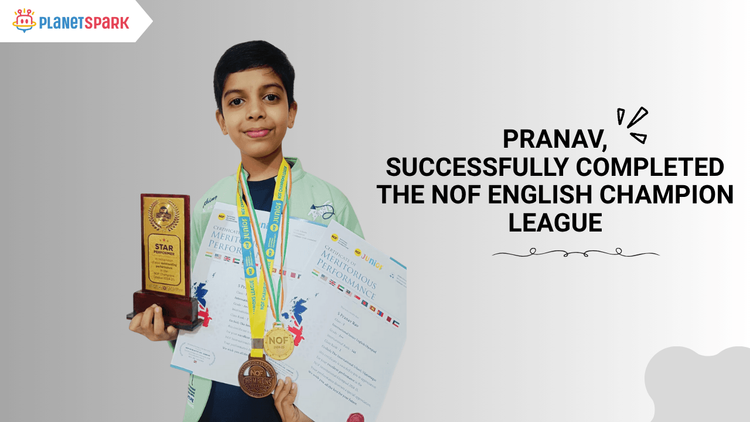
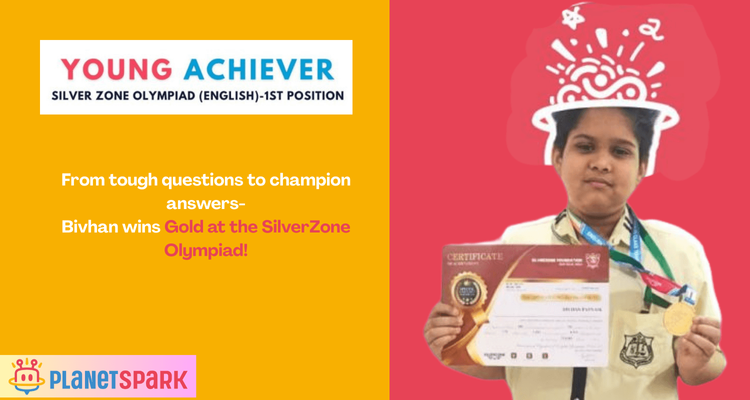
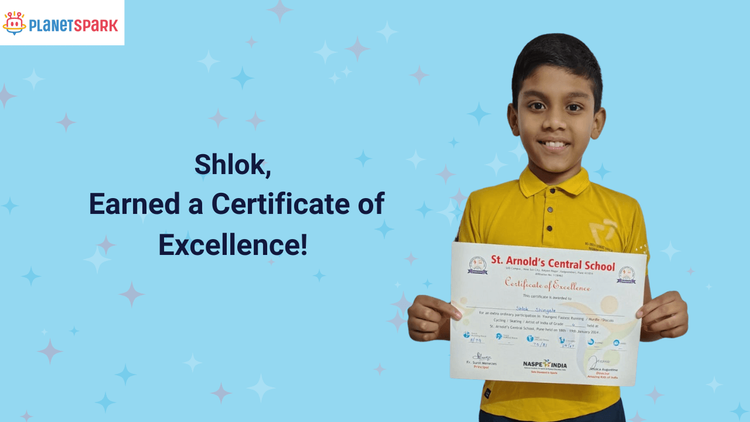
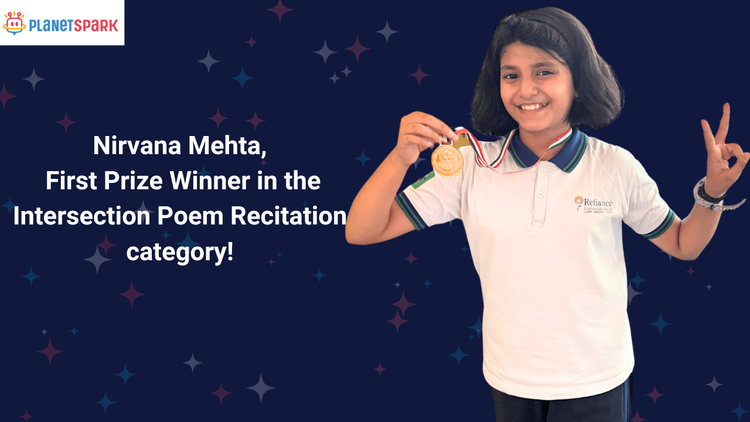
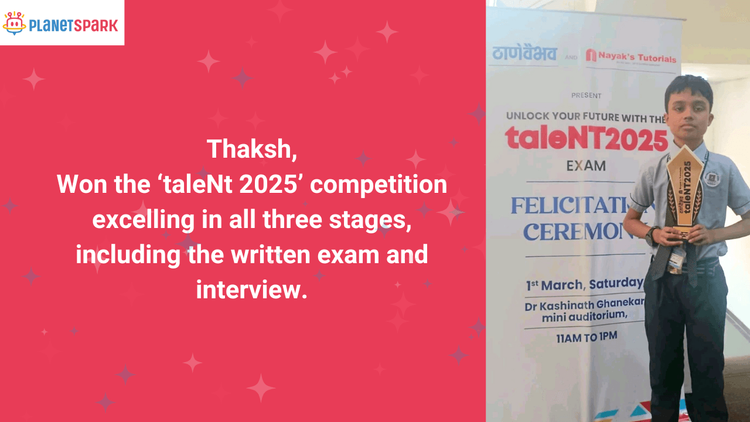
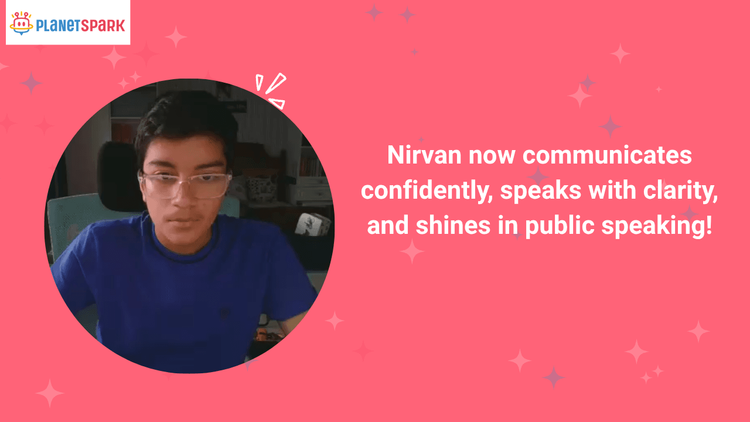
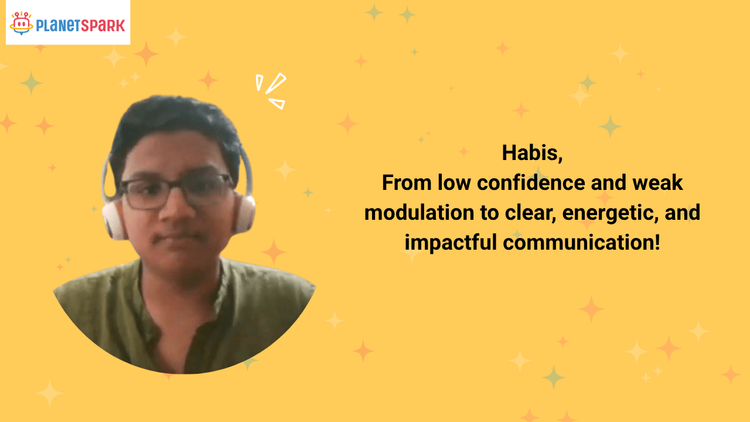
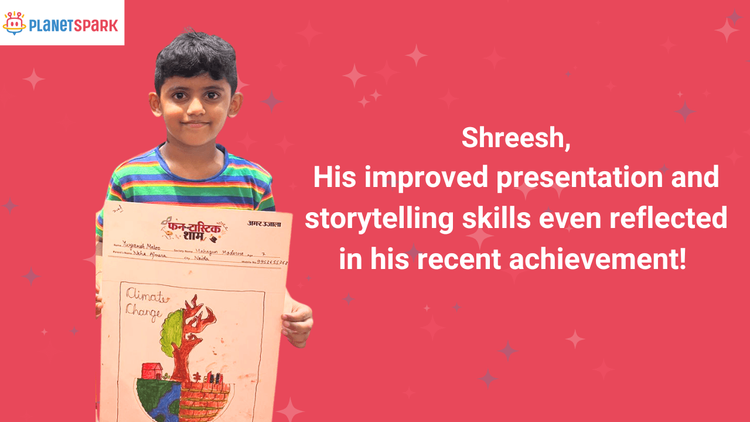
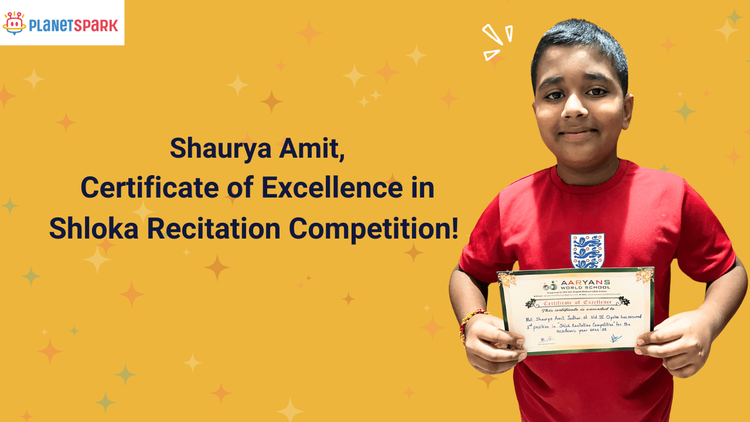
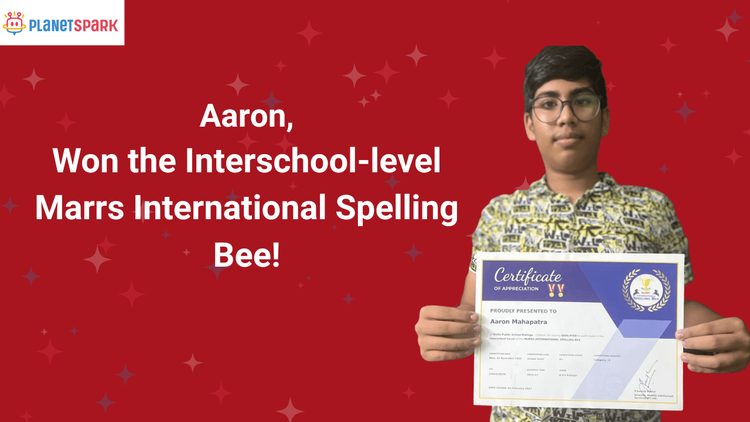
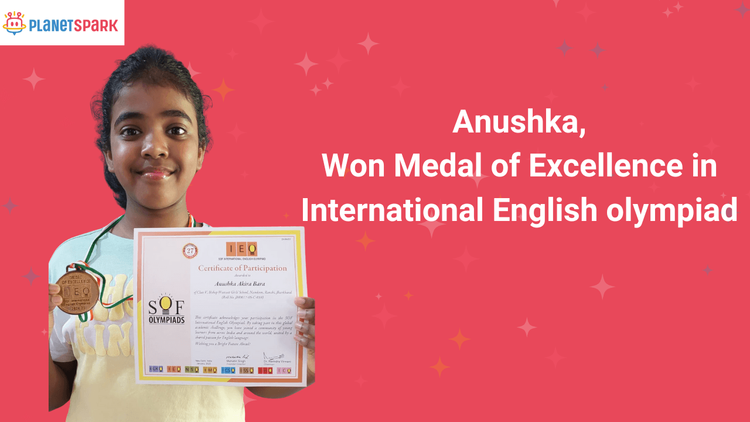
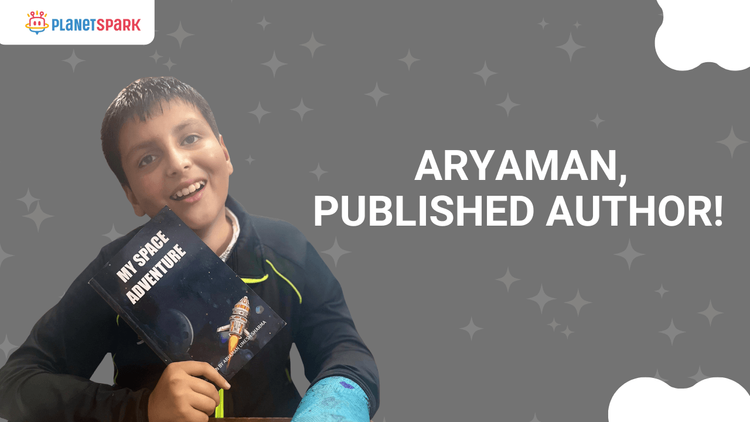
Stories That Shine at PlanetSpark






Bringing Storytelling and Narrative Writing Together
Storytelling and narrative writing form the foundation of creative writing. Together, they help writers turn ideas, experiences, and imagination into stories that feel clear, engaging, and meaningful.
By understanding narrative structure, plot flow, character development, and emotional connection, writers of all ages can express themselves with confidence. From simple stories to detailed narratives, creative writing grows stronger when storytelling skills are practiced with intention.
Learning storytelling and narrative writing is not about perfection. It is about learning how to shape thoughts into stories that communicate meaning, creativity, and expression in a natural and powerful way.
Learn Storytelling and Creative Writing With PlanetSpark
To develop strong storytelling and narrative writing skills, structured guidance and regular practice make a real difference. PlanetSpark’s storytelling and creative writing courses are designed to help learners of all ages build creativity with clear structure and purpose.
PlanetSpark focuses on age appropriate learning paths, expert designed curriculum, and consistent practice. Learners explore storytelling, narrative writing formats, character development, and story structure through guided activities and real examples. Small batch sessions, personalized feedback, and performance based learning help improve creative expression step by step.
What sets PlanetSpark apart is its focus on building confident communicators through creative writing. By combining storytelling techniques with structured narrative thinking, the courses help learners express ideas clearly, write with confidence, and develop a strong creative voice that grows over time.
Making Headlines Nationwide



Frequently Asked Questions
Storytelling in creative writing is the process of expressing ideas, experiences, or imagination through a structured story that has meaning, flow, and emotional connection.
Narrative writing is a form of storytelling that shares real or imaginary experiences. It includes characters, settings, conflicts, and resolutions to engage and connect emotionally with readers.
Storytelling refers to the creation of a story, while narrative writing is the written expression of that story using words and structure.
Characters, setting, plot, conflict, resolution, voice, and point of view.
A narrative writing format organizes storytelling into an introduction, development of events, and a conclusion to maintain clarity and flow.
Common narrative essay topics include personal experiences, memorable events, challenges faced, and lessons learned.
Storytelling improves creative writing by strengthening imagination, structure, clarity of expression, and emotional engagement.
Yes, storytelling and narrative writing are suitable for children, students, and adults, with skill levels developing over time.
Narrative writing skills can be improved through regular practice, understanding narrative structure, and learning storytelling techniques.
Structure gives meaning to creative ideas and ensures that narrative writing remains clear, engaging, and easy to follow.