
Summer Camp Activities to Build Creative Writing Skills in Kids


Table of Contents
- How PlanetSpark Turns Summer Camp Activities into Creative W
- Why PlanetSpark Is the Perfect Choice for Summer Camp Activi
- Which Kids Can Benefit Most from Summer Camp Activities That
- What Do Kids Learn in Creative Writing Summer Camp Activitie
- What Results Can Kids Expect from Creative Writing Summer Ca
- Which Creative Skills Do Kids Build Through Summer Camp Acti
- A Step-by-Step Learning Journey Through PlanetSpark’s Creati
- How AI-Powered Summer Camp Activities Make Creative Writing
- Top Benefits of Summer Camp Activities That Strengthen Creat
- From Imagination to Achievement: Pranav’s Creative Writing J
- Why Creative Writing Summer Camp Activities Give Kids a Lear
- Looking for the Best Summer Camp Activities for Kids? Start
- Turn Summer Camp Activities into a Creative Learning Experie
Did you know that summer camps can significantly boost a child’s creative writing skills?
Summer is the perfect time for children to explore new interests, build confidence, and develop skills beyond the classroom. That’s why many parents look for summer camp activities that are not only fun but also meaningful for their child’s growth.
Programs offered by PlanetSpark transform typical activities for summer camp into exciting learning experiences that strengthen creativity, vocabulary, and storytelling skills. In this guide, we’ll explore how the right summer camp activities list can help children grow into confident and creative writers while enjoying a fun summer learning journey.
How PlanetSpark Turns Summer Camp Activities into Creative Writing Adventures for Kids
Creative writing becomes far more engaging when it is taught through interactive summer camp activities. Instead of memorizing grammar rules or writing long essays, children learn storytelling by participating in creative exercises that spark imagination.
At PlanetSpark, creative writing courses are designed around exciting summer camp activity ideas that encourage children to think creatively and express their thoughts confidently.
What Makes These Summer Camp Activities Special?
Story Building Games
Children participate in collaborative storytelling activities where each student adds a new twist to the story. This encourages creativity and quick thinking.
Character Creation Challenges
Kids design unique characters with distinct personalities, motivations, and adventures.
Imaginative Writing Prompts
Fun prompts encourage children to imagine magical worlds, exciting adventures, and unexpected storylines.
Group Storytelling Activities
Interactive activities for summer camp help children work together to build engaging narratives.
These creative exercises transform learning into an exciting experience where children enjoy storytelling while improving their writing abilities.
Limited seats available for the upcoming batch.
Why PlanetSpark Is the Perfect Choice for Summer Camp Activities That Build Creative Writing Skills
Parents often look for summer camp activities for kids that combine learning with creativity. A well-designed creative writing program helps children develop communication skills while also building confidence.
Programs at PlanetSpark stand out because they blend structured learning with engaging summer camp activity ideas that keep children motivated and curious.
Key Features That Make PlanetSpark Different
1:1 Personalized Coaching: Each child receives individual attention from trained mentors who guide them through storytelling exercises and writing challenges.
Interactive Learning Approach: Children learn through discussions, storytelling games, and imaginative writing tasks rather than passive lectures.
Confidence-Building Activities: Kids present their stories, share ideas, and participate in storytelling sessions that build communication skills.
Engaging Summer Camp Curriculum: Creative writing lessons are designed around fun summer camp activities and include ideas that make learning enjoyable.
These features help children develop creative thinking while enjoying the excitement of summer learning.
Which Kids Can Benefit Most from Summer Camp Activities That Improve Creative Writing?
Creative writing summer camps are designed for children who enjoy expressing ideas, telling stories, or exploring imaginative worlds.
However, even children who feel shy about writing can benefit greatly from these summer camp activities for kids.
Ideal Participants for Creative Writing Summer Camp
Young Storytellers: Children who enjoy telling stories or creating imaginary worlds.
Curious Learners: Kids who ask questions, imagine possibilities, and enjoy creative challenges.
Students Who Want to Improve Writing: Creative writing camps help students strengthen grammar, vocabulary, and storytelling skills.
Children Looking for Confidence Building: Sharing stories and presenting ideas during camp activities helps kids become more confident communicators.
Through interactive activities for summer camp, children gradually become comfortable expressing their thoughts and ideas.
What Do Kids Learn in Creative Writing Summer Camp Activities at PlanetSpark?
A strong curriculum ensures that summer camp activity ideas go beyond entertainment and support meaningful learning outcomes.
The creative writing curriculum at PlanetSpark is designed to help children develop storytelling skills step by step.
Key Learning Areas in the Curriculum
Story Structure: Children learn how to build a story with a clear beginning, middle, and ending.
Character Development: Students learn how to create memorable characters with personalities and motivations.
Creative Thinking: Fun writing prompts encourage kids to explore imaginative ideas.
Descriptive Writing: Students practice using vivid descriptions to make stories engaging.
Story Presentation: Children present their stories, helping them develop confidence and communication skills.
These learning modules ensure that every activity in the summer camp activities list contributes to developing stronger writing abilities.
What Results Can Kids Expect from Creative Writing Summer Camp Activities?
Parents often want to know how summer camp activities translate into real learning benefits for their children.
Creative writing camps provide several long-term advantages that support both academic success and personal development.
Improved Writing Skills: Children learn to organize ideas, develop stories, and write more effectively.
Stronger Creative Thinking: Imaginative exercises help children think beyond conventional ideas.
Enhanced Communication Skills: Storytelling activities encourage kids to express their thoughts confidently.
Greater Confidence: Presenting stories and participating in group activities helps children overcome hesitation.
Better Vocabulary and Language Skills: Regular writing practice improves vocabulary and sentence structure.
These outcomes make creative writing one of the most valuable summer camp activities for kids who want to develop essential communication and creativity skills.
Early registrations are now open, and seats are limited.
Which Creative Skills Do Kids Build Through Summer Camp Activities at PlanetSpark?
Creative writing summer camps are not just about writing stories—they are designed to build a wide range of essential skills through engaging summer camp activities. When children participate in structured storytelling exercises and imaginative challenges, they develop abilities that support both academic growth and personal confidence.
Programs at PlanetSpark use interactive summer camp activities for kids to help learners explore creativity while strengthening communication and thinking skills.
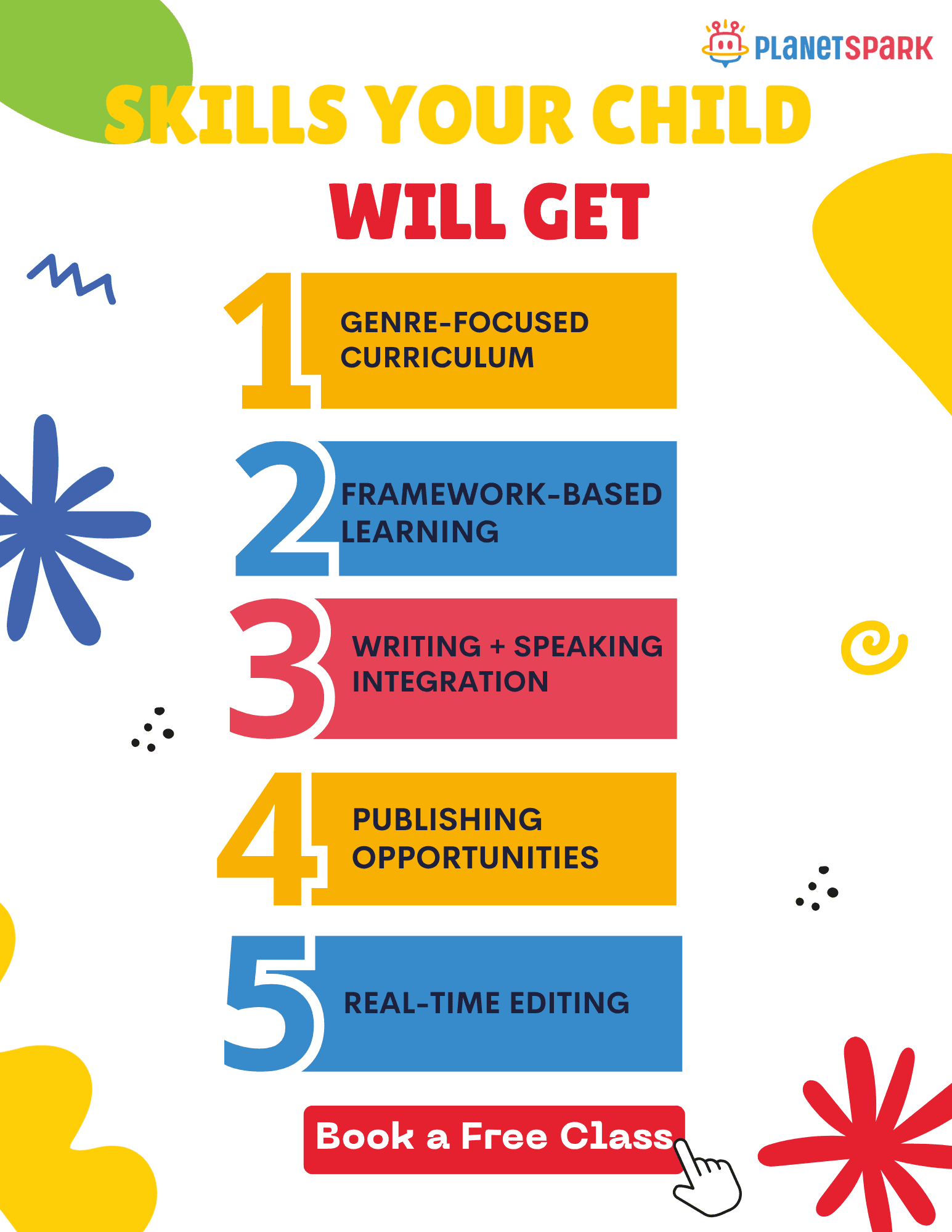
A Step-by-Step Learning Journey Through PlanetSpark’s Creative Writing Summer Camp Activities
Every child’s learning journey in a creative writing camp is designed to be engaging, progressive, and inspiring. Instead of overwhelming students with complex writing tasks, the program introduces concepts gradually through fun summer camp activity ideas.
Stage 1: Sparking Imagination
Children begin with exciting storytelling games and brainstorming activities that encourage them to think creatively.
Stage 2: Exploring Story Elements
Students learn about characters, settings, and story structure through guided writing exercises.
Stage 3: Developing Writing Skills
Through regular writing challenges and prompts, kids learn how to expand their ideas into complete stories.
Stage 4: Sharing and Performing Stories
Children present their stories in interactive storytelling sessions, helping them gain confidence and improve communication.
This structured journey transforms a typical summer camp activities list into a powerful learning experience that keeps children motivated and excited about writing.
How AI-Powered Summer Camp Activities Make Creative Writing Learning More Engaging
Modern learning experiences often combine creativity with technology to make education more interactive. Innovative tools help children receive instant feedback and improve their writing in a supportive environment.
Creative writing programs at PlanetSpark integrate AI-assisted learning to enhance traditional summer camp activities for kids.
How AI Supports Creative Writing Learning
Instant Writing Feedback: Children receive suggestions that help them refine their stories and improve sentence structure.
Personalized Writing Guidance: AI tools adapt exercises according to each child’s writing ability and progress.
Interactive Story Development: Kids can experiment with story ideas and explore new creative possibilities.
By combining technology with engaging activities for summer camp, children experience a modern learning environment that supports creativity and confidence.
Limited seats available for this season’s creative writing camp.
Top Benefits of Summer Camp Activities That Strengthen Creative Writing Skills
Participating in creative writing camps offers several benefits that extend far beyond improving writing abilities. These programs help children develop essential skills that support academic success and personal development.
Major Benefits for Kids
Improved Writing Ability: Regular storytelling exercises help children organize ideas and write more effectively.
Enhanced Imagination: Creative prompts and storytelling challenges stimulate imagination and innovation.
Better Speaking Skills: Sharing stories during summer camp activities improves confidence in speaking and presenting ideas.
Stronger Critical Thinking: Writing stories requires children to think about cause, effect, and logical story progression.
Increased Confidence: As children see their ideas turn into stories, they become more confident in expressing themselves.
These benefits make creative writing one of the most valuable summer camp activity ideas for developing both creativity and communication.
From Imagination to Achievement: Pranav’s Creative Writing Journey
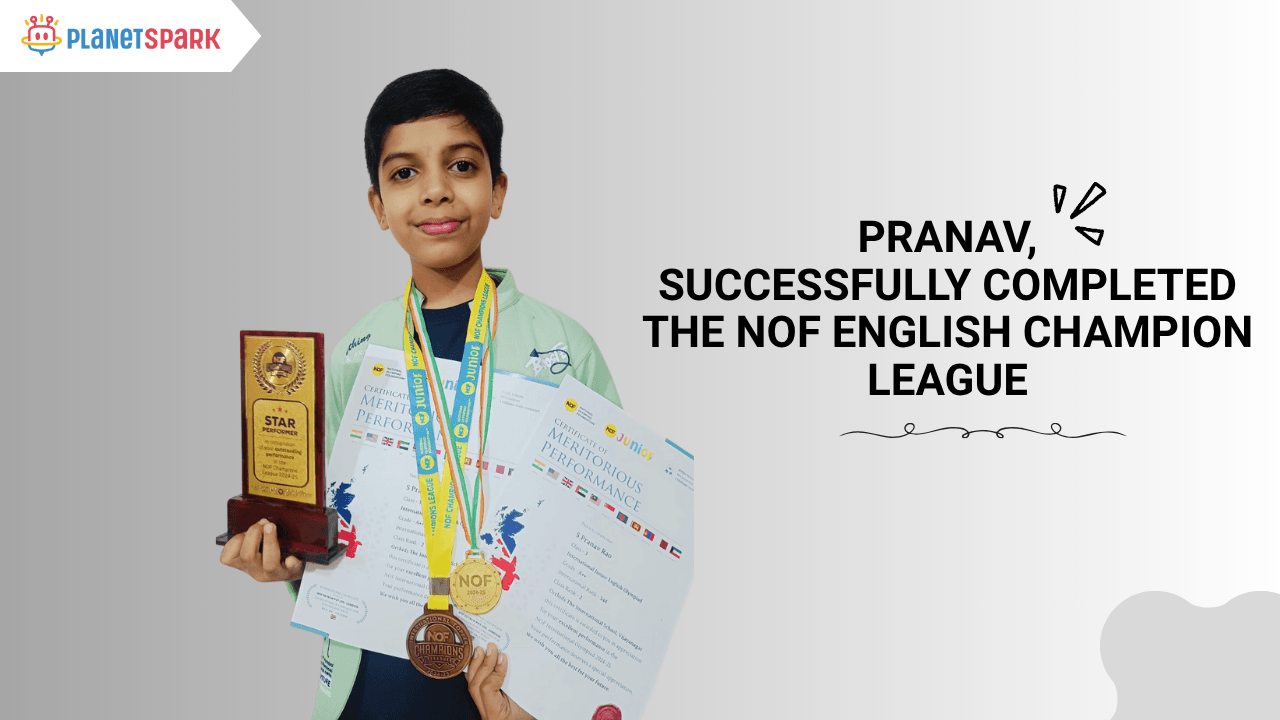
Pranav, a Grade 3 student, completed the NOF English Champion League, demonstrating his growing talent in creative writing and storytelling. Through engaging writing activities and storytelling exercises, he learned how to transform his imaginative ideas into well-structured and expressive stories.
His journey helped him strengthen important creative writing skills such as character creation, plot development, and descriptive storytelling. With consistent practice and encouragement, Pranav gained the confidence to express his thoughts clearly through writing.
Pranav’s achievement shows how the right learning environment and creative writing opportunities can help young learners turn their imagination into inspiring stories.
Why Creative Writing Summer Camp Activities Give Kids a Learning Advantage
Parents often choose summer camps that provide both enjoyment and meaningful learning experiences. Creative writing camps offer a unique advantage because they combine imagination, communication, and problem-solving.
Children who participate in structured summer camp activities for kids focused on storytelling often develop stronger language skills and greater confidence in expressing ideas.
Key Advantages of Creative Writing Camps
Early Development of Speaking Skills: Children learn to express thoughts clearly through storytelling and presentations.
Improved Academic Performance: Better vocabulary and writing skills support school learning.
Stronger Creativity: Story-based exercises encourage children to explore new ideas and perspectives.
Confidence in Public Speaking: Presenting stories during camp activities helps children become comfortable speaking in front of others.
These advantages show why creative writing programs are among the most impactful activities for summer camp for young learners.
Looking for the Best Summer Camp Activities for Kids? Start with a Creative Writing Demo
Choosing the right summer program can feel overwhelming for parents who want the best learning experience for their children. The ideal camp should combine fun, creativity, and meaningful skill development.
Creative writing programs offered by PlanetSpark transform traditional summer camp activities into exciting storytelling adventures that help children explore imagination, develop writing skills, and gain confidence.
A trial session allows parents and children to experience these activities firsthand. Kids can participate in storytelling games, creative prompts, and interactive writing exercises that demonstrate how engaging learning can be.
Trying a demo session helps families understand how these summer camp activity ideas can nurture creativity and support a child’s overall development.

Turn Summer Camp Activities into a Creative Learning Experience
The right summer camp activities can do more than just keep children engaged during the holidays; they can help build creativity, confidence, and communication skills. Creative writing camps are especially valuable because they encourage kids to imagine, express ideas, and turn their thoughts into engaging stories.
Programs offered by PlanetSpark transform typical summer camp activities for kids into meaningful learning experiences through storytelling games, writing challenges, and interactive exercises. If you’re looking for summer camp activity ideas that combine fun with skill development, creative writing camps can be a powerful choice for your child’s growth this summer.
Frequently Asked Questions
Summer camp activities are structured exercises designed to keep children engaged during vacations while building important skills. When thoughtfully planned, they improve creativity, communication, teamwork, and confidence. Skill-based camps go beyond entertainment and focus on long-term development. The right program can turn summer into a growth opportunity.
Activities like storytelling, role-play, vocabulary games, and brainstorming sessions strengthen imagination and expression. Children learn how to structure ideas, build characters, and write engaging narratives. Guided mentoring ensures they receive feedback and improve consistently. Over time, their writing becomes clearer, more expressive, and more confident.
Kids who struggle with writing benefit from interactive storytelling, dialogue creation, and descriptive writing games. These reduce fear and make writing feel natural instead of forced. Camps that provide structured guidance and personal attention help children overcome hesitation. A skill-focused environment makes a noticeable difference.
Summer provides a pressure-free environment for children to experiment and grow. Without school exam stress, they can focus on improving expression and confidence. Structured summer programs prevent learning gaps and accelerate skill-building. Starting early ensures children return to school stronger and more prepared.
Parents should look for camps with a structured curriculum, trained mentors, small batch sizes, and measurable progress tracking. A clear focus on communication and writing skills is essential. Avoid camps that only emphasize entertainment without structured learning. Skill-based camps provide long-term value beyond vacation fun.
Yes, interactive speaking and collaborative exercises help shy children express themselves gradually. Storytelling and role-play create a safe space to practice communication. With consistent encouragement and feedback, children become more comfortable sharing ideas. Confidence built during summer often carries into school life.
A strong vocabulary allows children to express ideas more clearly and creatively. When they learn advanced word choices and descriptive phrases, their writing instantly improves. Vocabulary exercises also enhance reading comprehension and speaking ability. The more words they know, the more powerful their expression becomes.
Yes, communication and writing skills directly impact performance in subjects like English, social sciences, and even presentations in other subjects. Children who think clearly and write logically perform better academically. Skill-focused summer programs strengthen these foundational abilities. The benefits extend well beyond vacation months.
Regular camps focus mainly on games and entertainment. Skill-based camps combine fun with structured learning outcomes like creative writing, vocabulary enhancement, and public speaking. They provide guided practice and expert feedback. The result is measurable improvement rather than just temporary engagement.
PlanetSpark’s summer program combines storytelling workshops, vocabulary training, and communication exercises in a structured format. Children receive personalized feedback from expert mentors. The focus is not just participation but visible skill improvement. Enrolling early ensures your child makes the most of summer and returns more confident and expressive.