
Teamwork and Collaboration Skills for Kids | Complete Guide
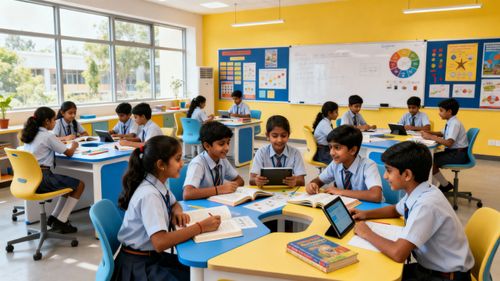

Table of Contents
- The Importance of Teamwork and Collaboration Skills for Kids
- Why Teamwork Matters in Early Childhood
- The Meaning of Collaboration for Young Learners
- Emotional Intelligence in Teamwork
- Communication as the Center of Teamwork
- How Teamwork and Collaboration Skills for Kids Develop Natur
- Techniques to Teach Teamwork and Collaboration Skills for Ki
- PlanetSpark Creative Writing Course: Building Teamwork throu
- Unlocking a Team Player: A Motivational Conclusion
In today’s world, teamwork and collaboration skills for kids are not just nice-to-have qualities but essential life abilities that influence academic growth, emotional intelligence, problem-solving, leadership, and social confidence. This blog explores what teamwork truly means for children, why collaboration skills matter in early childhood, how these abilities shape future success, and the top strategies parents and teachers can use to nurture teamwork in everyday life. You will also learn how creative writing, group storytelling, and collaborative learning experiences strengthen communication and teamwork in young learners.
The Importance of Teamwork and Collaboration Skills for Kids
Teamwork and collaboration skills for kids form the backbone of communication, emotional growth, and interpersonal understanding. In today’s fast-paced world, where children often spend more time interacting with screens than with peers, intentionally building cooperative abilities becomes essential. These skills help children understand how to work with others, navigate group dynamics, and become confident, socially aware individuals. Whether in classrooms, playgrounds, or even at home, teamwork equips kids with the mindset and tools to thrive in group settings.
Parents, schools, and learning platforms increasingly recognize that teamwork is not limited to simply sharing toys or completing a group task. It is a multi-dimensional life skill that involves communication, negotiation, patience, adaptability, empathy, responsibility, and leadership. When children learn to collaborate, they develop social intelligence—an ability just as important as academic knowledge. Effective teamwork nurtures problem-solving, boosts confidence, and shapes children into respectful, thoughtful, emotionally balanced individuals who can function well in any community.
Why Teamwork Matters in Early Childhood
The early years, the preschool and primary stages, are the most formative period for developing social, emotional, and cognitive abilities. During childhood, kids are naturally curious, open to new experiences, and eager to connect. This makes it the ideal time to introduce concepts of teamwork and collaborative learning.
1. Builds Strong Communication Skills
Teamwork encourages young learners to express their ideas, listen to others, and understand non-verbal cues. When children communicate within a group, they practise clarity, respect, and effective expression—skills that support future speaking, writing, and social interactions.
2. Helps Kids Learn to Listen and Respect Differences
Children often come across diverse personalities, opinions, and preferences when working in groups. Exposure to diverse viewpoints teaches them to accept differences and respect others' ideas—one of the most important social skills for healthy relationships.
3. Develops Problem-Solving and Critical Thinking
Group tasks require children to think together, brainstorm solutions, and make decisions collectively. This strengthens critical thinking, logical reasoning, and creativity. Kids learn that challenges are easier to overcome together.
4. Teaches Patience and Self-Regulation
Teamwork naturally involves waiting, sharing responsibilities, adjusting expectations, and managing emotions. Kids learn how to handle frustration, compromise, and collaborate harmoniously—key components of emotional intelligence.
5. Encourages Empathy and Understanding
Working closely with peers helps children understand feelings, motivations, and emotions. Kids become more empathetic when they learn to consider how others feel, what they need, and how their actions affect the team.
6. Boosts Confidence and Social Courage
When children contribute meaningfully to a group and experience collective success, their self-confidence grows. They feel valued, appreciated, and motivated to participate more actively.
7. Prepares Kids for Future Leadership
Teamwork exposes kids to leadership roles such as organising, guiding, communicating tasks, or supporting peers. These early experiences help them develop responsible leadership qualities.
8. Supports Academic and Life Success
Collaborative learning is linked to stronger academic performance, improved comprehension, and sustained focus. Children who collaborate effectively tend to excel not only in academics but also in sports, extracurriculars, and social interactions.
The Meaning of Collaboration for Young Learners
Collaboration is the ability to work together with others toward a shared purpose. For kids, collaboration includes sharing responsibilities, listening to peer opinions, adjusting personal preferences, and contributing meaningfully to group tasks. It involves emotional maturity and mutual trust.
In a classroom or home environment, collaboration may look like:
working on a group project, solving puzzles together, creating a story as a team, participating in group games, or building something collectively. These activities encourage children to value cooperation over competition.
Emotional Intelligence in Teamwork
Teamwork strengthens essential emotional intelligence components:
Empathy: Understanding how others feel or think
Self-regulation: Controlling reactions during disagreements
Patience: Waiting for their turn during group activities
Social awareness: Recognizing group needs
Motivation: Feeling responsible for group success
Children with strong emotional intelligence become better teammates, leaders, and communicators.
Communication as the Center of Teamwork
Teamwork is impossible without communication. Kids must learn to express their ideas clearly, listen to others, ask questions, and provide constructive feedback. These communicative abilities later support public speaking, debate, storytelling, creative writing, and leadership.
This is where platforms like PlanetSpark excel. They integrate communication and creative writing in structured and engaging ways, helping kids practise collaboration while improving clarity of thought and expression.
How Teamwork and Collaboration Skills for Kids Develop Naturally
Children acquire teamwork abilities organically through observation, practice, and social interactions. However, deliberate methods can significantly accelerate their development. Schools and parents can use structured approaches to instill cooperation, communication, and leadership.
The Role of Play in Building Teamwork Skills
Play-based learning is one of the most effective ways to teach teamwork. Activities such as role-playing, building blocks, board games, outdoor sports, and team-based challenges help children learn cooperation naturally. Through play, kids practise sharing, taking turns, following rules, and resolving conflicts.
Group Storytelling and Creative Expression
Collaborative storytelling is a strong method to build communication and listening skills. Kids work together to build characters, decide the plot, and contribute ideas. This encourages negotiation, imagination, and mutual respect. Creative writing activities, especially in group settings, improve problem-solving and collaborative creativity.
Leadership and Responsibility
Teamwork also helps kids explore leadership roles. They learn to guide peers, manage tasks, assign responsibilities, and encourage others. Leadership does not mean dominating; it means facilitating cooperation and ensuring everyone contributes.
Conflict Resolution in Groups
Disagreements in groups are natural. Teaching children to resolve conflicts peacefully helps them navigate frustrations, communicate their feelings, and consider others' viewpoints. This builds long-term resilience and emotional strength.
Building Accountability
Teamwork teaches responsibility. When children realize their contribution affects group results, they develop accountability and work ethic. This skill is invaluable in academic tasks, extracurricular activities, future jobs, and real-life relationships.
Techniques to Teach Teamwork and Collaboration Skills for Kids
Nurturing teamwork among children requires consistent strategies, structured experiences, and supportive adult guidance. Below are effective techniques parents and educators can use to help kids become strong collaborators.
Encourage Pair Work and Group Activities
Pair-based activities are a great starting point for young children. Group projects develop understanding of shared responsibility and collective goals.
Promote Open Communication
Children should feel safe to express opinions and ideas. Encourage them to ask questions, respond politely, and listen attentively. Conversations help them understand different perspectives.
Model Teamwork at Home
Parents can demonstrate collaboration by involving children in household tasks. Cleaning together, cooking as a team, or planning family activities teach them cooperation naturally.
Assign Rotating Roles
Roles like leader, recorder, speaker, timekeeper, or organizer help children explore various team responsibilities. Rotation ensures every child gets equal opportunity.
Teach Respectful Disagreement
Kids must learn to disagree respectfully, without raising voices or shutting down others. Teach them to use phrases like:
I think…, I understand your point…, Maybe we can try…, Can we find a middle way…
Celebrate Team Success
Praising group achievements reinforces the value of working together. Children learn the joy of collective accomplishment rather than individual prizes.
Creative Writing as a Tool for Teamwork Development
Creative writing encourages imagination, clarity of thought, and communication. When kids engage in group writing tasks, they learn to brainstorm, negotiate story elements, and present collaborative ideas. This strengthens cooperation and enhances creativity.
PlanetSpark Creative Writing Course: Building Teamwork through Creativity
PlanetSpark is a leading platform for building communication, writing, public speaking, and confidence in children. Their Creative Writing Course uses innovative teaching strategies, engaging activities, and personalised learning to help kids develop teamwork, creative thinking, and language skills.
Genre-Based Curriculum
The course covers short stories, poetry, journal writing, essays, book reviews, and persuasive letters. Each writing type has structured lesson plans that teach kids how to think, imagine, plan, and express.
Writing and Speaking Integration
Students present their written pieces orally, improving expressive confidence, fluency, articulation, and narrative clarity. With an LSRW approach, kids strengthen listening, speaking, reading, and writing holistically.
Editing, Feedback, and Rewriting
Trainers guide students through revisions using real-time editing, peer reviews, and structured feedback. Kids learn that writing is a process, not a one-time task.
Real Publishing Opportunities
Children can publish their work in PlanetSpark’s blog, e-magazines, and anthologies. This boosts their confidence, motivates them to collaborate, and enhances communication.
1:1 Personal Trainers
Every child receives one-on-one live sessions with certified communication experts who understand their personality, strengths, pace, and learning style. They work on storytelling, grammar, writing, and speaking.
Personalised Curriculum and Learning Roadmap
A detailed skill assessment helps create a customised learning plan targeting gaps in vocabulary, structure, fluency, and confidence. The roadmap evolves with progress.
Unlocking a Team Player: A Motivational Conclusion
Building teamwork and collaboration skills for kids is one of the greatest gifts you can give your child. These skills define their ability to communicate, lead, empathize, understand others, and thrive in any group environment. Whether in academics, sports, creative tasks, or future workplaces, children who collaborate effectively stand out as confident, responsible, and emotionally intelligent individuals.
You may also read:
Frequently Asked Questions
These skills help children communicate effectively, solve problems, build friendships, and succeed academically. They also develop emotional intelligence and leadership qualities.
Parents can involve children in group tasks, model cooperation, encourage shared responsibilities, and use group games and projects.
Yes. Many school activities, projects, and assignments require collaboration, communication, and peer interaction.
Collaborative writing encourages idea sharing, negotiation, constructive feedback, and group storytelling, all of which build teamwork skills.
PlanetSpark uses personalised training, group clubs, creative writing projects, AI-based practice, and collaborative activities to develop strong communication and teamwork skills.