
Third Person Narration: Write Engaging Stories With PlanetSpark


Table of Contents
- What Is Third Person Narrative?
- Understanding Third Person Narration Clearly
- Third Person Point of View Explained Simply
- Types of Third Person Narration
- Third Person Omniscient Point of View
- Master Third Person Limited Narration
- Third Person Objective Narration Explained Simply
- How to Write a Third Person Story
- Examples of Third Person Narration
- Common Mistakes in Third Person Writing
- Success Story: Turning Classroom Writing Into Published Stor
- Why Third Person Narration Is Important for Students
- Boosting Imagination Through Third Person Storytelling
- Why PlanetSpark Is the Best Place to Build Exceptional Skill
- Inspiring Young Storytellers to Shine With PlanetSpark
Third person narration is a storytelling style where the writer describes characters and events from an outside viewpoint, using words like he, she, or they. This guide explains how this narration works, its different types, and ways to use it effectively in stories. With PlanetSpark’s creative writing guidance, students receive structured support, clear examples, and practice that help them write engaging, well-organised narratives with confidence.
What Is Third Person Narrative?
To understand storytelling better, it is important to know what is third person narrative. In this style, the narrator is not a character in the story. Instead, the narrator refers to characters using words like he, she, they, or the character’s name.
For example:
He walked into the room quietly
She felt nervous before the exam
They decided to leave early
A third person narrative gives writers more freedom to describe scenes, thoughts, and actions without being limited to one character’s voice. This makes stories clearer and more detailed.
This style is especially helpful for students because it allows them to focus on storytelling without inserting themselves into the story. It creates a professional tone and helps develop strong narrative skills.
Understanding Third Person Narration Clearly
Third person narration means telling a story from an observer’s point of view. The narrator watches the characters and reports what happens. This approach helps readers understand events objectively.
Unlike first-person narration, the storyteller does not say “I” or “we.” Instead, the narrator remains outside the story. This creates distance between the narrator and characters, which often improves clarity.
Benefits of this narration style include:
Clear description of multiple characters
Flexible storytelling structure
Easy transitions between scenes
Students often find third person narration easier to manage, especially when writing longer stories or descriptive essays.
Third Person Point of View Explained Simply
The third person point of view defines how much the narrator knows about the characters and events. It controls the flow of information given to the reader.
From this point of view:
The narrator may know one character’s thoughts
Or may know the thoughts of many characters
Or may only describe visible actions
The third person point of view helps writers decide how deeply they want readers to understand the characters. Choosing the right point of view is essential for effective storytelling.
Students who master this concept learn how to guide readers’ attention and emotions throughout the story.
Build Strong Writing Skills That Last a Lifetime!
Types of Third Person Narration
There are different types of third person narration, each serving a unique purpose. Choosing the right type depends on the story’s tone and complexity.
Main types include:
Third-person limited: The narrator focuses on one character’s thoughts and feelings only, limiting knowledge. Example: She felt nervous but hid her fear from others.
Third-person omniscient: The narrator knows the thoughts, feelings, and motives of all characters. Example: He felt hopeful, while she doubted the plan’s success.
Third-person objective: The narrator describes only actions and dialogue without inner thoughts. Example: He stood up, closed the door, and left quietly.
Each type changes how much the narrator knows and shares. Understanding these variations helps students experiment with storytelling styles and improve writing depth. Interested students can learn metafiction by just clicking this link and getting professional guidance.
Third Person Omniscient Point of View
The third person omniscient point of view allows the narrator to know everything about all characters. This includes thoughts, emotions, past events, and future outcomes.
For example:
The narrator knows what each character is thinking
The narrator explains hidden motivations
The narrator provides background information
This point of view is common in classic novels and detailed stories. While powerful, it requires careful handling to avoid confusion.
Using the third-person omniscient point of view helps students practice complex storytelling and develop advanced narrative skills.
Help Your Child Become a Powerful Young Storyteller!
Master Third Person Limited Narration
In this form of third person narration, the narrator focuses on only one character’s thoughts and feelings. Other characters are described externally.
Key features:
One character’s inner world is shown: Only one character’s inner thoughts and emotions are revealed, allowing readers to deeply understand that character while experiencing the story from a limited perspective.
Other characters are observed from outside: Other characters are presented through actions, dialogue, and appearance, so readers interpret them objectively without direct access to their private thoughts or feelings and emotions.
Story remains focused and controlled: The story stays focused and controlled because the narration avoids shifting viewpoints, helping students maintain consistency and prevent confusion for readers throughout the entire narrative.
Creates a strong emotional connection: This narration style builds a strong emotional connection by keeping readers close to one character’s experiences, reactions, and personal growth across the storyline of the plot.
Easier to manage for students: It is easier to manage than omniscient narration, making it ideal for students learning to structure stories clearly without handling multiple perspectives at the beginning.
This style helps students create an emotional connection while maintaining clarity. It is often easier to manage than omniscient narration.
Third Person Objective Narration Explained Simply
This type of third person narrative reports only what can be seen or heard. The narrator does not describe thoughts or emotions.
Characteristics include:
No inner feelings explained: The narrator never reveals characters’ thoughts or emotions, allowing readers to interpret feelings independently through visible behavior, expressions, and spoken words alone.
Actions and dialogue only: The story presents only observable actions and spoken dialogue, focusing on what characters do and say without adding opinions, explanations, or emotional descriptions.
Neutral storytelling tone: The narration remains neutral and unbiased, reporting events like a camera, which creates distance and lets readers form their own judgments.
This style is useful for teaching students how to show emotions through actions instead of telling directly.
Boost Grammar, Vocabulary, and Story Structure Effortlessly!
How to Write a Third Person Story
Understanding how to write a third person story requires practice and clarity. Writers must stay consistent with pronouns and perspective.
Helpful steps include:
Choose the type of narration first
Decide what the narrator knows
Use character names and pronouns correctly
Avoid switching perspectives suddenly
When students focus on consistency, their stories become smoother and more engaging.
Examples of Third Person Narration
Examples help students understand theory better. Consider this:
“Rahul opened the book slowly. He knew the exam would be difficult, but he felt prepared.”
This is a clear third person narrative because:
The narrator is outside the story
The character is referred to as “he”
The tone is descriptive
Practicing such examples improves writing confidence.
Let Your Child Discover the Joy of Creative Expression!
Common Mistakes in Third Person Writing
Students often make mistakes while using third person narration. Recognising these errors helps improve writing quality.
Common mistakes include:
Mixing first and third person: Students accidentally switch from “he” or “she” to “I” or “we,” which confuses readers and breaks narrative consistency.
Changing point of view suddenly: Jumping between different characters’ thoughts without warning disrupts the flow and makes the story difficult to follow.
Over-explaining character thoughts: Explaining every thought reduces impact and suspense, instead of letting actions and dialogue reveal emotions naturally.
Avoiding these errors helps maintain clarity and professionalism in writing. Students interested in learning propositional logic can click this link and get all the details.
Success Story: Turning Classroom Writing Into Published Stories
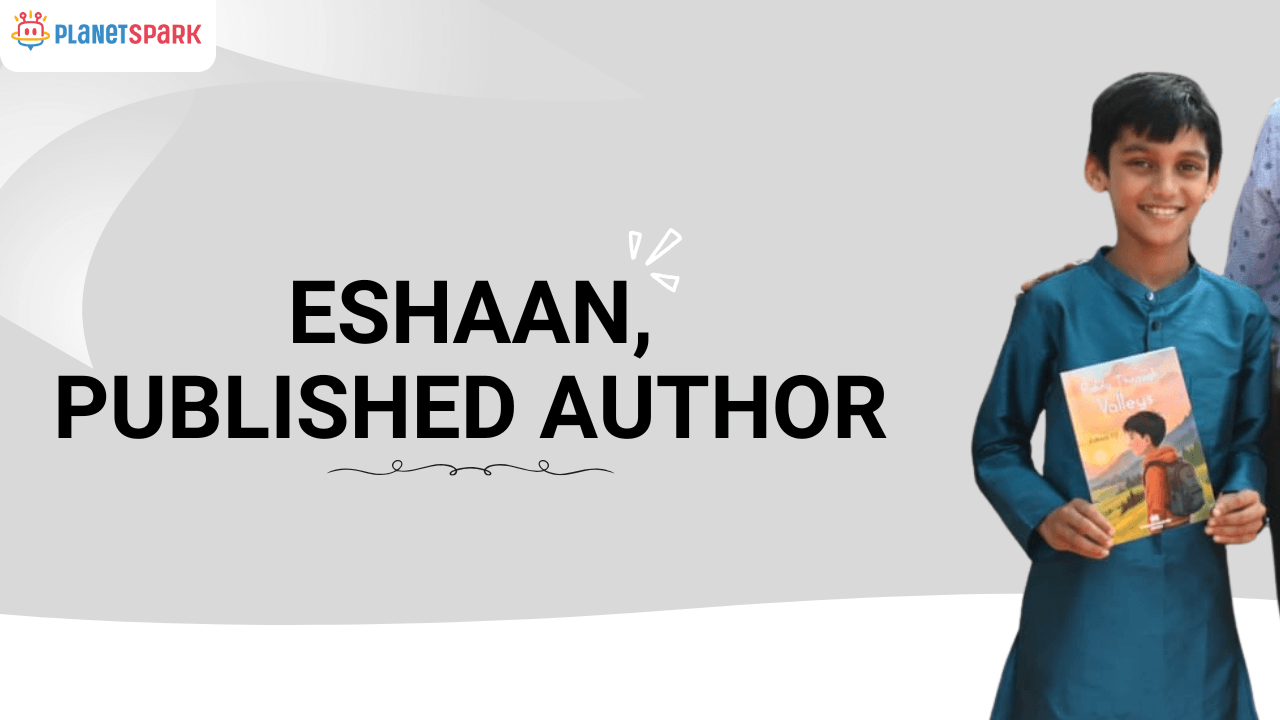
Eshaan has officially became a published author, turning classroom activity into a captivating storybook.
This achievement highlights how consistent guidance and creative encouragement can help students transform simple ideas into meaningful work. With the right support, young learners can explore their imagination, develop strong expression, and gain confidence in sharing their stories with the world.
Why Third Person Narration Is Important for Students
Learning third person narration helps students:
Write structured essays and stories
Improve descriptive skills
Develop objective thinking
It is widely used in academic writing, fiction, and storytelling competitions. Mastering this style supports long-term writing success.
Boosting Imagination Through Third Person Storytelling
Writing stories from an outside perspective helps students explore ideas freely and build creative confidence. Third person narration allows writers to focus on characters, settings, and emotions without limiting the story to personal experience. This approach encourages experimentation and deeper storytelling.
Encourages creation of multiple characters with unique traits and voices.
Allows smooth movement between scenes and settings.
Helps writers describe emotions through actions and dialogue.
Supports richer world-building and detailed storytelling.
Builds confidence to experiment with different story directions.
Regular practice with this style strengthens imagination and expressive writing skills.
Why PlanetSpark Is the Best Place to Build Exceptional Skills
PlanetSpark offers a complete learning ecosystem that helps children become confident, expressive, and imaginative writers. With expert-led classes, AI-powered tools, and engaging activities, students don’t just learn writing—they master the art of storytelling, clarity, structure, and creativity. Here’s how PlanetSpark transforms every child into a skilled young author:
What PlanetSpark Offers for Creative Writing Excellence
1:1 Personal Trainers who guide children through grammar, storytelling, vocabulary, and expression
Personalised Writing Curriculum tailored to your child’s level, goals, and pace
Spark Diary for daily writing practice that builds consistency and creativity
Genre-Based Learning covering stories, poems, essays, book reviews, speeches, and more
Creative Stimulus Activities like story dice, picture prompts, and imagination games
Real Publishing Opportunities through blogs, e-magazines, anthologies, and showcases
SparkX AI Video Analysis to refine delivery when presenting written work
Gamified Tools like SparkBee and quizzes that strengthen grammar, vocabulary, and spelling
PlanetSpark ensures your child not only writes better but thinks sharper, imagines deeper, and communicates with confidence that lasts a lifetime.
Inspiring Young Storytellers to Shine With PlanetSpark
To sum it up, third person narration gives young writers the freedom to observe, describe, and imagine stories from a wider perspective. By stepping outside the characters, students learn to organize ideas clearly, build strong descriptions, and present events in a balanced way. This clarity helps stories feel more structured and engaging for readers.
With regular practice, students become more confident in handling characters, settings, and plot development. They learn how to shift focus smoothly, control information, and maintain consistency throughout the story. These skills not only improve storytelling but also strengthen overall writing ability across subjects.
With the right guidance and encouragement, storytelling can become an enjoyable and rewarding skill. PlanetSpark supports students by nurturing creativity, improving narrative techniques, and helping young writers turn their ideas into meaningful, well-crafted stories they feel proud to share.
Frequently Asked Questions
Third-person narration is a storytelling style where the narrator stays outside the story and refers to characters using he, she, or they, allowing a clear description of actions, events, and character development.
Third-person narration helps students write clearly, manage multiple characters, and structure stories effectively. It improves descriptive writing skills and makes storytelling more organized, engaging, and easier for readers to follow.
The main types include third person limited, third person omniscient, and third person objective. Each type differs in how much the narrator knows about characters’ thoughts, feelings, and events.
Students often mix first and third person viewpoints, switch perspectives suddenly, or over explain thoughts. Maintaining consistency in pronouns and narrative voice helps avoid confusion and improves story quality.
PlanetSpark guides students through structured creative writing lessons, clear examples, and personalized feedback. This support helps learners understand narrative techniques, improve expression, and gain confidence in storytelling.
Parents choose PlanetSpark because it nurtures creativity, builds strong writing foundations, and provides expert mentoring. Students learn to write engaging stories, improve language skills, and express ideas confidently.