
Write a Story Using the Outline Given Below: Examples and Tips
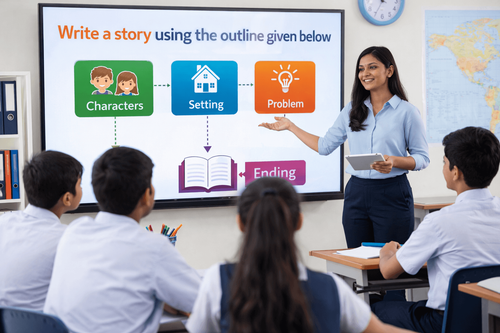

Table of Contents
- Why Story Writing with Outline is Important
- What is a Story Outline?
- How to Write a Story from Outline
- Story Writing Examples with Outline
- Common Mistakes in Story Writing
- Tips to Improve Story Writing Skills
- Guided Story Writing for Students
- Story Outline Examples for Practice
- Why Students Struggle with Story Writing
- PlanetSpark Creative Writing Course
- Master Story Writing with Confidence
If you’re searching for how to write a story using the outline given below, you’re likely looking for a structured way to turn ideas into engaging narratives. This blog helps students understand story writing with outline, provides practical examples, and shares step-by-step techniques to build strong stories easily. Whether you’re a beginner or improving your writing skills, you’ll find actionable guidance here.
Why Story Writing with Outline is Important
Story writing becomes much easier when you follow a clear outline. Instead of feeling confused about where to start or what to write next, an outline gives direction.
Benefits of Using an Outline
- Helps organise thoughts logically
- Reduces writer’s block
- Ensures proper story flow
- Improves creativity with structure
- Saves time during writing
When students use guided story writing for students, they learn how to think step-by-step instead of randomly writing ideas.
What is a Story Outline?
A story outline is a structured plan of your story. It includes key elements such as characters, setting, problem, and resolution.
Key Elements of a Story Outline
1. Introduction
- Introduces characters
- Describes the setting
- Sets the tone
2. Rising Action
- Builds the story
- Introduces conflict
3. Climax
- The most exciting part
- Turning point
4. Falling Action
- Problem starts resolving
5. Conclusion
- Final outcome
- Lesson or moral
This structure is widely used in story outline examples to help students write effectively.
Want your child to master storytelling and creative writing with expert guidance? Explore the PlanetSpark Creative Writing Course today!
How to Write a Story from Outline
Writing a story from an outline is a step-by-step process.
Step-by-Step Guide
Step 1: Understand the Outline
- Read it carefully
- Identify main idea
- Highlight key points
Step 2: Expand Each Point
- Add details
- Use descriptions
- Build scenes
Step 3: Connect Ideas Smoothly
- Use linking words
- Maintain flow
Step 4: Add Emotions and Dialogues
- Make story engaging
- Show character feelings
Step 5: Write a Strong Ending
- Resolve conflict
- Add moral if needed
Give your child the confidence to turn outlines into powerful stories with PlanetSpark’s expert-led creative writing sessions!
Story Writing Examples with Outline
Let’s understand better with examples.
Example 1
Outline
- A thirsty crow
- Finds a pot with little water
- Drops stones
- Water rises
- Drinks water
Story
Once upon a time, a thirsty crow was searching for water. After flying for a long time, it found a pot with very little water. The crow could not reach the water.
Suddenly, it got an idea. It started dropping stones into the pot. Slowly, the water level rose. Finally, the crow drank the water and flew away happily.
Moral: Where there is a will, there is a way.
Example 2
Outline
- Boy cries wolf
- Villagers help
- He lies again
- Real wolf comes
- No one helps
Story
A shepherd boy used to get bored while watching sheep. One day, he shouted that a wolf had come. Villagers rushed to help but found no wolf.
He repeated this trick again. But when a real wolf came, no one believed him. The wolf attacked the sheep.
Moral: Never tell lies.
Common Mistakes in Story Writing
Even with an outline, students make mistakes.
Mistakes to Avoid
- Skipping important details
- Writing unrelated content
- Poor grammar and vocabulary
- Weak ending
- Lack of creativity
Help your child avoid these mistakes with personalised feedback and structured learning at PlanetSpark creative writing course!
Guided Story Writing for Students
Guided writing helps students learn faster.
How Guided Writing Works
- Teacher provides outline
- Student expands it
- Feedback is given
- Improvement is tracked
This method builds confidence and improves writing skills step by step.
Join PlanetSpark’s guided creative writing sessions and watch your child become a confident storyteller!
Story Outline Examples for Practice
To truly master story writing with outline, students need to go beyond simple points and learn how to expand them into meaningful, engaging narratives. Below are detailed versions of the outlines along with guidance on how to develop each part into a full story.
Practice Outline 1: Lost Puppy Story
Expanded Outline
1. Lost Puppy
- A small puppy gets separated from its owner in a busy park or street
- It looks scared, hungry, and confused
- Weather or surroundings can add emotion (rain, evening, crowd)
2. Child Finds It
- A kind child notices the puppy
- Observes its condition - dirty, weak, or injured
- Feels sympathy and decides to help
3. Takes Care of It
- Child takes the puppy home or gives temporary shelter
- Provides food, water, and comfort
- Builds emotional bonding with the puppy
4. Finds the Owner
- Child puts up posters or asks neighbours
- Maybe checks social media or local announcements
- Finally finds the worried owner searching for the puppy
5. Returns the Puppy
- Emotional reunion between owner and puppy
- Owner thanks the child
- Child feels happy for doing the right thing
6. Lesson / Moral
- Kindness and responsibility matter
- Helping others brings happiness
Writing Tip
While writing this story, focus on emotions and descriptions. Show how the puppy felt and how the child’s kindness made a difference.
Practice Outline 2: Lazy Student Story
Expanded Outline
1. Lazy Student
- A student who avoids studying and prefers playing or wasting time
- Ignores homework and advice from teachers and parents
- Feels overconfident or careless
2. Fails Exam
- Exams arrive and the student is unprepared
- Struggles to answer questions
- Receives poor marks or fails
3. Realisation and Hard Work
- Feels regret and disappointment
- Understands the importance of studying
- Starts making a timetable and studies regularly
4. Succeeds
- Performs better in the next test or exam
- Gains confidence through consistent effort
- Teachers and parents appreciate the improvement
5. Learns Lesson
- Realises hard work leads to success
- Understands value of discipline and time management
Writing Tip
Focus on the transformation of the character. Show the emotional journey from laziness to success, making the story relatable and inspiring.
How to Use These Outlines Effectively
- Convert each point into 2 to 3 sentences
- Add dialogues to make the story engaging
- Use descriptive words to build scenes
- Maintain logical flow from beginning to end
- Always end with a clear lesson or message
Practising with such story outline examples helps students build confidence, improve creativity, and develop structured thinking in writing.
Why Students Struggle with Story Writing
Common Challenges
- Lack of ideas
- Poor vocabulary
- Fear of making mistakes
- No structured learning
This is where guided platforms like PlanetSpark help students overcome these barriers.
PlanetSpark Creative Writing Course
PlanetSpark offers a powerful learning experience designed to help children become confident storytellers and communicators.
With 1:1 personal trainers, every child receives individual attention tailored to their learning style, pace, and personality. Trainers provide real-time feedback and focus on improving storytelling, grammar, fluency, and speaking skills.
The personalised curriculum ensures that each child progresses through a customised roadmap, addressing gaps and building strong foundational skills step by step.
PlanetSpark’s SparkX AI video analysis tool evaluates voice clarity, body language, grammar, and confidence, giving detailed insights for improvement. Alongside this, AI-led practice sessions allow children to practice storytelling and speeches independently with instant feedback.
The Spark Diary encourages daily writing habits, helping children build creativity and consistency. Gamified learning tools such as quizzes, vocabulary games, and grammar challenges make learning fun and engaging.
Parents stay involved through regular PTMs and detailed progress reports, ensuring transparency and measurable improvement.
Students also benefit from learning clubs and communities, where they participate in debates, storytelling, poetry, and podcasting activities. Platforms like Sparkline allow safe content sharing, while competitions and showcases provide real opportunities to perform and grow.
Enroll your child in PlanetSpark creative writing course today and unlock their full creative potential!
Master Story Writing with Confidence
Writing a story using an outline is one of the easiest and most effective ways to develop storytelling skills. It provides clarity, structure, and direction, helping students transform simple ideas into meaningful stories.
By practising regularly, avoiding common mistakes, and following proven techniques, students can significantly improve their writing skills. Structured approaches like guided writing make learning faster and more effective.
If you want your child to go beyond basic writing and become a confident communicator, structured learning and expert guidance can make a big difference.
You can also read:
Frequently Asked Questions
To write a story using an outline, first understand the key points. Then expand each point into sentences, connect ideas smoothly, add details, and end with a proper conclusion or moral.
Story writing with outline is a structured method where a basic framework is given, and students develop a full story based on it. It helps improve clarity and creativity.
An outline provides direction, helps organise thoughts, and ensures logical flow. It also reduces confusion and improves writing efficiency.
Students can improve by practising regularly, reading stories, learning vocabulary, and following structured techniques like guided writing.
Platforms like PlanetSpark offer structured courses, expert trainers, AI-based feedback, and personalised learning, making it highly effective for improving storytelling and creative writing skills.