

Imagine describing your best friend without using words like kind, funny, or smart. Sounds difficult, right? That’s because adjectives make our sentences more colorful and meaningful. In English grammar, adjectives help us describe people, places, animals, and things in a better way.
For Class 5 students, learning adjectives is important because it improves writing, speaking, and sentence-building skills. In this blog, you will learn the types of adjectives, their rules, degrees of comparison, and how to use them correctly in everyday sentences.

What is an Adjective?
"An adjective for class 5 is a word that describes a noun by giving more information about its size, color, number, or quality. Examples include ‘happy,’ ‘blue,’ and ‘five.’ Adjectives help students in class 5 form clearer sentences by adding detail and improving expression."
PlanetSpark makes grammar fun and engaging with live classes and expert tutors. Enroll today to build strong English skills from the ground up."
Why Do We Use Adjectives in English?
Adjectives make sentences clearer, more descriptive, and more interesting. Without adjectives, our sentences can sound plain and incomplete.
For example:
- I have a bag.
- I have a blue bag.
The second sentence gives more information.
We use adjectives to:
- describe people, places, or things
- tell size, shape, colour, or number
- compare objects
- improve storytelling and writing
- make communication clearer
Adjectives help readers imagine things better.
Help your child master adjectives and grammar with PlanetSpark.
Types of Adjectives for Class 5
There are 9 types of adjectives for class 5. Each type of adjective is unique, with rules and examples. Eight types of adjectives are given below with their underlined examples.
1. Descriptive adjectives
The word 'descriptive' itself explains that words are used to describe pronouns and nouns. These describing words are known as descriptive adjectives. They can also be called qualitative adjectives.
Example:
- I have a faster bike. (here, the word faster describes the bike)
- My cat is slower than yours. (Here, the word slower describes the cat)
2. Quantitative adjectives
These define the quantity or amount of nouns or pronouns. The questions like ‘how many?’ or ‘how much?’ is described by quantitative adjectives.
Example:
- I have 20 rupees in my pocket. (how much)
- Resham has three chocolates. (how many)
3. Proper adjectives
A word by modifying nouns or pronouns, originally formed by any proper noun, is known as a proper adjective. It describes a noun specifically.
Example:
- Indian cricket players are very famous.
- Korean workers work hard.
4. Demonstrative adjectives
Demonstrative adjectives point out to a specific object, person, animal, etc. or refer to something or someone. Demonstrative adjectives are this, that, those and these.
Example:
- That river is clean. (singular noun, far from the person)
- This pen is mine. (singular noun, close to the person)
- Those birds are beautiful. (plural noun, far from the person)
- These colours are yours. (plural noun, far from the person
5. Possessive adjectives
Possessive adjectives describe ownership of anything or its possessiveness. Here, reference is made to anything/ anyone which is pointed out. The most common possessive adjectives are their, their, our, your, and me.
Example:
- My car is parked outside.
- His cat is very smelly.
- Our work is not done.
6. Interrogative adjectives
Interrogative adjectives are used in interrogative sentences. They are used to asking questions. Any pronoun or noun follows interrogative adjectives. The most common adjectives are which, whose, what, etc.
Examples
- Which phone do you have?
- What game do you rarely play?
- Whose truck is this?
7. Indefinite adjectives
Indefinite adjectives are used to modify a noun in a nonspecific manner. These words offer some indefinite or uncertain information about any noun. Some common indefinite adjectives are any, all, each, either, neither, several, etc.
Examples
- He gave some rice to her.
- Mehak wanted a few moments alone with the kid.
8. Compound adjectives
The nouns modified by other compound nouns are known as compound adjectives. They can be identified with a quotation mark or a hyphen between the words.
Examples
- Manish saw a seven-foot-long snake.
- You have a broken-down toy.
9. Absolute adjectives
An adjective word with a meaning that can not be generally compared or intensified is an absolute adjective. Absolute adjectives are mostly found in the form of superlative degrees. Some words like almost virtually or early can be added with these adjectives. These adjectives can also be called ultimate or incomparable.
Examples
- She is dead.
- This jewel is unique.

How to Identify Adjectives in a Sentence
Finding adjectives is easy if you know what to look for.
1. Look for describing words
Example:
The tall boy is running.
“Tall” describes the boy.
2. Check words before nouns
Adjectives often come before nouns.
Example:
She has a red dress.
“Red” describes the dress.
3. Look after linking verbs
Sometimes adjectives come after words like is, am, are, was, were.
Example:
The cake is delicious.
“Delicious” describes the cake.
Quick tip:
Ask — What kind? Which one? How many?
The answer is often an adjective.
Degrees of Adjectives
English grammar in class 5 includes 3-degree kinds of adjectives. These degrees are there so that adjectives can compare one object to another. Overall comparison can also be made with these degrees of adjectives. For example, compare the most intelligent girl with the whole class, compare the biggest or largest animal on Earth with the rest of the animals, etc. The three degrees of adjectives are positive, comparative, and superlative. For more information on English Grammar Adjectives for Class 5, click here.
1. Positive degree of adjectives
A positive degree of adjectives is used when there is no comparison between two pronouns or nouns.
2. Comparative degree of adjectives
When there is a comparison between two nouns or pronouns, comparative degrees of adjectives are used.
3. Superlative degree of adjectives
Where there is a comparison between more than two nouns or pronouns, then superlative degrees of adjectives are used.
|
Positive degree |
Comparative degree |
Superlative degree |
|
beautiful |
More beautiful |
Most beautiful |
|
old |
Older |
The oldest |
|
big |
bigger |
The biggest |
|
far |
farther/ further |
The farthest/ the furthest |
|
black |
blacker |
blackest |
|
dirty |
dirtier |
The dirtiest |
|
clean |
cleaner |
The cleanest |
|
Difficult |
More difficult |
The most difficult |
List of irregular forms of comparative and superlative degrees of adjectives in class 5 English grammar:
|
Positive degree |
Comparative degree |
Superlative degree |
|
little |
less |
least |
|
good |
better |
best |
|
Far |
Farther |
farthest |
|
bad |
worse |
worst |
|
Many |
more |
most |
Make grammar simple and fun for your child with expert-led live classes at PlanetSpark.
Key Rules of Adjectives
Using adjectives correctly makes sentences stronger.
Rule 1: Adjectives usually come before nouns
Example:
It is a beautiful painting.
Rule 2: Adjectives can come after linking verbs
Example:
The water is cold.
Rule 3: Use adjectives in the correct order
Order:
Quantity → Opinion → Size → Age → Colour → Noun
Example:
She bought three lovely small red balloons.
Rule 4: Do not overuse adjectives
Too many adjectives make sentences confusing.
Wrong:
She wore a beautiful, amazing, wonderful dress.
Better:
She wore a beautiful dress.
Rule 5: Adjectives describe nouns, not actions
Example:
He is a fast runner. ✔
He runs fast. (fast here acts differently)
Rules for Degrees of Comparison
Degrees of comparison help us compare nouns.
There are three degrees:
1. Positive Degree
Used without comparison.
Example:
Riya is tall.
2. Comparative Degree
Used to compare two nouns.
Rule:
Add -er or use more
Example:
Riya is taller than Simran.
3. Superlative Degree
Used to compare more than two nouns.
Rule:
Add -est or use most
Example:
Riya is the tallest girl in the class.
Important Rules:
- Use -er/-est for short adjectives
- Use more/most for long adjectives
- Never use double comparison
Wrong:
more better ❌
Correct:
better ✔

Exercise on adjectives for class 5
Here are some solved exercises on degrees of adjectives in English grammar for class 5 given below.
- My house is bigger than hers.
- This is the most interesting book I have ever read.
- Which is the most dangerous animal in the world.
- Strangely, orange juice is more expensive than a cold drink
- The weather this winter is even worse than last winter.
- Mayank is older than Ravi.
- That is a very small car.
- This is the warmest blanket in the house.
- Mr Sharma is the nicest teacher in the school.
- Winter is the most wonderful season of all.
Here are some solved exercises on the types of adjectives given below.
- Sheela is a clever girl. (adjective of quality)
- Lotus is a beautiful flower. (adjective of quality)
- Aluminium is a useful metal for construction. (adjective of quality)
- There is not enough milk in the bottle. (adjective of quantity)
- The dog ate the whole bread. (adjective of quantity)
- Each student was given chocolate. (distributive adjective)
- Those mangoes are ripe. (demonstrative adjective)
- The cat has its dinner. (possessive adjective)
- This is my phone. (possessive adjective)
- That girl is very active. (that- demonstrative adjective and active- adjective of quality)
English adjective sentences - CBSE class 5
Here are some other CBSE class 5 English adjective solved exercises and sentences given below.
- Mango is a tasty fruit.
- Chennai is a large city.
- The elephant is the largest animal on land.
- Raj is an innocent boy.
- Ravi is an honest boy.
- Raveena is a dumb girl.
- He does not have much money.
- I have bought some oranges.
- There has not been sufficient rain this year.
- There are several mistakes in this letter.
- December is the last month of the year.
- Do you have any chocolates?
Common Mistakes in Adjectives
Students often make these mistakes:
Mistake 1
❌ She is more taller than me.
✅ She is taller than me.
Mistake 2
❌ This is the most fastest car.
✅ This is the fastest car.
Mistake 3
❌ He is a red big boy.
✅ He is a big red boy.
Mistake 4
❌ Its a beautiful day.
✅ It is a beautiful day.
Mistake 5
❌ The water tastes badly.
✅ The water tastes bad.
Avoiding these mistakes improves grammar.
Build stronger writing and speaking skills with structured grammar learning from PlanetSpark.
Quick Revision: Adjectives in One Minute
Adjectives are words that describe nouns and pronouns.
They tell us:
- what kind
- how many
- which one
- whose
Main types:
- descriptive
- quantitative
- possessive
- demonstrative
- interrogative
- indefinite
Degrees:
- positive
- comparative
- superlative
Example:
small → smaller → smallest
Remember:
Adjectives add detail and improve sentences.
Why Choose PlanetSpark for English Grammar?
PlanetSpark helps children build strong grammar foundations through practical learning.
Why parents choose PlanetSpark:
- live one-on-one classes
- expert English teachers
- grammar through speaking and writing
- fun activities and worksheets
- personalised feedback
- confidence-building approach
Children learn grammar through application, not memorisation.
Neel Kundal’s Success Story

Neel Kundal wanted to improve his English grammar and writing skills. He struggled with sentence formation, grammar rules, and using describing words effectively in writing.
After joining PlanetSpark, Neel started learning grammar concepts like adjectives, sentence structure, and vocabulary through engaging live sessions and regular practice.
With expert guidance and consistent learning, Neel improved his grammar accuracy, writing quality, and confidence in communication.
His hard work helped him achieve:
- First Position in class
- State Rank 810 in the International Olympiad of the English Language
Neel’s journey shows how strong grammar skills can improve both academic performance and communication confidence.
Turn grammar practice into confident communication.
Conclusion
Adjectives are a very important part of class 5 English grammar. In simple words, adjectives act as modifiers for a noun or pronoun. They denote the quality of any named thing to indicate the quantity or extent and specify a thing different from some other thing. CBSE class 5 English adjective sentences are best for explaining types of adjectives. These words can also be used to describe. There are 9 types of adjectives: descriptive, quantitative, proper, demonstrative, possessive, interrogative, indefinite, compound, and absolute adjectives. There are also 3-degree kinds of adjectives: positive, superlative, and comparative degrees. Adjectives play an important role in increasing the quality of the sentence. Nevertheless, adjectives improve the skills of English grammar. For more information on English Grammar Adjectives for Class 5, click here.
Reader Can Also Read
Grammar Curriculum
What Our Students Say About PlanetSpark

Parents of Oviya Singh
Oviya Singh, a PlanetSpark student, spoke about ‘Soil Conservation’ in her TEDxTalk by addressing the status quo and questioning, ‘Is the world running out of food?’

Mohd Rafiq
Thanks to PlanetSpark and his teacher’s guidance, Ayan now speaks confidently, participates actively, and has published his first storybook.

Mr. & Mrs. Bipin Patel
PlanetSpark helped my son Ahan find his voice and confidence. From stage speaking to being published in Pearls of Poetry, his growth has been remarkable.

Mrs. Sushila Thapa
PlanetSpark’s Public Speaking program has boosted Sristi’s confidence and clarity, her school performance speaks for itself.

Rajiv Sharma
My daughter has transformed from a shy kid to a confident speaker in just 6 months. The personalized attention and structured curriculum made all the difference.
Parents of Oviya Singh
Oviya Singh, a PlanetSpark student, spoke about ‘Soil Conservation’ in her TEDxTalk by addressing the status quo and questioning, ‘Is the world running out of food?’
Mohd Rafiq
Thanks to PlanetSpark and his teacher’s guidance, Ayan now speaks confidently, participates actively, and has published his first storybook.
Mr. & Mrs. Bipin Patel
PlanetSpark helped my son Ahan find his voice and confidence. From stage speaking to being published in Pearls of Poetry, his growth has been remarkable.
Mrs. Sushila Thapa
PlanetSpark’s Public Speaking program has boosted Sristi’s confidence and clarity, her school performance speaks for itself.
Rajiv Sharma
My daughter has transformed from a shy kid to a confident speaker in just 6 months. The personalized attention and structured curriculum made all the difference.
Practice with Our Worksheets
Class 5 Quotation Marks Dialogue English Grammar Worksheet
Practice using quotation marks correctly while writing dialogues and conversations.
Class 3 Grammar Worksheet on Subject–Verb Agreement
Match subjects and verbs correctly in sentences with this simple worksheet.

Class 4 Reading Passage on The Greedy Merchant
Explore what happens to a greedy merchant in this meaningful story-based worksheet.
Class 4 Multiple Meaning Words English Worksheet
Discover words with multiple meanings using clear sentence examples.
Linking Verb Worksheet Class 2
Practise linking verbs with fun MCQs and fill-in-the-blank exercises for Class 2 students.
Class 4 English Worksheet for Paragraph Writing
Strengthen paragraph skills by arranging ideas logically through writing tasks.
KG English Worksheet on Colours and Shapes
Fun activities to help KG kids learn colours and shapes with simple examples.
Class 2 English Worksheet: Punctuations "."and"?"
Explore naming words with fun activities that build strong noun skills early on.

Class 3 English Worksheet on Concrete and Abstract Nouns
Learn the difference between concrete and abstract nouns with activities designed to strengthen grammar concepts in young Class 3 learners.

Class 2 English Worksheet on Collective Nouns
Explore collective nouns for groups of animals, people, and things.
Class 5 Quotation Marks Dialogue English Grammar Worksheet
Practice using quotation marks correctly while writing dialogues and conversations.
Class 3 Grammar Worksheet on Subject–Verb Agreement
Match subjects and verbs correctly in sentences with this simple worksheet.
Class 4 Reading Passage on The Greedy Merchant
Explore what happens to a greedy merchant in this meaningful story-based worksheet.
Class 4 Multiple Meaning Words English Worksheet
Discover words with multiple meanings using clear sentence examples.
Linking Verb Worksheet Class 2
Practise linking verbs with fun MCQs and fill-in-the-blank exercises for Class 2 students.
Class 4 English Worksheet for Paragraph Writing
Strengthen paragraph skills by arranging ideas logically through writing tasks.
KG English Worksheet on Colours and Shapes
Fun activities to help KG kids learn colours and shapes with simple examples.
Class 2 English Worksheet: Punctuations "."and"?"
Explore naming words with fun activities that build strong noun skills early on.
Class 3 English Worksheet on Concrete and Abstract Nouns
Learn the difference between concrete and abstract nouns with activities designed to strengthen grammar concepts in young Class 3 learners.
Class 2 English Worksheet on Collective Nouns
Explore collective nouns for groups of animals, people, and things.
Why Thousands of Parents Trust PlanetSpark
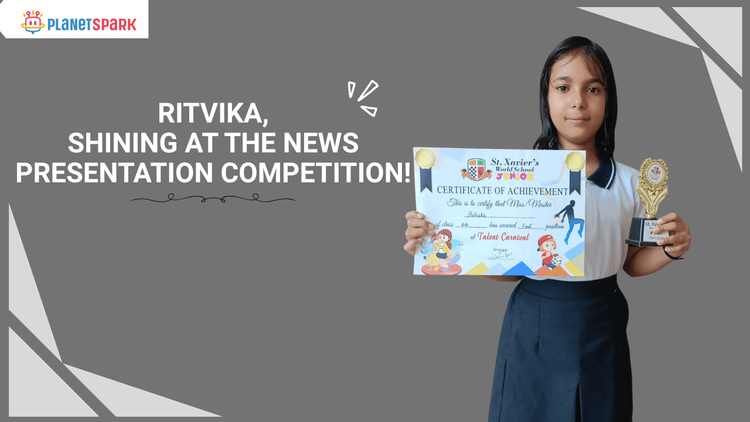
Ritvika (News Presentation Competition)
Ritvika has achieved a milestone in News Presentation! From the PlanetSpark classroom to the spotlight at the News Presentation Competition.
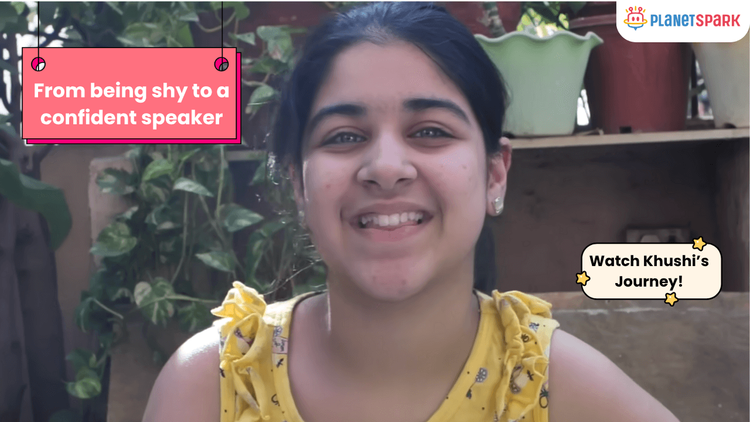
Khushi Bhatia, 10 Years
Khushi transformed from being a shy to a confident speaker with PlanetSpark!
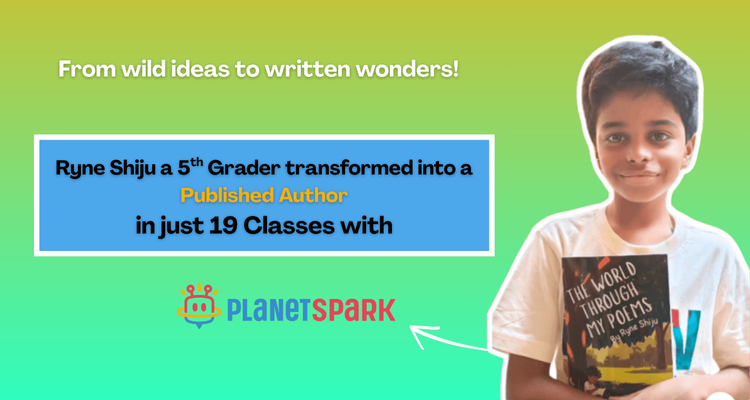
Ryne Shiju (Published Author)
Ryne Shiju, a bright PlanetSpark star, has turned imagination into inspiration becoming a published author whose words now empower and inspire.

Muskaan (SpellBee International Participant)
We are beyond proud of Muskaan from PlanetSpark, who showcased her spelling brilliance at the SpellBee International Programme.
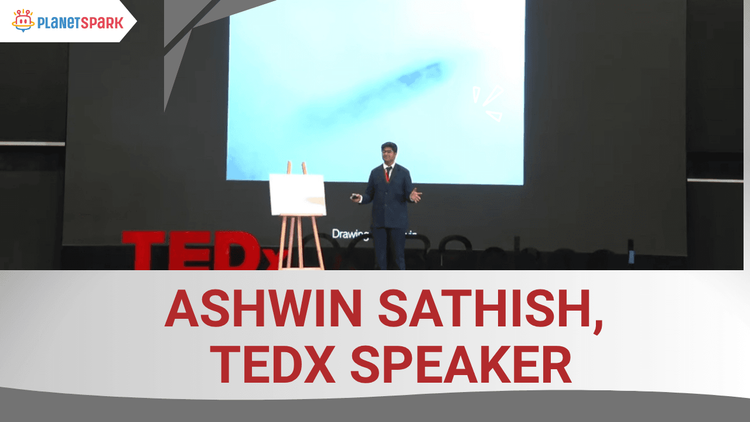
Ashwin Sathish (TEDx Speaker)
Ashwin Sathish, Grade 8 from New Delhi, stood tall as a TEDx Speaker, sparking conversations that truly matter. From classroom confidence to commanding a global stage, his journey reflects the power of voice, vision, and courage.
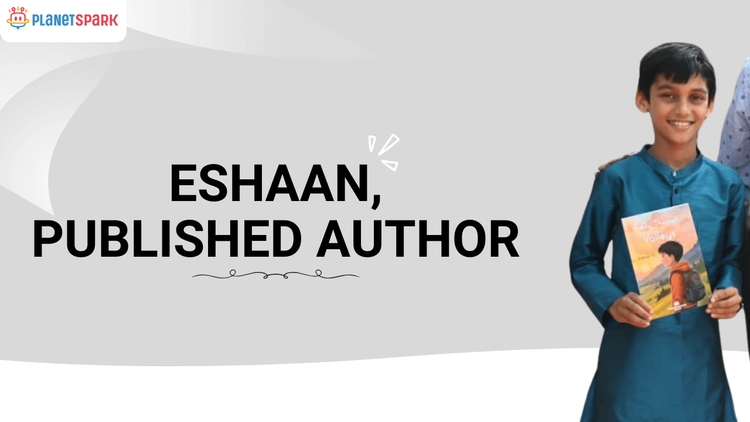
Eshaan (Published Author)
Eshaan has officially became a published author, turning classroom activity into a captivating storybook.

Pranav (NOF English Champion League)
Pranav, a Grade 3 star, has successfully completed the NOF English Champion League, showcasing his brilliance in Public Speaking and Creative Writing.

Ovia Singh (TEDx Speaker)
Oviya Singh from PlanetSpark challenged the status quo in her TEDx Talk, asking, ‘Is the world running out of food?’ as she highlighted the importance of soil conservation.
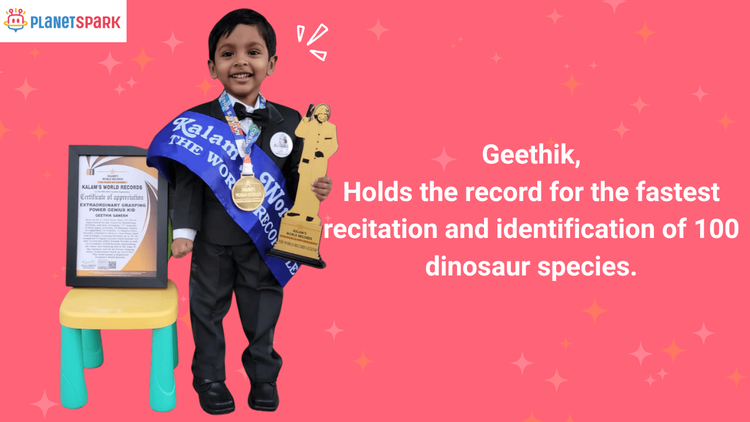
Geethik (Fastest Recitation)
Geethik’s PlanetSpark-sharpened speaking skills helped him set a 100-dinosaur recitation record.
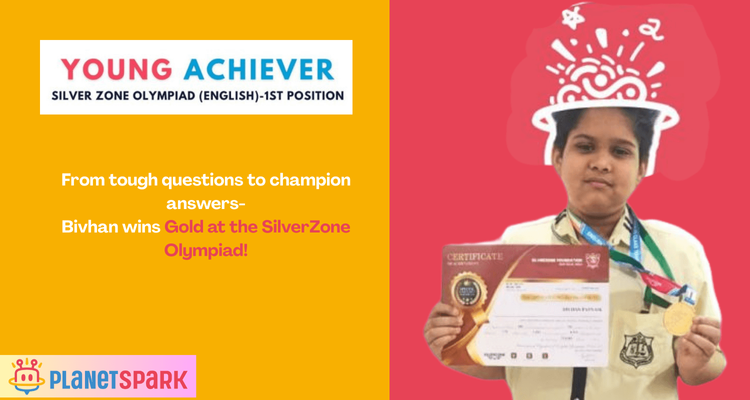
Bivhan Patnaik (SilverZone Olympiad)
Bivhan, in just Grade 4, wins Gold at the SilverZone Olympiad, a true symbol of brilliance, focus, and PlanetSpark-guided success.

Advaith Gupta (SpellBee International)
Advaith Gupta – Spelling His Way to Global Recognition! From mastering vocabulary to shining at SpellBee International, Advaith creates remarkable achievements.
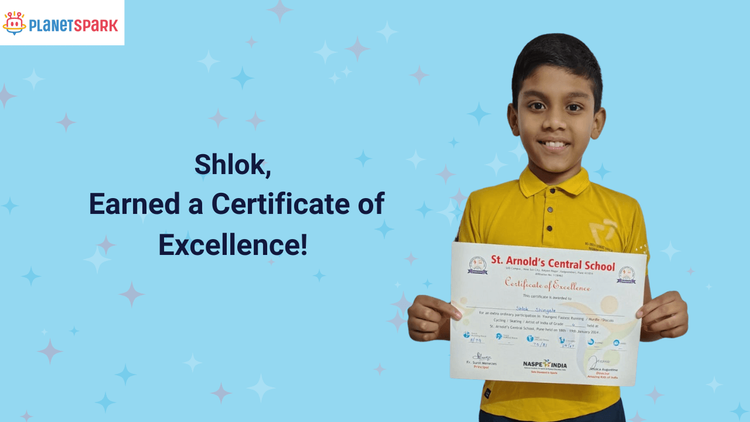
Shlok (certificate of excellence)
Earned a Certificate of Excellence, showcasing his growing confidence and skills nurtured at PlanetSpark.
Ovia Singh, 11 Years
Oviya Singh from PlanetSpark challenged the status quo in her TEDx Talk, asking, ‘Is the world running out of food?’ as she highlighted the importance of soil conservation.
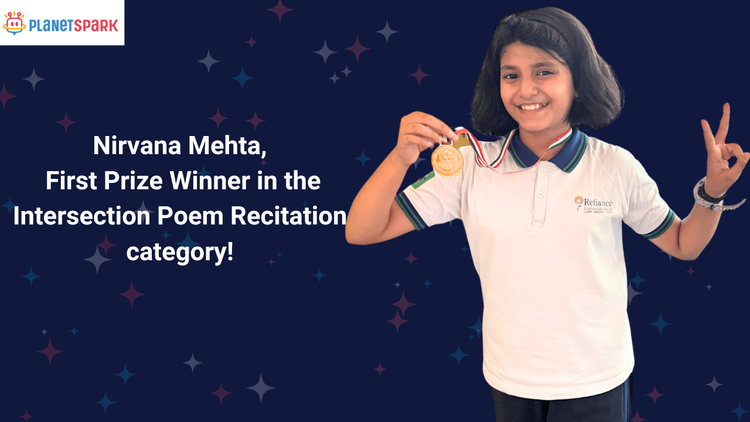
Nirvana Mehta (Wom Poem Recitation)
First Prize Winner in the Intersection Poem Recitation category
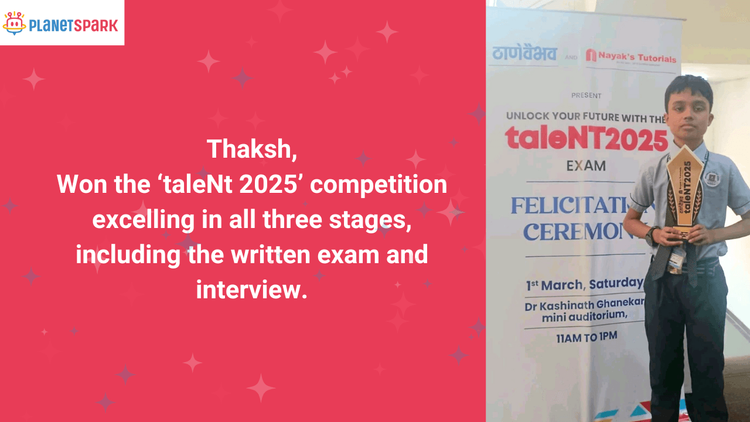
Thaksh (Won the ‘taleNt 2025’ competition)
Thaksh, won the ‘taleNt 2025’ competition in Thane after excelling in all three stages, including the written exam and interview.
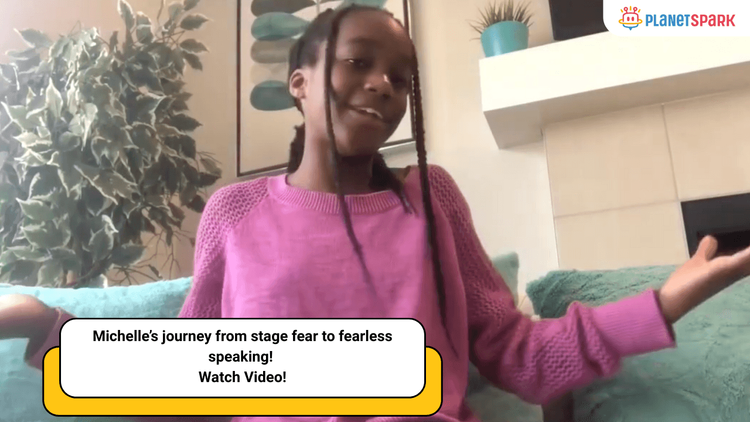
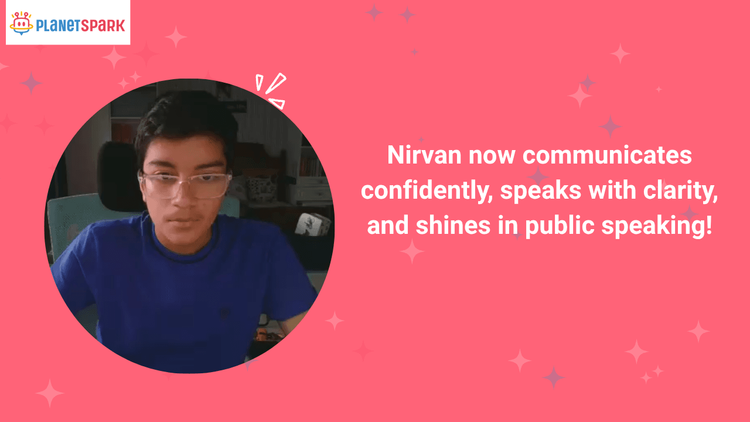
Nirvaan, Grade 9
Nirvan now communicates confidently, speaks with clarity, and shines in public speaking!
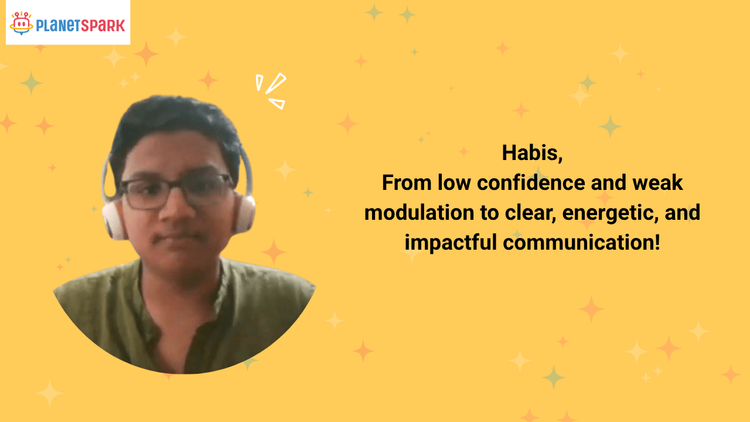
Habis, Grade 9
Meet Habis — once a shy speaker, now delivering every message with clarity, confidence, and strong stage presence.

Prathmesh (Got 3rd Prize in MUN)
Secured Third Prize at a Model United Nations event, reflecting his strong communication and critical thinking skills built at PlanetSpark.

Neel Kandul, First Position in class and State Rank 810 in the International Olympiad of English Language.
First Position in class and State Rank 810 in the International Olympiad of English Language.
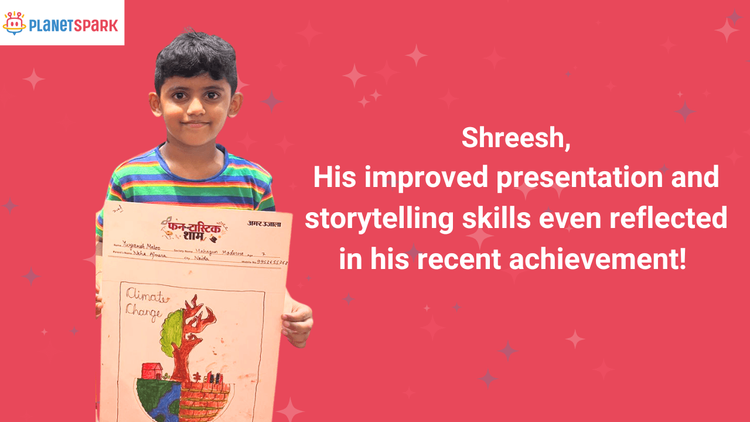
Shreesh
His improved presentation and storytelling skills even reflected in his recent achievement — winning second place in the Junior Category of a drawing competition on ‘Climate Change’ organized by the Amar Ujala team.
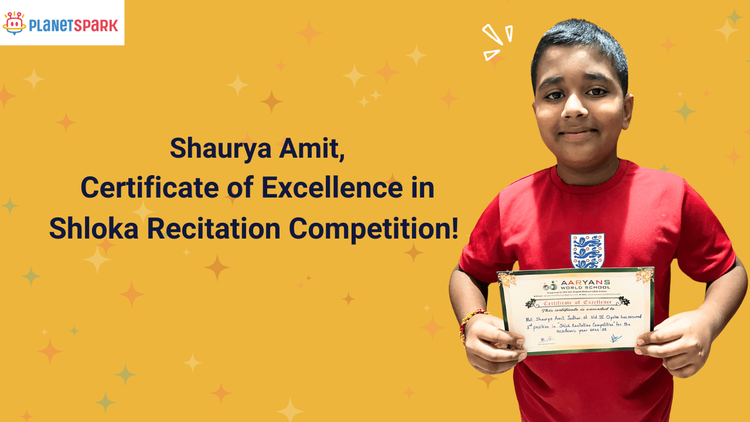
Shaurya Amit (Certificate of Excellence)
Certificate of Excellence in Shloka Recitation Competition

Manvik, 10 Years
Manvik Kumar, a student at PlanetSpark shares his story of becoming a confident Public Speaker.
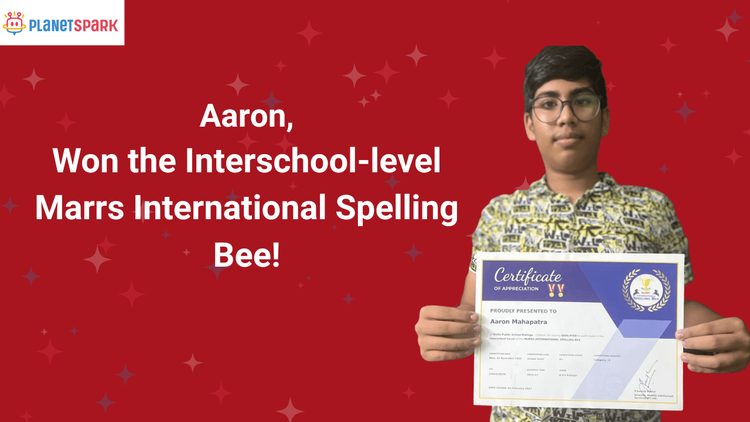
Aaron, International Spelling Bee Winner
Won at the Interschool-level Marrs International Spelling Bee, showcasing strong language skills and consistent PlanetSpark-driven growth.
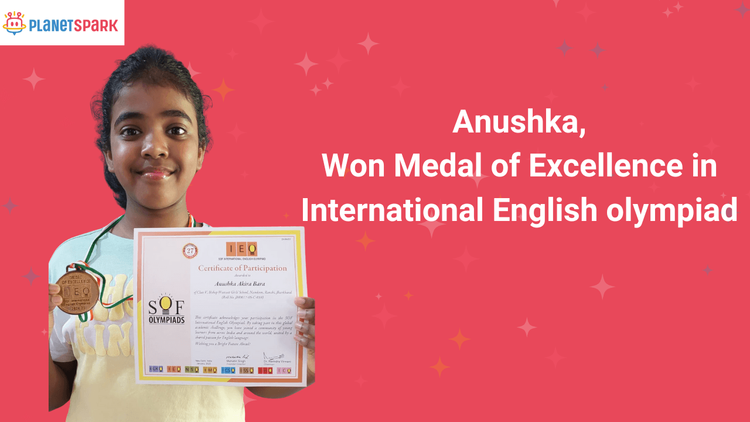
Anushka, Won Medal of Excellence in International English olympiad
Anushka won medal of excellence in International English olympiad. She scored sixth position in her school in olympiad.
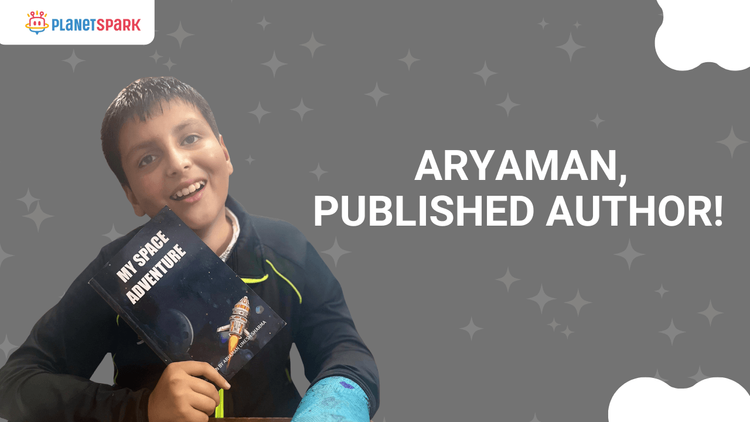
Aryaman, Published Author
Aaryaman became a published author, reflecting his creativity, communication skills, and confidence nurtured at PlanetSpark.
Frequently Asked Questions
How can you arrange adjectives in order?
+The common arrangement of adjectives in order is - quantity, opinion, size, age, colour, shape, origin, material and purpose.
Which degree is used to describe, not to compare?
+The positive degree, also known as the normal degree, is just used to describe, not compare.
How can you easily identify that a word is an adjective?
+The easiest way to identify that a word is an adjective is by looking for a word (describing word) before a noun or pronoun that describes that noun/ pronoun.
Why is the order of adjectives important?
+The order of adjectives is important to make sure that the sentence makes sense when you read or write it.
What is the purpose of adjectives?
+It is known that adjectives are used to modify nouns and pronouns. Their main purpose is to describe words that provide additional information and characteristics about nouns and pronouns. They are generally placed before the nouns/ pronouns.