

Articles are the basic components of English grammar. The use of articles in a sentence is important for proper communication. Non-native speakers find English very difficult because of the usage of articles in sentences. They do not know where to use articles or how to use words accurately. Articles for Class 4 are thoroughly explained in the section below.

What are Articles?
Articles are nothing but defining the term of the word. If the word indicates singular nouns, then a or an should be used. If the word indicates the noun that has been talked about, then it should be used. So, "a, an, the" depends on the people or things they are talking about. Articles are commonly used only before a noun or an adjective. Before understanding the usage of articles, let us know about their classifications. There are two categories involved in the article. They are:
- Definite articles
- Indefinite articles
Indefinite Article
If an article indicates any person or a thing, then "A" and "An" are used in the sentence. These articles are mostly used around singular nouns.
Wrong sentences:
- Orange is a fruit
- Owl is bird
- I need umbrella
Correct sentences:
- An Orange is a fruit
- An owl is a bird
- I need an umbrella
We use “a” when the noun or adjective that follows starts with a consonant sound.
For example,
- A dog
- A pencil
- A book
- A bear
- A man
We use “an” when the noun or adjective that follows starts with a vowel sound.
For example;
"An" is used before words that begin with a vowel letter, and also "An" is used with words that have a vowel sound.
For example:
- An MBA
- An X-mas tree
- An hour.
The above-mentioned words do not start with any vowels, but they sound like a vowel. So, we use “an” instead of “a” here.
Want your child to improve English grammar and speak confidently?
Why Do We Use Articles in English?
Articles are small words, but they play a big role in English grammar. We use articles before nouns to make our meaning clear. Articles tell us whether we are talking about a person, place, animal, or thing in a general way or a specific way.
For example:
- I saw a cat in the garden. (any cat)
- I saw the cat that lives near my house. (a particular cat)
Without articles, sentences may sound incomplete or confusing.
Articles help us:
- make sentences meaningful
- speak clearly
- write correctly
- understand whether something is specific or general
Learning articles is important because they improve both speaking and writing skills.
Revision of A & An, Articles
Below are a few examples provided for Class 4 English Use Of Articles:
1. Harish found__A____ bird sitting on the fence.
2. Gold is ___A_____ yellow metal.
3. Ram used to come back within ____An____ hour.
4. They are unknown callers.
5. My father is ____AN__ MBA.
6. There is a chance of rain. Carry ___An_____ umbrella.
7. Riya gave me ___An____ one rupee.
8. Rajesh is _____An___ healthy man.
9. __An____ old guy is wiser than ___A__young guy.
10. He gave me ___A___ pen and ___An_____ inkpot.
Definite Article
'The' indicates a definite article representing a person or a thing. It can be used in singular as well as plural forms.
Usage of ‘The’ in the sentence
- If we mention anything about a person, thing, or place.
For example:
Sheila is the girl I’m visiting.
- If we use a noun and the noun should be unique. Then we can use “The” before the word.
For example:
The United States of America, The Oscars, etc.
- In superlatives
For example:
The Best, The highest, The richest, etc.
- If we mention a noun that indicates the entire class of its kind
For example:
The camel is called the ship of the desert.
- To indicate positions in numbers.
For example:
The first, The fifth, The seventh, etc.
- If we mention temples, rivers, and trains, we can use the articles before these sentences.
For example:
The Andes, The ball, The Statue of Liberty, etc..

How to Identify Whether to Use A or An?
Many students think we use a and an based on letters, but the real rule is based on sound.
Use a before words that begin with a consonant sound.
Examples:
- a book
- a dog
- a pencil
Use an before words that begin with a vowel sound.
Examples:
- an apple
- an egg
- an umbrella
Remember:
It is about the sound, not just the spelling.
For example:
- an hour (silent “h”)
- an honest man
- a university (“yu” sound)
Always listen to the first sound of the word before choosing the article.
Below are the exercises of CBSE Class 4 English Grammar Articles:
-
This is a pink dress
- The dress is not mine.
- Here is an orange. The orange is sweet.
- The patient lost an eye. It was the left eye.
- In Mumbai, we visited a small house, and The house faced north.
- Have you visited the Lodhi Garden? It is a beautiful place.
- We got an invitation to attend a wedding yesterday. However, we did not attend the party.
- Give me a bar of chocolate. The chocolate should be a caramel chocolate.
- The earth revolves around the sun.
- The blue whale is the largest mammal on earth.
Still have doubts? Learn everything about Articles in 3 simple steps
Make grammar learning simple and fun for your child.
Join PlanetSpark today and help them master English with interactive live classes.
When Not to Use Articles
1. Before Plural Nouns (General)
-
Correct: Boys like to play football.
-
Incorrect: The boys like to play football. (Only if you're talking about boys in general)
But:
-
Correct: The boys in my class like to play football. (Specific group)
2. Before Uncountable Nouns (General)
-
Correct: Petrol is expensive.
-
Incorrect: The petrol is expensive. (Unless referring to specific petrol)
But:
-
Correct: The petrol at this pump is expensive.
Learn & practice more with Class 4 Worksheet on Articles A, An and The
Key Rules of Articles
Here are some important rules to remember:
Rule 1: Use “a” before consonant sounds.
Examples:
- a toy
- a cat
Rule 2: Use “an” before vowel sounds.
Examples:
- an orange
- an elephant
Rule 3: Use “the” for specific things.
Examples:
- the sun
- the moon
Rule 4: Use “the” when something is already known.
Example:
I saw a dog. The dog was barking.
Rule 5: Use “the” with superlatives.
Examples:
- the best
- the tallest
Rule 6: Use articles before singular countable nouns.
Example:
She has a pencil.
Tips to Remember Articles Easily
Learning articles can be simple if you follow these easy tips:
1. Listen to the sound
Focus on pronunciation, not spelling.
Example:
an hour, a university
2. Think: Specific or General?
General = a/an
Specific = the
3. Practice daily
Read simple sentences and identify articles.
4. Learn through speaking
Use articles while speaking in daily conversations.
5. Read storybooks
Reading improves grammar naturally.
The more you read, the better you understand articles.

Why are Articles Important?
Articles may seem small, but they greatly impact how a sentence is understood. Using the correct article helps the listener or reader know whether you're talking about something specific or general.
Let’s understand with an example:
-
“I saw a lion in the zoo.”
(Any lion, not known which one) -
“I saw the lion that roared loudly.”
(A specific lion you're referring to)
Common Mistakes to Avoid
Saying “a hour” instead of “an hour”
Using “the” before a name unnecessarily (e.g., “The Ram is coming”)
Using articles before proper nouns (e.g., “The India is a big country”)
Quick Revision: Articles in One Minute
Articles are three small words:
- A
- An
- The
Use a before consonant sounds.
Example: a cat
Use an before vowel sounds.
Example: an egg
Use the for specific people or things.
Example: the sun
Remember:
A = any one
An = any one (before vowel sound)
The = a particular one
Quick tip:
If you can point to it specifically, use “the.”
Why Choose PlanetSpark for English Grammar?
Learning grammar becomes easy when taught in the right way. PlanetSpark helps children understand grammar through fun activities, live classes, and practical speaking exercises.
At PlanetSpark, students learn:
-
Builds Strong Sentence Formation: Grammar teaches children how to arrange words correctly to make meaningful sentences.
-
Improves Speaking Skills: When grammar rules are clear, children can speak confidently and correctly.
-
Enhances Writing Skills: Good grammar helps in writing essays, letters, and answers without mistakes.
-
Strengthens Reading Understanding: Knowing grammar makes it easier to understand stories, lessons, and passages.
-
Expands Vocabulary Usage: Grammar helps students use new words in the correct way.
-
Reduces Common Mistakes: Children learn where to use words like a, an, and the correctly.
-
Improves Academic Performance: Strong grammar skills help students perform better in school exams and competitions.
-
Builds Confidence in Communication: When children know grammar rules, they speak and write with more confidence.
Expert trainers make learning interactive and enjoyable, so children can improve both grammar and communication together.
With regular practice and personalized feedback, children become confident English speakers.

How PlanetSpark Helped Neel Excel in English
Neel Kandu was always eager to learn and improve his English skills. Like many students, he wanted to strengthen his grammar, speaking, and writing to perform better in academics.
With regular guidance and structured learning at PlanetSpark, Neel worked on important English grammar concepts, improved sentence construction, and practised communication skills consistently.
The focused training and expert mentorship helped him build strong language fundamentals and boost his confidence.
His hard work and consistent practice led to remarkable success:
- Secured First Position in class
- Achieved State Rank 810 in the International Olympiad of English Language
Strong grammar builds strong communication.
Start your child’s English learning journey with PlanetSpark and watch their confidence grow.
Conclusion
Articles are used to indicate a particular person, thing or place. Without using the article, we would not understand the accurate meaning of any sentence. Understanding English grammar can be a little tedious. But once we started applying the rules by forming the sentences, you can find it easy.
Reader Can Also Read
Grammar Curriculum
What Our Students Say About PlanetSpark
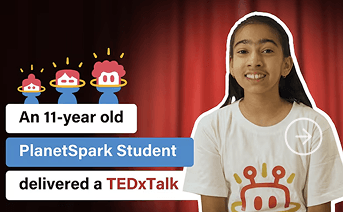
Parents of Oviya Singh
Oviya Singh, a PlanetSpark student, spoke about ‘Soil Conservation’ in her TEDxTalk by addressing the status quo and questioning, ‘Is the world running out of food?’
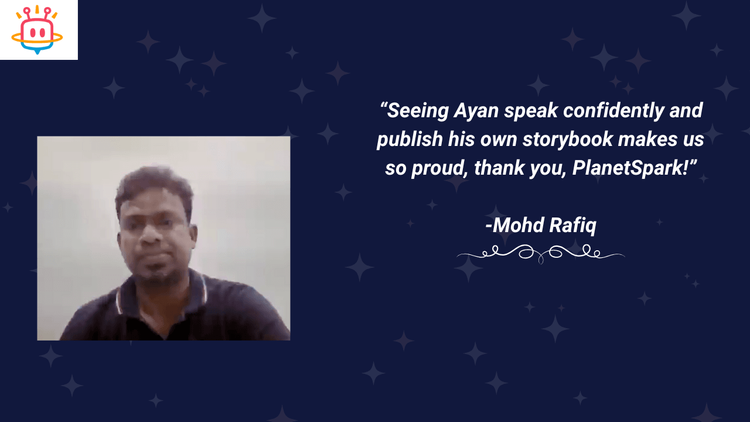
Mohd Rafiq
Thanks to PlanetSpark and his teacher’s guidance, Ayan now speaks confidently, participates actively, and has published his first storybook.
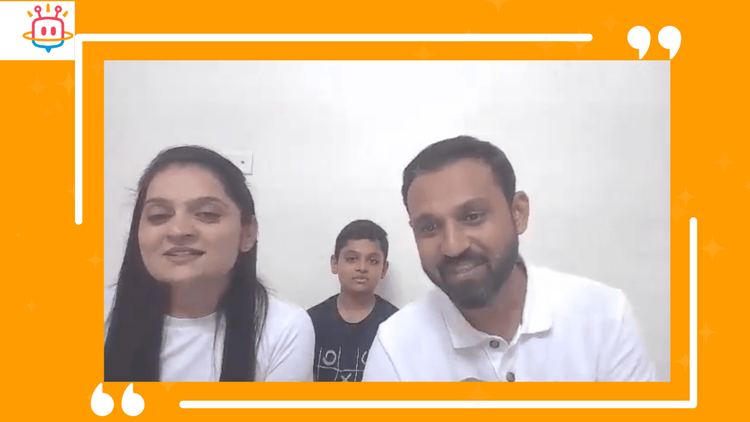
Mr. & Mrs. Bipin Patel
PlanetSpark helped my son Ahan find his voice and confidence. From stage speaking to being published in Pearls of Poetry, his growth has been remarkable.

Mrs. Sushila Thapa
PlanetSpark’s Public Speaking program has boosted Sristi’s confidence and clarity, her school performance speaks for itself.

Rajiv Sharma
My daughter has transformed from a shy kid to a confident speaker in just 6 months. The personalized attention and structured curriculum made all the difference.
Parents of Oviya Singh
Oviya Singh, a PlanetSpark student, spoke about ‘Soil Conservation’ in her TEDxTalk by addressing the status quo and questioning, ‘Is the world running out of food?’
Mohd Rafiq
Thanks to PlanetSpark and his teacher’s guidance, Ayan now speaks confidently, participates actively, and has published his first storybook.
Mr. & Mrs. Bipin Patel
PlanetSpark helped my son Ahan find his voice and confidence. From stage speaking to being published in Pearls of Poetry, his growth has been remarkable.
Mrs. Sushila Thapa
PlanetSpark’s Public Speaking program has boosted Sristi’s confidence and clarity, her school performance speaks for itself.
Rajiv Sharma
My daughter has transformed from a shy kid to a confident speaker in just 6 months. The personalized attention and structured curriculum made all the difference.
Practice with Our Worksheets
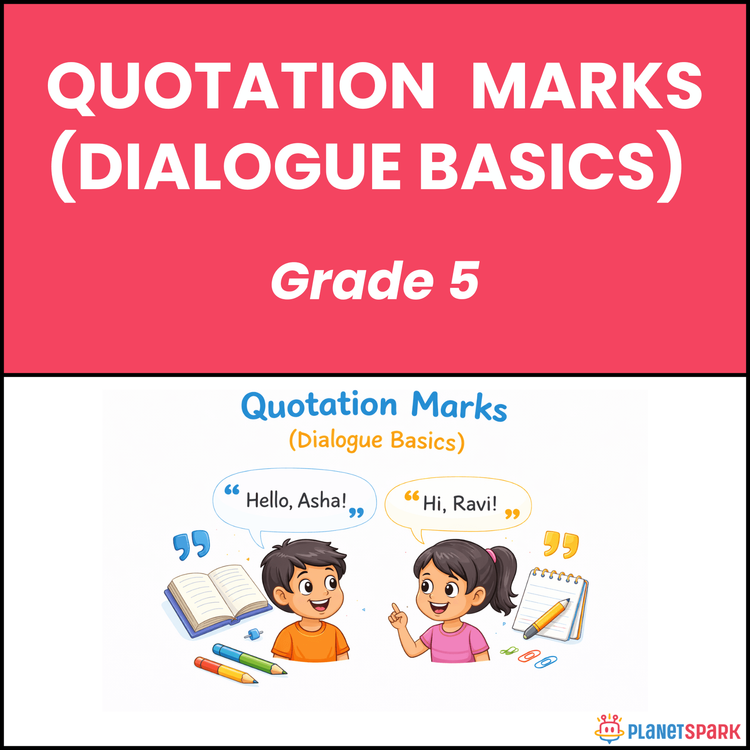
Class 5 Quotation Marks Dialogue English Grammar Worksheet
Practice using quotation marks correctly while writing dialogues and conversations.
Class 3 Grammar Worksheet on Subject–Verb Agreement
Match subjects and verbs correctly in sentences with this simple worksheet.
Class 4 Reading Passage on The Greedy Merchant
Explore what happens to a greedy merchant in this meaningful story-based worksheet.
Class 4 Multiple Meaning Words English Worksheet
Discover words with multiple meanings using clear sentence examples.
Linking Verb Worksheet Class 2
Practise linking verbs with fun MCQs and fill-in-the-blank exercises for Class 2 students.
Class 4 English Worksheet for Paragraph Writing
Strengthen paragraph skills by arranging ideas logically through writing tasks.
KG English Worksheet on Colours and Shapes
Fun activities to help KG kids learn colours and shapes with simple examples.
Class 2 English Worksheet: Punctuations "."and"?"
Explore naming words with fun activities that build strong noun skills early on.

Class 3 English Worksheet on Concrete and Abstract Nouns
Learn the difference between concrete and abstract nouns with activities designed to strengthen grammar concepts in young Class 3 learners.

Class 2 English Worksheet on Collective Nouns
Explore collective nouns for groups of animals, people, and things.
Class 5 Quotation Marks Dialogue English Grammar Worksheet
Practice using quotation marks correctly while writing dialogues and conversations.
Class 3 Grammar Worksheet on Subject–Verb Agreement
Match subjects and verbs correctly in sentences with this simple worksheet.
Class 4 Reading Passage on The Greedy Merchant
Explore what happens to a greedy merchant in this meaningful story-based worksheet.
Class 4 Multiple Meaning Words English Worksheet
Discover words with multiple meanings using clear sentence examples.
Linking Verb Worksheet Class 2
Practise linking verbs with fun MCQs and fill-in-the-blank exercises for Class 2 students.
Class 4 English Worksheet for Paragraph Writing
Strengthen paragraph skills by arranging ideas logically through writing tasks.
KG English Worksheet on Colours and Shapes
Fun activities to help KG kids learn colours and shapes with simple examples.
Class 2 English Worksheet: Punctuations "."and"?"
Explore naming words with fun activities that build strong noun skills early on.
Class 3 English Worksheet on Concrete and Abstract Nouns
Learn the difference between concrete and abstract nouns with activities designed to strengthen grammar concepts in young Class 3 learners.
Class 2 English Worksheet on Collective Nouns
Explore collective nouns for groups of animals, people, and things.
Why Thousands of Parents Trust PlanetSpark
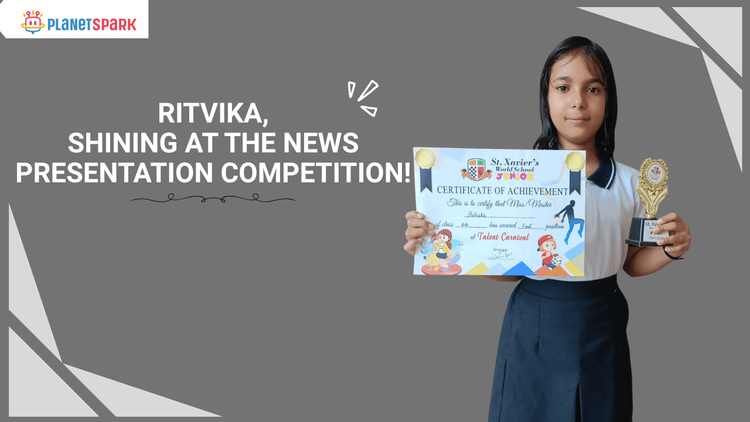
Ritvika (News Presentation Competition)
Ritvika has achieved a milestone in News Presentation! From the PlanetSpark classroom to the spotlight at the News Presentation Competition.
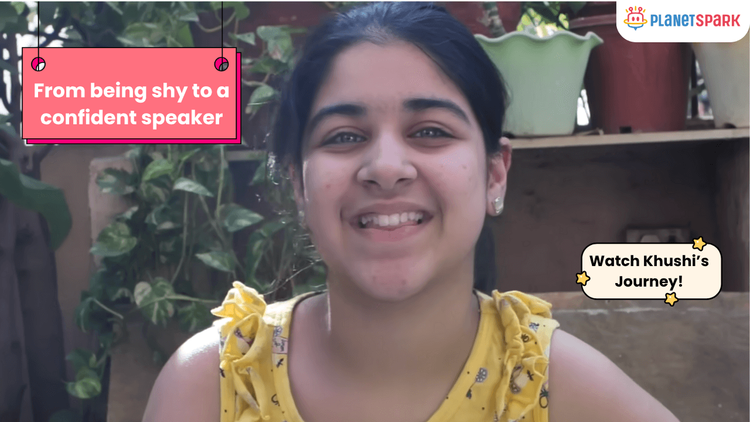
Khushi Bhatia, 10 Years
Khushi transformed from being a shy to a confident speaker with PlanetSpark!
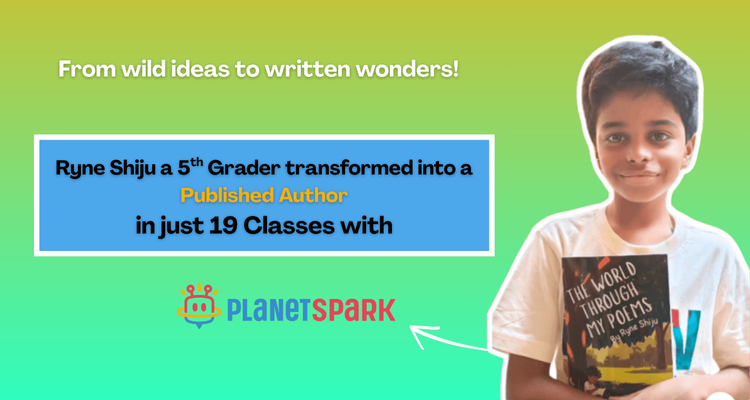
Ryne Shiju (Published Author)
Ryne Shiju, a bright PlanetSpark star, has turned imagination into inspiration becoming a published author whose words now empower and inspire.
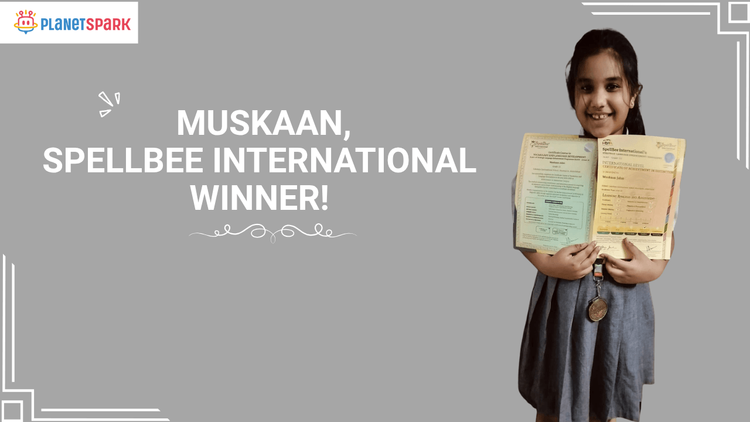
Muskaan (SpellBee International Participant)
We are beyond proud of Muskaan from PlanetSpark, who showcased her spelling brilliance at the SpellBee International Programme.
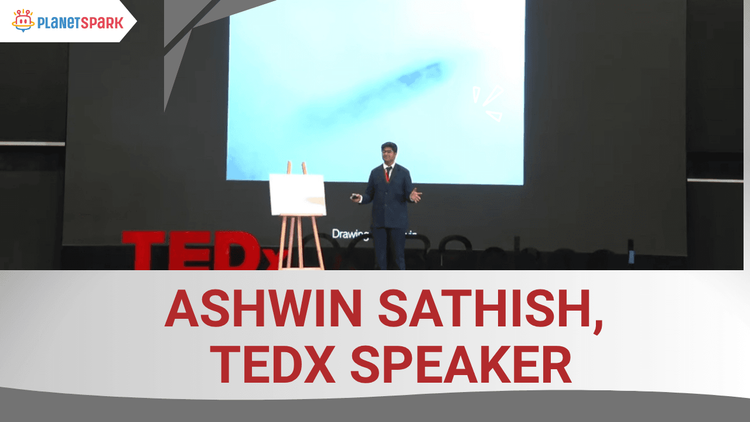
Ashwin Sathish (TEDx Speaker)
Ashwin Sathish, Grade 8 from New Delhi, stood tall as a TEDx Speaker, sparking conversations that truly matter. From classroom confidence to commanding a global stage, his journey reflects the power of voice, vision, and courage.
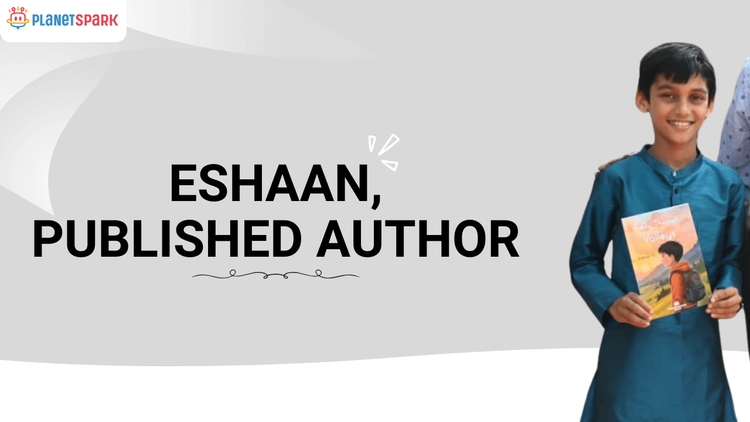
Eshaan (Published Author)
Eshaan has officially became a published author, turning classroom activity into a captivating storybook.
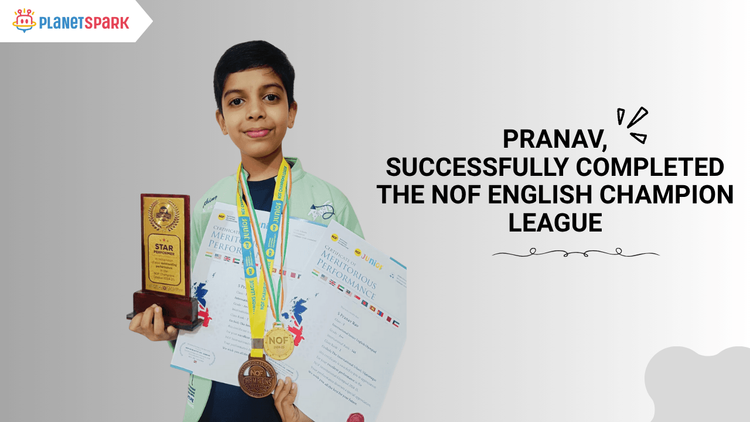
Pranav (NOF English Champion League)
Pranav, a Grade 3 star, has successfully completed the NOF English Champion League, showcasing his brilliance in Public Speaking and Creative Writing.
Ovia Singh (TEDx Speaker)
Oviya Singh from PlanetSpark challenged the status quo in her TEDx Talk, asking, ‘Is the world running out of food?’ as she highlighted the importance of soil conservation.
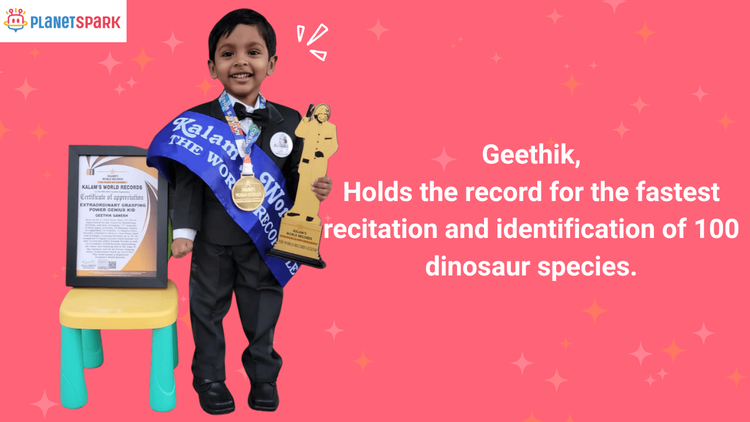
Geethik (Fastest Recitation)
Geethik’s PlanetSpark-sharpened speaking skills helped him set a 100-dinosaur recitation record.
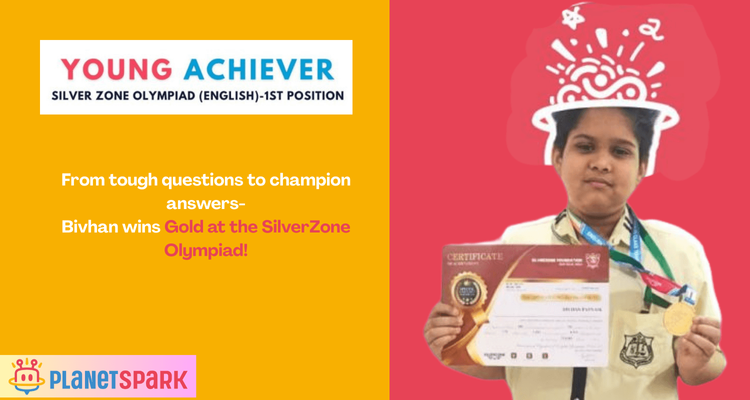
Bivhan Patnaik (SilverZone Olympiad)
Bivhan, in just Grade 4, wins Gold at the SilverZone Olympiad, a true symbol of brilliance, focus, and PlanetSpark-guided success.
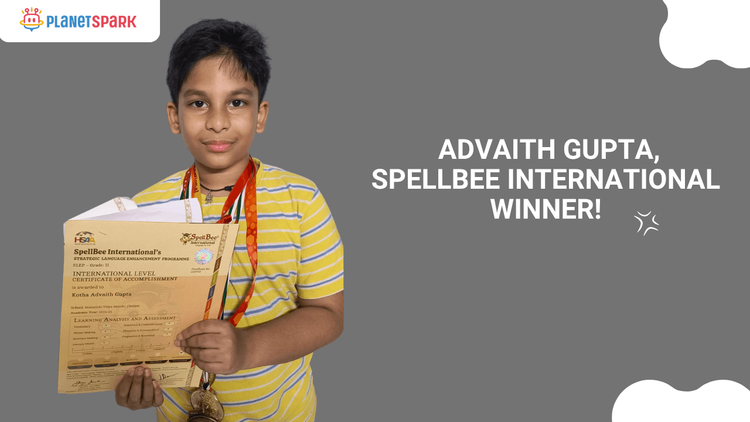
Advaith Gupta (SpellBee International)
Advaith Gupta – Spelling His Way to Global Recognition! From mastering vocabulary to shining at SpellBee International, Advaith creates remarkable achievements.
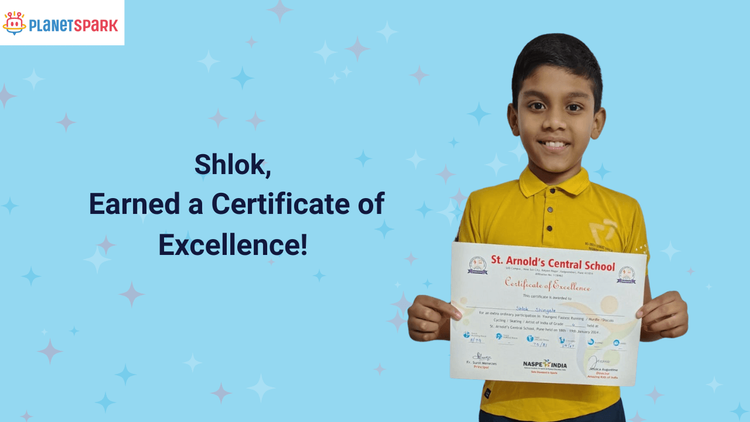
Shlok (certificate of excellence)
Earned a Certificate of Excellence, showcasing his growing confidence and skills nurtured at PlanetSpark.
Ovia Singh, 11 Years
Oviya Singh from PlanetSpark challenged the status quo in her TEDx Talk, asking, ‘Is the world running out of food?’ as she highlighted the importance of soil conservation.
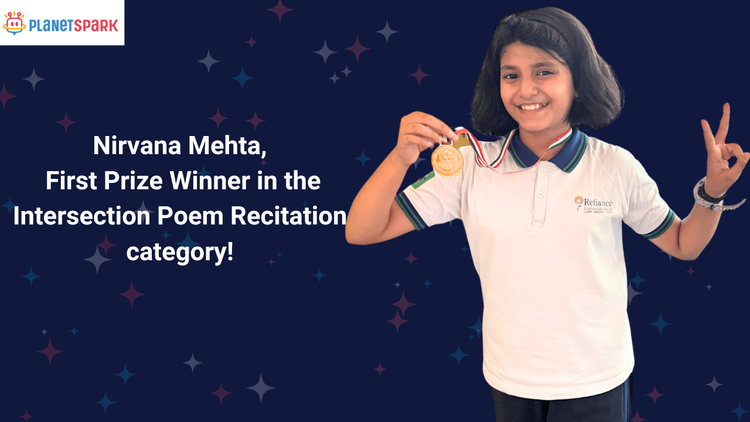
Nirvana Mehta (Wom Poem Recitation)
First Prize Winner in the Intersection Poem Recitation category
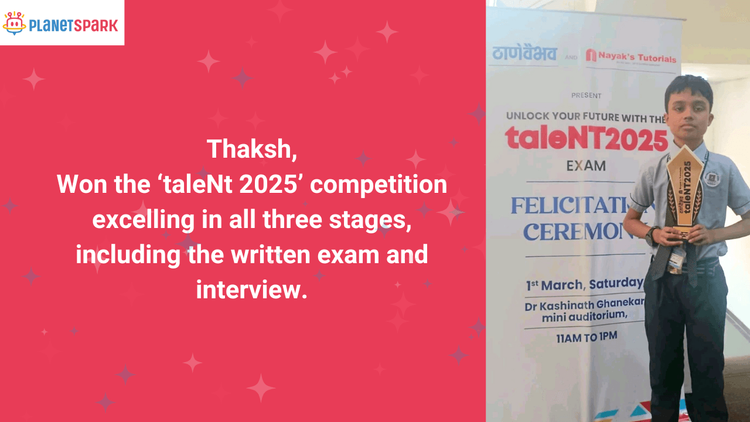
Thaksh (Won the ‘taleNt 2025’ competition)
Thaksh, won the ‘taleNt 2025’ competition in Thane after excelling in all three stages, including the written exam and interview.
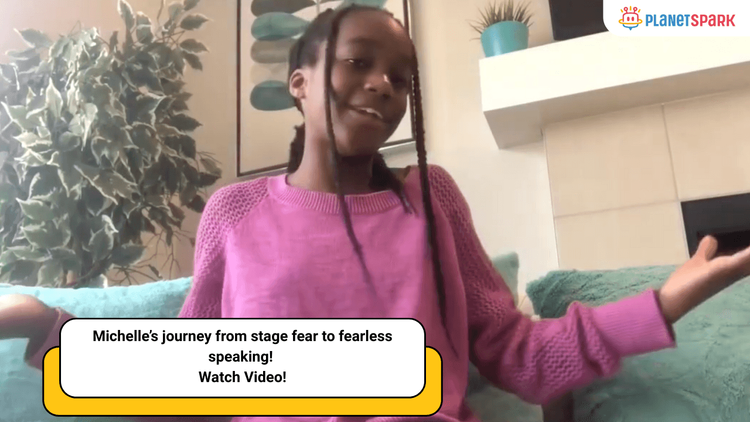
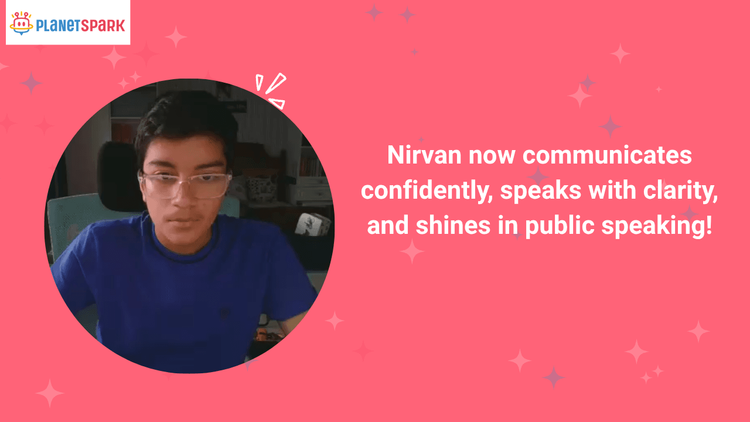
Nirvaan, Grade 9
Nirvan now communicates confidently, speaks with clarity, and shines in public speaking!
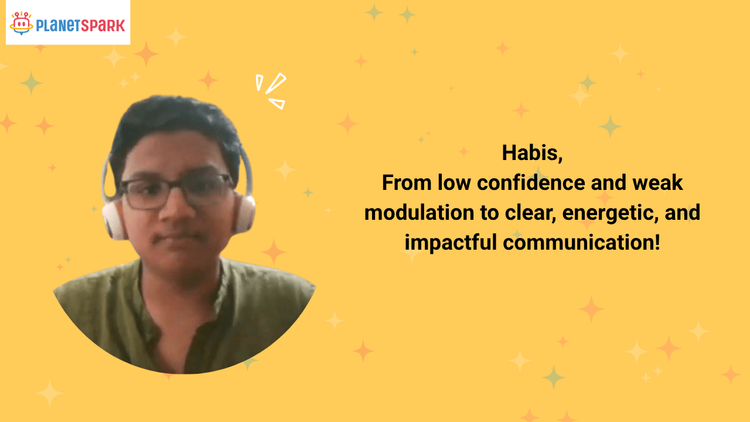
Habis, Grade 9
Meet Habis — once a shy speaker, now delivering every message with clarity, confidence, and strong stage presence.

Prathmesh (Got 3rd Prize in MUN)
Secured Third Prize at a Model United Nations event, reflecting his strong communication and critical thinking skills built at PlanetSpark.
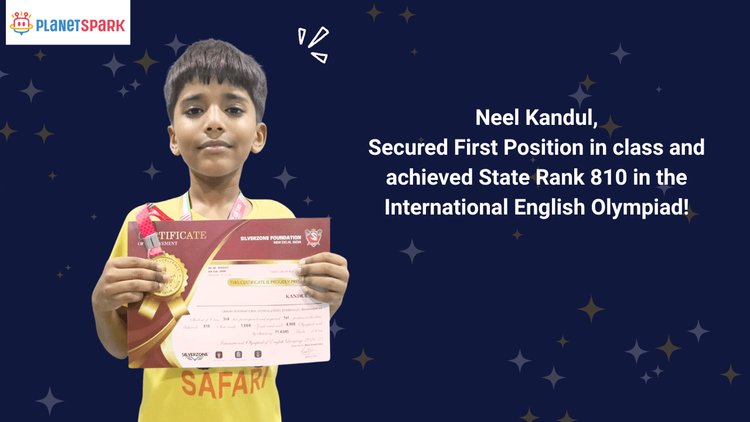
Neel Kandul, First Position in class and State Rank 810 in the International Olympiad of English Language.
First Position in class and State Rank 810 in the International Olympiad of English Language.
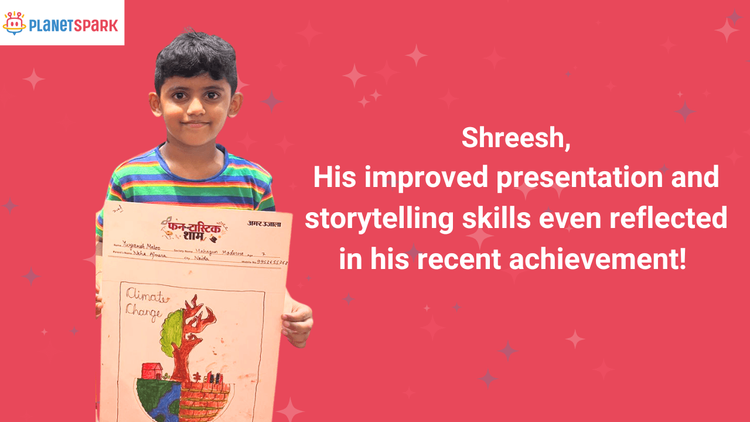
Shreesh
His improved presentation and storytelling skills even reflected in his recent achievement — winning second place in the Junior Category of a drawing competition on ‘Climate Change’ organized by the Amar Ujala team.
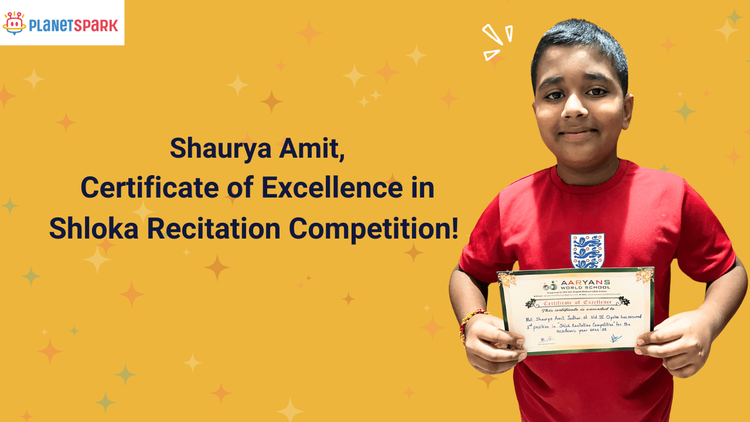
Shaurya Amit (Certificate of Excellence)
Certificate of Excellence in Shloka Recitation Competition

Manvik, 10 Years
Manvik Kumar, a student at PlanetSpark shares his story of becoming a confident Public Speaker.
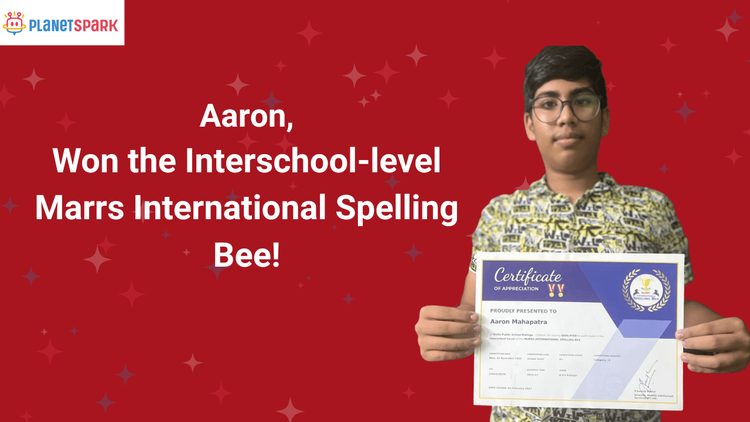
Aaron, International Spelling Bee Winner
Won at the Interschool-level Marrs International Spelling Bee, showcasing strong language skills and consistent PlanetSpark-driven growth.
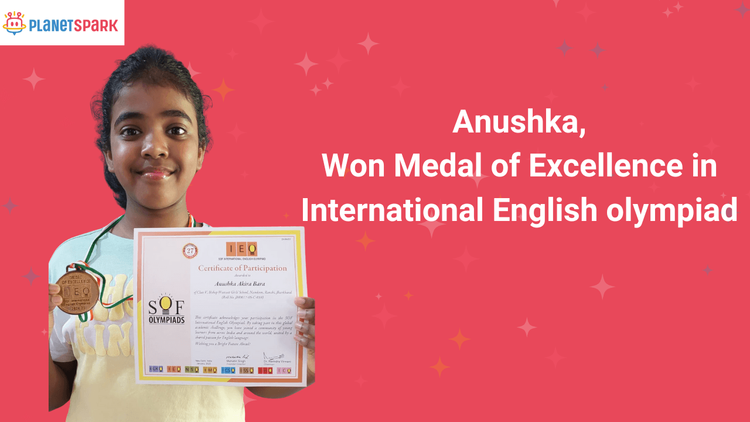
Anushka, Won Medal of Excellence in International English olympiad
Anushka won medal of excellence in International English olympiad. She scored sixth position in her school in olympiad.
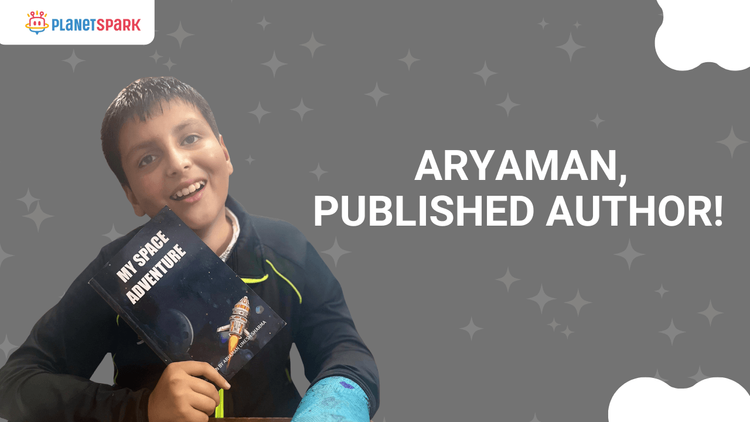
Aryaman, Published Author
Aaryaman became a published author, reflecting his creativity, communication skills, and confidence nurtured at PlanetSpark.
Frequently Asked Questions
When is the article “A” used in a sentence?
+The article “A” is used before words that begin with a consonant sound. It introduces something non-specific and singular. For example: a book, a dog, a university (note that “university” starts with a consonant sound "yu").
When is an article used?
+An article is used before a noun to indicate whether it is specific or general. Articles help clarify what we are referring to—whether it’s something known or unknown to the listener or reader.
When can the article “An” be used in a sentence?
+The article “An” is used before words that begin with a vowel sound. Like "A", it refers to something non-specific and singular. Examples: an apple, an hour, an honest person (note: “hour” and “honest” start with silent "h" and begin with a vowel sound).
Which article can be used with both singular and plural nouns?
+The definite article “The” can be used with both singular and plural nouns. It points to something specific, known, or previously mentioned.
Example: the cat (singular), the cats (plural).
Name the three articles.
+They help in identifying whether a noun is general or particular in meaning.