

Tenses help us tell stories about the past, present, and future. For a Class 2 child, learning tenses is like getting a time-travel ticket for their words. They can talk about what happened yesterday, what is happening right now, and what will happen tomorrow.
At PlanetSpark, we make tense learning exciting with stories, games, and examples that spark curiosity. In this blog, we will explore the basics of tenses for Class 2 with simple explanations and relatable examples.

Easy Definition of Tense for Class 2
A tense is a way of showing when an action happens, in the past, in the present, or in the future. In simple words, tenses tell us the time of an action.
Example:
- I eat an apple. → Happening now (Present)
- I ate an apple. → Happened before (Past)
- I will eat an apple. → Will happen later (Future)
For Class 2 students, understanding tenses is the first step to speaking and writing clearly about different events.
Why Do We Use Tenses in English?
Tenses help us understand when an action happens. They make our sentences clear and meaningful by showing time. Without tenses, it would be difficult to know whether something happened before, is happening now, or will happen later.
For example:
- I play football every day. (Present)
- I played football yesterday. (Past)
- I will play football tomorrow. (Future)
We use tenses in English to:
- talk about daily activities
- share past experiences
- speak about plans
- tell stories clearly
- Write correct sentences
Learning tenses helps Class 2 students speak and write English with confidence.
Types of Tenses for Class 2
Learning the tenses in Class 2 is essential for building a strong foundation in English grammar. Tenses help children clearly express when an action happens, whether in the past, present, or future. Understanding tenses for kids in Class 2 also makes it easier for them to construct correct sentences, improve their English speaking and writing skills, and grasp more advanced grammar concepts later on.
There are three main types of tenses that students learn in Class 2 English Grammar:
1. Present Tense: Actions Happening Now
The present tense for Class 2 describes actions that are happening right now or actions that happen regularly. Using the present tense correctly helps children talk about daily routines, facts, and ongoing activities.
Examples of Present Tense for Class 2:
-
I eat my lunch at school every day. (Daily routine)
-
She is playing with her toys. (Happening now)
-
The sun rises in the east. (Fact)
-
My brother reads a storybook before bed.
Tip for Class 2 Students: If you can see it happening now or it happens every day, use the present tense. Common words like “am,” “is,” or “are” often help identify the present tense.
2. Past Tense: Actions That Happened Before
The past tense for Class 2 describes actions that already happened. Learning the past tense is important for kids to tell stories about yesterday, talk about past events, and write experiences correctly.
Examples of Past Tense for Class 2:
-
I played cricket yesterday.
-
We visited our grandparents last weekend.
-
The dog barked loudly in the morning.
-
She finished her homework before dinner.
Tip for Class 2 Students: If it is done or finished, use the past tense. Many regular verbs end with -ed, like “played,” “visited,” or “finished.”
3. Future Tense: Actions That Will Happen
The future tense for Class 2 describes actions that will happen later. Using the future tense correctly helps children plan, predict, and talk about upcoming events in English.
Examples of Future Tense for Class 2:
-
I will go to the park tomorrow.
-
She will bake a cake for my birthday.
-
We will travel to the zoo next week.
-
My friend will come to my house after school.
Tip for Class 2 Students: If it hasn’t happened yet but will happen, use “will” or “shall” with the verb. This is a key rule in learning tenses for kids in Class 2.
Help your child master tenses and build strong English grammar skills with PlanetSpark.
Why Understanding Tenses is Important for Students
Learning tenses for Class 2 is more than memorizing rules. It gives children the tools to use English correctly and confidently.
-
Speak fluently and accurately: Knowing when to use past, present, or future tense helps children communicate clearly.
-
Write correct sentences: Proper use of tenses improves storytelling, essays, letters, and daily writing tasks.
-
Understand the time of actions: Tenses show exactly when an action happened, making conversations and writing precise.
-
Build a foundation for advanced grammar: Mastering tenses early prepares students for more complex grammar in higher classes.
With regular practice, Class 2 students can confidently use past, present, and future tenses in their daily conversations, homework, and creative writing, making English learning fun and effective.
Rules of Tenses for Class 2
To use tenses for Class 2 correctly, children should follow a few simple rules. These rules make it easier to speak, write, and understand English grammar clearly.
1. Match the Tense with the Time of Action
-
Present Tense: Use when the action is happening now or regularly.
Example: I eat breakfast every day. -
Past Tense: Use when the action has already happened.
Example: I played in the park yesterday. -
Future Tense: Use when the action will happen later.
Example: I will visit my grandmother tomorrow.
2. Use Helping Verbs Correctly
-
Present Tense: “am,” “is,” “are” for ongoing actions.
-
Past Tense: “was,” “were” for actions in the past.
-
Future Tense: “will” or “shall” to show future actions.
Examples:
-
She is reading a book. (Present Continuous)
-
They were singing yesterday. (Past Continuous)
-
He will come to school tomorrow. (Simple Future)
3. Add “-ed” for Regular Past Verbs
Most regular verbs in the past tense add -ed at the end.
Example: play → played, visit → visited
4. Keep Verb Consistency
The verb should match the subject and tense throughout the sentence.
Example: She goes to school and plays with friends. (Present Tense)
5. Don’t Change Tenses Randomly
Changing tenses in the middle of a sentence can confuse the reader or listener. Always ensure the tense matches the time of action.

How to Identify Tenses in a Sentence
To identify the tense in a sentence, look at the action word (verb) and the time clue.
Here are three easy ways:
1. Look at the verb
The verb often tells the tense.
Examples:
- play → present
- played → past
- will play → future
2. Look for time words
Time words help identify the tense.
Examples:
- yesterday → past
- now → present
- tomorrow → future
Sentence:
I went to the park yesterday.
The word “yesterday” shows past tense.
3. Look at helping verbs
Helping verbs also show tense.
Examples:
- is/am/are → present
- was/were → past
- will → future
Sentence:
She is reading.
“Is” shows the present tense.
Quick Tip:
Find the action and the time word to identify the tense easily.
The 12 Verb Tenses Overview
There are three main tenses in English, and each has four forms. Together, they make the 12 verb tenses.
Present Tenses
- Simple Present
Example: I eat food. - Present Continuous
Example: I am eating food. - Present Perfect
Example: I have eaten food. - Present Perfect Continuous
Example: I have been eating food.
Past Tenses
- Simple Past
Example: I ate food. - Past Continuous
Example: I was eating food. - Past Perfect
Example: I had eaten food. - Past Perfect Continuous
Example: I had been eating food.
Future Tenses
- Simple Future
Example: I will eat food. - Future Continuous
Example: I will be eating food. - Future Perfect
Example: I will have eaten food. - Future Perfect Continuous
Example: I will have been eating food.
For Class 2 students, the main focus is on simple present, simple past, and simple future.
Make English grammar simple and fun for your child with PlanetSpark interactive live classes.
Key Verb Forms (V1–V5)
Verbs change their form in different tenses. These forms help us build correct sentences.
V1 – Base Form
The basic form of the verb.
Example:
eat
Sentence:
I eat an apple.
V2 – Past Form
Used for the past tense.
Example:
ate
Sentence:
I ate an apple.
V3 – Past Participle
Used with has, have, had.
Example:
eaten
Sentence:
I have eaten an apple.
V4 – Ing Form
Used in continuous tenses.
Example:
eating
Sentence:
I am eating an apple.
V5 – S/ES Form
Used in simple present with he, she, it.
Example:
eats
Sentence:
She eats an apple.
Example Table:
go → went → gone → going → goes
play → played → played → playing → plays
write → wrote → written → writing → writes
Learning verb forms makes tense usage easier.
Common Helping Verbs in Tenses
Helping verbs support the main verb and show the tense clearly.
Present Tense Helping Verbs
- am
- is
- are
- has
- have
Examples:
She is dancing.
I have finished my work.
Past Tense Helping Verbs
- was
- were
- had
Examples:
They were playing.
He had eaten lunch.
Future Tense Helping Verbs
- will
Examples:
I will go to school tomorrow.
Helping verbs make sentences complete and meaningful.

Quick Revision: Tenses in One Minute
A tense tells us the time of an action.
There are three main tenses:
Present Tense
Action is happening now.
Example:
I play.
Past Tense
Action already happened.
Example:
I played.
Future Tense
Action will happen later.
Example:
I will play.
Remember:
V1 = base form
V2 = past form
V3 = past participle
V4 = ing form
V5 = s/es form
Quick Tip:
Look at the verb and time word to identify the tense.
Practice daily to improve.
Practice Makes Perfect: Present Tense for Class 2
Mastering the simple present tense is crucial for Class 2 students to describe daily routines and habits accurately. To reinforce this learning, PlanetSpark offers an engaging Class 2 English Grammar Worksheet on Present Tense.
Learn Tenses for Class 2 with PlanetSpark
At PlanetSpark, children learn tenses for Class 2 through interactive, fun, and engaging methods. Grammar is taught using:
-
Stories and Role Plays: Kids see tenses in action and practice them naturally.
-
Games and Quizzes: Learning is fun with word puzzles, Kahoots, and online exercises.
-
Concept to Application: Lessons go from rules → examples → sentence formation → paragraph writing.
-
Parent Reports: Track improvement in sentence building, grammar usage, and writing fluency.
These tools make learning tenses for kids in Class 2 easier, more enjoyable, and highly effective.
Neel Kundal’s Success Story: Building Strong English Grammar with PlanetSpark

Neel Kundal wanted to improve his English grammar and become more confident in speaking and writing. Like many young learners, he found it difficult to use tenses correctly and build accurate sentences.
After joining PlanetSpark, Neel started learning grammar through interactive classes, engaging activities, and regular practice. He worked on important grammar concepts like tenses, sentence formation, vocabulary, and spoken English.
With expert guidance and personalised feedback, Neel gradually improved his understanding of English grammar. He became better at using present, past, and future tenses correctly, which helped him speak more clearly and write more confidently.
His dedication and PlanetSpark’s structured learning approach led to remarkable achievements:
- Secured First Position in class
- Achieved State Rank 810 in the International Olympiad of English Language
Neel’s journey shows how strong grammar skills and consistent practice can help students excel in academics and become confident communicators.
Want your child to speak and write confidently?
Conclusion
Understanding tenses for Class 2 is essential for children to speak and write English confidently. By learning past, present, and future tenses, students can describe actions correctly, tell stories clearly, and communicate effectively. Consistent practice, interactive learning, and worksheets like those offered by PlanetSpark make mastering tenses fun and achievable for every Class 2 student.
Readers Also Read
Grammar Curriculum
What Our Students Say About PlanetSpark
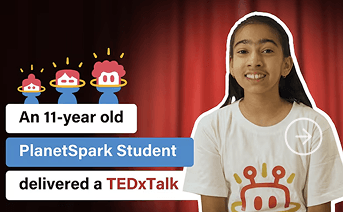
Parents of Oviya Singh
Oviya Singh, a PlanetSpark student, spoke about ‘Soil Conservation’ in her TEDxTalk by addressing the status quo and questioning, ‘Is the world running out of food?’
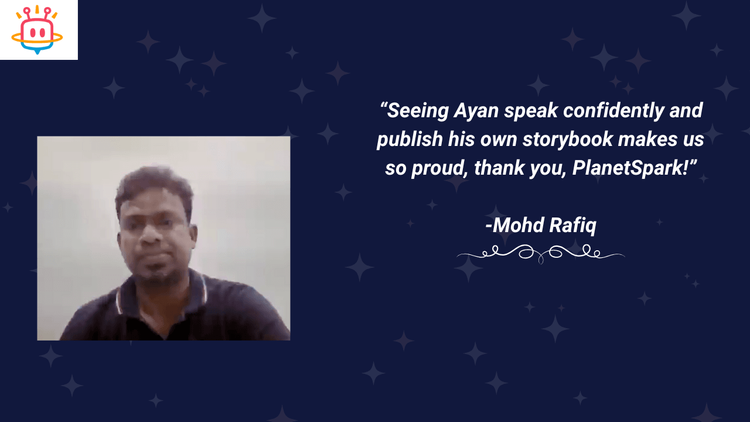
Mohd Rafiq
Thanks to PlanetSpark and his teacher’s guidance, Ayan now speaks confidently, participates actively, and has published his first storybook.
Mr. & Mrs. Bipin Patel
PlanetSpark helped my son Ahan find his voice and confidence. From stage speaking to being published in Pearls of Poetry, his growth has been remarkable.

Mrs. Sushila Thapa
PlanetSpark’s Public Speaking program has boosted Sristi’s confidence and clarity, her school performance speaks for itself.

Rajiv Sharma
My daughter has transformed from a shy kid to a confident speaker in just 6 months. The personalized attention and structured curriculum made all the difference.
Parents of Oviya Singh
Oviya Singh, a PlanetSpark student, spoke about ‘Soil Conservation’ in her TEDxTalk by addressing the status quo and questioning, ‘Is the world running out of food?’
Mohd Rafiq
Thanks to PlanetSpark and his teacher’s guidance, Ayan now speaks confidently, participates actively, and has published his first storybook.
Mr. & Mrs. Bipin Patel
PlanetSpark helped my son Ahan find his voice and confidence. From stage speaking to being published in Pearls of Poetry, his growth has been remarkable.
Mrs. Sushila Thapa
PlanetSpark’s Public Speaking program has boosted Sristi’s confidence and clarity, her school performance speaks for itself.
Rajiv Sharma
My daughter has transformed from a shy kid to a confident speaker in just 6 months. The personalized attention and structured curriculum made all the difference.
Practice with Our Worksheets
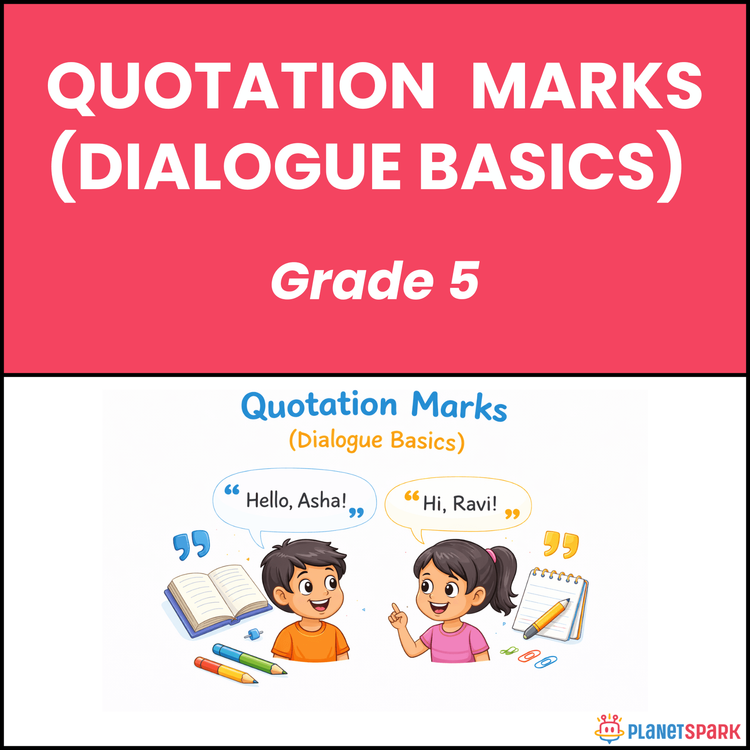
Class 5 Quotation Marks Dialogue English Grammar Worksheet
Practice using quotation marks correctly while writing dialogues and conversations.
Class 3 Grammar Worksheet on Subject–Verb Agreement
Match subjects and verbs correctly in sentences with this simple worksheet.
Class 4 Reading Passage on The Greedy Merchant
Explore what happens to a greedy merchant in this meaningful story-based worksheet.
Class 4 Multiple Meaning Words English Worksheet
Discover words with multiple meanings using clear sentence examples.
Linking Verb Worksheet Class 2
Practise linking verbs with fun MCQs and fill-in-the-blank exercises for Class 2 students.
Class 4 English Worksheet for Paragraph Writing
Strengthen paragraph skills by arranging ideas logically through writing tasks.
KG English Worksheet on Colours and Shapes
Fun activities to help KG kids learn colours and shapes with simple examples.
Class 2 English Worksheet: Punctuations "."and"?"
Explore naming words with fun activities that build strong noun skills early on.

Class 3 English Worksheet on Concrete and Abstract Nouns
Learn the difference between concrete and abstract nouns with activities designed to strengthen grammar concepts in young Class 3 learners.

Class 2 English Worksheet on Collective Nouns
Explore collective nouns for groups of animals, people, and things.
Class 5 Quotation Marks Dialogue English Grammar Worksheet
Practice using quotation marks correctly while writing dialogues and conversations.
Class 3 Grammar Worksheet on Subject–Verb Agreement
Match subjects and verbs correctly in sentences with this simple worksheet.
Class 4 Reading Passage on The Greedy Merchant
Explore what happens to a greedy merchant in this meaningful story-based worksheet.
Class 4 Multiple Meaning Words English Worksheet
Discover words with multiple meanings using clear sentence examples.
Linking Verb Worksheet Class 2
Practise linking verbs with fun MCQs and fill-in-the-blank exercises for Class 2 students.
Class 4 English Worksheet for Paragraph Writing
Strengthen paragraph skills by arranging ideas logically through writing tasks.
KG English Worksheet on Colours and Shapes
Fun activities to help KG kids learn colours and shapes with simple examples.
Class 2 English Worksheet: Punctuations "."and"?"
Explore naming words with fun activities that build strong noun skills early on.
Class 3 English Worksheet on Concrete and Abstract Nouns
Learn the difference between concrete and abstract nouns with activities designed to strengthen grammar concepts in young Class 3 learners.
Class 2 English Worksheet on Collective Nouns
Explore collective nouns for groups of animals, people, and things.
Why Thousands of Parents Trust PlanetSpark
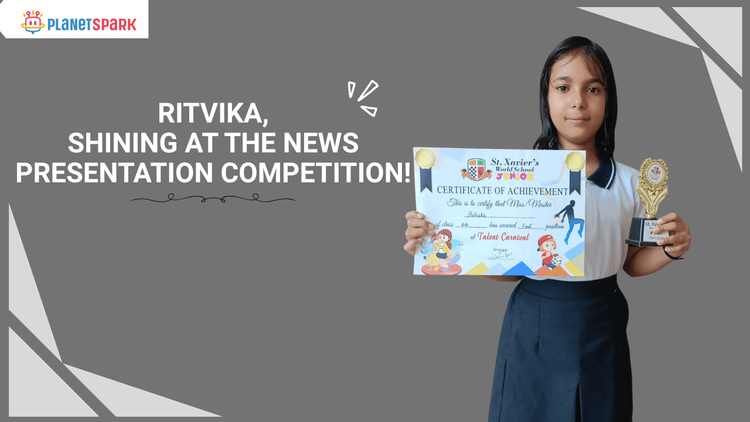
Ritvika (News Presentation Competition)
Ritvika has achieved a milestone in News Presentation! From the PlanetSpark classroom to the spotlight at the News Presentation Competition.
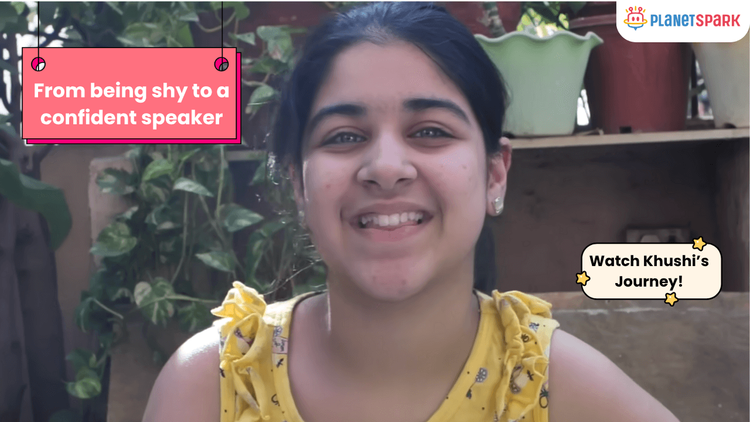
Khushi Bhatia, 10 Years
Khushi transformed from being a shy to a confident speaker with PlanetSpark!
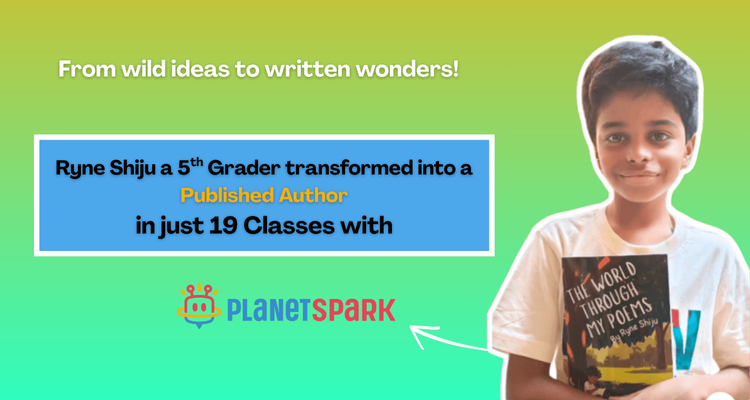
Ryne Shiju (Published Author)
Ryne Shiju, a bright PlanetSpark star, has turned imagination into inspiration becoming a published author whose words now empower and inspire.
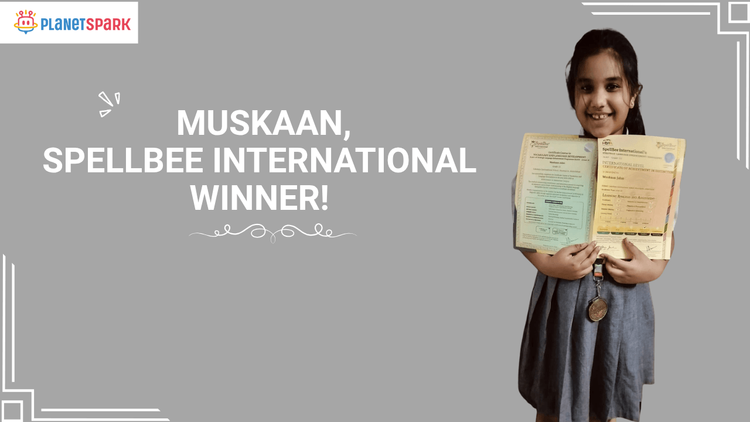
Muskaan (SpellBee International Participant)
We are beyond proud of Muskaan from PlanetSpark, who showcased her spelling brilliance at the SpellBee International Programme.
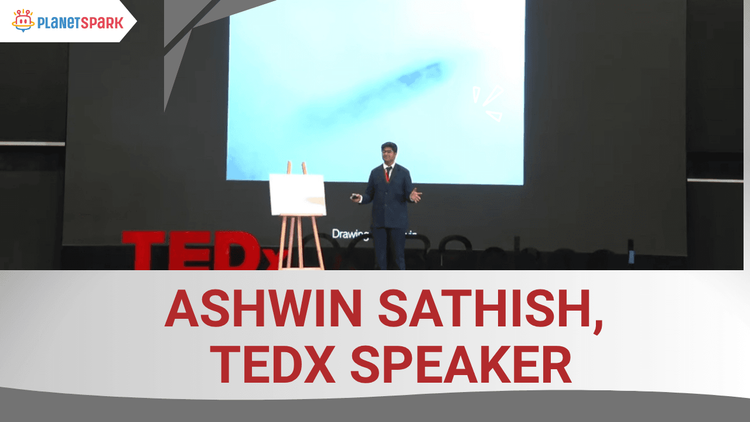
Ashwin Sathish (TEDx Speaker)
Ashwin Sathish, Grade 8 from New Delhi, stood tall as a TEDx Speaker, sparking conversations that truly matter. From classroom confidence to commanding a global stage, his journey reflects the power of voice, vision, and courage.
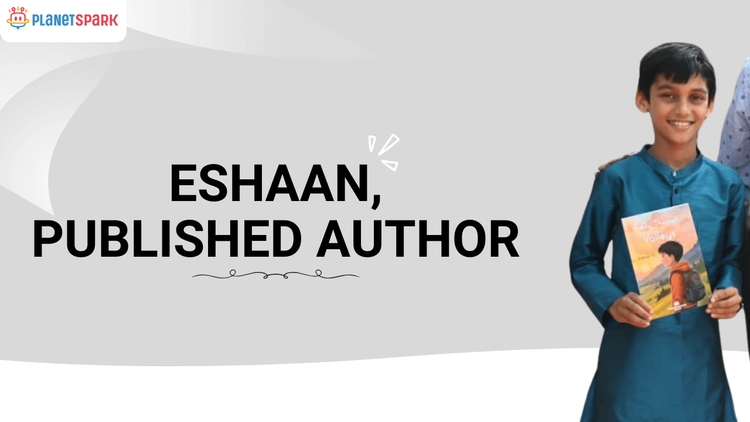
Eshaan (Published Author)
Eshaan has officially became a published author, turning classroom activity into a captivating storybook.
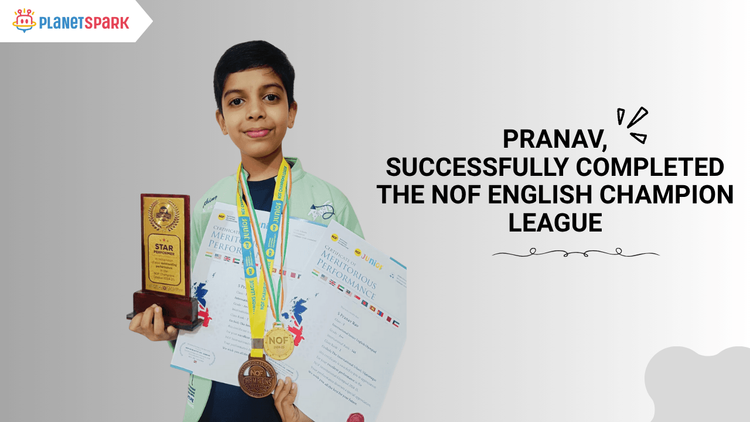
Pranav (NOF English Champion League)
Pranav, a Grade 3 star, has successfully completed the NOF English Champion League, showcasing his brilliance in Public Speaking and Creative Writing.

Ovia Singh (TEDx Speaker)
Oviya Singh from PlanetSpark challenged the status quo in her TEDx Talk, asking, ‘Is the world running out of food?’ as she highlighted the importance of soil conservation.
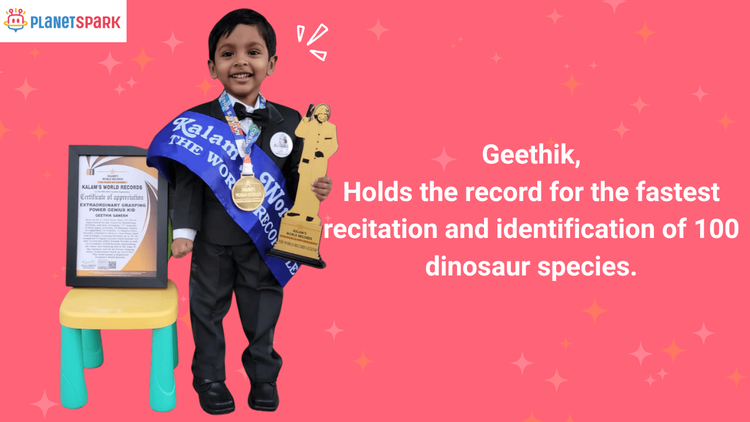
Geethik (Fastest Recitation)
Geethik’s PlanetSpark-sharpened speaking skills helped him set a 100-dinosaur recitation record.
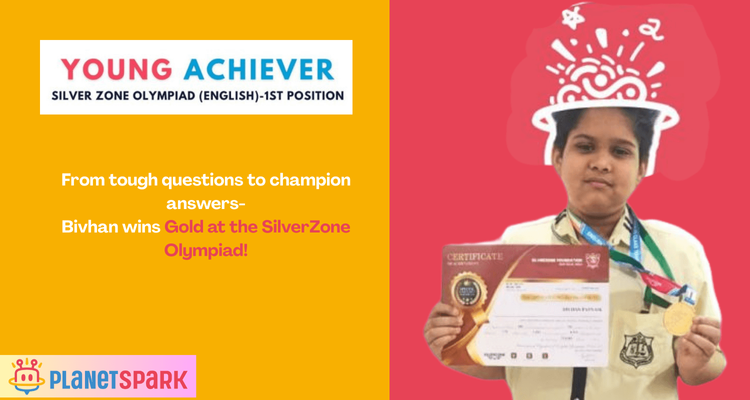
Bivhan Patnaik (SilverZone Olympiad)
Bivhan, in just Grade 4, wins Gold at the SilverZone Olympiad, a true symbol of brilliance, focus, and PlanetSpark-guided success.

Advaith Gupta (SpellBee International)
Advaith Gupta – Spelling His Way to Global Recognition! From mastering vocabulary to shining at SpellBee International, Advaith creates remarkable achievements.
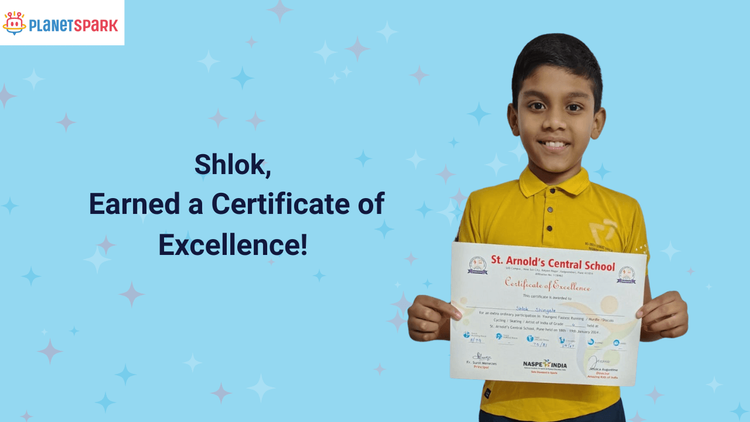
Shlok (certificate of excellence)
Earned a Certificate of Excellence, showcasing his growing confidence and skills nurtured at PlanetSpark.
Ovia Singh, 11 Years
Oviya Singh from PlanetSpark challenged the status quo in her TEDx Talk, asking, ‘Is the world running out of food?’ as she highlighted the importance of soil conservation.
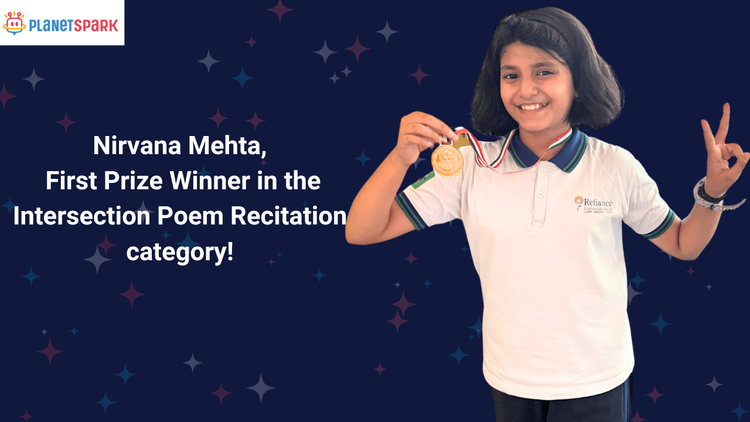
Nirvana Mehta (Wom Poem Recitation)
First Prize Winner in the Intersection Poem Recitation category
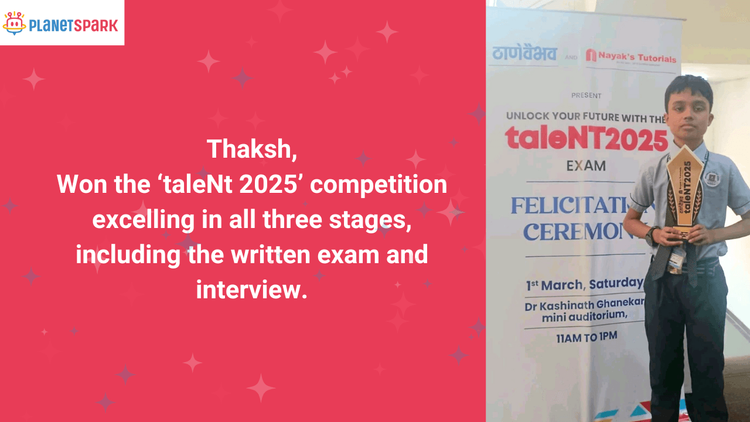
Thaksh (Won the ‘taleNt 2025’ competition)
Thaksh, won the ‘taleNt 2025’ competition in Thane after excelling in all three stages, including the written exam and interview.
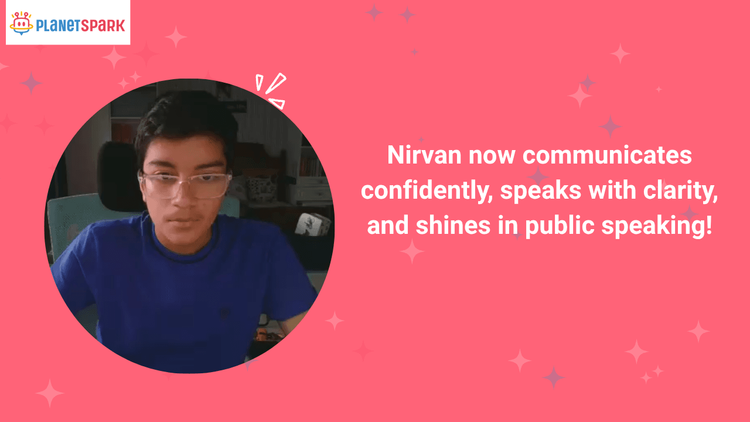
Nirvaan, Grade 9
Nirvan now communicates confidently, speaks with clarity, and shines in public speaking!
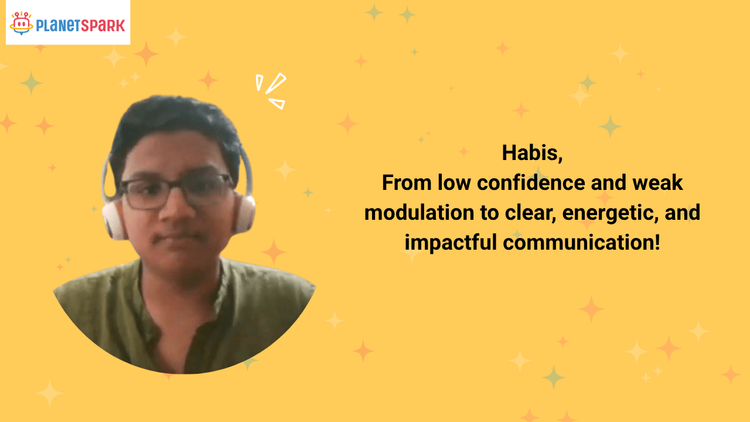
Habis, Grade 9
Meet Habis — once a shy speaker, now delivering every message with clarity, confidence, and strong stage presence.

Prathmesh (Got 3rd Prize in MUN)
Secured Third Prize at a Model United Nations event, reflecting his strong communication and critical thinking skills built at PlanetSpark.
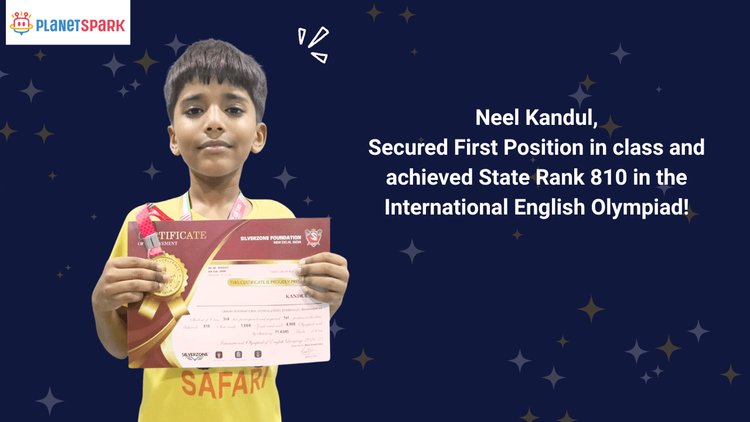
Neel Kandul, First Position in class and State Rank 810 in the International Olympiad of English Language.
First Position in class and State Rank 810 in the International Olympiad of English Language.
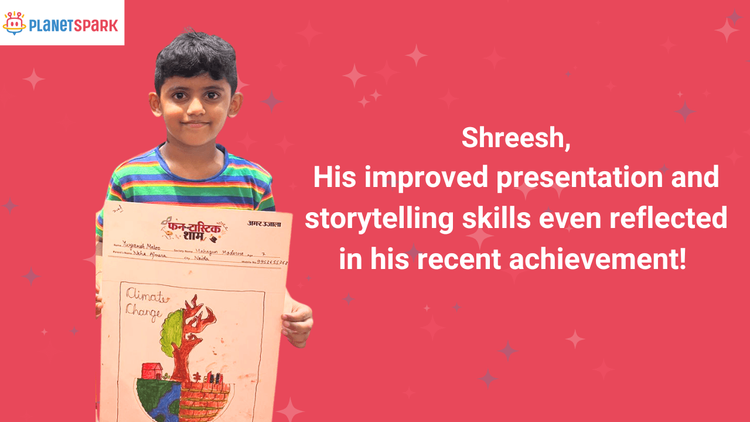
Shreesh
His improved presentation and storytelling skills even reflected in his recent achievement — winning second place in the Junior Category of a drawing competition on ‘Climate Change’ organized by the Amar Ujala team.
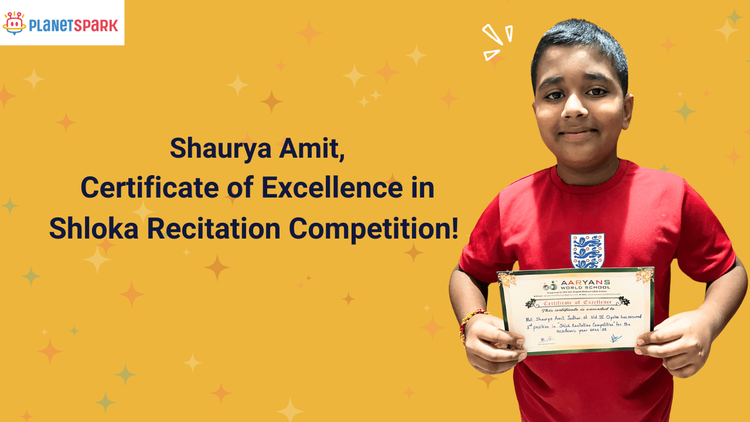
Shaurya Amit (Certificate of Excellence)
Certificate of Excellence in Shloka Recitation Competition
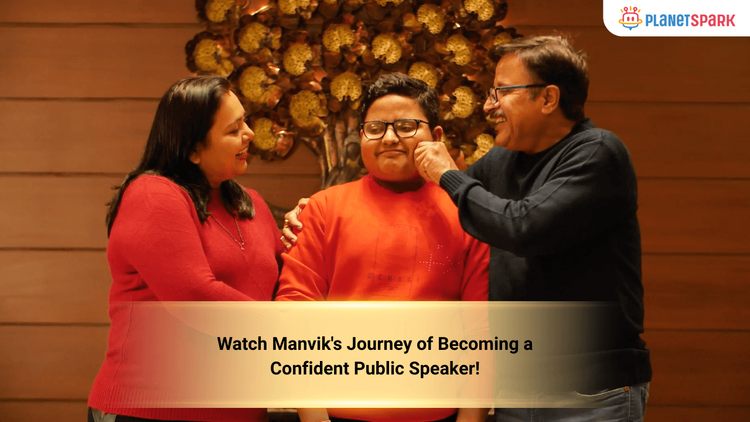
Manvik, 10 Years
Manvik Kumar, a student at PlanetSpark shares his story of becoming a confident Public Speaker.
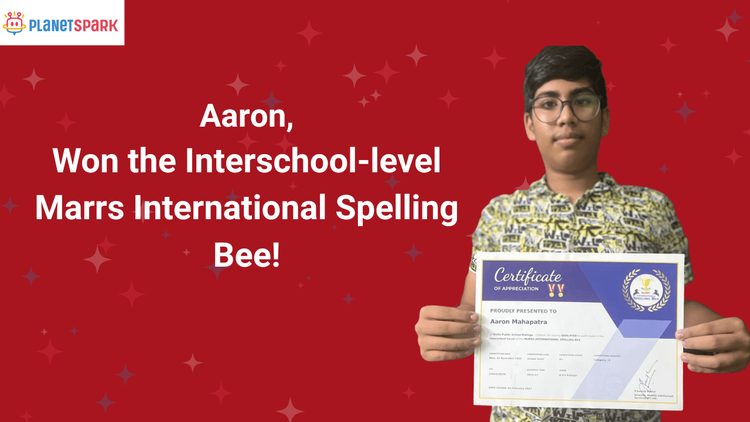
Aaron, International Spelling Bee Winner
Won at the Interschool-level Marrs International Spelling Bee, showcasing strong language skills and consistent PlanetSpark-driven growth.
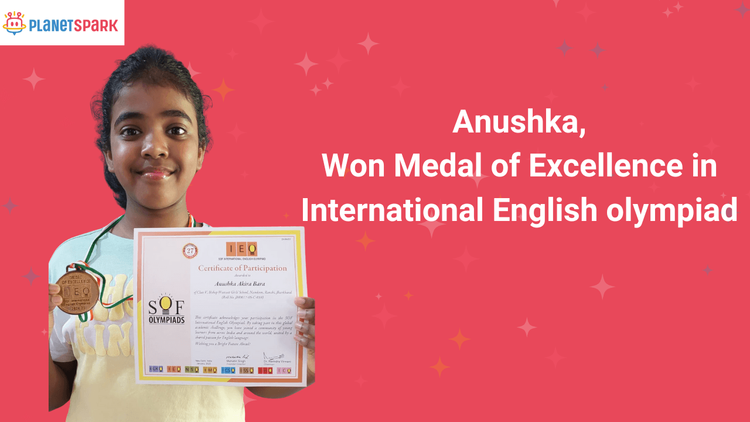
Anushka, Won Medal of Excellence in International English olympiad
Anushka won medal of excellence in International English olympiad. She scored sixth position in her school in olympiad.
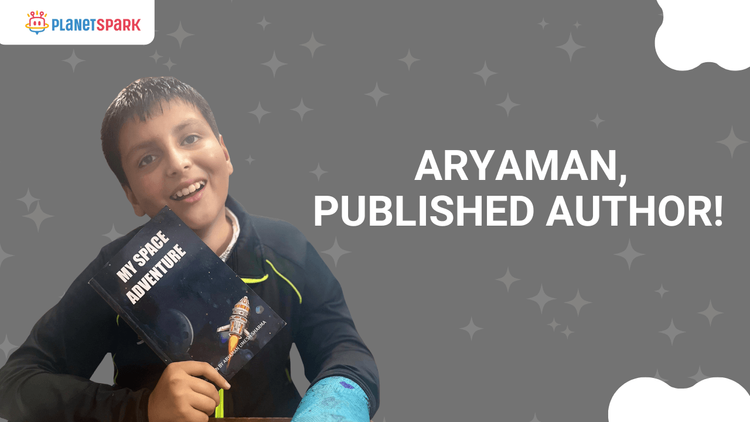
Aryaman, Published Author
Aaryaman became a published author, reflecting his creativity, communication skills, and confidence nurtured at PlanetSpark.
Frequently Asked Questions
Which tense is most commonly used?
+The simple present tense is the most commonly used for daily routines, facts, and regular actions.
Why are tenses important for Class 2 students?
+Tenses help children speak fluently, write correctly, and express ideas clearly in English.
How many types of tenses are there for Class 2 students?
+There are three main types: Present, Past, and Future, each with simple, continuous, perfect, and perfect continuous forms.
What is a tense in English grammar?
+A tense shows when an action happens, in the past, present, or future.
Can kids practice tenses at home?
+Yes! Worksheets, interactive exercises, and reading habits help children practice tenses daily and reinforce learning.