


English is a complex language with irregularities in spelling, pronunciation, and grammatical expressions. Usually, a three-year-old child is not able to understand the phonetic difference between simple words like “do” and “go” based on their spellings. Hence, phonics training for early years kids becomes mandatory as they are tutored to go beyond the spellings of words and explore the element of sound in each word. Phonics classes for 3-4 year child help to build up phonemic awareness and instill analytical qualities among these little fellows right from their budding period so that they prosper in their respective fields in the future. Many parents have the notion that phonics training for early-year children is rather easy and doesn’t necessarily require a professional touch.

Stages of Phonics Training for Early Year Children
Analogy phonics
This involves getting acquainted with the unfamiliar words based on the rime segments decoded from a familiar one. For instance, if a child is familiar with the term “kick”, he or she would be able to read out the word “trick” by connecting it with the “-ick” rime pattern.
Analytic phonics
This requires analytical skills as it involves analyzing the relationship between letters and words so that the sounds are not pronounced in isolation. Here, the process is more complex because the familiar words are broken down into phonemic sounds.
Synthetic phonics
In this technique, letters are converted to sounds and then the words are formed with the help of the decoded sound. Here the words are more explicitly structured. In the synthetic stage, the phonemes are taught in isolation. When a kid becomes well-versed in the single-letter (a,b, and c) and double letter phonemes (“at”, “ing”, and “it”), then he or she is enabled to form simple words like “hat”, “ring”, and “sit” by blending the two forms of sounds.
Embedded phonics
This is a more advanced stage of learning where words are picked up from passages while reading a given text and then the phonemes and graphemes are decoded. This offers exposure to more and more unfamiliar words making the child more competent and polished in his skills.
Phonics via spellings
Some words are taught with the help of phonemes. Words are segmented and broken down into letters that correspond to their respective phonemes.
To see the transformation in your child’s speech, you can now avail a free trial of PlanetSpark’s phonics course for early year kids! Hurry up, time’s running out!
What is Phonics?
Phonics refers to the technique of learning the alphabetic language simply with the aid of phonemes or sounds and graphemes or letter patterns. With just 26 letters, the English language comprises around 42 to 46 phonemes. To utter an unfamiliar word perfectly, a kid requires to identify and connect the graphemes to their respective phonemes. An easy method to spell out words correctly is to break down the word based on its phonemes and then connect it to its corresponding grapheme. Phonic sounds are helpful in the preliminary stages of learning because it helps children to unravel the pronunciation of different words by identifying the sounds that constitute their alphabet. For instance, the vowel “u” sounds distinctly different in “bundle” and “unicorn”. Therefore, the main focus of a phonics course for early years kids is on individual and combined sound patterns that make reading easy for these little children.
Phonics should ideally be taught systematically and explicitly. This should be followed by extensive practice. On one hand, systematic teaching would help children to develop an idea of the relationship between letters and sound with the application of logical sequence while on the other hand, practicing extensively would help them to inculcate and automatize the technique, even with the unknown terms. This is best done under the guidance of professional educators as they enable children to develop clarity while decoding words through their sounds. Once the identification process becomes automated, kids can gradually enhance their comprehension abilities in reading. They become capacitated to decode words and their meanings. However, this process is quite laborious and requires constant monitoring and close supervision as in the initial stages, children lack fluency in uttering words or reading passages and they often falter.
Help your child become a confident reader with PlanetSpark’s interactive phonics classes.
Step-by-Step Learning Journey
PlanetSpark follows a structured phonics learning journey that helps children gradually build strong reading and speaking skills.
Step 1: Learning Letter Sounds
Children first learn individual letter sounds through songs, visuals, and interactive activities.
Step 2: Sound Recognition
Kids begin identifying beginning, middle, and ending sounds in simple words.
Step 3: Blending Sounds
Children learn how to blend sounds together to read short words like “cat,” “sit,” and “hat.”
Step 4: Word Formation
Kids start reading and building simple words confidently using phonics patterns.
Step 5: Sentence Reading
Children gradually move from words to reading small sentences fluently.
Step 6: Pronunciation and Speaking Practice
Learners improve pronunciation, voice clarity, and confidence through guided speaking activities.
Step 7: Reading Fluency Development
With regular practice, children become smoother, faster, and more confident readers.
Benefits of PlanetSpark Phonics Course
In the modern world of cut-throat competition, there’s no space for flaws or mistakes even when it comes to children. Although the expression “to err is human” holds, no one would want to be derided for their weaknesses or shortcomings in front of the public eye. Children are no exceptions. When a child stammers or makes pronunciation mistakes in front of the class or even in a friendly gathering, they’re ridiculed. Overcoming these weaknesses is therefore crucial so that children can present themselves to society with utmost confidence and self-esteem. The Phonics course not only aids children in mending their flaws but also helps to instill and enhance essential skills that will eventually shape a bright future for the young generation. Check out some of these long-term and short-term benefits of PlanetSpark phonics training for early-year kids that can create a star out of your kid!
-
Recognition of symbols to sounds: Each child comes with unique learning capacities. An early-year phonics course enables kids not just to identify whole words by their sounds and sight but also to build up their comprehension abilities. Enhancing phonemic awareness helps early years children to identify as well as manipulate the letter symbols just by implementing the hearing faculty.
-
Identification of unfamiliar sounds with ease: Once children learn how to identify familiar sounds, it becomes easier for them to pick up the unfamiliar ones because they have already mastered the art of identifying sound patterns through the analytical and synthetic stages of the early year phonics course. They gradually become acquainted with the process of creating new patterns that make identification easier. For instance, when a child knows the word “trim”, he or she can easily deal with similar but unknown terms like “brim” or “grim”. On the other hand, when children are not aware of the phonemes, they would mostly falter or mispronounce as they come across unfamiliar words. They can never be confident readers or speakers in the public domain.
-
Improves reading skills: It goes without saying that when a child excels in identifying both familiar and unfamiliar sounds, their reading skills improve automatically. With phonics training, children know how to pronounce each word with perfection. However, attaining fluency in reading or speaking requires a great deal of practice. Right from a reading of Aesop’s fables to presenting one’s own speech, the correct diction, voice modulation, and other elements need to be focused on. A child must know which syllable requires more stress and also where to use muted pronunciations. This cannot be achieved with a day’s practice, as it requires perseverance.
-
Creates better spellers: Science has proved that the human brain is the most receptive during its early stages because brain development occurs from the time of birth till the age of five. In fact, a baby starts learning from the womb! So, it is actually not surprising that although a baby cannot express its thoughts and feelings through well-constructed sentences or words, it observes its surroundings and tries to mime the familiar surrounding sounds. A baby utters its initial words without the consciousness of alphabetical vowels or consonants. However, as they grow up, they become exposed to more and more sights, symbols, and sounds. Phonics classes for 3-4 year child offer early years kids the scope of familiarizing with a plethora of words and their corresponding sound patterns, which makes them instinctively better at spelling.
-
Builds a strong grip on language and vocabulary: When a child’s mind becomes receptive to more sounds by reading different texts, he or she can learn more words. Vocabulary is directly enhanced when a child is acquainted with the techniques of decoding phonemes of both familiar and unfamiliar words. This is achievable through rigorous phonics training for early-year children.
-
Boosts concentration: Regular practice and focus on sights and sounds directly impact concentration among kids. During the training procedure, the mind becomes conscious of and occupied with the different phonemes in a given text and consequently, it automatically steers clear of distractions.
To have a hands-on experience of the benefits, try out the best phonics class for early-year students, customized for the needs of each child by team PlanetSpark!

What Makes PlanetSpark Curriculum Stand Out
PlanetSpark offers expert training with a faculty comprising over 3000 mentors and educators. The phonics course for early-year children is crafted in such a manner that little children find the activities engaging and interesting. The exercises are designed keeping in mind the skills and abilities of each child so that they don’t end up feeling overburdened or pressurized with bulky vocabulary lists. The phonics courses largely depend on the age of the child. For instance, phonics for a 3-year-old child would differ in the difficulty and engagement levels from those of the phonics for a 4-year-old. The educators design the lesson plan about phonics according to the progress exhibited by each student. The problem points are addressed and corrected so that children imbibe the flair in their speaking skills. PlanetSpark’s modules are prepared in interesting, small sections so that any child can absorb new ideas and methods effortlessly. The new concepts are uniquely built on the basics as well as the earlier lessons. The videos and gamified versions of learning appeal to early years kids, and they work out the activities with enthusiasm. PlanetSpark believes that education or learning shouldn’t be forced. Therefore, the early-year phonics training courses are curated bearing in mind the age group and interests of the students.
How PlanetSpark Makes Learning Fun And Interesting For Early Years Kids
PlanetSpark’s teaching methods are completely unstereotypical. The educators put in lots of effort to curate the most effective materials suited to the needs of the students. Moreover, special attention is directed at making the coursework fun and interesting for little children so that they take an active interest in the entire learning procedure. PlanetSpark’s courses are modeled on -
-
Worksheets
The worksheets are crafted addressing certain factors such as the age group, intelligence quotient, retention capacity, and level of engagement of the children. Worksheets are filled with easy-to-solve puzzles, riddles, and other interesting exercises that make the learning procedure more appealing to the children.
-
Interesting tasks
Small, simple tasks in phonics training for early year children help students to have a practical experience of the acquired knowledge. You can also try out some interesting tasks like taking out your child on grocery shopping and making him or her read aloud the grocery list.
-
Videos
Videos and gamified versions of learning are the most fascinating techniques that help children to learn even the most difficult lessons in a simplified manner. Little children are likely to become bored of bookish language, but what if these lessons are presented in the form of games or videos? Learning becomes fun and exciting!
Learning Advantages of Early Phonics Training
Early phonics learning offers long-term benefits that support both academics and communication development.
- Improves Reading Fluency: Children learn to decode words naturally instead of memorising them.
- Builds Strong Pronunciation Skills: Phonics helps children pronounce words correctly and clearly.
- Enhances Vocabulary: As children read more confidently, they automatically learn new words and expressions.
- Strengthens Spelling Skills: Understanding sound-letter relationships improves spelling accuracy.
- Boosts Confidence: Children become more comfortable while reading aloud and speaking publicly.
- Develops Listening Skills: Phonics training improves sound recognition and listening concentration.
- Encourages Independent Reading: Children gradually become confident enough to read unfamiliar words independently.
Key Skills Your Child Will Develop

Online Phonics Training for Early Years Kids via Public Speaking Classes
In today’s world, there’s no place for the mediocre. Cut-throat competition ensues in every field and more so in the field of education with the ranking and gradation systems. Modern parents do not want to settle for anything less than the best for their children lest he or she falls back. Now, it’s not just enough to be the class topper. Children are expected to be perfectionists in every field. It needs to be realized that all children do not possess the same talents. However, identifying the talents becomes a major task for parents that must be undertaken from the initial stages. The push in the right direction is necessary for the growth and future success of a child. Nevertheless, inculcating some skills is vital irrespective of which field a child pursues. Reading and public speaking skills are two of the most important skills that stimulate progress be it in the field of academics, sports, media, and others. Developing reading as well as speaking skills from the early stages is vital for every kid as it enables him or her to face the world with gracefulness. To ace these skills, an early year phonics course is recommended.
Signs Your Child May Need Phonics Support
Some children need additional support while learning sounds and reading patterns. Here are a few common signs parents should notice:
-
difficulty recognising letter sounds
- confusion between similar-sounding words
- hesitation while reading aloud
- guessing words instead of decoding them
- trouble blending sounds together
- unclear pronunciation
- low confidence during reading activities
- avoiding books or reading practice
Early phonics support can help children overcome these challenges gradually and confidently.
Give your child a strong reading foundation through fun phonics learning.
Why It is Necessary to Enrol in a Phonics Course for Early Years Kids
Can you imagine the rap god, Eminem, stuttering while belting out his iconic ‘Guilty Conscience’ in a live concert? It would definitely be a real heartbreak for millions of his fans; at the same time, the stage failure can be pretty damaging for his career. However, a star like Eminem or Drake is conditioned to make their way out of adverse situations. For a youngster who has just begun his or her journey, even a little error displayed in front of the audience is enough to shatter their confidence. Oftentimes, these youngsters develop an aversion to facing their monsters, and as a result, they choose to drop out rather than mend the minute flaws. Hence, it is essential to prepare your beloved right from the early years of childhood to open up to opportunities and failures with a straight face. Here’s where phonics comes in!
As mentioned earlier, the advantages of teaching phonics to your early years kid are pretty endless in terms of both short and long-term benefits that it brings along. The question is, why is phonics necessary at such an early stage? The esteemed expert educator, Jim Rose has mentioned in his ‘Independent Review of the Teaching of Early Reading’ that “Despite uncertainties in research findings, the practice seen by the review shows that the systematic approach, which is generally understood as 'synthetic' phonics, offers the vast majority of young children the best and most direct route to becoming skilled readers and writers. When thinking about phonics work, what most people have in mind is the teaching and learning of reading. However, phonic work is also essential for the development of writing, especially spelling. The teaching of beginners must lead them to understand how reading and writing are related.”
To sum it up, phonics forms an indispensable part of growing up. Here’s a gist of why children should enrol in early-year phonics training.
-
Phonics enhances cognition skills among early years kids when the brain is most receptive to ideas.
-
Imaginative powers are also improved when children are enabled to visualize scenarios through different texts.
-
When a child speaks with finesse, it directly ensures personality development as he or she is capacitated to present opinions in a well-constructed manner in front of society.
-
Academic progress is sure to follow when a child’s senses and concentration powers are sharpened with constant practice and hard work.
Why Early Phonics Training Matters
The early years are one of the most important stages for language development. Children between the ages of 3 and 5 absorb sounds, words, and speech patterns quickly, making it the ideal time to introduce phonics learning.
Early phonics training helps children:
- develop strong reading foundations
- recognise sounds and letter patterns easily
- improve pronunciation and vocabulary
- become fluent readers over time
- build confidence in speaking and communication
- strengthen listening and comprehension skills
Children who start phonics early often find reading easier in school and perform better in communication-based activities later.
Turn sounds into words and words into confident communication with PlanetSpark phonics training.
Why Choose PlanetSpark for Phonics Learning?
Choosing the right phonics program during the early years can make a huge difference in a child’s reading and communication journey. PlanetSpark’s phonics classes are specially designed for young learners aged 3–4 years, combining structured learning with fun, interactive activities.
Here’s why parents choose PlanetSpark:
-
Expert Phonics Trainers: Children learn from trained educators who understand how young learners absorb sounds, words, and language patterns.
-
Interactive Learning Methods: Classes include games, sound activities, storytelling, visuals, worksheets, and speaking exercises that keep children engaged throughout the session.
-
Personalised Attention: Every child learns differently. PlanetSpark offers customised learning paths based on the child’s pace, strengths, and improvement areas.
-
Strong Focus on Reading and Speaking: The program not only improves phonics skills but also strengthens pronunciation, reading fluency, vocabulary, and confidence in speaking.
-
Activity-Based Sessions: Children learn through practical exercises instead of rote memorisation, making learning enjoyable and effective.
-
Safe and Comfortable Online Learning: Kids can learn comfortably from home through engaging live online classes designed specifically for early learners.
Neel’s Success Story

When 4-year-old Neel joined PlanetSpark, he struggled to recognise sounds and often mixed up simple words while reading. He would hesitate during reading practice and lacked confidence while speaking aloud.
After joining PlanetSpark’s interactive phonics classes, Neel began learning through sound games, storytelling, blending activities, and guided reading sessions. Slowly, he started recognising phonemes independently and blending sounds correctly.
Within a few months, Neel became more confident while reading sentences aloud. His pronunciation improved, his vocabulary expanded, and he actively started participating in classroom speaking activities.
Today, Neel enjoys reading storybooks confidently and speaks much more clearly during conversations and school activities.
Start your child’s reading journey with engaging phonics activities designed for early learners.
Conclusion
Phonics plays a vital role in helping young children develop strong reading, pronunciation, and communication skills from an early age. With the right guidance and regular practice, children learn how to recognise sounds, blend words, read fluently, and speak with confidence. Early phonics training not only improves literacy skills but also builds concentration, vocabulary, and overall language development.
PlanetSpark’s interactive phonics program makes learning enjoyable through engaging activities, personalised attention, and structured lessons designed especially for early learners. By starting phonics training at the right age, parents can help their children become confident readers, expressive speakers, and enthusiastic learners for years to come.
Reader Can Also Read
Phonics Curriculum
What Our Students Say About PlanetSpark
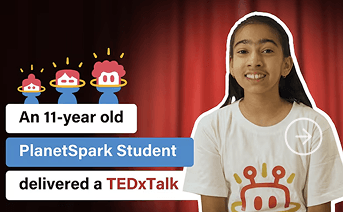
Parents of Oviya Singh
Oviya Singh, a PlanetSpark student, spoke about ‘Soil Conservation’ in her TEDxTalk by addressing the status quo and questioning, ‘Is the world running out of food?’
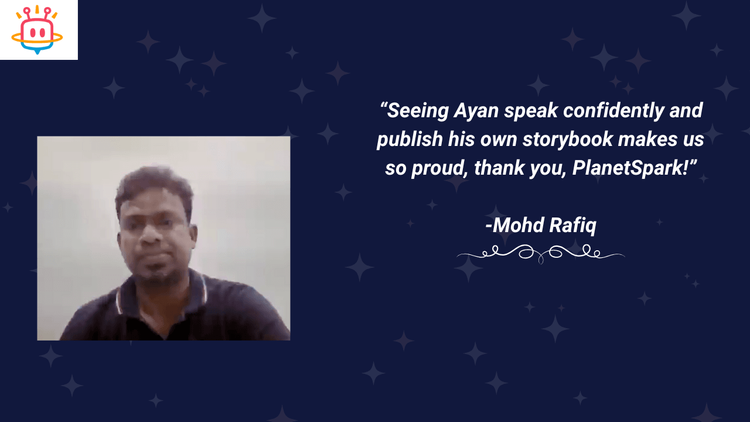
Mohd Rafiq
Thanks to PlanetSpark and his teacher’s guidance, Ayan now speaks confidently, participates actively, and has published his first storybook.
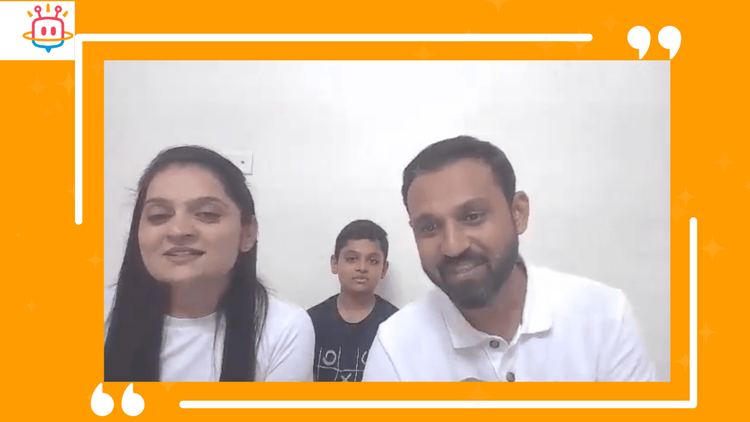
Mr. & Mrs. Bipin Patel
PlanetSpark helped my son Ahan find his voice and confidence. From stage speaking to being published in Pearls of Poetry, his growth has been remarkable.
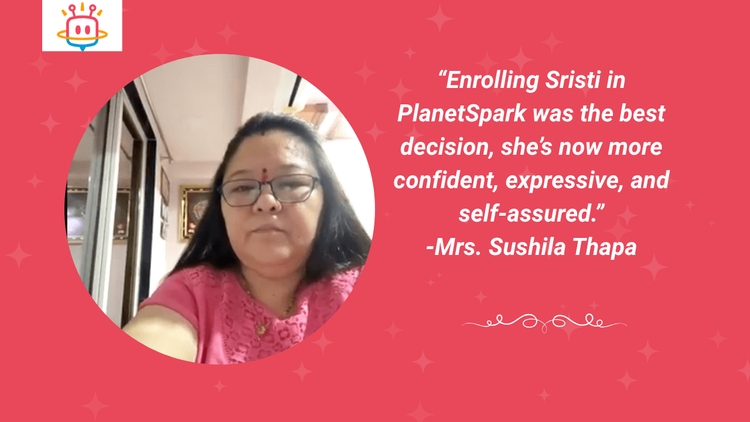
Mrs. Sushila Thapa
PlanetSpark’s Public Speaking program has boosted Sristi’s confidence and clarity, her school performance speaks for itself.

Rajiv Sharma
My daughter has transformed from a shy kid to a confident speaker in just 6 months. The personalized attention and structured curriculum made all the difference.
Parents of Oviya Singh
Oviya Singh, a PlanetSpark student, spoke about ‘Soil Conservation’ in her TEDxTalk by addressing the status quo and questioning, ‘Is the world running out of food?’
Mohd Rafiq
Thanks to PlanetSpark and his teacher’s guidance, Ayan now speaks confidently, participates actively, and has published his first storybook.
Mr. & Mrs. Bipin Patel
PlanetSpark helped my son Ahan find his voice and confidence. From stage speaking to being published in Pearls of Poetry, his growth has been remarkable.
Mrs. Sushila Thapa
PlanetSpark’s Public Speaking program has boosted Sristi’s confidence and clarity, her school performance speaks for itself.
Rajiv Sharma
My daughter has transformed from a shy kid to a confident speaker in just 6 months. The personalized attention and structured curriculum made all the difference.
Practice with Our Worksheets
Class 5 Quotation Marks Dialogue English Grammar Worksheet
Practice using quotation marks correctly while writing dialogues and conversations.
Class 3 Grammar Worksheet on Subject–Verb Agreement
Match subjects and verbs correctly in sentences with this simple worksheet.

Class 4 Reading Passage on The Greedy Merchant
Explore what happens to a greedy merchant in this meaningful story-based worksheet.
Class 4 Multiple Meaning Words English Worksheet
Discover words with multiple meanings using clear sentence examples.
Class 7 English Worksheet on Paragraph Coherence
Improve paragraph coherence with structured and easy Class 7 grammar tasks.
Class 4 English Worksheet for Paragraph Writing
Strengthen paragraph skills by arranging ideas logically through writing tasks.
KG English Worksheet on Colours and Shapes
Fun activities to help KG kids learn colours and shapes with simple examples.
Class 2 English Worksheet: Punctuations "."and"?"
Explore naming words with fun activities that build strong noun skills early on.

Class 3 English Worksheet on Concrete and Abstract Nouns
Learn the difference between concrete and abstract nouns with activities designed to strengthen grammar concepts in young Class 3 learners.

Class 2 English Worksheet on Collective Nouns
Explore collective nouns for groups of animals, people, and things.
Class 5 Quotation Marks Dialogue English Grammar Worksheet
Practice using quotation marks correctly while writing dialogues and conversations.
Class 3 Grammar Worksheet on Subject–Verb Agreement
Match subjects and verbs correctly in sentences with this simple worksheet.
Class 4 Reading Passage on The Greedy Merchant
Explore what happens to a greedy merchant in this meaningful story-based worksheet.
Class 4 Multiple Meaning Words English Worksheet
Discover words with multiple meanings using clear sentence examples.
Class 7 English Worksheet on Paragraph Coherence
Improve paragraph coherence with structured and easy Class 7 grammar tasks.
Class 4 English Worksheet for Paragraph Writing
Strengthen paragraph skills by arranging ideas logically through writing tasks.
KG English Worksheet on Colours and Shapes
Fun activities to help KG kids learn colours and shapes with simple examples.
Class 2 English Worksheet: Punctuations "."and"?"
Explore naming words with fun activities that build strong noun skills early on.
Class 3 English Worksheet on Concrete and Abstract Nouns
Learn the difference between concrete and abstract nouns with activities designed to strengthen grammar concepts in young Class 3 learners.
Class 2 English Worksheet on Collective Nouns
Explore collective nouns for groups of animals, people, and things.
Why Thousands of Parents Trust PlanetSpark
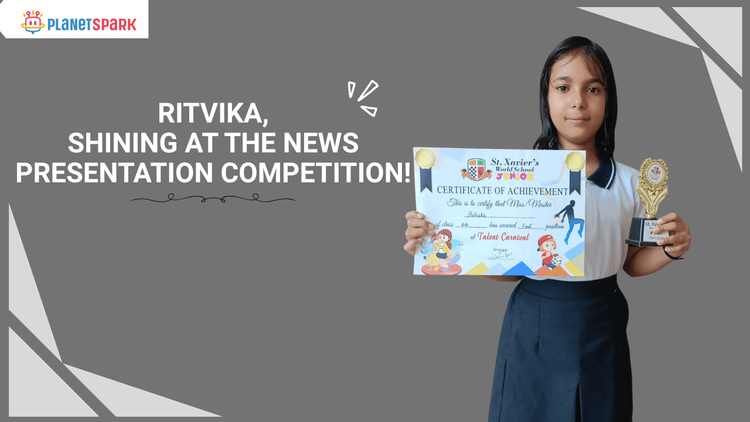
Ritvika (News Presentation Competition)
Ritvika has achieved a milestone in News Presentation! From the PlanetSpark classroom to the spotlight at the News Presentation Competition.
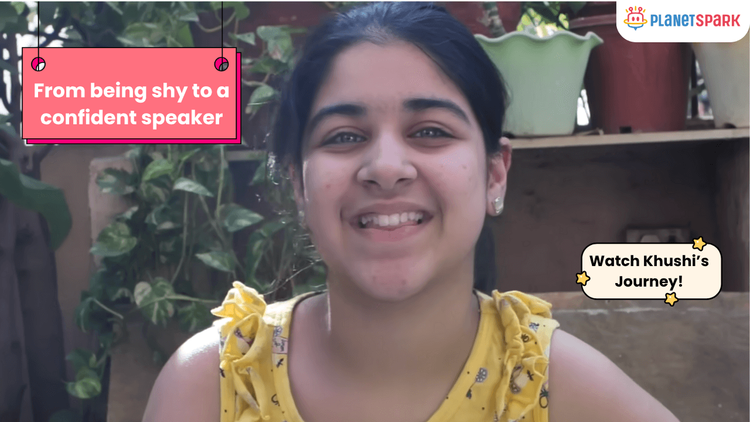
Khushi Bhatia, 10 Years
Khushi transformed from being a shy to a confident speaker with PlanetSpark!
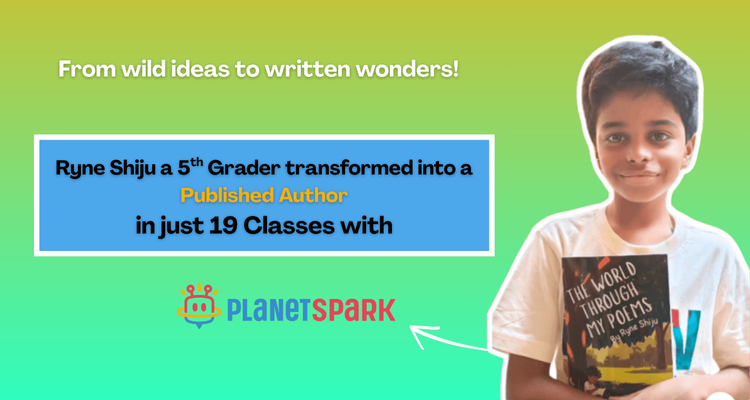
Ryne Shiju (Published Author)
Ryne Shiju, a bright PlanetSpark star, has turned imagination into inspiration becoming a published author whose words now empower and inspire.
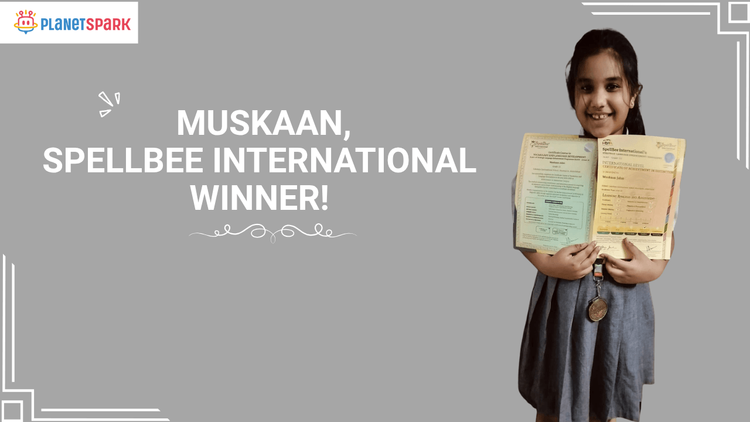
Muskaan (SpellBee International Participant)
We are beyond proud of Muskaan from PlanetSpark, who showcased her spelling brilliance at the SpellBee International Programme.
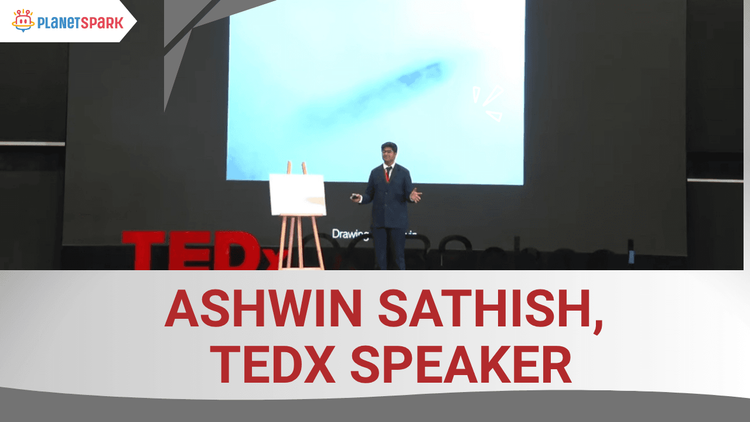
Ashwin Sathish (TEDx Speaker)
Ashwin Sathish, Grade 8 from New Delhi, stood tall as a TEDx Speaker, sparking conversations that truly matter. From classroom confidence to commanding a global stage, his journey reflects the power of voice, vision, and courage.
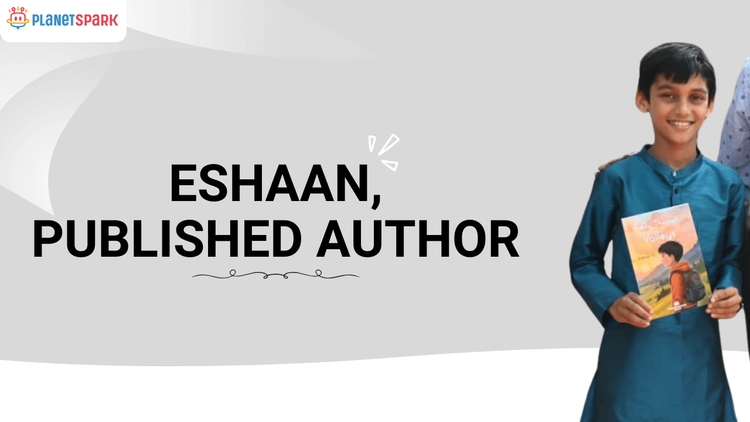
Eshaan (Published Author)
Eshaan has officially became a published author, turning classroom activity into a captivating storybook.
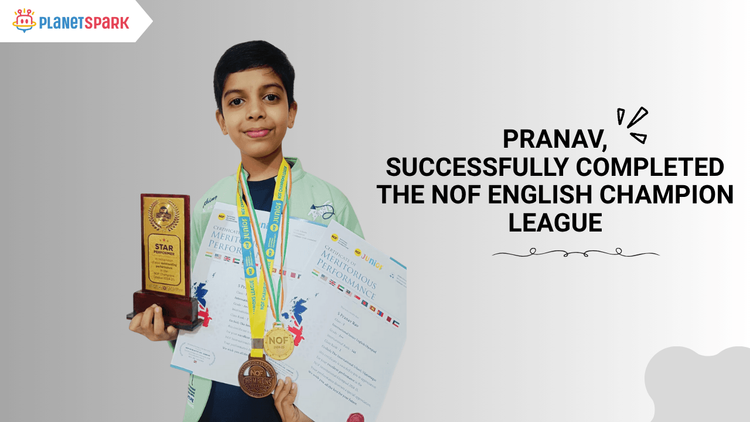
Pranav (NOF English Champion League)
Pranav, a Grade 3 star, has successfully completed the NOF English Champion League, showcasing his brilliance in Public Speaking and Creative Writing.
Ovia Singh (TEDx Speaker)
Oviya Singh from PlanetSpark challenged the status quo in her TEDx Talk, asking, ‘Is the world running out of food?’ as she highlighted the importance of soil conservation.
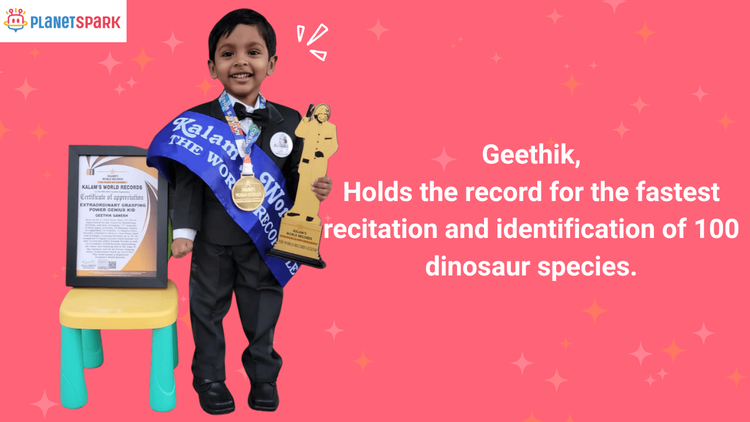
Geethik (Fastest Recitation)
Geethik’s PlanetSpark-sharpened speaking skills helped him set a 100-dinosaur recitation record.
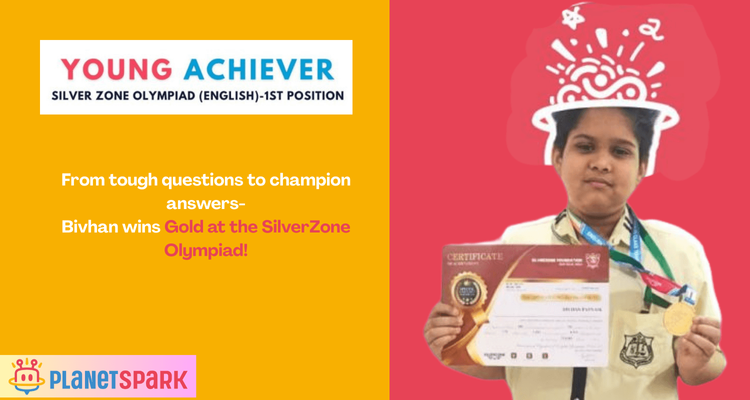
Bivhan Patnaik (SilverZone Olympiad)
Bivhan, in just Grade 4, wins Gold at the SilverZone Olympiad, a true symbol of brilliance, focus, and PlanetSpark-guided success.
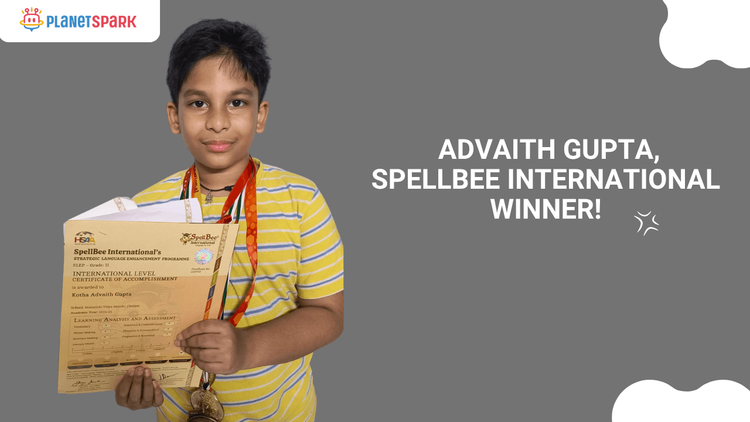
Advaith Gupta (SpellBee International)
Advaith Gupta – Spelling His Way to Global Recognition! From mastering vocabulary to shining at SpellBee International, Advaith creates remarkable achievements.
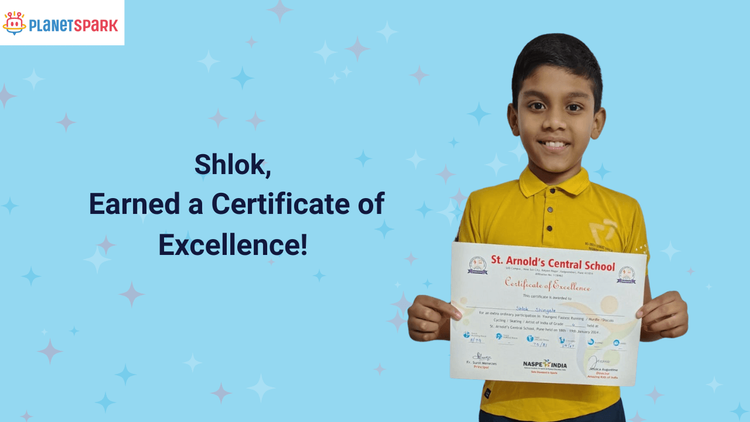
Shlok (certificate of excellence)
Earned a Certificate of Excellence, showcasing his growing confidence and skills nurtured at PlanetSpark.
Ovia Singh, 11 Years
Oviya Singh from PlanetSpark challenged the status quo in her TEDx Talk, asking, ‘Is the world running out of food?’ as she highlighted the importance of soil conservation.
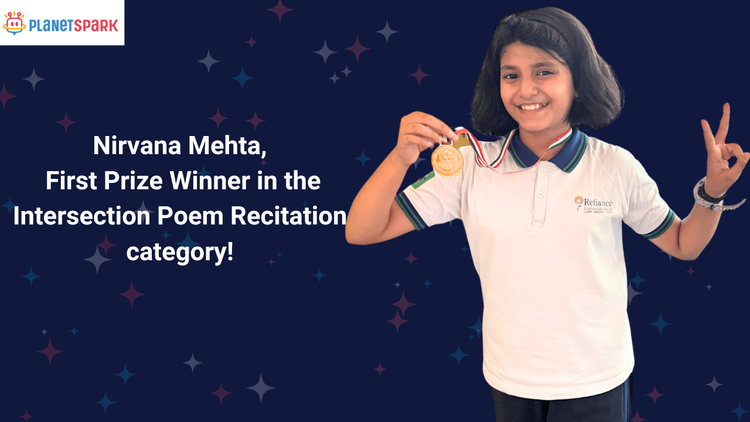
Nirvana Mehta (Wom Poem Recitation)
First Prize Winner in the Intersection Poem Recitation category
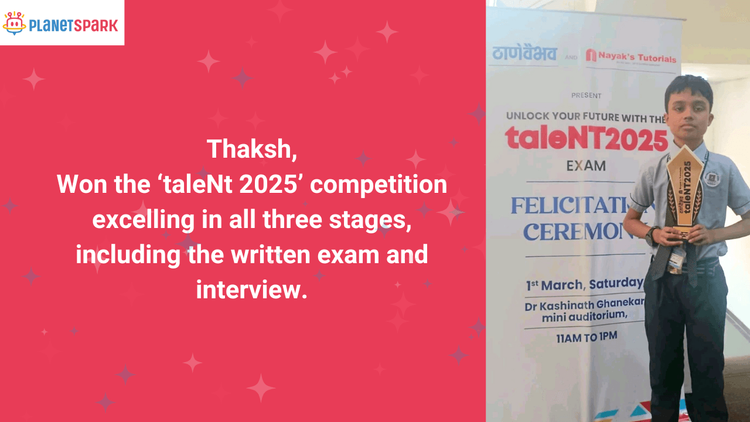
Thaksh (Won the ‘taleNt 2025’ competition)
Thaksh, won the ‘taleNt 2025’ competition in Thane after excelling in all three stages, including the written exam and interview.
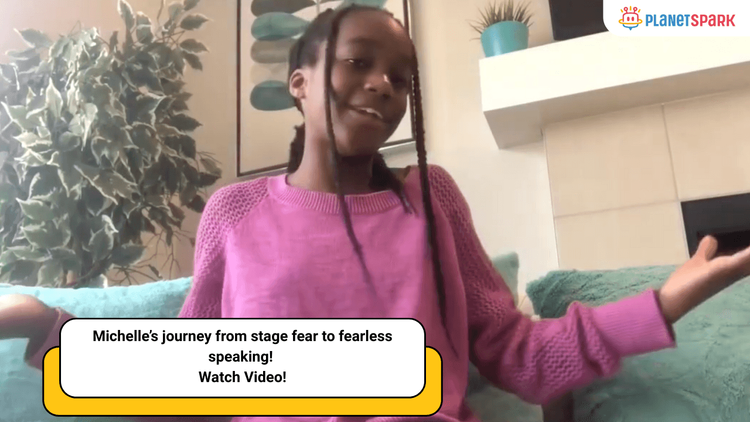
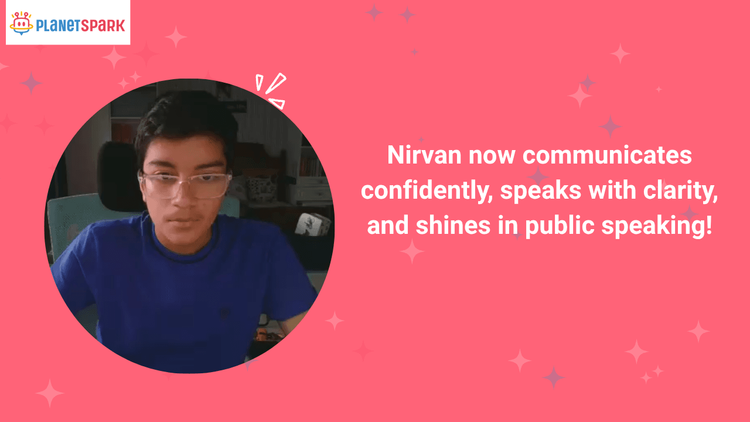
Nirvaan, Grade 9
Nirvan now communicates confidently, speaks with clarity, and shines in public speaking!
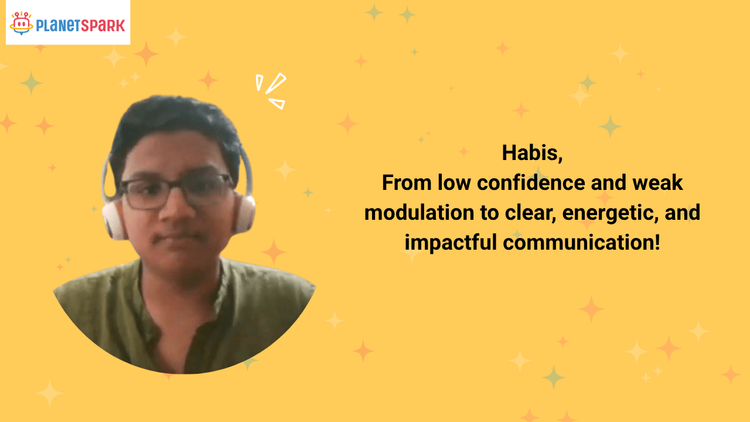
Habis, Grade 9
Meet Habis — once a shy speaker, now delivering every message with clarity, confidence, and strong stage presence.
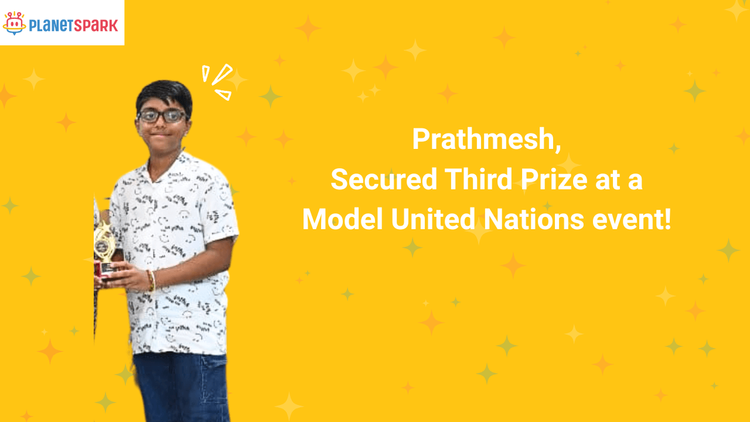
Prathmesh (Got 3rd Prize in MUN)
Secured Third Prize at a Model United Nations event, reflecting his strong communication and critical thinking skills built at PlanetSpark.
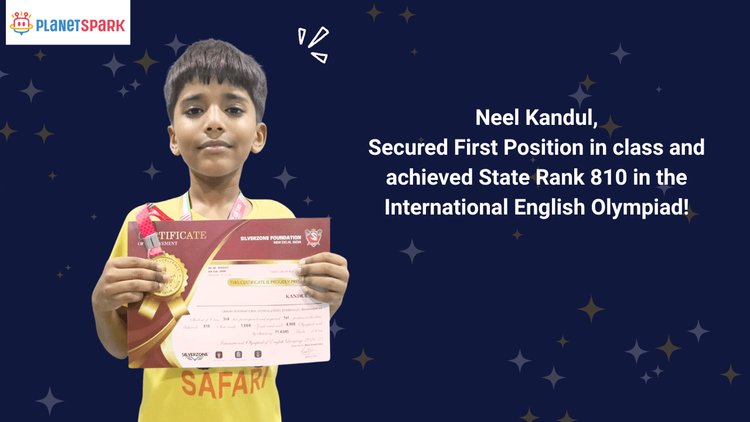
Neel Kandul, First Position in class and State Rank 810 in the International Olympiad of English Language.
First Position in class and State Rank 810 in the International Olympiad of English Language.
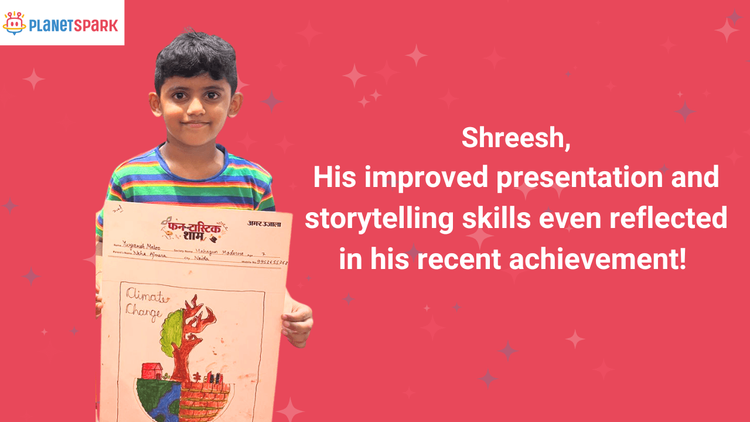
Shreesh
His improved presentation and storytelling skills even reflected in his recent achievement — winning second place in the Junior Category of a drawing competition on ‘Climate Change’ organized by the Amar Ujala team.
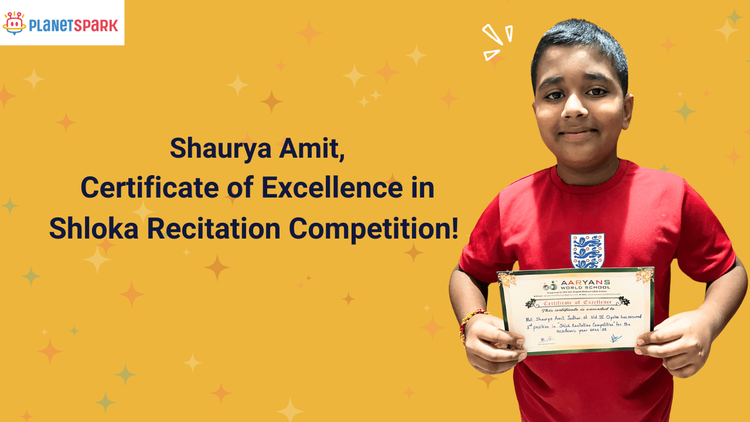
Shaurya Amit (Certificate of Excellence)
Certificate of Excellence in Shloka Recitation Competition
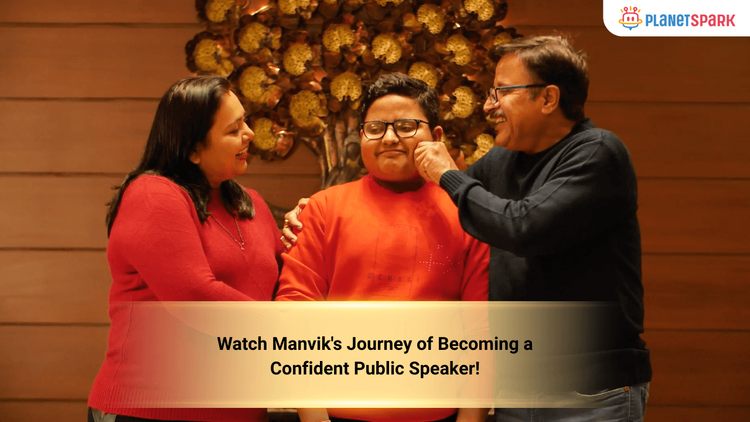
Manvik, 10 Years
Manvik Kumar, a student at PlanetSpark shares his story of becoming a confident Public Speaker.
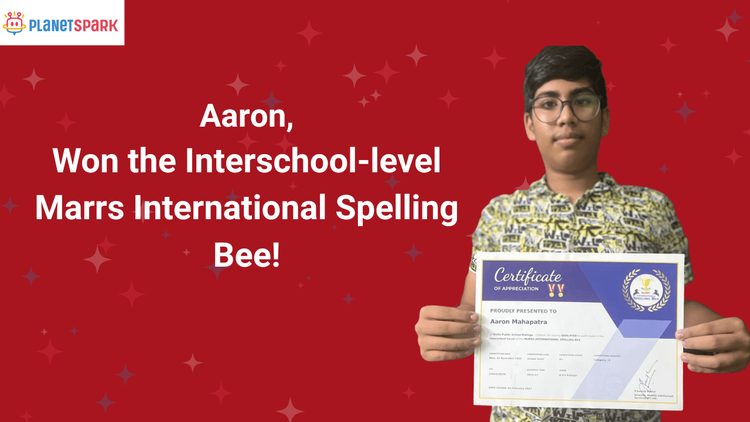
Aaron, International Spelling Bee Winner
Won at the Interschool-level Marrs International Spelling Bee, showcasing strong language skills and consistent PlanetSpark-driven growth.
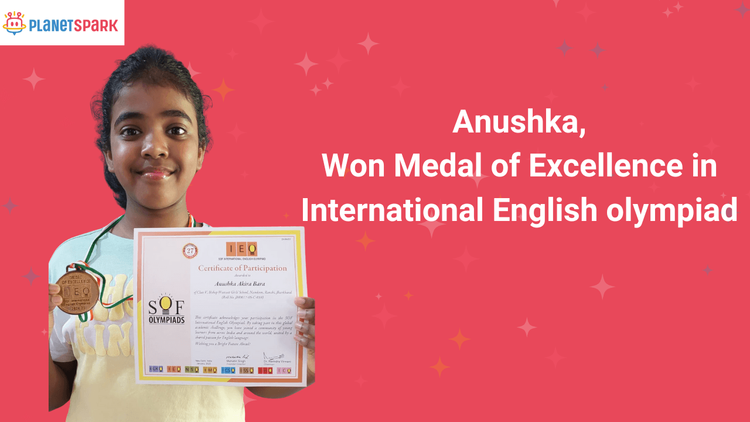
Anushka, Won Medal of Excellence in International English olympiad
Anushka won medal of excellence in International English olympiad. She scored sixth position in her school in olympiad.
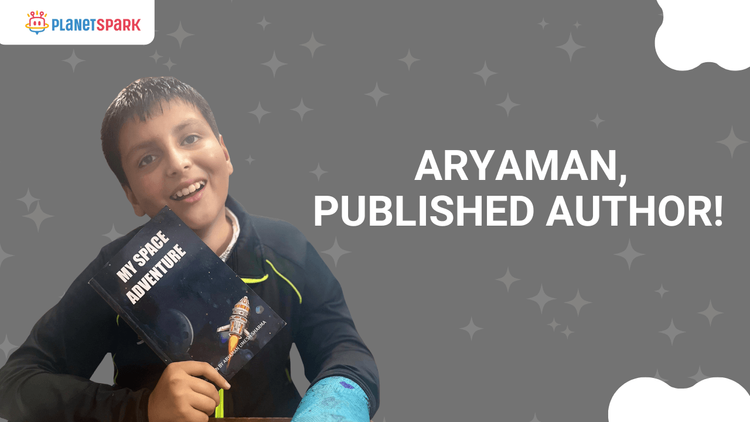
Aryaman, Published Author
Aaryaman became a published author, reflecting his creativity, communication skills, and confidence nurtured at PlanetSpark.
Frequently Asked Questions
What is the purpose of teaching phonics to early years kids?
+Phonics training for early year children is necessary as its main purpose is to help children augment their reading and speaking skills. An early year phonics course prepares a child by teaching him or her the basics of application of the preliminary knowledge of phonemes and graphemes in their speech.
Can phonics be taught at home?
+Of course, you can teach your child phonics at home but homeschooling comes with its limitations. However, this impediment can be removed by availing PlanetSpark’s online classes that provide the benefits of learning from the comfort of your home.
How to teach my early year child phonics?
+The best way to teach phonics to any early year child is by enrolling him or her in an early year phonics training course because these professional courses train children by addressing both their potentiality and weaknesses where homeschooling mostly fails.
Why should my early year child join PlanetSpark for the phonics course?
+PlanetSpark’s phonics course for early years kids not only focus on teaching phonemes and graphemes to preschoolers but is designed to ensure that each child excels in speaking fluently from a very young age. When the fear of speaking publicly is nipped in the bud, success is sure to follow.
How much experience do PlanetSpark teachers have to teach early year kids?
+PlanetSpark holds its pride in its world-class faculty where the educators are professionally trained to teach early year kids. Teachers show their expertise by catering to the needs of each child with exclusivity. They toil to improve the overall personality of all the students.