

Child labour is a serious issue that continues to affect millions of children worldwide. Preparing a speech on child labour in English is not just about completing a school task—it’s about building awareness, expressing empathy, and developing the confidence to speak on real-world issues.
If your child wants to improve how they express ideas, structure speeches, and speak confidently on important topics, exploring Speech Training for Kids | Build Confidence & Communication can be a great step. With the right guidance and practice, children can learn to present their thoughts clearly and make a meaningful impact through their words.
Speech on Child Labour in English: Short & Long Speeches for Students
In today’s world, where education is a right, not a privilege, it’s painful to see how many children are still trapped in child labour. Giving a speech on child labour in English is more than a school assignment. It’s a chance for students to become a voice for the voiceless and reflect on the importance of education, equality, and empathy.
his blog includes sample short and long speeches, practical writing tips, and guidance to help students speak confidently on the topic.
If your child wants to write speeches, express ideas clearly, or participate in school competitions, our Public Speaking Classes for Kids at PlanetSpark offer the ideal platform for real-world skill development.
Sample Speeches on Child Labour
1-Minute Short Speech on Child Labour
This short speech on child labour is ideal for morning assemblies, class presentations, or school functions.
“Good morning respected teachers and dear friends,
I want to draw your attention to something we all see but rarely speak about child labour. Every child deserves to play, learn, and grow in a safe environment. Yet, many children are forced to work in shops, homes, and factories to survive.
This is not just unfair it’s a violation of their basic rights. Let’s work together to spread awareness and ensure that no child is denied a happy childhood.
Thank you.”
Long Speech on Child Labour for School Competitions (2–3 Minutes)
This version is ideal for elocution contests, debate rounds, and school-level events.
“Good morning everyone,
Today I’m speaking about something close to my heart—child labour. Even in this modern world, there are millions of children who are made to work instead of going to school. They work in farms, factories, restaurants—even on the streets.
Why does this happen? The biggest reason is poverty. Families struggling for survival may rely on a child’s income. In many cases, lack of access to schools and awareness about children’s rights adds to the problem.
The impact? Children lose their health, education, and the chance to live their dreams. And when they grow up without basic education, the entire society suffers.
We need to act. Support campaigns that fight against child labour. Speak up when you see it. Educate others. Most importantly, believe in the power of your voice.
Every child deserves the right to dream. Let’s make sure those dreams are not stolen by work and hardship.
Thank you.”
Sample 2 -
Child labour is perhaps the world's most pressing issue due to its emotional and physical effects on youngsters. It also harms children's opportunities. The 1986 Child Labor Act defines a child as someone under the age of 14. Child labour is the practice of employing minors in economic activities. Every kid is seen as a divine gift that the family and society must foster. Children are often compelled to labour in industries, leather factories, hotels, and self-service restaurants for survival.
To end child labour, we must first address society's socioeconomic challenges. India is one of Asia's most populous nations, with 33 million children working in different ways. Children are given opportunities and facilities to grow up healthy, such as free and obligatory education for all children aged 6 to 14. Assuring that no child under the age of 14 is engaged in any factory or risky job, giving opportunities and services for healthy child development, etc.
Poverty, debt, and professional aspirations all contribute to child labour.
Children have always been regarded as a source of aid in feeding their families in poor nations. They will starve and die if they do not work. Parents cannot take their kids to school due to poverty, illiteracy, and unemployment. So we must start by tackling social poverty.
Debt
Due to India's poor economic situation, citizens must borrow money. But when they can't repay the loans, the literate asks their children for help. Making bangles is an example of work that demands sensitive hands and fingers. So they compel kids to work for them and conduct dangerous chores with glass.
To conclude, I'd also want to stress that the government controls the cure. It must eliminate poverty by providing work opportunities for child labourers' parents. Educating children is vital. The government should set aside cash for impoverished children's schooling. Child labour is regulated by numerous laws and government agencies. They haven't worked in the past to stop child labour. This requires the collaboration of all sections of society and law enforcement. The emphasis should be on population control, child education, and removing it from India's GDP.
Struggling to help your child speak confidently on important topics like child labour?
Powerful Speech Opening Lines
-
“What if your childhood was taken away from you?”
- “Every child deserves books, not burdens.”
- “Imagine a world where children work instead of learn—is that fair?”
👉 A strong opening grabs attention and sets the tone for your speech.
Common Mistakes to Avoid
-
Speaking too fast or too softly
- Using very difficult or confusing words
- Not practicing before the speech
- Forgetting a clear ending or message
- Reading directly from paper without expression
Avoiding these mistakes can greatly improve your performance.
Simple Speech Structure
- Opening → Grab attention with a question or fact
- Problem → Explain child labour and its causes
- Solution → Suggest awareness, education, and action
- Message → End with a strong, memorable line
Following this structure helps you create clear and impactful speeches.
Want your child to write powerful speeches and express ideas clearly in competitions?
Join now before seats fill up and give them the confidence they need to stand out.
How to Write a Speech on Child Labour: Step-by-Step Guide
If your child wants to create their own speech writing on child labour, here’s how to go about it:
1. Begin With a Strong Opening
Start with a quote, a fact, or a rhetorical question.
Example: “How would you feel if your school bag was replaced with bricks or tools?”
2. Define the Issue
Explain what child labour means in simple words. Use real-world examples if possible.
3. Discuss the Causes
Touch on poverty, lack of education, societal pressures, and exploitation.
4. Talk About Its Impact
Mention how child labour affects health, emotions, future opportunities, and even the nation’s development.
5. Offer Practical Solutions
Encourage education, awareness, stronger laws, and community support.
6. End With a Clear Message
A hopeful or powerful closing line can leave a lasting impact.
Example: “Books in hand, not tools, this should be every child’s reality.”
If your child struggles with expressing ideas, try enrolling them in Creative Writing Classes for Kids to build a strong foundation in organizing thoughts.
Why Kids Should Speak About Child Labour
It might seem like a tough topic, but speaking on real issues helps children:
-
Understand what’s happening around them
-
Learn to empathize with others
-
Build courage to speak in front of an audience
-
Practice researching and writing with purpose
-
Develop strong arguments and structured thoughts
Our English Communication Courses are designed to help children express their opinions, ideas, and stories effectively—no matter the topic.
Is your child finding it hard to organize thoughts while speaking or writing?
Speech Delivery Tips
- Maintain eye contact with your audience
- Use pauses to highlight important points
- Speak clearly and at a steady pace
- Add emotion to connect with listeners
- Practice aloud before presenting
👉 Good delivery makes your speech more powerful and memorable.
Quick Practice Task
Try this simple activity:
Write 3–4 lines on the topic:
👉 “Why every child deserves education”
✔️ Focus on clarity and emotion
✔️ Try speaking it aloud after writing
Related Reads You Might Find Useful
How PlanetSpark Helps Your Child Speak with Confidence
At PlanetSpark, we don’t just teach kids how to write or speak—we help them find their voice. Whether it’s delivering a speech about child labour or debating on current events, our live 1:1 classes focus on real improvement:
✅ Certified trainers for personalized feedback
✅ Speech structure frameworks + vocabulary banks
✅ Practice through mock contests and live activities
✅ Access to peer communities for debates, podcasting & more
Let your child experience the joy of meaningful communication. Explore our full range of Online Classes for Kids designed for Grades 2–8.
Looking for a way to improve your child’s public speaking and stage confidence?
Final Thoughts
A speech on child labour for students is not just an academic task, it’s an opportunity to inspire action and raise awareness. Whether your child chooses to speak for one minute or deliver a detailed presentation, it’s the courage and compassion behind the words that truly matter.
If you want your child to develop strong public speaking and writing skills, consider enrolling them in PlanetSpark’s expert-led, engaging programs. It’s never too early to raise voices that can create change.
Communication & Public Speaking Curriculum
What Our Students Say About PlanetSpark
Parents of Oviya Singh
Oviya Singh, a PlanetSpark student, spoke about ‘Soil Conservation’ in her TEDxTalk by addressing the status quo and questioning, ‘Is the world running out of food?’
Mohd Rafiq
Thanks to PlanetSpark and his teacher’s guidance, Ayan now speaks confidently, participates actively, and has published his first storybook.
Mr. & Mrs. Bipin Patel
PlanetSpark helped my son Ahan find his voice and confidence. From stage speaking to being published in Pearls of Poetry, his growth has been remarkable.

Mrs. Sushila Thapa
PlanetSpark’s Public Speaking program has boosted Sristi’s confidence and clarity, her school performance speaks for itself.

Rajiv Sharma
My daughter has transformed from a shy kid to a confident speaker in just 6 months. The personalized attention and structured curriculum made all the difference.
Parents of Oviya Singh
Oviya Singh, a PlanetSpark student, spoke about ‘Soil Conservation’ in her TEDxTalk by addressing the status quo and questioning, ‘Is the world running out of food?’
Mohd Rafiq
Thanks to PlanetSpark and his teacher’s guidance, Ayan now speaks confidently, participates actively, and has published his first storybook.
Mr. & Mrs. Bipin Patel
PlanetSpark helped my son Ahan find his voice and confidence. From stage speaking to being published in Pearls of Poetry, his growth has been remarkable.
Mrs. Sushila Thapa
PlanetSpark’s Public Speaking program has boosted Sristi’s confidence and clarity, her school performance speaks for itself.
Rajiv Sharma
My daughter has transformed from a shy kid to a confident speaker in just 6 months. The personalized attention and structured curriculum made all the difference.
Practice with Our Worksheets
Class 3 Reading Passage on Transport in Our Lives
Explore how transport helps people, goods, and ideas move across the world.
Class 3 Reading Passage on Transport in Our Lives
Explore how transport helps people, goods, and ideas move across the world.
Why Thousands of Parents Trust PlanetSpark
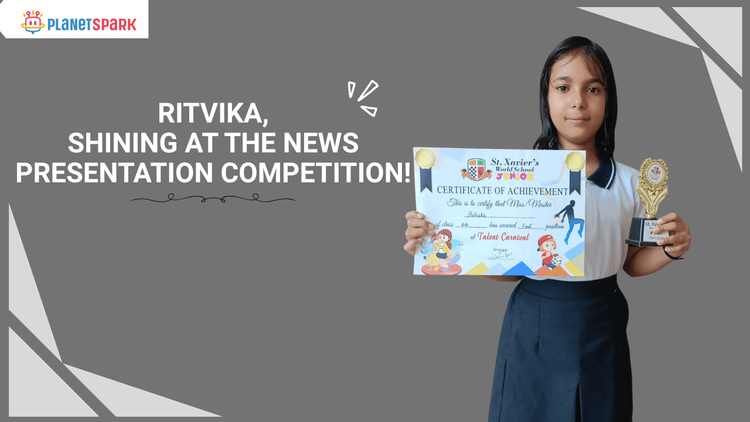
Ritvika (News Presentation Competition)
Ritvika has achieved a milestone in News Presentation! From the PlanetSpark classroom to the spotlight at the News Presentation Competition.
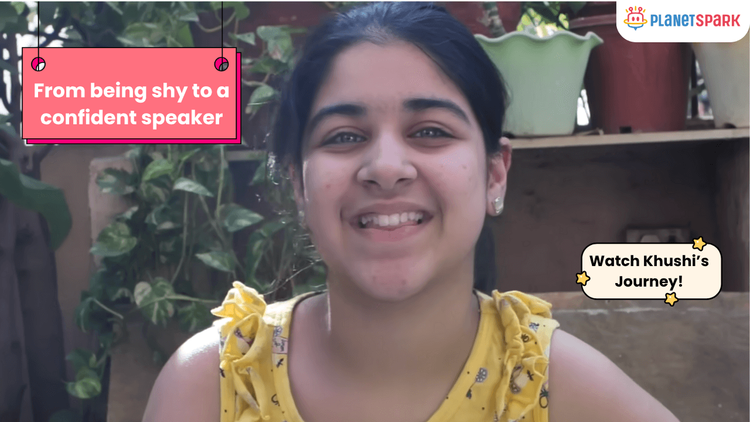
Khushi Bhatia, 10 Years
Khushi transformed from being a shy to a confident speaker with PlanetSpark!
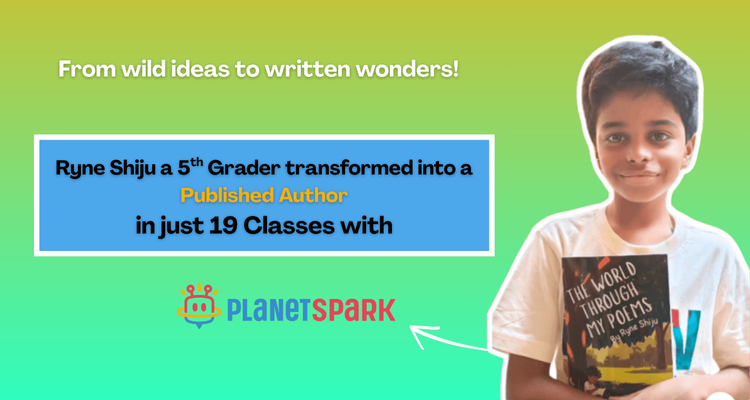
Ryne Shiju (Published Author)
Ryne Shiju, a bright PlanetSpark star, has turned imagination into inspiration becoming a published author whose words now empower and inspire.
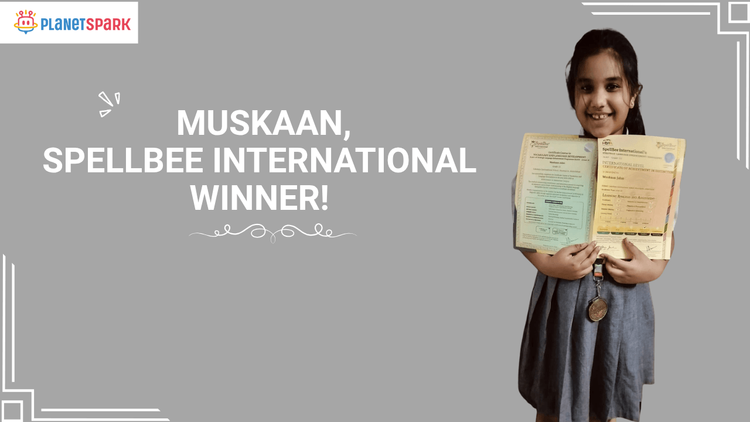
Muskaan (SpellBee International Participant)
We are beyond proud of Muskaan from PlanetSpark, who showcased her spelling brilliance at the SpellBee International Programme.
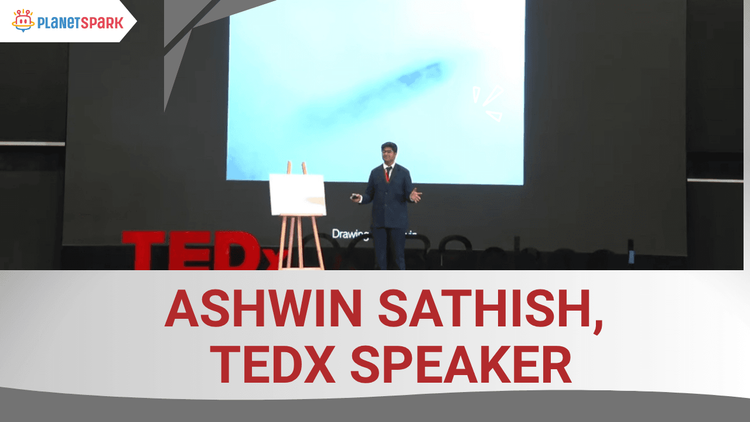
Ashwin Sathish (TEDx Speaker)
Ashwin Sathish, Grade 8 from New Delhi, stood tall as a TEDx Speaker, sparking conversations that truly matter. From classroom confidence to commanding a global stage, his journey reflects the power of voice, vision, and courage.
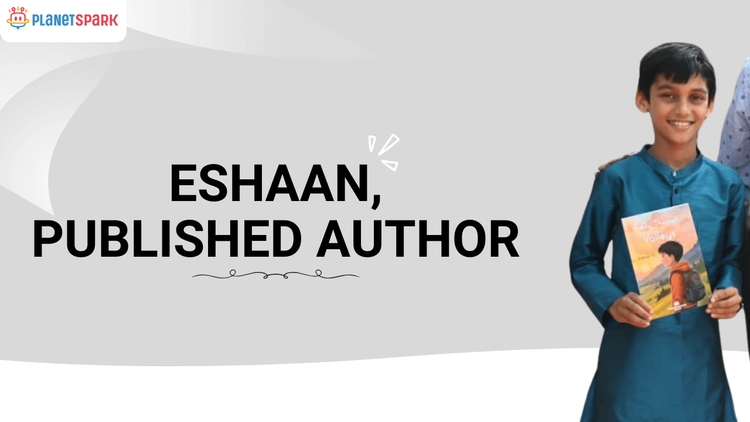
Eshaan (Published Author)
Eshaan has officially became a published author, turning classroom activity into a captivating storybook.
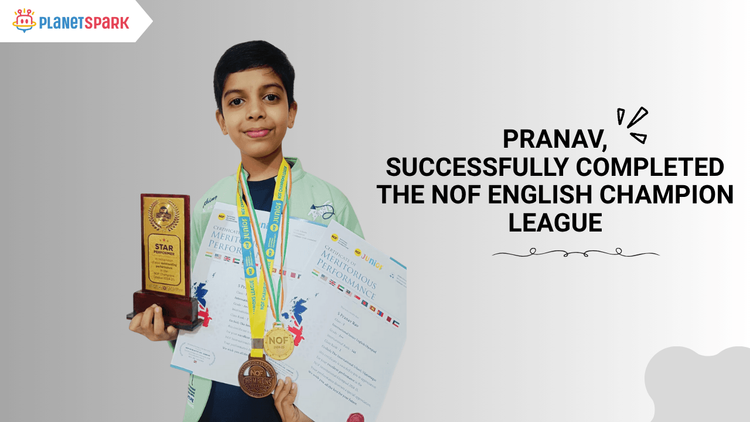
Pranav (NOF English Champion League)
Pranav, a Grade 3 star, has successfully completed the NOF English Champion League, showcasing his brilliance in Public Speaking and Creative Writing.
Ovia Singh (TEDx Speaker)
Oviya Singh from PlanetSpark challenged the status quo in her TEDx Talk, asking, ‘Is the world running out of food?’ as she highlighted the importance of soil conservation.
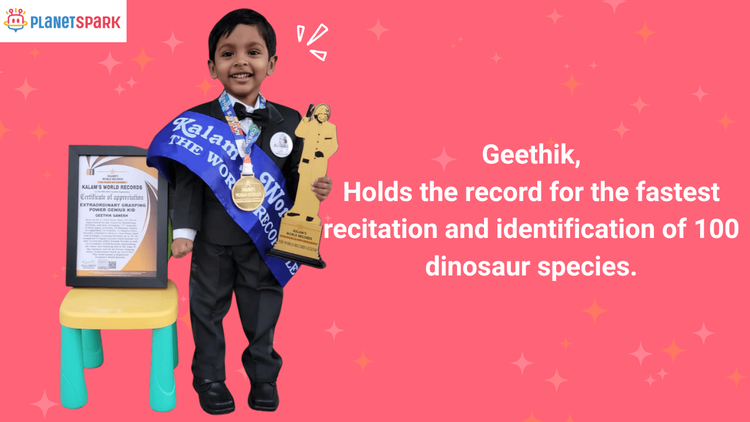
Geethik (Fastest Recitation)
Geethik’s PlanetSpark-sharpened speaking skills helped him set a 100-dinosaur recitation record.
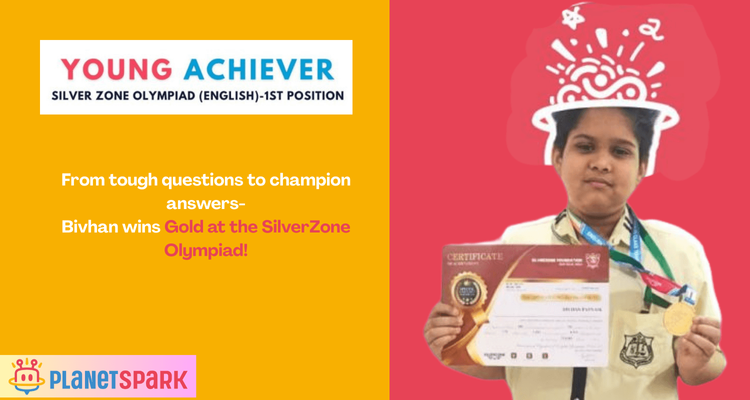
Bivhan Patnaik (SilverZone Olympiad)
Bivhan, in just Grade 4, wins Gold at the SilverZone Olympiad, a true symbol of brilliance, focus, and PlanetSpark-guided success.

Advaith Gupta (SpellBee International)
Advaith Gupta – Spelling His Way to Global Recognition! From mastering vocabulary to shining at SpellBee International, Advaith creates remarkable achievements.

Shlok (certificate of excellence)
Earned a Certificate of Excellence, showcasing his growing confidence and skills nurtured at PlanetSpark.
Ovia Singh, 11 Years
Oviya Singh from PlanetSpark challenged the status quo in her TEDx Talk, asking, ‘Is the world running out of food?’ as she highlighted the importance of soil conservation.
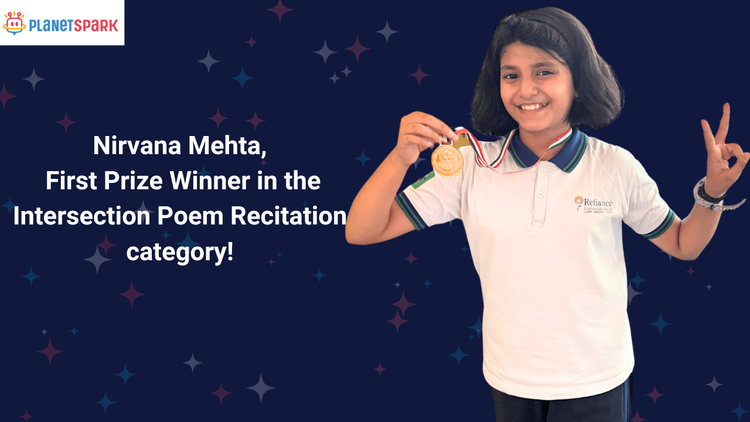
Nirvana Mehta (Wom Poem Recitation)
First Prize Winner in the Intersection Poem Recitation category
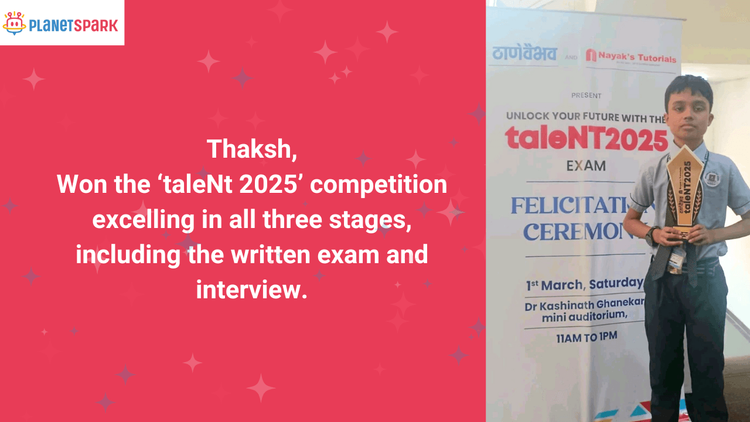
Thaksh (Won the ‘taleNt 2025’ competition)
Thaksh, won the ‘taleNt 2025’ competition in Thane after excelling in all three stages, including the written exam and interview.
Nirvaan, Grade 9
Nirvan now communicates confidently, speaks with clarity, and shines in public speaking!
Habis, Grade 9
Meet Habis — once a shy speaker, now delivering every message with clarity, confidence, and strong stage presence.

Prathmesh (Got 3rd Prize in MUN)
Secured Third Prize at a Model United Nations event, reflecting his strong communication and critical thinking skills built at PlanetSpark.
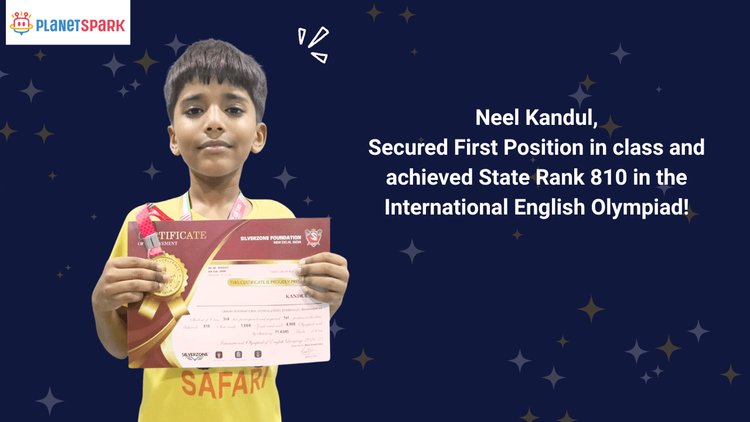
Neel Kandul, First Position in class and State Rank 810 in the International Olympiad of English Language.
First Position in class and State Rank 810 in the International Olympiad of English Language.
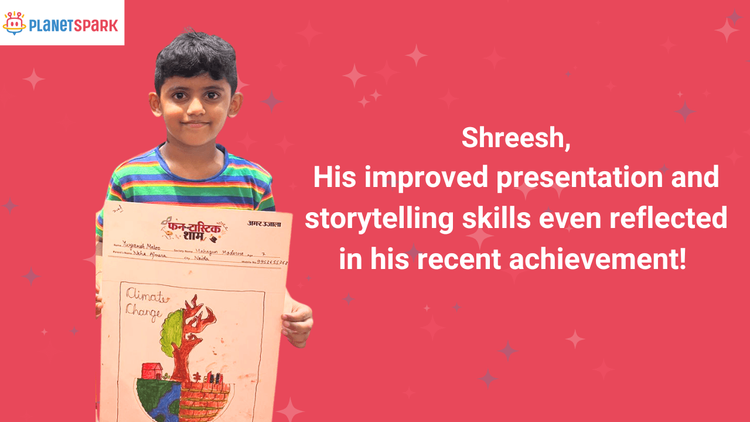
Shreesh
His improved presentation and storytelling skills even reflected in his recent achievement — winning second place in the Junior Category of a drawing competition on ‘Climate Change’ organized by the Amar Ujala team.
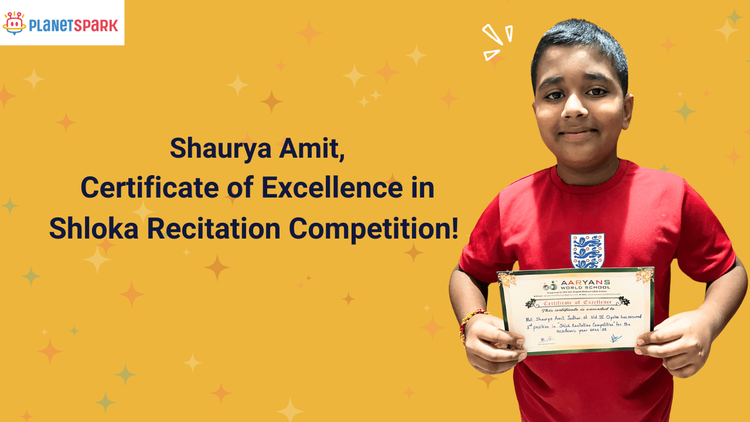
Shaurya Amit (Certificate of Excellence)
Certificate of Excellence in Shloka Recitation Competition
Manvik, 10 Years
Manvik Kumar, a student at PlanetSpark shares his story of becoming a confident Public Speaker.
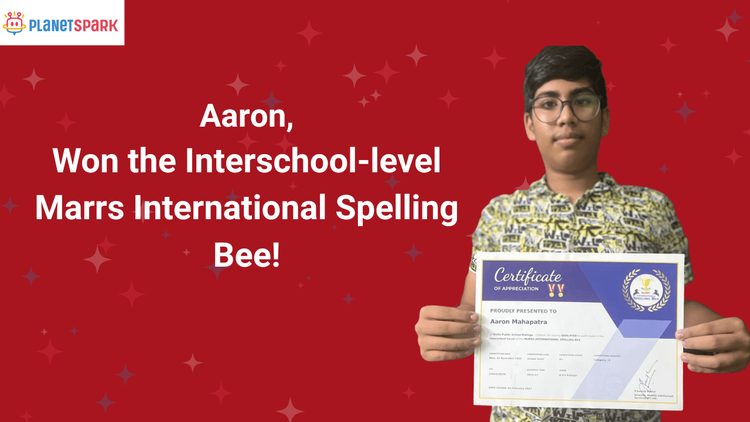
Aaron, International Spelling Bee Winner
Won at the Interschool-level Marrs International Spelling Bee, showcasing strong language skills and consistent PlanetSpark-driven growth.
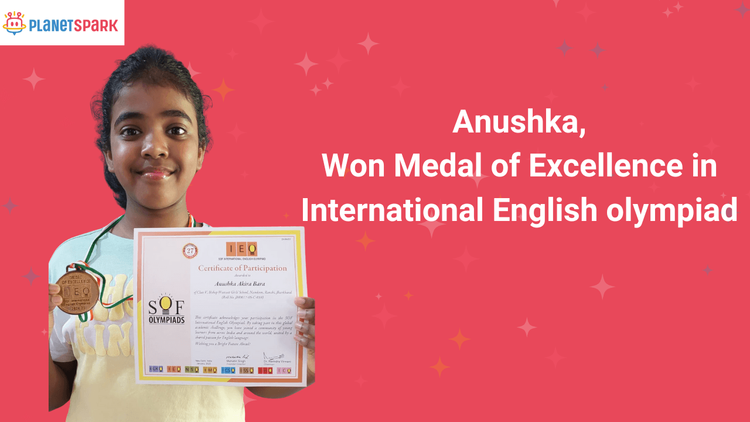
Anushka, Won Medal of Excellence in International English olympiad
Anushka won medal of excellence in International English olympiad. She scored sixth position in her school in olympiad.
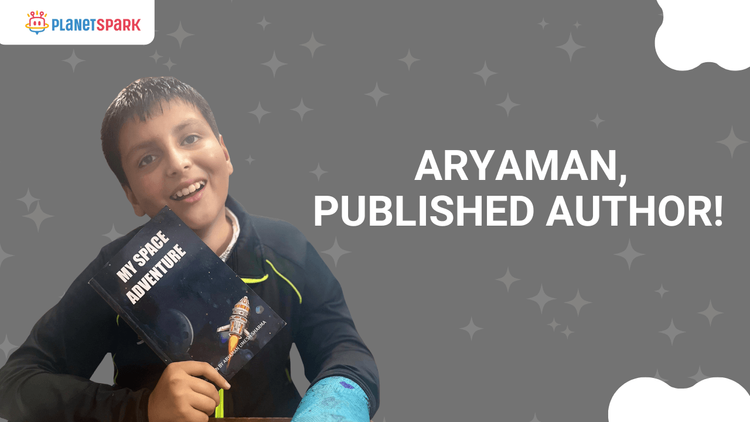
Aryaman, Published Author
Aaryaman became a published author, reflecting his creativity, communication skills, and confidence nurtured at PlanetSpark.
Frequently Asked Questions
How do I write a short speech on child labour for school?
+To write a short speech on child labour, focus on three key points: what child labour is, why it happens, and why it’s wrong. Keep your sentences simple and impactful. You can also explore PlanetSpark’s speech writing tips to structure your speech better.
Why is it important for students to learn speech writing on child labour?
+Learning speech writing on child labour helps students become more aware of social issues and develop critical thinking. It also improves their public speaking and writing skills, which are taught in PlanetSpark’s public speaking classes.
What is a good way to start a speech on child labour?
+You can begin your child labour speech with a thought-provoking question, a shocking fact, or a relevant quote. For example: “What if your childhood was spent working instead of learning?” Starting strong grabs the listener’s attention.
What are the main points to include in a speech about child labour? In any
+In any speech about child labour, include the definition of child labour, causes such as poverty and lack of education, effects on children’s health and future, possible solutions like awareness and education, and a strong conclusion.
How long should a speech on child labour be for students?
+The ideal speech on child labour for students is between one to three minutes, depending on the format. A short version works well for assemblies, while longer speeches suit debates or competitions.