
Interpersonal Skills for Kids: What They Are and Why They Matter


Table of Contents
- What Are Interpersonal Skills?
- Why Are Interpersonal Skills Important for a Child’s Growth?
- What Are the Most Important Interpersonal Skills for Kids?
- What Do Kids Learn in Interpersonal Skills Classes?
- Fun Activities That Teach Interpersonal Skills
- Signs Your Child May Be Struggling With Social and Interpers
- What Does a Socially Confident Child Look Like?
- How Can Parents Help Kids Build Interpersonal Skills?
- Fun Activities to Improve Interpersonal Skills
- How Do Soft Skills and Communication Skills Shape Interperso
- Why Do These Skills Matter?
- Why Social Skills Training Is Essential for the Future
- How PlanetSpark Helps Build Interpersonal Skills in Kids
- Conclusion
- Frequently Asked Questions
Interpersonal skills are some of the simplest yet most powerful tools a child can learn. Whether it is starting a conversation, listening carefully, or working as part of a team, these skills help children connect with others and succeed in everyday life.
At PlanetSpark, we guide children to build interpersonal skills through personalised online classes. They practise communication, collaboration, and confidence-building in a fun, engaging way that prepares them for the real world.
What Are Interpersonal Skills?
Interpersonal skills are the abilities needed to communicate and interact effectively with others. These include both verbal and non-verbal communication. A child with strong interpersonal skills knows how to talk clearly, listen carefully, express emotions, and understand social situations.
Children start learning interpersonal skills from a very young age. They communicate with family members, classmates, and teachers every day. As they grow, these skills help them form better relationships, collaborate in teams, and handle social challenges with confidence.
Why Are Interpersonal Skills Important for a Child’s Growth?
Good interpersonal skills help children:
- Build long-lasting friendships
- Handle peer pressure better
- Become strong leaders and team players
- Express ideas clearly in both personal and academic settings
- Stay confident in new situations
- Manage conflicts without fear or aggression
- Understand and respect different points of view
These skills prepare children for success in school, on stage, and in life.
What Are the Most Important Interpersonal Skills for Kids?
Interpersonal skills are not just about talking, they include listening, understanding emotions, and responding appropriately in different situations. Here are the core interpersonal skills every child should learn:
- Active Listening
Learning to listen attentively teaches children to understand others better and respond thoughtfully.
- Clear Speaking
Expressing ideas confidently helps children participate in discussions, ask questions, and share opinions respectfully.
- Non-Verbal Cues
Understanding body language, eye contact, and tone of voice is a big part of effective communication.
- Empathy
Children need to learn how to understand and care about others' feelings. This makes them kinder friends and stronger team players.
- Collaboration
Working with others is part of everyday life. Learning to cooperate, share ideas, and build teamwork is a valuable skill.
- Conflict Resolution
Disagreements are normal, but managing them with patience and fairness helps children build lasting friendships.
- Confidence in Social Settings
Whether it is speaking in a group or introducing themselves to someone new, confidence is key to social success.
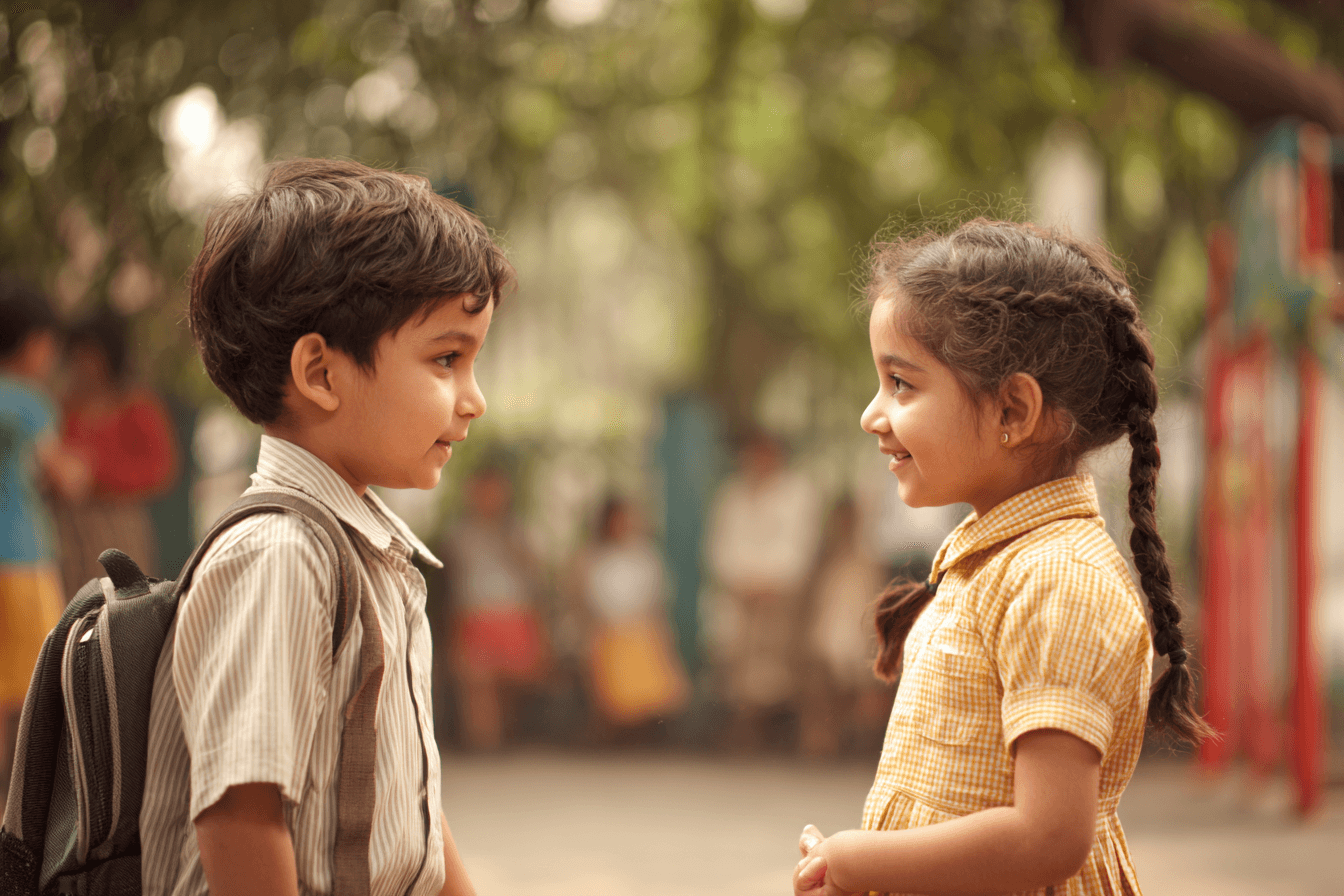
Social skills open doors that even the best education cannot.
Prepare your child for life. Book a free session.
What Do Kids Learn in Interpersonal Skills Classes?
Here are some of the key interpersonal and social skills kids develop at PlanetSpark:
| Skill | Description |
|---|---|
| Verbal Communication | Speaking clearly, confidently, and politely |
| Non-Verbal Communication | Using eye contact, gestures, and body language |
| Empathy | Understanding other people’s feelings |
| Active Listening | Paying full attention to what others are saying |
| Conflict Resolution | Solving problems calmly without arguments |
| Teamwork | Working together and sharing responsibilities |
| Leadership | Guiding and motivating others in a group |
| Creative Thinking | Coming up with new ideas and solutions |
Fun Activities That Teach Interpersonal Skills
At PlanetSpark, learning is never boring. We use interactive activities to teach kids important life skills:
- Debates: Help kids express opinions confidently while respecting others.
- Storytelling: Builds empathy and improves communication style.
- Role Play and Extempore: Enhances thinking on the spot and responding appropriately.
- Group Discussions: Teaches teamwork, listening, and collaboration.
- Narrative Sharing: Develops cultural understanding and acceptance.
- Listening Games: Improves focus, patience, and comprehension.
- Case Study Analysis: Builds problem-solving skills and critical thinking
Signs Your Child May Be Struggling With Social and Interpersonal Skills
Every child is unique, and social learning happens at a different pace for each one. However, some signs may indicate your child is finding it difficult to develop healthy interpersonal skills. Recognising these early can help you support them better.
Common Signs of Social Struggles in Kids:
- Trouble making or keeping close friends
- Being bullied often or becoming the one who bullies others
- Acting too bossy or too passive during group tasks or conflicts
- Misunderstanding conversations and responding inappropriately
- Interrupting frequently in conversations without noticing social cues
- Not recognising facial expressions, tone, or gestures
- Struggling to understand or use humour naturally
- Displaying awkwardness in group activities like teamwork or discussions
It is important to remember that most children will display some of these behaviours at certain points. Social skills take time to develop, and occasional awkward moments are normal.
What Does a Socially Confident Child Look Like?
A socially confident child is not just someone who talks a lot or makes friends easily. True interpersonal growth reflects in how a child listens, responds, collaborates, and handles different social situations.
Confident children usually know how to express their thoughts clearly while also respecting others’ opinions. They adapt to group settings, manage conflicts calmly, and read social cues like facial expressions or body language. Most importantly, they show empathy, which helps them build stronger connections with others.
Here are a few signs your child is developing healthy interpersonal skills:
- Forms and maintains friendships with ease
- Understands and responds to social cues like tone and gestures
- Participates actively and comfortably in group tasks or team activities
- Handles disagreements calmly and works toward solutions
- Shows empathy by helping others and noticing their feelings
- Communicates ideas clearly without dominating conversations
By recognising these signs, parents can support and encourage their child’s ongoing social and emotional growth.
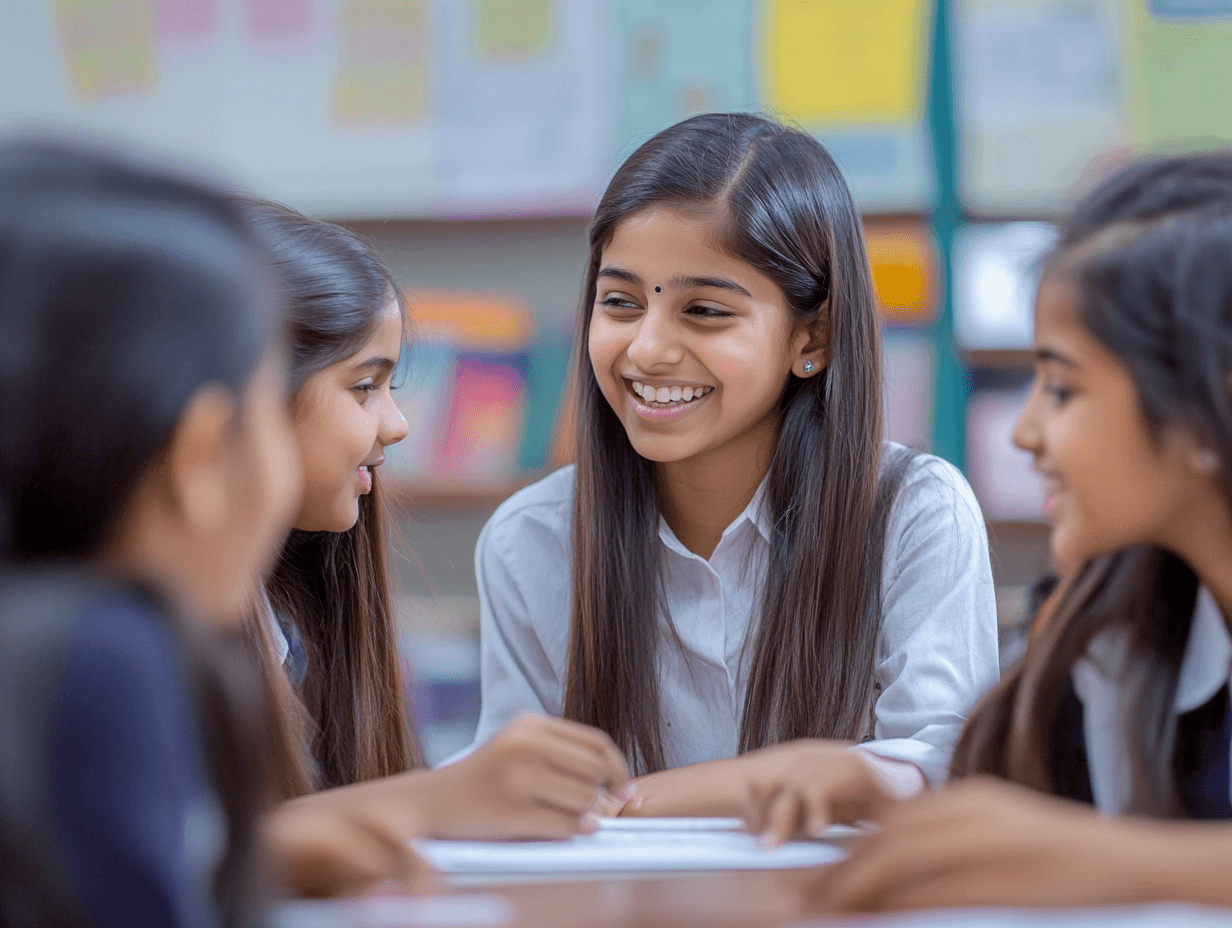
Make social learning fun for your child, try a 1:1 session today.
How Can Parents Help Kids Build Interpersonal Skills?
Parents play a key role in helping children develop strong social skills. Here are some simple ways to support your child:
Model Good Communication: Speak politely, listen carefully, and show empathy at home. Children learn by watching adults.
Encourage Conversations: Create opportunities for your child to share thoughts and feelings without fear of judgment.
Practice Social Scenarios: Role-play everyday situations like starting a conversation, resolving a disagreement, or introducing oneself.
Support Team Activities: Let your child participate in group projects, clubs, or games that involve cooperation and teamwork.
Praise Efforts: Celebrate when your child listens well, helps a friend, or handles a conflict calmly.
Fun Activities to Improve Interpersonal Skills
Learning social skills can be enjoyable when lessons are interactive and engaging. Here are some activities that help:
Storytelling and Role-Play: These exercises teach children to communicate ideas and understand different perspectives.
Debates and Discussions: This builds confidence and teaches kids how to express opinions respectfully.
Listening Games: Games like "Simon Says" help children improve their focus and listening abilities.
Group Projects: Working together on a task teaches teamwork and problem-solving.
Emotional Role-Play: Practice identifying feelings in different situations to build empathy.
How Do Soft Skills and Communication Skills Shape Interpersonal Growth?
Interpersonal skills are often described as the social toolkit children need to succeed in everyday life. At the core of these skills are two important components: soft skills and communication skills. Both work together to help children build strong, meaningful relationships and handle social situations with ease.
Soft skills include traits like empathy, patience, teamwork, adaptability, and emotional intelligence. These are the qualities that guide how a child reacts to others, works in groups, or responds to challenges.
For example, when a child helps a friend who is upset or shows patience while waiting for their turn, they are using soft skills. These moments might seem small, but they lay the foundation for kindness, cooperation, and leadership.
Communication skills are just as crucial. They involve both verbal and non-verbal ways of expressing oneself clearly. Children learn how to speak politely, listen actively, read body language, and understand facial expressions. Communication skills allow kids to share their thoughts, resolve misunderstandings, and express feelings without frustration.
Together, soft skills and communication skills shape a child’s ability to interact positively with others. A child might feel empathy (a soft skill) but needs clear communication to show that understanding in the right way. On the other hand, learning how to listen during conversations also teaches patience and respect for others’ opinions.
Boost your child’s soft skills with expert-led sessions
Why Do These Skills Matter?
Children who develop both soft skills and communication skills are better prepared for real-life situations. They make friends more easily, work well in teams, and handle conflicts calmly. These skills are not just important in school, they are lifelong tools that help children grow into confident, capable adults.
Whether it is participating in group activities, sharing ideas in class, or resolving playground disagreements, the combination of soft skills and communication skills helps children navigate the social world with confidence.
Why Social Skills Training Is Essential for the Future
Strong interpersonal skills are more than just a classroom necessity. They prepare children for real-world success. Whether it is a job interview, a leadership role, or a friendship, clear communication and empathy will always be important.
By practising these skills early, children grow into confident, thoughtful, and capable adults who know how to connect with others.
How PlanetSpark Helps Build Interpersonal Skills in Kids
At PlanetSpark, we offer live online interpersonal skills classes for kids with expert trainers. Our goal is to help children become expressive, empathetic, and confident communicators.
Key Features of PlanetSpark’s Interpersonal Skills Classes:
1:1 Live Classes: Personalised sessions where each child gets individual attention. This helps children learn at their own pace.
Qualified Trainers: Our trainers are certified experts in communication and child development. They guide children with patience and care.
World-Class Curriculum: Designed by experts from top institutes, the curriculum covers every aspect of social and interpersonal learning.
Interactive Learning: Fun activities like debates, storytelling, group discussions, and games keep children engaged while they learn.
Conclusion
Interpersonal skills help children connect, communicate, and collaborate in everyday life. These are not just school-time abilities but life-long strengths that shape how they interact with the world. By developing social confidence, empathy, and teamwork early, children are better prepared to lead, listen, and grow into well-rounded individuals. Whether it is through daily conversations, group activities, or structured classes, building interpersonal skills is one of the best investments in a child’s future.
Frequently Asked Questions
Q1. What are interpersonal skills for kids?
Interpersonal skills for kids include communication, teamwork, empathy, active listening, and the ability to manage social interactions confidently. These skills help children build healthy relationships and work well with others.
Q2. Why are interpersonal skills important for children?
Interpersonal skills help children express themselves clearly, make friends, handle conflicts calmly, and collaborate in teams. These abilities are essential for personal growth, academic success, and future leadership roles.
Q3. How can I tell if my child is struggling with interpersonal skills?
Signs may include trouble making friends, frequent misunderstandings, difficulty in teamwork, or being too shy or too dominating during group interactions. Not recognising social cues like body language can also be a sign.
Q4. How can parents help improve a child’s interpersonal skills?
Parents can model respectful communication, encourage open conversations, practice social situations through role-play, and engage their child in team activities or games that involve cooperation.
Q5. What activities help build interpersonal skills in children?
Activities like storytelling, debates, group projects, role-play, and listening games teach children to communicate better, work in teams, and understand others' emotions.