
Blended Learning: Meaning, Models, and Benefits | PlanetSpark
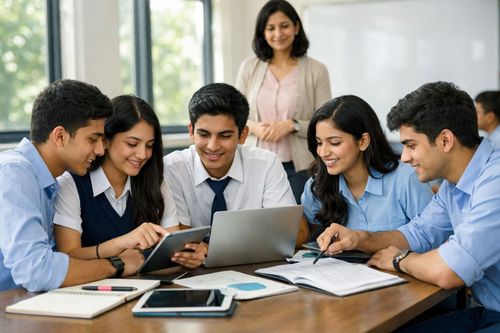

Table of Contents
- What is Blended Learning?
- Why Blended Learning is Important
- Models of Blended Learning
- Approaches to Blended Learning
- Benefits of Blended Learning
- Challenges of Blended Learning
- Examples of Blended Learning
- The Future of Blended Learning
- Success Story: Learning Smarter with PlanetSpark
- About PlanetSpark : English Grammar
- Conclusion
In today’s fast-moving world, learning can’t wait for a classroom schedule. Students and professionals alike need smarter, faster, and more flexible ways to gain skills and stay ahead. That’s where blended learning comes in, a modern approach that mixes online convenience with the hands-on guidance of traditional teaching.
In this blog, you’ll discover what blended learning is, its key models, and the benefits it offers for learners of all ages. At PlanetSpark, we make this journey simple and effective, combining interactive online lessons with personalized support to help you learn better, faster, and at your own pace.
What is Blended Learning?
Blended learning is an educational approach that combines traditional face-to-face teaching with online learning, giving learners the advantage of both methods. Rather than relying only on classroom lectures or purely online courses, this approach allows learners to benefit from the structured guidance of teachers while also taking advantage of the flexibility and interactivity of digital learning tools.
“Blend online learning with real-world practice.” Book your free demo now!
Students can watch video lessons, tutorials, or interactive modules at home at their own pace. They can then practice what they learned through exercises, projects, or group activities in the classroom, which helps them understand concepts better and retain knowledge longer.
Working professionals can attend live online sessions, complete self-paced modules, and access recorded materials whenever convenient. They can also participate in in-person workshops, discussions, or mentorship programs, making it easier to learn new skills without disrupting work schedules.
Simply put, blended learning makes education flexible, engaging, and personalized, allowing learners to study in a way that suits their individual pace and style, while still benefiting from direct support from teachers or mentors.
Why Blended Learning is Important
Blended learning adapts to different learning styles and makes education more accessible, flexible, and effective for learners of all ages. For students, it allows them to actively participate in lessons, explore subjects at their own pace, and develop a deeper understanding of topics by combining online resources with hands-on classroom activities. For working professionals, blended learning provides a practical and flexible way to upskill, learn new tools, or enhance knowledge without having to take long breaks from work or compromise on their job responsibilities.
Some key reasons why blended learning matters:
- Personalized learning at your own pace - Learners can review lessons multiple times, spend extra time on challenging topics, and move quickly through areas they already understand. This tailored approach ensures better comprehension, stronger retention, and a learning experience that fits each individual’s needs.
- Flexibility to study anytime, anywhere - With online modules, recorded lessons, and interactive resources, learners can study from home, the office, or even while traveling. This flexibility allows learning to seamlessly fit into daily routines, making it easier for both students and professionals to stay consistent.
- Increased engagement through interactive tools - Tools like quizzes, simulations, gamified exercises, and discussion forums make learning more interactive and enjoyable. Learners stay motivated, actively participate, and retain knowledge longer compared to traditional passive methods.
- Combines the best of classroom and digital learning - Face-to-face sessions provide guidance, mentorship, and hands-on practice, while online resources offer convenience, diverse content, and opportunities for self-directed learning. This combination ensures learners benefit from the structure and support of classrooms while enjoying the flexibility and variety of digital learning.
Models of Blended Learning
There are several popular blended learning models designed to meet different learning needs, offering flexibility and engagement for both students and working professionals. These models combine online lessons, interactive digital tools, and traditional classroom activities in various ways, allowing learners to choose the approach that best fits their pace, schedule, and learning style. By using these models, learners can enhance understanding, improve retention, and apply knowledge effectively in real-world or academic settings.
- Flipped Classroom Model
Learners watch lessons or video tutorials online at home and come to the classroom to solve problems, discuss concepts, and practice with teacher guidance. This model helps students understand theory on their own and use class time for active learning and doubt clearing. - Rotation Model
In this model, learners rotate between online learning stations and classroom activities, making learning dynamic and varied. There are different types of rotation:
- Station Rotation - In this model, students move through multiple learning stations, with each station offering a different type of activity. Some stations may involve online learning using videos, interactive lessons, or quizzes, while others focus on offline activities like group discussions, hands-on projects, or guided practice. This rotation keeps students engaged and allows them to experience a variety of learning methods in a single session.
- Lab Rotation - This approach focuses on online learning in a dedicated computer lab, where students complete modules, simulations, or interactive exercises. Classroom teaching is integrated alongside lab activities to provide guidance, clarification, and practical application of concepts. Lab rotation is especially effective for subjects like science, coding, or math, where digital tools can enhance understanding.
- Individual Rotation - In this model, each learner follows a personalized schedule tailored to their strengths, weaknesses, and learning goals. Students rotate through a mix of online lessons and offline classroom activities, but the timing, sequence, and focus areas are customized for each individual. This approach allows learners to progress at their own pace, ensuring they master each topic before moving on.
Flex Model
Here, online learning forms the core of the program, and teachers provide support as needed. Learners can progress at their own pace, while instructors step in for guidance, mentoring, or problem-solving.A La Carte Model
Some courses or subjects are completely online, while others are entirely classroom-based. This model is ideal for learners who want maximum flexibility and need to choose courses according to their personal or professional goals.Enriched Virtual Model
In this model, most learning happens online, with occasional face-to-face sessions for projects, practical exercises, or assessments. It is particularly useful for professionals who want to balance work with learning.
Each model can be tailored for students or professionals, depending on their available time, learning goals, and preferred style of study, making blended learning highly flexible and effective for everyone.
“Step into the future of education with blended learning.” Read More!
Approaches to Blended Learning
Blended learning can follow two main approaches, each designed to suit different types of learners and learning goals:
Teacher-Centered: In this approach, the teacher leads the learning process, providing guidance, explanations, and feedback. Online tools and digital resources are used to support classroom teaching, reinforce concepts, and track progress. This method ensures that learners have a clear structure and receive expert support whenever needed, making it ideal for students who benefit from direct instruction.
Student-Centered: Here, the learner takes control of their own pace, actively engaging with online resources, lessons, and exercises. This approach encourages self-directed learning, critical thinking, and problem-solving, allowing learners to explore topics in depth and revisit material as needed. It is especially useful for working professionals who need flexibility and want to manage their learning around work commitments.
At PlanetSpark, we use a blend of both approaches to create a balanced learning experience. Students get the guidance and support of teachers while also developing independent learning skills, and working professionals benefit from self-paced modules combined with live mentoring, ensuring practical application and better knowledge retention.
Benefits of Blended Learning
Blended learning offers many advantages for both students and working professionals, making learning more effective, flexible, and engaging:
- Personalized Learning: Learners can study at their own pace, revisit challenging topics, and focus on areas where they need extra practice. This ensures that each learner gets a customized experience that suits their individual needs.
- Flexibility: With online lessons and resources, learners can study from anywhere, whether at home, at work, or while traveling. At the same time, in-person sessions or workshops provide hands-on guidance and practical learning when needed.
- Better Engagement: Interactive lessons, quizzes, videos, and multimedia tools make learning more enjoyable and stimulating. Students and professionals stay motivated and retain knowledge more effectively.
- Improved Outcomes: By combining the strengths of classroom teaching and online tools, blended learning enhances understanding, encourages practice, and leads to better learning results.
- Cost-Effective: Blended learning reduces the need for travel, printed resources, and extended classroom time, making it a more efficient and affordable way to learn for both students and working professionals.
Challenges of Blended Learning
While blended learning is highly effective, it does come with a few challenges that learners should be aware of:
- Requires good internet and technology access: Since a significant portion of learning happens online, learners need reliable devices and internet connectivity to access lessons, assignments, and interactive tools effectively.
- Learners need self-discipline and time management skills: Blended learning gives learners flexibility, but it also requires motivation and organization. Without proper planning, it can be easy to fall behind on lessons or assignments.
- Less social interaction if online components dominate: While online learning provides convenience, it can reduce face-to-face interaction with peers and teachers. This may affect collaboration, group discussions, and social learning opportunities if not balanced properly.
Despite these challenges, the advantages of blended learning far outweigh the drawbacks, making it a practical and efficient choice for both students and working professionals who want to learn effectively while managing their own schedules.
“Learn at your own pace, anytime, anywhere.” Book a free demo class today!
Examples of Blended Learning
Blended learning can be applied in many ways, making it highly adaptable for both students and working professionals:
- For Students: Learners can watch recorded lessons or interactive tutorials online, such as science or math videos, and then apply their knowledge through hands-on activities or lab experiments in the classroom. This combination reinforces understanding and helps students retain concepts better.
- For Professionals: Working individuals can complete online certifications or training modules at their own pace and complement them with weekend workshops, team projects, or live mentoring sessions. This allows professionals to gain practical skills while balancing work responsibilities.
These blended learning examples demonstrate how this approach adapts to different age groups, learning goals, and professional needs, offering a flexible and effective way to learn in today’s fast-paced world.
The Future of Blended Learning
Blended learning is constantly evolving as technology advances, making education smarter, more interactive, and highly personalized. Modern tools like AI-based learning platforms, interactive apps, and adaptive online modules allow learners to receive content that suits their pace, strengths, and areas that need improvement.
Educational organizations and platforms like PlanetSpark are at the forefront of this transformation, offering programs that combine the flexibility of online learning with practical, real-world practice. From students mastering concepts through interactive lessons to working professionals gaining new skills while managing their schedules, blended learning is becoming a key part of how people learn effectively in the digital age.
“From online lessons to hands-on practice,experience it all.” Book your free demo class!
Success Story: Learning Smarter with PlanetSpark
Aarav, a high school student, often found mathematics challenging and struggled to keep up in traditional classroom settings. After joining PlanetSpark’s blended learning program, he started watching interactive lessons online at home and practicing concepts through in-class exercises. Within a few months, Aarav’s understanding and confidence improved significantly, and he began participating actively in class discussions, achieving better grades.
Neha, a working professional, wanted to enhance her communication and presentation skills without taking time off from her job. Through PlanetSpark’s blended learning approach, she completed online modules at her own pace and attended occasional live workshops for practical guidance. This helped Neha excel at her role, confidently lead team meetings, and apply her new skills effectively in real-world situations.
About PlanetSpark : English Grammar
PlanetSpark helps children master English grammar with clarity, accuracy, and confidence through engaging 1:1 live classes. Our English Grammar Program strengthens sentence construction, tense usage, vocabulary, and writing skills helping kids communicate correctly and effectively in school and everyday life.
1. 1:1 Expert Coaching
Each child is guided by a certified trainer who personalises lessons to their learning style and pace ensuring a strong grasp of grammar rules and accurate usage.
2. Personalised Learning Path
A customised curriculum identifies each learner’s gaps and gradually builds skills in tenses, sentence structure, parts of speech, and punctuation taking them from basic grammar to mastery.
3. AI-Powered Grammar Feedback
With SparkX and AI-led practice exercises, students receive instant feedback on sentence accuracy, punctuation, and word usage making improvement measurable and consistent.
4. Interactive & Gamified Learning
Engaging modules like Grammar Guru, Sentence Builder, and Daily Quizzes make learning grammar fun, motivating kids to practise daily while reinforcing concepts.
5. Confidence in Writing & Communication
Through structured exercises, storytelling, and writing practice, children develop the confidence to write and speak grammatically correct English in every context.
Conclusion
Blended learning is not just a trend, it’s the future of education. By combining traditional classroom teaching with online tools, learners of all ages gain flexibility, personalized learning, and better outcomes. Students can master subjects at their own pace, while professionals can upskill without disrupting their work schedules. With programs at PlanetSpark, you can experience the perfect mix of online convenience and real-world practice, helping you learn smarter, faster, and more effectively.
Frequently Asked Questions
Blended learning combines online and classroom methods to help you learn faster, more flexibly, and with better understanding.
Popular models include flipped classroom, rotation, flex, a la carte, and enriched virtual learning.
Blended learning offers flexibility, personalized pace, and interactive tools, making it more effective than traditional methods alone.
Yes, it allows professionals to learn at their own pace while balancing work, making it ideal for upskilling.
PlanetSpark offers personalized blended programs with live sessions, practical learning, and expert guidance to boost your skills faster.