
Creating Word Webs: How to Make a Word Web That Builds Better Vocabulary in Kids
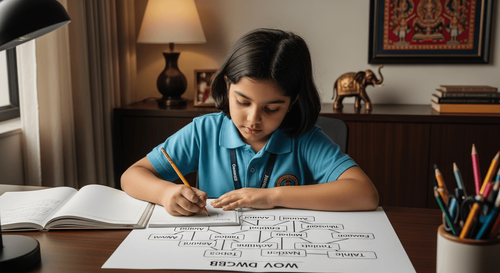

Table of Contents
- Creating a Word Web for Kids: A Simple Step-by-Step Guide
- Creating a Word Web and Why It Helps Kids Build Stronger Voc
- Best Examples of Word Webs for Different Age Groups
- Word Webs Improve Reading, Writing, and Communication Skills
- Digital Word Web Tools That Make Learning Easier for Kids
- Tips for Parents and Students to Build a Consistent Word Web
- How Planet Spark Makes English Grammar Easy and Enjoyable
- Final Thoughts
Vocabulary development is an important part of every child’s learning journey. Creating word webs is one of the most effective ways to help children understand new words and remember them for a long time. Many parents and students look for simple vocabulary tools such as word search puzzles, word scramble, word coach, dictionary words, and crossword games. A word web stands out because it shows how one word is connected to many related words, which helps children learn meanings, examples, and usage with clarity.
In this blog, you will learn what a word web is and how to make a word web simply and engagingly. You will also discover how Planet Spark’s English Grammar Programs support children in building strong vocabulary, clear communication, and confident language skills.
Creating a Word Web for Kids: A Simple Step-by-Step Guide
Creating a word web is a fun way to improve vocabulary. Here is a simple guide for children:
Start with a Base Word
Choose a word to explore, such as Happy, Animals, or Food.
Draw the Central Word
Place the base word in the centre of the page.
Add Related Words
Connect synonyms, antonyms, or examples to the central word.
Organise Into Categories
Group related words for clarity, like feelings, animals, or food types.
Include Examples and Pictures
Add small drawings, colours, or sentences for better memory.
Expand Over Time
Keep adding new words using word search puzzles, word scramble, crossword, word coach, and dictionary words.
This step-by-step approach shows what a word web is, makes creating word webs easy, and strengthens vocabulary naturally.
Creating a Word Web and Why It Helps Kids Build Stronger Vocabulary
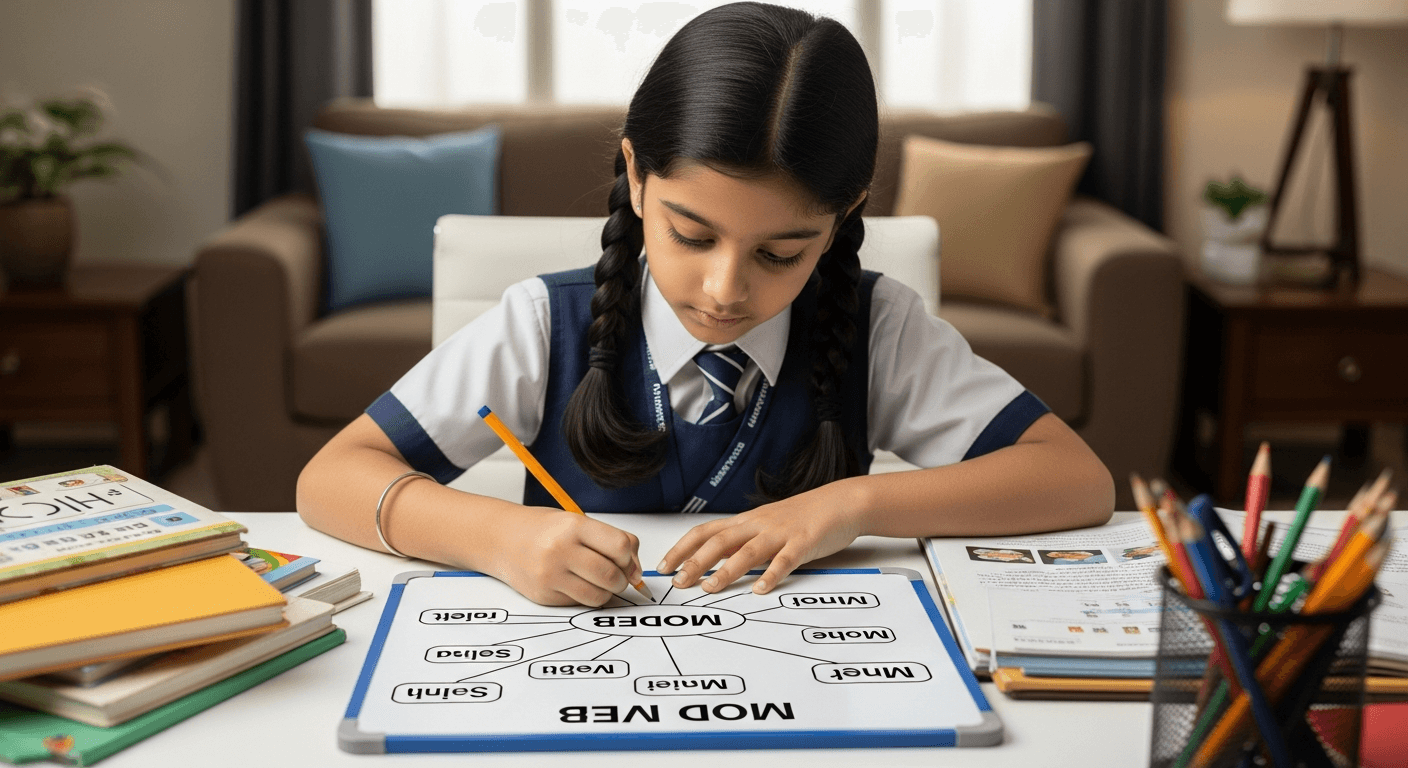
A word web is a visual diagram that shows how a word connects to related words, ideas, or examples. Creating a word web is a simple and effective way to help children understand words, learn new vocabulary, and improve their language skills.
Example: Animals: Lion, Dog, Elephant, Bird
Food: Fruits, Vegetables, Rice, Bread
It is an easy technique to build a stronger vocabulary. Children can see connections between words, which helps them understand meanings faster. Linking words together in a word web improves retention and recall. Children learn to organise ideas and find relationships between words. Using word search puzzles, word scramble, crossword, and word coach exercises alongside word webs makes learning enjoyable. Helps children understand dictionary words, synonyms, and antonyms, which strengthens reading, writing, and speaking. By creating a word web, children gain a stronger vocabulary and a love for learning new words.
Best Examples of Word Webs for Different Age Groups
Age Group 5 to 8
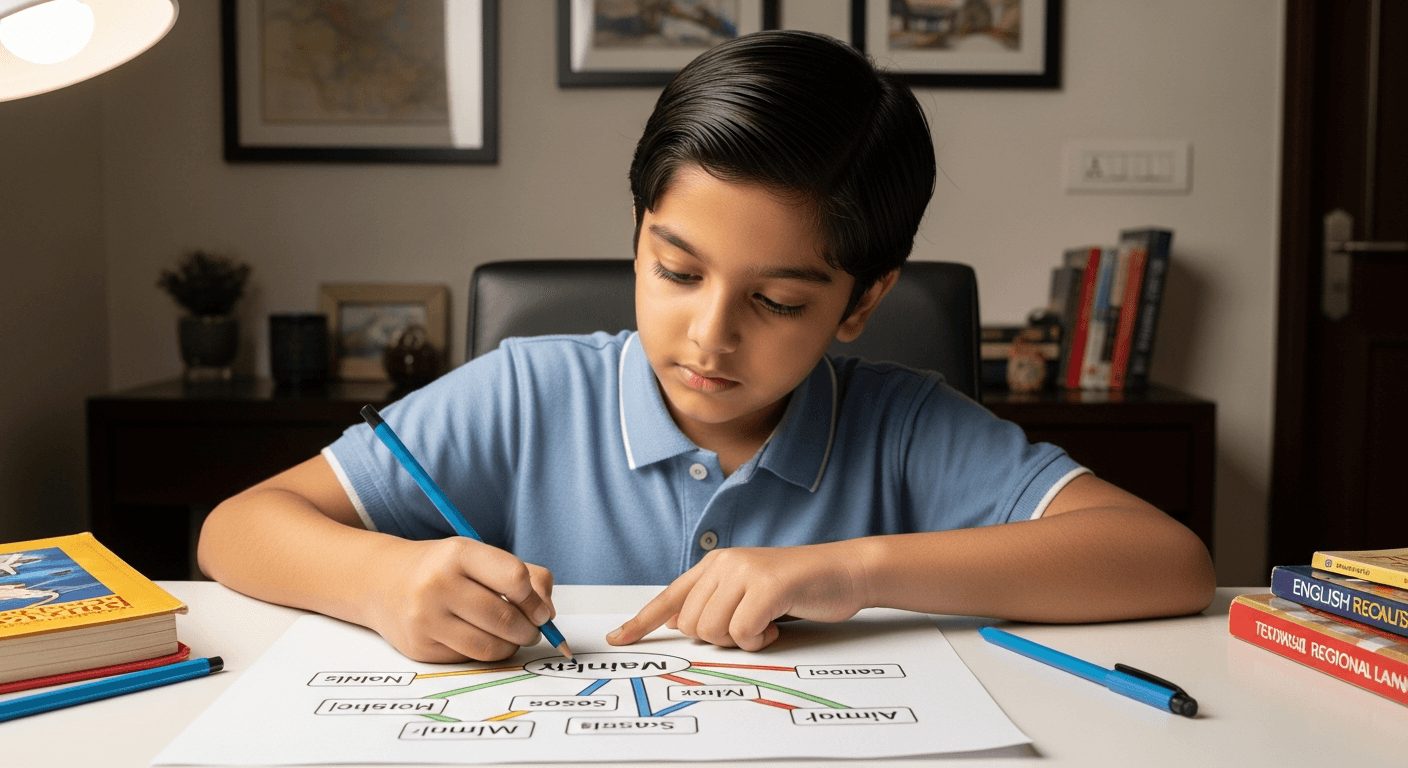
Age Group 9 to 11
Age Group 12 to 15
Word Webs Improve Reading, Writing, and Communication Skills
Creating word webs is more than a fun vocabulary activity. It helps children develop strong reading, writing, and communication skills over time. By visually connecting words, children can easily understand context, identify synonyms and antonyms, and build sentences effectively. Linking ideas through word webs also encourages critical thinking, creativity, and better retention of dictionary words.
Long-Term Benefits:
Improves comprehension and vocabulary usage in reading and writing.
Strengthens the ability to construct meaningful sentences and stories.
Enhances communication skills by helping children organise their thoughts clearly.
Supports memory and understanding of word relationships for school and daily life.
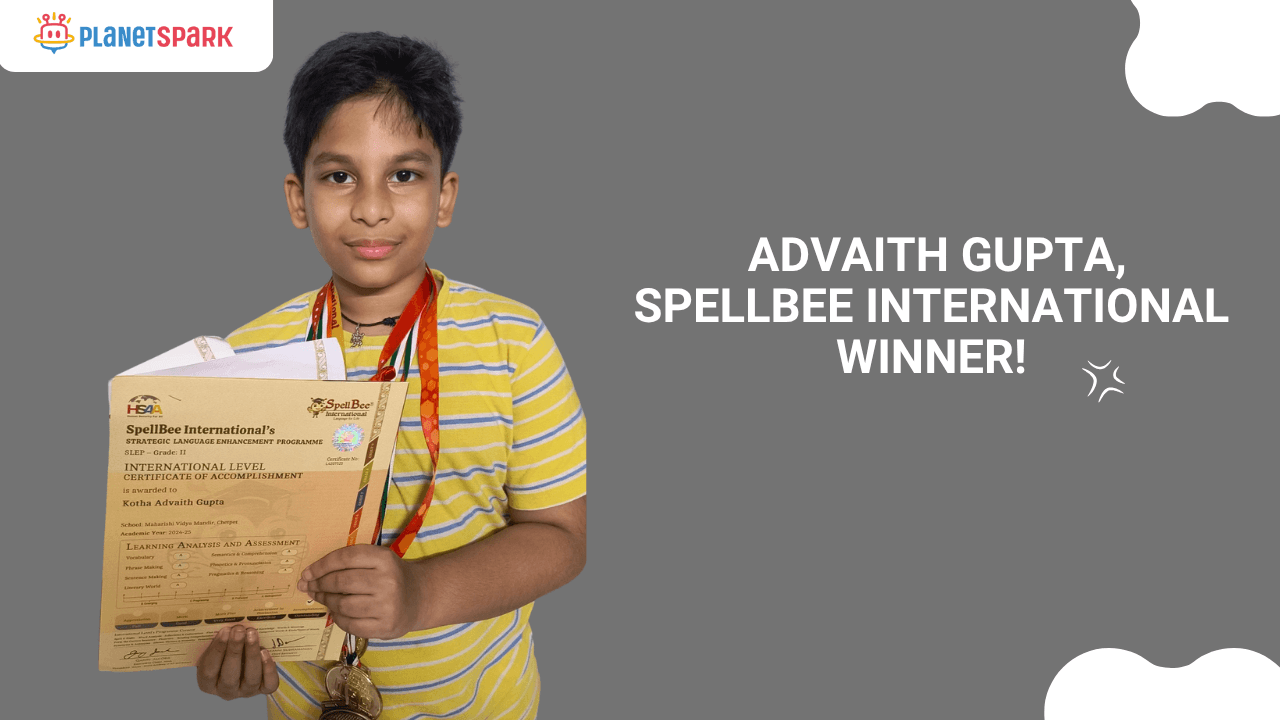
Advaith Gupta – Spelling His Way to Global Recognition! From mastering vocabulary to shining at SpellBee International, Advaith creates remarkable achievements. His success highlights how consistent practice with tools like word webs, word search puzzles, word scramble, crossword, and Word Coach can elevate language skills.
Give your child the advantage of Planet Spark’s English Grammar Programs. With expertly designed lessons, interactive word web activities, and guided exercises, children strengthen vocabulary, grammar, and confident communication. Enrol now and make language learning engaging and effective!
Digital Word Web Tools That Make Learning Easier for Kids
Using digital word web tools can make vocabulary learning interactive, engaging, and fun for children. These tools are kid-safe and user-friendly, allowing students to create colourful, editable word webs without needing paper or pens.
Popular Tools for Kids:
Word Webs App: Drag-and-drop interface to connect words visually.
Popplet: Let's kids add words, colours, and images to create a vibrant word map.
MindMup: A simple online mind-mapping tool suitable for vocabulary building.
Coggle: Offers structured word webs with collaborative options for projects.
Tips for Parents and Students to Build a Consistent Word Web Habit
Consistency is key to mastering vocabulary with word webs.
Daily and Weekly Routines:
Dedicate 10-15 minutes daily to create a mini word web.
Use weekends to review and expand weekly word webs with new words.
Strategies to Pick New Words:
Choose words from reading material, class lessons, or favourite stories.
Include challenging dictionary words to gradually build advanced vocabulary.
Mix thematic words like animals, food, or emotions for variety.
Encouragement Techniques for Beginners and Struggling Learners:
Celebrate small achievements like completing a word web or learning 5 new words.
Use colourful pens, stickers, or digital tools to keep motivation high.
Let children teach a word web to a family member; this reinforces learning and confidence.
How Planet Spark Makes English Grammar Easy and Enjoyable
Interactive Grammar Learning: Grammar taught through stories, dialogues, role plays, and error correction, no rote memorisation.
Concept to Application: Lessons move from rule ➝ examples ➝ sentence formation ➝ paragraph writing ➝ live correction.
Gamified Tools: Fun quizzes, word puzzles, Kahoots, and online games enhance retention.
Integrated Writing Practice: Each concept includes sentence-building and writing tasks for practical usage.
Proficiency Levels: From basic (nouns, verbs, punctuation) to advanced (conditionals, active/passive, reported speech).
Parent Reports: Track improvement in writing fluency, sentence complexity, and grammatical accuracy.
Final Thoughts
Creating word webs is a simple, effective, and fun way to help children improve vocabulary, reading, writing, and communication skills. By linking words visually, children can understand meanings, synonyms, antonyms, and sentence-building naturally. Tools like word search puzzles, word scramble, crossword, Word Coach, and digital word web apps make learning interactive and engaging. Planet Spark’s English Grammar Programs provide guided exercises, gamified learning, and practical writing practice to ensure that children not only expand their vocabulary but also gain confidence in using language effectively.
Frequently Asked Questions
A word web is a visual diagram that connects a base word to related words, ideas, or examples. It is important because it helps children understand meanings, improve vocabulary, and develop reading, writing, and communication skills.
To make a word web, start with a base word, place it in the centre, and connect synonyms, antonyms, and examples. Organise words into categories and add pictures or sentences. Use tools like word search puzzles, word scramble, crossword, and Word Coach to expand learning.
Word webs strengthen understanding of dictionary words, sentence structure, and context. By linking words logically, children learn to construct meaningful sentences, enhance writing skills, and communicate ideas more clearly.