
Fun Learning Activities for Kids: Games, Apps & Ideas
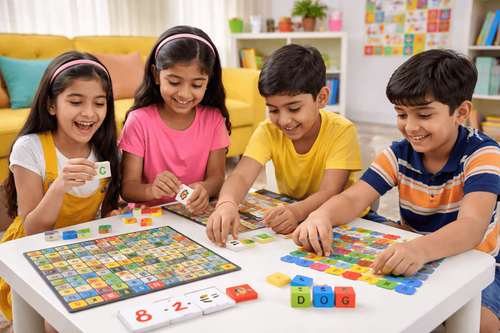

Table of Contents
- Why Fun Learning for Kids Matters
- Types of Fun Learning Activities for Kids
- Preschool Learning Games: Fun Games for Kids
- Fun Learning Apps for Kids: A Smart Choice
- Fun Learning Toys for Kids
- Creative Ways to Make Learning Fun
- Balancing Fun and Learning
- How Parents Can Support Fun Learning
- PlanetSpark English Grammar Course
- Making Learning Fun and Effective
Fun learning for kids is no longer limited to textbooks. Today, children can learn through games, apps, and creative activities that make education exciting and effective. This blog explores the best fun learning activities for kids, including engaging games, digital tools, and hands-on ideas that improve skills while keeping children entertained. If you’re looking to turn learning into a joyful experience, this guide will help you choose the right methods and tools.
Why Fun Learning for Kids Matters
Fun learning for kids is more than just playtime, it is a powerful educational approach that blends enjoyment with meaningful skill development. When children experience joy while learning, their brains are more receptive to new information. This positive association with learning not only improves academic performance but also builds a lifelong love for education.
Traditional methods often rely on memorization and repetition, which can sometimes lead to boredom or disengagement. In contrast, fun learning activities for kids create an environment where curiosity thrives. Whether it’s through games, storytelling, or interactive apps, children become active participants in their learning journey rather than passive receivers of information.
Another important aspect is emotional engagement. When kids enjoy what they are doing, they are more likely to stay focused, take initiative, and explore topics deeply. This leads to better understanding, improved retention, and stronger cognitive development.
Key Benefits of Fun Learning
Fun learning brings multiple advantages that go beyond academics. It supports holistic development by combining cognitive, emotional, and social growth.
- Improves memory and retention
Interactive experiences activate multiple senses, making it easier for children to remember concepts. For example, a child learning spelling through a game is more likely to retain it than through rote memorization. - Encourages creativity and problem-solving
Activities like puzzles, storytelling, and DIY projects push children to think independently. They learn how to approach problems from different angles and come up with creative solutions. - Builds confidence and communication abilities
When children participate in fun learning games or group activities, they express their ideas freely. This improves their speaking skills and boosts self-confidence. - Reduces learning stress and boredom
Fun-based learning removes the pressure often associated with studies. It creates a relaxed environment where children feel comfortable making mistakes and learning from them. - Enhances participation and curiosity
Children naturally become more curious when learning feels like play. They ask questions, explore new ideas, and actively engage in the process.
How Kids Learn Best
Understanding how children learn is key to designing effective fun learning activities for kids. Every child is different, but certain patterns remain consistent across most learners.
Children learn best when they are actively involved in the process. Passive listening, such as long lectures, often leads to low retention. On the other hand, hands-on activities and interactive sessions keep children engaged and attentive.
- Active participation over passive learning
Kids grasp concepts faster when they are doing something, whether it’s solving a puzzle, acting out a story, or playing a game. - Play-based learning
Play is a natural way for children to explore the world. Through games, they learn rules, strategies, and consequences without even realizing it. - Learning through trial and error
Making mistakes is an essential part of learning. Fun activities encourage experimentation, helping children understand what works and what doesn’t. - Real-life connections
When learning is linked to everyday experiences, it becomes more meaningful. For instance, counting fruits while shopping or measuring ingredients while cooking helps children understand concepts practically.
Types of Fun Learning Activities for Kids
Fun learning can take many forms, and the best approach often involves a mix of different methods. Combining physical, digital, and creative activities ensures that children receive a well-rounded learning experience.
1. Game-Based Learning
Game-based learning is one of the most effective ways to make education enjoyable. It transforms complex concepts into interactive challenges, making them easier to understand and remember.
Games create a sense of excitement and competition, which motivates children to participate actively. They also provide instant feedback, helping kids learn from their mistakes in real time.
Examples of Fun Learning Games for Kids
- Word-building games like Scrabble or Boggle that enhance vocabulary and spelling
- Puzzle-solving games that develop logical thinking and reasoning skills
- Memory games that improve concentration and recall ability
- Math board games that make problem-solving engaging and less intimidating
Benefits of Game-Based Learning
Game-based learning supports multiple areas of development:
- Improves cognitive abilities such as attention and memory
- Encourages teamwork and collaboration in group settings
- Makes difficult subjects like math and grammar easier to grasp
- Builds resilience by teaching kids how to handle wins and losses
Help your child turn grammar into a game with the PlanetSpark English Grammar Course
2. Digital Learning Apps
Technology has revolutionized education by introducing fun learning apps for kids that are both engaging and effective. These apps use animations, sounds, and gamification techniques to capture children’s attention.
Unlike traditional learning tools, digital apps can adapt to a child’s pace, providing personalized learning experiences. This ensures that children neither feel overwhelmed nor bored.
Popular Fun Learning Apps for Kids
- Language learning apps that focus on vocabulary, grammar, and pronunciation
- Math apps that use interactive problems and visual aids
- Story-based apps that improve reading and comprehension skills
- Creativity apps that allow kids to draw, design, and create stories
Features to Look For in Learning Apps
Choosing the right app is crucial for effective learning. Here are some key factors to consider:
- Age-appropriate content that matches the child’s developmental stage
- Ad-free and safe environment to avoid distractions
- Progress tracking to monitor improvement
- Interactive design that keeps children engaged
Digital tools, when used wisely, can significantly enhance the learning experience. However, it is important to balance screen time with offline activities to ensure holistic development.
3. Creative Learning Activities
Creative learning activities allow children to express themselves while developing essential skills. These activities focus on imagination, innovation, and communication.
Unlike structured learning methods, creative activities give children the freedom to explore their ideas. This not only boosts creativity but also improves emotional intelligence.
Examples of Creative Learning Activities
- Story writing and journaling to enhance language and expression
- Drawing and painting to develop artistic skills and imagination
- DIY science experiments to encourage curiosity and exploration
- Role-playing and drama to improve communication and confidence
Why Creative Learning Works
Creative activities are highly effective because they:
- Encourage imagination and independent thinking
- Improve verbal and non-verbal communication skills
- Build confidence through self-expression
- Help children understand concepts in a more engaging way
Preschool Learning Games: Fun Games for Kids
Preschoolers require simple, interactive activities that focus on foundational skills. At this stage, learning should be highly visual, sensory-based, and engaging.
Young children have shorter attention spans, so activities need to be quick, colorful, and interactive. The goal is to introduce basic concepts in a playful manner.
Best Preschool Learning Games
Language Development Games
- Alphabet matching games that help recognize letters
- Phonics songs and activities for sound recognition
- Picture-word association games to build vocabulary
Math Skills Games
- Counting objects like toys or fruits
- Shape sorting activities to understand geometry basics
- Number puzzles for early problem-solving skills
Sensory Learning Activities
- Sand play that enhances tactile learning
- Water play for exploration and experimentation
- Clay modeling to develop creativity and motor skills
Tips for Preschool Learning
To make preschool learning effective and enjoyable:
- Keep sessions short and engaging to maintain attention
- Use visual and auditory tools like videos and songs
- Encourage repetition through play for better retention
Fun Learning Apps for Kids: A Smart Choice
Fun learning apps for kids provide a modern solution to education challenges. They combine entertainment with structured learning, making them highly effective tools for skill development.
These apps often use gamification techniques such as rewards, levels, and badges to motivate children. This keeps them engaged and encourages consistent learning.
Advantages of Learning Apps
- Personalized learning pace based on the child’s ability
- Instant feedback and correction for better understanding
- Visually appealing content that captures attention
- Accessibility from anywhere, making learning flexible
How to Choose the Right App
Selecting the right app ensures that children benefit fully from digital learning. Consider the following:
- Check the educational value and curriculum alignment
- Ensure safety features and privacy protection
- Look for gamification elements that make learning fun
- Read reviews and ratings from other users
Try the PlanetSpark English Grammar Course for structured, interactive, and fun learning.
Fun Learning Toys for Kids
Learning toys are an excellent way to combine play with education. They provide hands-on experiences that help children understand concepts better.
Unlike digital tools, toys encourage physical interaction, which is crucial for developing motor skills and coordination.
Types of Learning Toys
Educational Toys
- Alphabet blocks for language development
- Number puzzles for math skills
- Science kits for basic experiments
Creative Toys
- Art and craft kits for creativity
- Building blocks like LEGO for problem-solving
- Musical instruments for auditory learning
STEM Toys
- Robotics kits that introduce coding concepts
- Coding toys for logical thinking
- Engineering sets for innovation and design
Benefits of Learning Toys
Learning toys offer several advantages:
- Promote hands-on, experiential learning
- Enhance fine and gross motor skills
- Encourage independent thinking and exploration
Creative Ways to Make Learning Fun
Learning doesn’t always have to happen in a classroom or through structured activities. Everyday situations can be turned into valuable learning experiences.
Everyday Fun Learning Ideas
- Turn grocery shopping into a math lesson by counting items and calculating totals
- Encourage storytelling during family time to improve communication skills
- Use cooking to teach measurements and basic math concepts
- Explore nature to introduce science concepts like plants, animals, and ecosystems
Group Activities
Group learning adds a social dimension to education. It helps children develop teamwork and communication skills.
- Quiz competitions that make learning competitive and fun
- Debate sessions to improve critical thinking and speaking skills
- Storytelling circles for creativity and expression
- Educational treasure hunts that combine learning with adventure
DIY Learning Games
Creating your own learning tools can be both fun and effective:
- Make flashcards for vocabulary and quick revision
- Design your own board game based on a subject
- Build mini science projects to explore concepts
- Create colorful learning charts for easy reference
Balancing Fun and Learning
While fun learning is highly effective, maintaining balance is essential. Too much focus on entertainment can sometimes reduce the educational value.
Do’s
- Set clear learning goals to ensure progress
- Combine different learning methods for variety
- Encourage consistency to build habits
- Monitor progress regularly to track improvement
Don’ts
- Avoid excessive screen time
- Do not force learning, keep it natural and enjoyable
- Avoid overly complex activities that may frustrate children
- Do not ignore the child’s interests and preferences
How Parents Can Support Fun Learning
Parents play a vital role in making learning enjoyable and effective. Their involvement can significantly impact a child’s attitude towards education.
Tips for Parents
- Participate in activities to make learning interactive
- Encourage curiosity by answering questions patiently
- Provide positive feedback to boost confidence
- Create a learning-friendly environment at home
Building a Learning Routine
A structured routine helps children stay consistent while enjoying the process:
- Set fixed learning times to build discipline
- Include breaks and playtime to avoid burnout
- Mix academic and creative activities for balance
- Track progress to identify areas of improvement
By combining the right strategies, tools, and support, fun learning for kids can become a powerful foundation for lifelong success.
PlanetSpark English Grammar Course
PlanetSpark offers a comprehensive English Grammar Course designed to make learning engaging, practical, and result-driven for kids. The core goal is to help children master sentence structure, tenses, punctuation, and parts of speech through usage-based learning instead of rote memorization.
The course follows a concept-to-application approach where children move from understanding rules to applying them in sentences, paragraphs, and real-life communication. Grammar is taught through stories, dialogues, role plays, and live error correction, ensuring deeper understanding.
With 1:1 personal trainers, each child receives personalized attention tailored to their learning pace and style. The curriculum is customized after an initial assessment and evolves with the child’s progress.
Gamified tools like quizzes, word puzzles, and interactive challenges make learning exciting, while SparkBee ensures daily practice through engaging activities. Spark Diary builds writing habits, and SparkX provides AI-powered video analysis to improve speaking and grammar usage.
Children also benefit from AI-led practice sessions, structured progress reports, and regular parent-teacher meetings. Platforms like Sparkline and SparkShop enhance learning with safe sharing and interactive eBooks.
Exclusive clubs, competitions, and showcases help children apply their skills in real-world scenarios, building confidence and communication abilities.
Enroll your child in the PlanetSpark English Grammar Course today and turn learning into a fun.
Making Learning Fun and Effective
Fun learning for kids is not just a trend, it is a powerful approach to education that combines engagement with effectiveness. By integrating games, apps, and creative activities, children can develop essential skills while enjoying the process. The key is to balance fun with structured learning and choose tools that align with your child’s needs.
When learning becomes enjoyable, children naturally become more curious, confident, and motivated. Whether through educational games, digital apps, or creative exercises, every small step contributes to long-term growth. Investing in the right learning methods today can shape a child’s future success.
You can also read here :
1. Online Educational Games for Kids: Free and Fun Learning Games for Young Children
Frequently Asked Questions
The best fun learning activities include educational games, storytelling, creative arts, puzzles, and interactive apps. These activities engage children while helping them develop cognitive, language, and problem-solving skills. Combining different types of activities ensures balanced learning.
Fun learning games improve memory, concentration, and critical thinking. They make complex topics easier to understand by presenting them in an interactive format. Games also encourage teamwork, communication, and confidence building.
Yes, learning apps are effective when chosen carefully. They provide personalized learning experiences, instant feedback, and interactive content. However, screen time should be balanced with offline activities for holistic development.
The best learning toys include building blocks, puzzles, STEM kits, art supplies, and educational board games. These toys promote hands-on learning, creativity, and problem-solving skills while keeping children engaged.
You can improve your child’s grammar through games, storytelling, writing activities, and interactive courses. Programs like the PlanetSpark English Grammar Course combine fun with structured learning through gamified tools, personalized coaching, and AI-driven feedback, helping children build strong grammar skills effectively.