
Emerging Grammar Trends in Modern English You Should Know
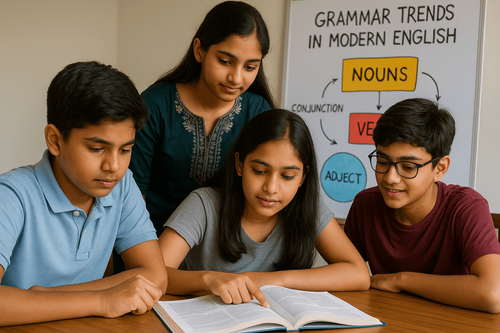

Table of Contents
- Emerging Grammar Trends in Modern English
- 1. Grammar in Creative and Online Content
- 2. The Rise of Informal Grammar in Daily Communication
- 3. Simplification and Flexibility in Sentence Structure
- 4. Influence of Technology and Digital Media
- 5. Global English and Cultural Impact
- 6. Inclusive and Gender-Neutral Grammar
- The Future of English Grammar
- How Social Media Is Changing English Grammar
- Why Modern Writers Break Grammar Rules
- The Role of AI in Shaping Writing Styles
- From Formal to Conversational: The Shift in Tone
- How Globalization Is Redefining English Usage
- Is Correct Grammar Still Important Today?
- Why Choose PlanetSpark?
- Conclusion
English grammar has never been static, it evolves with every generation, adapting to social, cultural, and technological changes. In today’s digital-first world, communication happens faster and across more platforms than ever before, influencing how people write and speak. From texting abbreviations and emojis to AI-assisted writing, modern tools have redefined what “correct” grammar looks like.
Globalization has also played a key role, with English becoming a shared language among people from different linguistic backgrounds, creating new variations and hybrid forms. Understanding these shifts is essential for effective communication in both personal and professional contexts, as it helps writers and speakers stay relevant, adaptable, and clearly understood in an ever-changing linguistic landscape.
Emerging Grammar Trends in Modern English
Modern English is evolving rapidly, influenced by digital communication and global culture. These emerging grammar trends reflect how language adapts to modern expression and convenience.
1. Grammar in Creative and Online Content
Creativity has redefined how grammar works in digital writing. Bloggers, marketers, and influencers often break traditional rules to engage readers and stand out online. Sentences may start with “And” or “But,” punctuation might be omitted for tone, and capitalization may vary for emphasis. These stylistic choices help capture attention and make writing feel authentic. However, balance is key—creativity should enhance meaning, not confuse readers. Successful writers know when to bend grammar for impact while keeping clarity intact. This modern approach celebrates flexibility, proving that grammar can evolve without losing its essence.
2. The Rise of Informal Grammar in Daily Communication
The digital age has blurred the lines between formal and informal grammar. With the rise of texting, social media, and online chatting, people now prioritize clarity and speed over strict grammatical correctness. Contractions like “gonna” or “wanna” are widely used, while emojis and GIFs have become part of written expression. Abbreviations such as LOL, BTW, and IMO are no longer limited to casual talks, they often appear in workplace messages and marketing content. The casual tone once reserved for friends has gradually made its way into professional communication, newsletters, and even advertisements, reflecting a more human, conversational style. This trend shows how language evolves to match modern communication habits, emphasizing connection over convention.
3. Simplification and Flexibility in Sentence Structure
Modern English favors simplicity and directness. Long, complex sentences have given way to short, snappy lines that are easier to read and understand. Punctuation rules are becoming more flexible, writers use dashes, ellipses, and even lowercase text for stylistic emphasis. Sentence fragments, once considered errors, are now acceptable in creative and online writing because they mirror natural speech and create impact. For instance, a phrase like “So true.” or “Not bad at all.” can convey strong emotion with minimal words. This shift toward brevity and fluidity highlights how grammar adapts to fast-paced communication and the growing preference for clarity over complexity.
4. Influence of Technology and Digital Media
Technology has become one of the biggest drivers of grammar evolution. Tools like Grammarly, ChatGPT, and autocorrect features influence how people construct sentences and choose words. Predictive text encourages brevity, while grammar checkers standardize writing patterns across users. Social media platforms like Twitter, TikTok, and Instagram have created new linguistic norms where character limits and hashtags shape sentence structure and punctuation. Even memes contribute to grammar trends, as humor and tone often depend on deliberate rule-breaking. As technology continues to evolve, it will keep shaping how we write, edit, and express ourselves in English.
5. Global English and Cultural Impact
English is now a global language, influenced by millions of non-native speakers. As it spreads across countries, it naturally absorbs local phrases, expressions, and grammatical structures. Variants like Indian English, Nigerian English, and Singaporean English have contributed unique words and sentence patterns to the global vocabulary. This linguistic blending has given rise to “Globish” a simplified version of English used for international communication. While it prioritizes mutual understanding over grammatical precision, it also showcases how language can adapt to diverse cultures. These global influences are reshaping grammar norms and promoting a more inclusive, universal version of English.
1. Help your child master modern English grammar with confidence, book a free demo class at PlanetSpark today!
6. Inclusive and Gender-Neutral Grammar
Modern grammar trends reflect growing awareness around inclusivity and gender sensitivity. The adoption of gender-neutral pronouns like they/them is now recognized in both spoken and written communication. Titles such as chairperson or firefighter replace gender-specific terms, ensuring respect for all identities. Organizations, media outlets, and academic institutions are also revising their style guides to reflect inclusive grammar. This shift is not just linguistic, it’s cultural, representing a move toward equality and diversity. By embracing gender-neutral language, English grammar becomes more reflective of modern values and social progress.
The Future of English Grammar
The future of English grammar is closely tied to technology and global connectivity. As artificial intelligence and writing assistants become more advanced, they will continue shaping how people use and perceive grammar. Tools like ChatGPT, Grammarly, and AI translators are already setting new standards for sentence structure, tone, and clarity. In the coming years, English is likely to become even more concise, context-driven, and adaptable to digital communication. At the same time, educators and linguists will focus on maintaining a balance between innovation and grammatical correctness, ensuring that creativity doesn’t come at the cost of clarity. The evolution of English grammar will remain ongoing, reflecting how humans, technology, and culture continue to influence one another in shaping modern communication.
How Social Media Is Changing English Grammar
Social media has become one of the strongest forces driving change in modern English grammar. Platforms like X (Twitter), Instagram, and TikTok encourage users to communicate quickly, creatively, and within character limits, leading to shorter sentences, fewer punctuation marks, and innovative spellings. Hashtags, abbreviations, and emojis often replace full phrases, making grammar more visual and expressive. For instance, “I can’t even 😭” conveys emotion without needing a complete sentence.
Over time, these casual forms of writing have influenced how people express themselves in blogs, ads, and even professional emails. Social media has also introduced new vocabulary and syntax, blending text, visuals, and tone in unique ways. While some argue that it weakens grammar, it actually shows how language adapts to new forms of communication — faster, simpler, and more expressive than ever before.
Want your child to speak and write fluently in English? Join PlanetSpark’s expert-led online classes now!
Why Modern Writers Break Grammar Rules
Modern writers intentionally bend or break traditional grammar rules to make their writing more engaging, relatable, and authentic. In blogs, advertisements, and digital storytelling, perfect grammar often takes a backseat to voice and emotion. Starting sentences with conjunctions like “And” or “But,” using fragments for emphasis, or skipping commas for a smoother flow are now accepted stylistic choices. These techniques mirror the rhythm of natural speech, making content sound more human and conversational. For example, a line like “And just like that, everything changed” feels more dramatic and real than a strictly correct version. Breaking rules also helps writers stand out in the crowded digital space, where attention spans are short and creativity matters. However, skilled writers know when and how to break grammar rules, not out of carelessness, but to enhance meaning and connection with their readers.
The Role of AI in Shaping Writing Styles
Artificial intelligence is playing a major role in redefining how people write and use grammar. Tools like Grammarly, ChatGPT, and QuillBot not only correct errors but also suggest stylistic improvements, sentence rephrasing, and tone adjustments. This influence has made writing more standardized, polished, and accessible to non-native speakers. However, it also introduces a subtle shift, as AI-generated suggestions often promote brevity, balance, and modern phrasing, the natural flow of human writing is gradually evolving. Writers now depend on AI for clarity and precision, leading to a new kind of hybrid grammar that blends machine-driven consistency with personal creativity. In education, business, and digital content creation, AI is shaping what is considered “good writing.” As these tools continue to learn from vast amounts of text, they will play an even bigger role in setting grammar and style trends for future generations.
From Formal to Conversational: The Shift in Tone
English writing has undergone a major transformation, from being strictly formal to embracing a more conversational and human tone. This change reflects how people actually speak in everyday life. In modern communication, phrases like “Let’s dive in” or “Here’s the deal” replace stiff introductions such as “In this article, we shall discuss.” Businesses, educators, and content creators now use a friendly tone to connect better with audiences and build trust. Even professional emails and brand messages often include contractions, humor, and emotional expressions to sound approachable. This shift doesn’t mean grammar is ignored, it means tone and clarity are prioritized over rigid correctness. The conversational style helps writers engage readers, simplify complex topics, and create a genuine connection, proving that modern grammar is as much about how you say something as what you say.
Build your child’s communication and grammar skills the fun way, enroll in a free PlanetSpark trial class!
How Globalization Is Redefining English Usage
Globalization has turned English into a shared global language and that has significantly reshaped its grammar and usage. With millions of non-native speakers communicating in English daily, the language is evolving to be simpler, more flexible, and easier to understand across cultures. Local variations such as Indian English, African English, and Filipino English bring unique vocabulary, idioms, and grammatical patterns that are now widely recognized and accepted.
For example, phrases like “kindly revert” or “do the needful,” common in Indian English, have gained global visibility. This blending of regional influences has given rise to a new form called Globish, a simplified, internationally understood version of English that prioritizes clarity over formality. As English continues to adapt globally, its grammar will keep evolving, reflecting cultural diversity and making communication more inclusive and accessible worldwide.
Is Correct Grammar Still Important Today?
Even with all the modern trends reshaping English, correct grammar still holds great importance. While flexibility and creativity are valued in today’s writing, clarity and credibility depend on a solid grammatical foundation. In academic, professional, and formal settings, proper grammar ensures precision and prevents misinterpretation. For example, a misplaced comma or incorrect tense can completely change a sentence’s meaning. However, what’s considered “correct” is slowly broadening to include new, accepted forms of modern English. The key is balance, knowing when to follow the rules and when to bend them for tone or impact. Skilled communicators adapt their grammar based on context, maintaining professionalism while keeping their writing engaging. In short, correct grammar isn’t disappearing, it’s simply evolving, becoming more flexible yet still essential for clear and effective communication.

Why Choose PlanetSpark?
“Grammar Trends in Modern English” highlights how language keeps evolving, from formal rules to conversational, global, and tech-driven styles. At PlanetSpark, we help children embrace this evolution by building strong grammar foundations while nurturing creativity, confidence, and expression through engaging learning experiences.
- Personalized Learning: PlanetSpark offers customized lessons that focus on grammar, vocabulary, and spoken English to suit every child’s pace and learning style.
- Interactive Sessions: Fun, activity-based online classes encourage students to practice modern English through storytelling, public speaking, and creative writing.
- Focus on Communication Skills: Lessons go beyond grammar drills, helping kids improve fluency, clarity, and confidence in both written and spoken communication.
- Practical Worksheets and Activities: Children learn grammar concepts through real-life examples, games, and interactive worksheets that make learning exciting.
- Expert Mentors: Certified educators guide students in understanding grammar, sentence structure, and modern writing trends while keeping learning fun.
- Flexible Learning: Online sessions let children learn from home at their convenience, building a strong command of modern English in an enjoyable and structured way.
Conclusion
Grammar in modern English is evolving faster than ever, shaped by technology, globalization, and changing communication styles. From social media slang to AI-powered writing tools, every new trend reflects how language adapts to the way people live and interact today. Yet, the essence of grammar remains the same: to bring clarity, meaning, and connection.
Understanding these shifts helps learners and writers express themselves more effectively while staying true to the core principles of good communication. The goal isn’t to abandon grammar rules but to use them wisely, balancing correctness with creativity. As English continues to grow and diversify, embracing modern grammar trends ensures that we not only speak the language but also speak it in the way the world now understands best.
Frequently Asked Questions
English grammar evolves as society, technology, and communication methods change. Digital platforms, global interactions, and new cultural expressions constantly influence how people write and speak.
It depends on the context. While formal grammar is best for academic or business settings, a conversational tone with mild informality is often effective in blogs, emails, and marketing content.
Common trends include using sentence fragments, gender-neutral pronouns, emojis for emotion, simplified punctuation, and conversational phrasing.
AI tools like Grammarly and ChatGPT help users write clearly and correctly but also influence writing style by promoting concise, readable, and balanced grammar structures.
Platforms like PlanetSpark make grammar learning interactive and fun. Through games, real-world exercises, and guided practice, kids develop both traditional grammar knowledge and modern communication skills.
Traditional grammar focuses on strict rules, structure, and correctness, while modern English grammar emphasizes clarity, tone, and natural communication. Today’s approach allows more flexibility — blending creativity with correctness to suit digital and conversational contexts.