
How to Teach Addition to Kids Through Objects |PlanetSpark
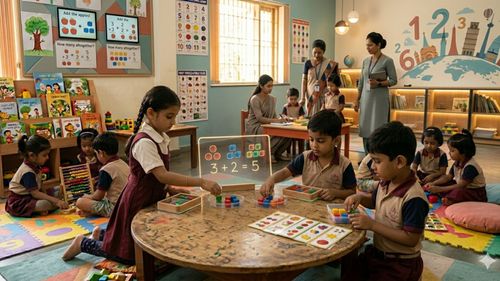

Table of Contents
- What is Addition? (Simple Explanation for Kids)
- How to Teach Addition to Kids Using Objects (Step-by-Step)
- Introducing PlanetSpark: Making Addition Learning Interactiv
- Why Teaching Addition Through Objects Works Best
- Different Types of Addition Methods for Kids
- Interactive Learning Activities at PlanetSpark for Teaching
- Fun Object-Based Addition Activities
- Kindergarten Addition Lesson Plan (Step-by-Step)
- Why PlanetSpark is Perfect for Kindergarten Addition Learnin
- Make Addition Fun and Meaningful With PlanetSpark
Teaching children math becomes easier when learning feels like play. One of the most effective ways to introduce numbers is by using real-life objects. When kids see, touch, and move items, they understand concepts faster. If you are wondering how to teach addition to kids, object-based learning is the perfect starting point.
This guide explains addition for kids using simple strategies, engaging activities, and classroom-friendly ideas. It also explores different types of addition methods, kindergarten addition lesson plans, and practical tips to help parents and teachers build strong math foundations. Along the way, you’ll also discover how PlanetSpark supports children in developing math thinking through communication-driven learning.
What is Addition? (Simple Explanation for Kids)
Addition means putting two or more groups together to find the total. It is one of the first math skills children learn.
For example:
- 2 apples + 3 apples = 5 apples
- 1 toy + 4 toys = 5 toys
This simple concept helps children understand counting, numbers, and problem-solving. When kids learn addition using objects, they visualize numbers clearly.
Addition includes:
- Counting objects together
- Combining groups
- Finding totals
- Solving simple problems
Understanding how to teach addition to kindergarten students starts with hands-on learning using objects they already know.
How to Teach Addition to Kids Using Objects (Step-by-Step)
Teaching addition using objects helps children understand numbers visually and practically. Hands-on learning builds confidence, improves counting skills, and makes math enjoyable. These step-by-step object-based methods simplify addition for beginners effectively.
Step 1: Use Real-Life Objects
Start with items children see daily:
- Fruits
- Toys
- Blocks
- Buttons
- Pencils
Example:
Place 2 pencils on the table. Add 3 more. Ask:
"How many pencils do we have now?"
Kids count all pencils and learn addition naturally. This is one of the simplest addition strategies for beginners.
Using familiar objects helps children connect math with real life. They understand combining groups easily. Visual learning improves counting accuracy, builds number sense, and makes addition engaging, interactive, and easier for beginners.
Step 2: Grouping Method
Create two groups of objects and combine them.
Example:
Group 1: 3 balls
Group 2: 2 balls
Combine both groups and count total.
3 + 2 = 5
This method helps children visualize combining sets.
The grouping method teaches children that addition means joining sets. Kids physically combine objects and count totals. This strengthens conceptual understanding, improves observation skills, and helps learners clearly visualize quantities and relationships.
Step 3: Counting On Method
This method helps kids add without recounting everything.
Example:
Start with 4 blocks
Add 2 more
Count: 4…5…6
This improves mental math and is useful for addition for kids.
Counting on helps children start from the first number and move forward. This reduces recounting, improves speed, builds confidence, and prepares learners for mental addition and advanced problem-solving skills.
Step 4: Finger Addition
Finger counting helps children understand numbers quickly.
Example:
Show 3 fingers
Add 2 fingers
Count total fingers.
This is ideal for how to teach addition to kindergarten students.
Finger addition is simple and accessible anywhere. Children use hands to visualize numbers. This method improves number recognition, counting ability, and helps kindergarten learners grasp additional concepts without needing extra materials.
Step 5: Object Line Method
Arrange objects in a line and add more.
Example:
Place 5 beads
Add 2 beads
Count total beads.
This builds visual clarity for kids.
The object line method organizes items clearly for counting. Children see numbers grow as objects are added. This structured visual arrangement improves accuracy, reduces confusion, and strengthens understanding of additional relationships.
Want your child to understand addition faster? PlanetSpark offers engaging classes using objects, storytelling, and speaking practice to make addition easy, interactive, and confidence-building for young learners.
Want your child to learn addition easily? Try PlanetSpark’s fun interactive learning sessions today.
Enrol in a Free Trial Class
Introducing PlanetSpark: Making Addition Learning Interactive for Kids
PlanetSpark provides interactive learning experiences that combine communication skills with academic concepts. Children learn addition through speaking, storytelling, and object-based activities, making math engaging, practical, and easier to understand.
PlanetSpark helps kids:
Interactive object-based addition learning
Children use real-life objects during activities, helping them visualize numbers and understand additional concepts clearly.
Guided speaking practice for math concepts
Students explain additional steps verbally, improving clarity, communication skills, and conceptual understanding simultaneously.
Story-based addition activities
Teachers use storytelling with objects to teach addition, making lessons engaging, relatable, and easy.
Confidence building through participation
Kids actively participate in discussions, which boosts confidence while solving addition problems independently.
Real-life addition practice
Children practice addition using daily-life examples, helping them apply math skills beyond classroom learning.
PlanetSpark combines communication and math learning, helping children master addition through interactive methods while building confidence, clarity, and strong foundational skills.
Why Teaching Addition Through Objects Works Best
Young children learn best through sensory experiences. Objects help them connect numbers with real life.
Benefits of object-based addition:
1. Makes Learning Visual
Children see numbers physically by combining objects. This visual experience helps them understand totals easily, reduces confusion, and builds strong number sense instead of memorizing abstract additional facts.
2. Builds Strong Foundations
Using concrete objects helps children grasp additional meaning clearly. They understand combining groups step-by-step, creating strong foundational skills that support future learning in subtraction, multiplication, and other math concepts.
3. Improves Counting Skills
Children count each object carefully while adding groups. This repeated counting practice strengthens number recognition, improves accuracy, and helps learners understand sequence, totals, and one-to-one correspondence.
4. Increases Engagement
Hands-on activities keep children actively involved in learning. Moving, touching, and arranging objects makes addition enjoyable, maintains focus, and encourages participation during lessons and practice activities.
5. Develops Logical Thinking
Combining different groups of objects helps children think logically. They analyze quantities, compare totals, and understand relationships between numbers, improving reasoning and early problem-solving skills.
This approach is especially useful for teaching addition to kindergarten learners who are still developing abstract thinking.
Looking for effective ways to teach addition to kids? PlanetSpark helps children learn through object-based activities, guided speaking, and storytelling, ensuring strong fundamentals and confident learning experiences.
Different Types of Addition Methods for Kids
Different types of addition methods help children learn using visuals, objects, and real-life situations. These approaches support various learning styles, improve understanding, and make addition interactive, engaging, and easier for beginners.
1. Object Addition
Using physical items to combine groups.
Object addition uses real items like toys or fruits. Children combine groups physically, count totals, and understand addition meaning clearly, strengthening conceptual understanding and improving hands-on learning.
Struggling to teach addition? PlanetSpark helps kids learn through interactive activities and storytelling.
Free Class Available Today
2. Picture Addition
Using drawings or images.
Example:
🍎🍎 + 🍎🍎🍎 = ?
Picture addition replaces objects with drawings. Children count images and combine groups visually. This method builds number recognition, supports visual learners, and helps transition from concrete objects to abstract numbers.
3. Number Line Addition
Jump forward on the number line.
Number line addition helps children move forward while counting. They start from one number and jump ahead, improving counting skills, number sequence understanding, and early mental addition abilities.
4. Finger Addition
Using hands to count totals.
Finger addition allows children to use hands for counting. They raise fingers to represent numbers, combine totals, and understand addition concepts quickly without needing additional learning materials.
5. Story-Based Addition
Using real-life situations.
Example:
You have 2 candies. Mom gives 3 more. How many now?
Story-based addition connects numbers with daily situations. Children imagine scenarios, combine quantities, and find totals, improving comprehension, engagement, and ability to apply addition in real life.
These addition strategies make learning interactive and easy.
Interactive Learning Activities at PlanetSpark for Teaching Addition
PlanetSpark classes include engaging math-based communication activities that combine speaking, storytelling, and object-based learning. These interactive methods help children understand addition concepts clearly while building confidence and participation.
Show and Tell Addition
Kids show objects and create addition problems. PlanetSpark teachers guide discussions, helping children explain totals clearly while improving speaking confidence and understanding of combining groups.
Story-Based Math
Children create stories using numbers.
Example:
"I had 2 cars. My friend gave me 3 cars."
PlanetSpark uses storytelling to connect addition with real-life situations and strengthen conceptual clarity.
Visual Learning Sessions
Kids use props during learning. PlanetSpark encourages object-based demonstrations, helping children visualize addition and understand number relationships through interactive activities.
Speaking Practice
Children explain addition answers. PlanetSpark focuses on verbal reasoning, helping students describe steps, build confidence, and improve logical thinking during addition learning.
These activities show how PlanetSpark helps children understand how to teach addition effectively.
Want to make addition learning exciting for your child? PlanetSpark uses hands-on activities, real-life objects, and storytelling to teach addition while improving confidence, participation, and conceptual understanding.
Fun Object-Based Addition Activities
Fun object-based addition activities help children learn by playing with familiar items. These hands-on exercises improve counting skills, strengthen understanding, boost engagement, and make addition practice enjoyable and meaningful.
Activity 1: Toy Basket Addition
Put toys in two baskets.
Basket 1: 3 toys
Basket 2: 4 toys
Combine and count.
Want confident learners? PlanetSpark helps kids master addition while improving speaking skills naturally.
Book a Free Demo Class Now
Activity 2: Snack Time Addition
Use biscuits or fruits.
Example:
2 biscuits + 1 biscuit = ?
Kids enjoy learning through food.
Activity 3: Block Tower Addition
Build two towers.
Tower 1: 4 blocks
Tower 2: 3 blocks
Combine towers and count.
Activity 4: Button Addition Game
Give colorful buttons.
Add different groups.
Kids count and write totals.
Activity 5: Pencil Addition
Place pencils on the desk.
Add more pencils.
Count total.
These activities help teach addition effectively.
Kindergarten Addition Lesson Plan (Step-by-Step)
A structured kindergarten addition lesson helps children learn gradually using simple activities. Step-by-step teaching builds confidence, strengthens counting skills, and ensures students understand addition concepts through guided practice and fun learning.
Step 1: Warm-Up Counting
Count objects from 1 to 10.
Begin the lesson with counting familiar objects like blocks or toys. This warm-up refreshes number recognition, improves sequencing skills, and prepares children for combining groups during addition activities.
Step 2: Introduce Addition
Combine two small groups.
Show two small groups of objects and combine them. Children observe how totals increase, helping them understand addition meaning and visualize combining quantities clearly.
Step 3: Guided Practice
Use objects for examples.
The teacher demonstrates addition using objects while students follow along. Guided practice supports learning, corrects mistakes immediately, and helps children understand addition steps confidently.
Step 4: Independent Practice
Children solve addition using objects.
Students practice addition independently with objects. This reinforces understanding, improves counting accuracy, builds confidence, and allows children to apply addition concepts on their own.
Step 5: Fun Game
Addition race with toys.
End the lesson with an addition game using toys. Children solve problems quickly, encouraging participation, improving speed, and making learning enjoyable while reinforcing addition concepts.
This kindergarten addition lesson keeps learning structured.
Why PlanetSpark is Perfect for Kindergarten Addition Learning
PlanetSpark builds foundational learning skills by combining communication, interactive teaching, and concept-based activities. Children learn addition through engaging sessions, helping them understand numbers clearly while building confidence and speaking abilities.
Interactive Classes
PlanetSpark offers interactive sessions where children actively participate in addition activities. Teachers ask questions, encourage discussions, and involve students in object-based tasks to improve engagement and understanding.
Object-Based Learning
PlanetSpark uses real-life objects like toys and props during lessons. This helps children visualize numbers, combine groups, and understand addition concepts through practical hands-on learning experiences.
Visual Demonstrations
Teachers use visual aids such as pictures, drawings, and props. These demonstrations help kindergarten learners see addition clearly, improving number sense and strengthening conceptual understanding.
Confidence Building
PlanetSpark encourages children to explain answers aloud. Speaking during addition activities builds confidence, reduces hesitation, and helps students participate actively in learning.
Communication-Focused Teaching
PlanetSpark integrates communication with math learning. Children describe steps, explain totals, and share reasoning, improving both addition understanding and speaking skills simultaneously.
Fun Math Storytelling
Story-based addition activities help children connect numbers with real-life scenarios. This makes learning enjoyable and improves comprehension of combining groups.
Structured Learning Approach
PlanetSpark follows step-by-step learning methods. Lessons begin with objects, move to visuals, and then introduce numbers, ensuring children understand addition gradually.
PlanetSpark helps children develop strong fundamentals in teaching addition to kindergarten. Kids learn addition while improving speaking skills, making learning holistic.
Make Addition Fun and Meaningful With PlanetSpark
Teaching addition becomes easy when children use objects. Hands-on learning helps kids understand numbers naturally. Start with simple groups, use real-life items, and gradually introduce numbers.
If you are wondering how to teach addition to kids, object-based learning combined with communication is the best approach. PlanetSpark enhances this process by helping children explain, think, and learn confidently.
With interactive activities, storytelling, and guided learning, PlanetSpark ensures children master addition for kids concepts while developing communication skills. Start early, use fun activities, and help kids build strong math foundations for lifelong learning.
Also Read:
Mental Models Students Can Use for Academic Success | PlanetSpark
Three Letter Words in English for Kids with Examples and List
Frequently Asked Questions
The best way to teach addition to kids is using real-life objects like toys, fruits, and blocks. Hands-on activities help children combine groups, count totals, and understand addition concepts visually and practically.
Start teaching addition to kindergarten students with counting activities, then combine small groups of objects. Use visuals, finger counting, and simple stories to help children understand totals gradually and build confidence.
PlanetSpark uses interactive communication-based learning where children explain addition using objects, storytelling, and real-life examples. This improves conceptual clarity, builds confidence, and helps kids understand addition through engaging activities.
PlanetSpark combines speaking practice, visual learning, and object-based activities to teach addition. Children participate actively, explain answers, and develop strong math foundations while improving communication and problem-solving skills.