
Reduce Maths Anxiety with Simple Steps | PlanetSpark


Maths anxiety is a common challenge many children face, often making numbers, sums, and problem-solving feel overwhelming. This feeling of fear or stress can arise during maths lessons, homework, or tests, making kids feel nervous even before they start. Instead of curiosity, they may feel uncertainty or frustration. Over time, this can affect how confidently they approach learning and their own abilities. But don’t worry, reducing maths anxiety is possible with the right steps.
In this article, we’ll explore what is maths anxiety, its symptoms and signs, and why it develops in children. We’ll share how to reduce maths anxiety with simple daily strategies, practical examples, and expert tips on how to help kids with maths anxiety. Coping with math anxiety becomes easier when the right tools are used, and PlanetSpark’s approach helps kids tackle problems confidently and without stress.
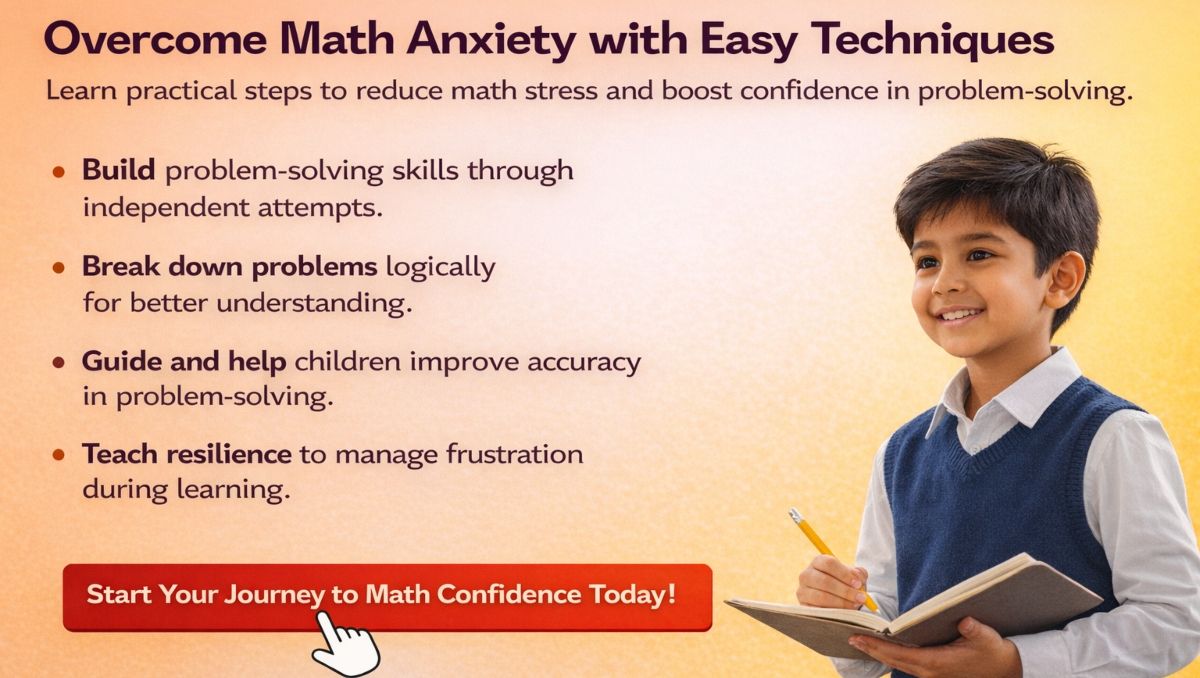
Common Causes of Maths Anxiety in Kids
Understanding maths anxiety starts with recognizing its causes. When children face challenges without clarity, small problems can grow. Early recognition allows adults to guide children, making math feel more manageable.
Fear of Making Mistakes: Children avoid math problems due to fear of being wrong, leading to math anxiety symptoms like skipping steps or leaving answers incomplete.
Pressure to Perform Well in Tests: Test stress increases math anxiety symptoms, causing children to rush or blank out. This shifts focus from learning to worrying about scores.
Past Negative Learning Experiences: Previous struggles with math can develop into maths anxiety, making new topics seem harder than they are.
Comparing Themselves with Peers: Constant comparison to classmates increases math anxiety and causes children to feel self-doubt, making them withdraw instead of seeking help.
Recognizing these signs early helps in how to reduce math anxiety and guide kids toward a more confident approach to learning. By addressing the root causes of maths anxiety, parents and teachers can equip children with strategies to overcome their fear and frustration.
Effective Techniques to Overcome Math Anxiety
Overcoming math frustration is a goal every parent or teacher strives for, as it can significantly impact a child’s attitude toward learning. If your child struggles with math anxiety, these techniques can help them overcome frustration and develop a more confident approach to math. By identifying the root causes and offering the right support, you can transform their learning experience.
Identify and Fill Learning Gaps
Understanding the basics is key to tackling advanced concepts. If your child struggles with math anxiety symptoms like confusion or frustration, start by reviewing earlier topics. Use quizzes or past assignments to find the areas they may have missed. For instance, if fractions are causing problems, revisit simpler concepts like division and multiplication.
Help your child overcome maths anxiety with confidence-building steps that reduce fear and improve focus. Book a free demo today!
Encourage a Growth Mindset
Teach children that mistakes are part of the learning process. Instead of focusing solely on correct answers, praise their effort. Remind them that practice and perseverance lead to improvement. When kids understand that their abilities can grow, coping with math anxiety becomes easier.
Use Visuals and Step-by-Step Solutions
Make math more accessible by incorporating visual tools like diagrams and color-coded notes. For example, when solving a word problem, draw a picture to represent the situation. Breaking down complex problems into smaller, manageable steps helps reduce math frustration and builds confidence.
Break Down Problems into Smaller Parts
Rather than overwhelming your child with a full problem at once, help them tackle each stage individually. For example, when solving a word problem like "Find the area of a rectangle," break it into smaller steps: 1) Identify the formula, 2) Plug in the numbers, 3) Solve the equation.
Celebrate Progress, Not Just Correct Answers
Recognize and reward effort, persistence, and even small wins. If your child solves a challenging problem, say, “I noticed you worked hard to solve that!” This positive reinforcement helps them see improvement and reduces the pressure they feel to get everything right.
Reduce Performance Pressure
Create a calm and non-judgmental environment where your child can think through problems at their own pace. Avoid comparing them to others and emphasize that math is about personal growth, not competition. This approach encourages coping with math anxiety and reduces feelings of inadequacy.
Make Math Fun and Relevant
Incorporate math into everyday activities to make it feel more practical. For example, you could use shopping lists to teach budgeting or cooking to explain fractions and measurements. Math games and puzzles are also great tools to engage kids and make learning enjoyable.
By consistently applying these strategies, you can help your child overcome math frustration and develop the skills needed to confidently approach math challenges.
Sample Activities & Examples to Reduce Math Anxiety
Math anxiety can often make children feel overwhelmed or hesitant when approaching math tasks. However, incorporating fun and interactive activities into their learning routine can help them overcome these fears and build confidence.
By making math engaging and relevant to their everyday lives, children can develop a more positive relationship with the subject. Here are some effective activities and examples to help reduce math anxiety and turn learning into an enjoyable experience.
Math Card Games
Use a standard deck of playing cards to create fun and engaging math challenges. For example, draw two cards at a time and add the values together. The first person to call out the correct sum wins the round. You can also challenge your child to a race where they must quickly solve addition or subtraction problems based on the cards drawn.Example: Draw two cards, a 7 and a 9. The task is to add them together: 7 + 9 = 16. The goal is for your child to answer as quickly as possible, turning math into a fun.
Kitchen Math
Turn cooking into a learning experience by involving your child in measuring ingredients for a recipe. This hands-on approach helps reinforce basic math concepts like fractions, measurements, and addition. For example, if a recipe calls for 3/4 cup of sugar and your child needs to measure 1/4 cup three times, they will practice adding fractions.Example: To make 3/4 cup, your child measures 1/4 cup three times. This not only practices fractions but also engages them in real-world math applications.
Praise Script
Positive reinforcement helps build confidence and reduces math anxiety. Use encouraging phrases to motivate your child when they try new methods or successfully complete a math task.Example: “You tried a new method today—that’s a great way to learn!” By celebrating effort and persistence, you boost their morale, making them feel more comfortable tackling challenging math problems.
These activities not only make math less intimidating but also create opportunities for practical learning and positive reinforcement. By fostering a more engaging and supportive environment, children can tackle math with confidence and reduce the impact of math anxiety.
Maths anxiety doesn’t have to hold your child back. Learn practical steps that support emotional balance, focus, and confidence during maths learning. Take a free demo from PlanetSpark today!
How Maths Anxiety Affects Learning and Confidence?
Math anxiety is a major issue, but how much of a challenge is it for teachers and students? The image below, based on a recent survey, highlights the degree to which math anxiety affects students from a teacher's perspective.
As shown in the graph, a significant portion (46%) of teachers report that math anxiety affects their students a lot, while 29% say it affects them somewhat. Interestingly, only 23% of educators feel it impacts their students a little, and just 2% report that it has no effect at all.
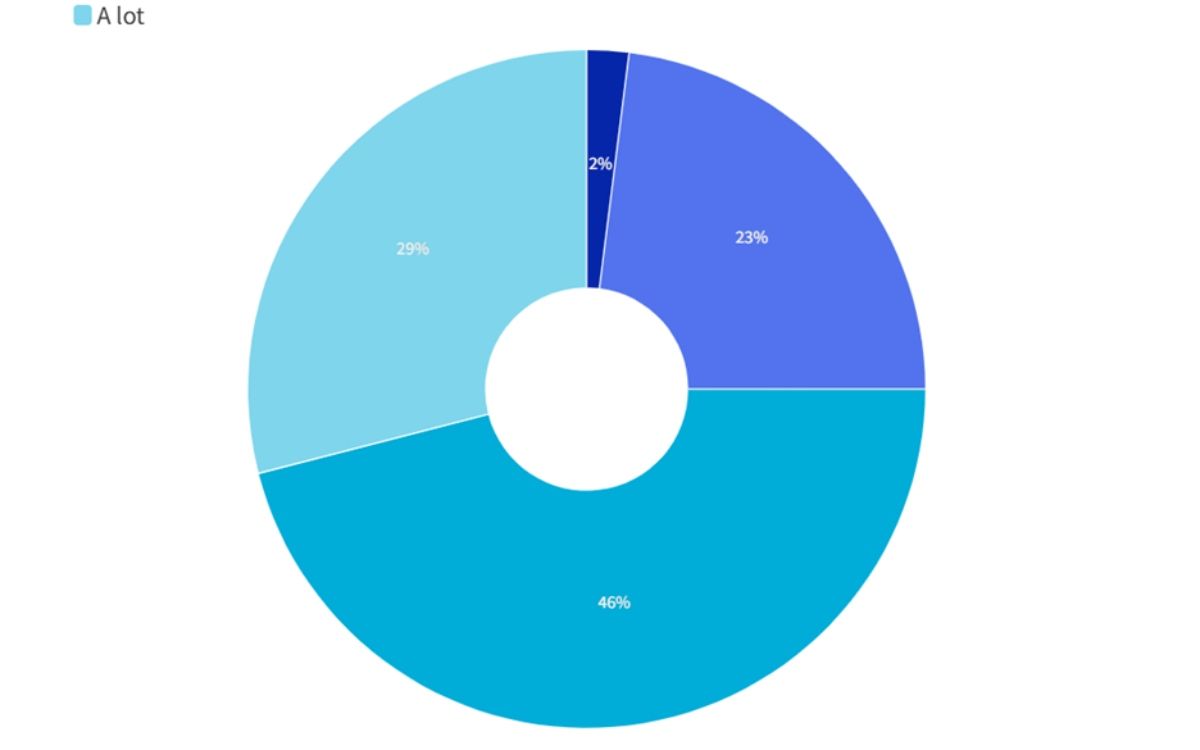
This data illustrates the widespread presence of math anxiety and underscores the importance of finding effective strategies to help students cope. Whether it’s through building a growth mindset, using visual aids, or reducing performance pressure, these actionable steps can be invaluable in mitigating the challenges that math anxiety brings.
One such approach that’s been proven effective in helping children overcome these challenges is the method implemented by PlanetSpark.
How PlanetSpark Helping Children Overcome Maths Anxiety?
PlanetSpark supports children by changing how they experience learning, especially when maths feels difficult. Instead of focusing only on answers, the learning process is organised around understanding each step clearly. Lessons follow a structured flow, so children know what to do first and what comes next.
Therefore, this removes confusion during problem-solving and helps children to stay engaged. With regular guidance and feedback, children practise consistently and improve gradually. Over time, this approach allows them to handle maths tasks more independently, without fear or avoidance, and builds steady learning habits that support long-term progress.
Confidence-First Learning Approach
PlanetSpark begins by helping children attempt questions without hesitation. Learners are encouraged to try solutions independently before receiving guidance. This approach allows children rely on their own thinking. Over time, repeated attempts strengthen belief in their ability to handle maths tasks step by step.
Step-by-Step Concept Clarity Without Pressure
PlanetSpark focuses on breaking problems into clear stages, so children follow methods logically. Therefore, how to help kids with math anxiety includes explaining why each step works rather than rushing answers. This clarity reduces confusion and allows children to apply methods correctly across different question types.
Supportive Mentors and Guided Practice
Mentors guide children through practice by observing how they solve problems. Instead of correcting immediately, they ask questions that prompt thinking. This guided approach helps children recognise errors, resolve issues step by step, and complete tasks independently, improving accuracy and consistency over time.
Building Emotional Strength Along with Academic Skills
PlanetSpark helps children handle frustration during learning by teaching structured ways to respond to difficulty. Therefore, coping with math anxiety improves as children learn to pause, review steps, and continue working. These habits strengthen emotional control while supporting steady academic progress.
Conclusion
It is very natural that some children hesitate before starting maths work. Parents need to understand their fear and motivate them to overcome this unnecessary math avoidance. Fear of math often grows when learning feels confusing or rushed. With the right approach, children can learn to handle maths tasks step by step and improve steadily.
At PlanetSpark, learning feels supportive and stress-free with expert-led guidance that helps children overcome maths anxiety. Begin your child’s confidence journey with PlanetSpark now.
PlanetSpark supports this journey by offering structured lessons, clear explanations, and guided practice. By addressing maths anxiety through organised learning and consistent support, PlanetSpark helps children build stronger habits, clearer thinking, and better learning confidence over time.
Frequently Asked Questions
Math anxiety means feeling worried or uncomfortable while working with numbers. It can make children hesitate, rush answers, or avoid maths tasks even when they understand the basics.
Common signs of math anxiety include avoiding maths homework, negative self-talk, forgetting steps, frequent checking, or showing frustration during problem-solving activities at school or home.
Parents can reduce anxiety by setting regular practice times, encouraging step-by-step thinking, and discussing mistakes openly. Clear explanations and steady routines help children feel more prepared and willing to try.
Yes, maths anxiety can affect overall confidence. When children struggle repeatedly, they may doubt their abilities in other subjects and hesitate to participate in learning activities.
PlanetSpark supports children through structured lessons, clear explanations, and guided practice. Mentors help children understand steps properly, correct mistakes thoughtfully, and develop steady learning habits.
Yes, PlanetSpark addresses both learning behaviour and emotions. By teaching structured responses to difficulty, coping with math anxiety improves alongside academic understanding and consistent practice.