
NCERT Solutions for Class 11 Woven Words Chapter 11
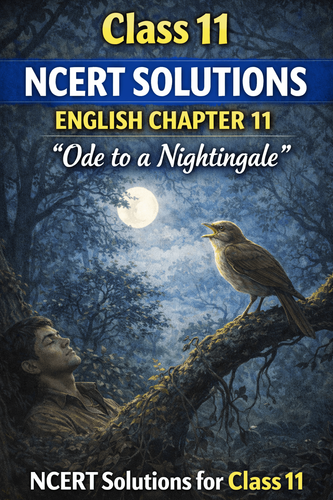

NCERT Solutions for Class 11 English Chapter 11 Ode to a Nightingale – complete answers & explanations
This NCERT solutions blog for Class 11 English Chapter 11 Ode to a Nightingale is designed to help students understand the poem in a clear, structured, and exam-oriented manner. Written by John Keats, the poem is one of the greatest Romantic odes exploring themes of beauty, mortality, imagination, and the fleeting nature of happiness. Through rich imagery and sensuous language, Keats contrasts the immortal song of the nightingale with the transient suffering of human life. These solutions strictly follow the latest NCERT textbook (Woven Words) and present answers in the exact order of the exercises without adding or omitting any question.
What this NCERT chapter covers?
1. Romantic imagination and escapism
2. Contrast between mortality and immortality
3. Human suffering and transience
4. Symbolism of wine and imagination
5. Elusive nature of happiness
6. Literary devices and sensuous imagery
7. Poetic form – the ode
How to use these NCERT solutions?
1. Read each stanza carefully and
observe tonal shifts
2. Identify sensuous imagery related to sound, sight, and taste
3. Understand the contrast between the bird and human life
4. Attempt answers independently before checking
5. Revise key quotations for long-answer questions
Important tips & tricks for students
1. Focus on imagery and symbolism
2. Quote short poetic phrases in answers
3. Understand Romantic ideals of beauty and imagination
4. Write structured analytical answers
5. Note the shift from ecstasy to despair in the final stanza
NCERT Solutions – Complete Answer Key
Look for these words and guess their meanings from the context
hemlock – A poisonous plant
deep-delved earth – Deeply dug earth
forlorn – Lonely and abandoned
beechen green – Green area filled with beech trees
deceiving elf – Imagination that tricks or misleads
plaintive anthem – Sad and mournful song
UNDERSTANDING THE POEM
1. How does the nightingale’s song plunge the poet into a state of ecstasy?
The nightingale’s melodious and effortless singing fills the poet with overwhelming joy. The music makes him forget worldly sorrow and transports him into a state of imaginative escape and ecstasy.
2. What are the unpleasant aspects of the human condition that the poet wants to escape from?
The poet wants to escape weariness, sickness, old age, sorrow, despair, and the inevitability of death. He refers to youth growing pale, beauty fading, and humans groaning in suffering.
3. What quality of ‘beauty’ and ‘love’ does the poem highlight?
The poem highlights the temporary nature of human beauty and love. Beauty fades with time, and love cannot remain eternal. In contrast, the nightingale’s song symbolises lasting beauty.
4. How does the poet bring out the immortality of the bird?
The poet declares that the bird was “not born for death.” Its song has been heard by generations—by emperors and clowns alike. The nightingale’s music transcends time, symbolising immortality.
5. How is the poet tossed back from ecstasy into despair?
The word “forlorn” brings him back to reality. The fading of the bird’s song breaks his imaginative escape. He questions whether the experience was a dream or reality, ending in uncertainty and despair.
6. How does the poem bring out the elusive nature of happiness in human existence?
Happiness appears briefly through imagination and the bird’s song but cannot be sustained. The poet’s joy fades as reality intrudes, showing that human happiness is temporary and elusive.
TRY THIS OUT
1. The poet has juxtaposed sets of opposites like numbness pains, waking dream. How does this contribute to the poetic effect? What is this figure of speech called? List other such pairs.
The contrast intensifies emotional tension and highlights the blurred boundary between reality and imagination. This figure of speech is called Oxymoron.
Examples:
- numbness – pains
- waking – dream
- pleasure – pain
2. The poet has evoked the image of wine—why has this image been chosen?
Wine symbolises escape, intoxication, and imaginative transport. It represents the poet’s desire to forget suffering and merge with the world of beauty and art.
3. The senses of sound, sight and taste are evoked in the poem. Locate instances of these.
Sound – “Singest of summer in full-throated ease,” “plaintive anthem”
Sight – “beechen green,” “shadows numberless,” “purple-stained mouth”
Taste – “draught of vintage,” “blushful Hippocrene”
4. The poet addresses the nightingale and talks to the bird throughout the poem. What is this kind of poem called?
It is called an Ode.
5. Make a list of all the adjectives in the poem along with the nouns they describe. List the phrases that impressed you most.
Examples:
drowsy numbness
melodious plot
beechen green
full-throated ease
blushful Hippocrene
plaintive anthem
immortal bird
sad heart
(Students may expand the list directly from the text.)
6. Find out the other odes written by Keats and read them.
Examples include:
Ode on a Grecian Urn
Ode on Melancholy
Ode to Autumn
7. Find out the odes written by Shelley and read them.
Examples include:
Ode to the West Wind
To a Skylark
SUGGESTED READING
1. The complete version of ‘Ode to a Nightingale’ by John Keats
2. ‘Ode to the West Wind’ by P.B. Shelley
Why NCERT solutions help students?
NCERT solutions help students understand Romantic poetry, symbolism, and literary devices with clarity. Structured and textbook-aligned answers improve analytical skills and examination performance.
Deepen your appreciation of Romantic poetry with expertly structured NCERT solutions.