
Academic Performance and Achievements of Students


Table of Contents
The academic performance of students refers to the measurable outcomes of their learning efforts, typically measured through grades, test scores, and the completion of educational milestones. It reflects how effectively students master knowledge, skills, and competencies in school or university settings. Strong academic performance not only boosts confidence but also opens doors to future opportunities, such as scholarships and career paths.
This comprehensive guide by PlanetSpark explores the nuances of academic performance, from definitions and examples to influencing factors and proven strategies for improvement.
What is Academic Achievement?
Academic achievement is the extent to which a student attains short- or long-term educational goals, often measured by grades, standardised tests, or certifications. It goes beyond raw scores to include skill development, such as critical thinking and problem-solving. According to some educational researchers, academic performance includes students’ performance in exams, along with continuous assessment results, class participation, assignments and project work. Thus, academic achievement is not just about a single exam; it reflects consistent performance over time.

Difference Between Academic Performance and Academic Achievement
The academic performance of a student refers to how well the student does in studies right now. It can be seen in daily classwork, tests, homework, and exams. For example, scoring 85% in the class test.
On the other hand, academic achievement is what a student has completed over time. It shows the long-term success, like finishing a class or a degree. For example, passing class 12 with good grades.
Examples of Students' Academic Achievement
Here are some examples of academic achievement by students.
- Scoring good marks in the school final exam or any other test (e.g. scoring 90% or above in maths, science, language).
- Achieving a good GPA OR CGPA across semesters or school years.
- Consistently performing well in class assignments, projects, or continuous assessments.
- Gaining school-level or district-level recognition or awards such as “Highest Getter in Maths” or “Highest Scorer in Olympiad”, etc.
- Getting improvement over time. For example, started getting good marks after previously poor performance, reflecting positive efforts.
These are some of the achievement that shows good academic performance throughout the year
Factors Affecting Students’ Academic Achievement
In schools, achievement depends on personal effort, home support, and classroom environment. Smart study habits like daily revision help, but low motivation from bullying drops scores. Family background matters; kids with quiet study spaces perform better than those in crowded homes. Teachers' teaching style affects results, i.e. fun activities raise engagement, while strict rote learning causes stress. Health factors like skipping breakfast lead to poor focus in class. Peer pressure can push group studying positively or distract them negatively.
Student Level Factor Affecting Academic Performance
- Students with higher intellectual ability often find it easier to understand complex concepts. Although intelligence alone does not contribute to guarantee high achievement.
- The motivation to learn, self-discipline, and the ability to overcome difficulties strongly influence performance. Studies have found a link between resilience (the ability to overcome difficulties) and high academic success.
- Regular study, revision, and use of effective learning strategies, along with time management, have helped boost academic results.
- Physical, mental health, and emotional stability also contribute to better focus and performance.
- Students who find study topics interesting often engage actively in learning and tend to do better than those who study only for grades.
Family Factors Affecting Academic Performance
- Parents who value education always encourage reading, help with homework and assignments, and create a supportive home-learning environment for fostering better achievement.
- Students from an economically better background have access to better learning resources like books, the internet, private tuitions, and quiet study spaces, which help in improving their performance.
- Emotional support, regular monitoring, and guidance from parents also help in achieving good results.
School and Teacher-Related Factors Affecting Academic Performance
- The quality of teachers and teaching methods affects the academic performance and achievement of the student. Skilled teachers, teaching styles, interactive classes, and clarity in explanation help students learn better.
- Availability of libraries, labs, learning materials, and a supportive environment also boosts academic performance.
- Good and positive peer interactions, collaborations, healthy competitions, and supportive classmates encourage learning. Whereas negative peer pressure or distractions can hinder performance.
How to Improve the Academic Performance of Students
Schools improve performance by setting clear daily goals, like finishing math worksheets before playtime. Short study sessions of 25 minutes with 5-minute breaks prevent tiredness. Teachers track progress with weekly quizzes, adjusting lessons for weak areas. Parents help by checking bags nightly and praising small efforts, like neat handwriting. Schools introduce fun tools like educational games on tablets for math practice. Regular parent-teacher meetings spot issues early, like reading gaps in grade 2. Combining play and study, such as learning through sports team roles, sharpens teamwork and focus for better grades.
- Develop good study habits and routines by setting a daily timetable for study, revision, and homework.
- Encourage motivation and resilience. Teach students to see mistakes as learning opportunities, not failures.
- Make balanced involvement in extracurricular activities. Encourage sports, arts, and clubs as these help build discipline, time-management, teamwork, and reduce stress, all of which support academic performance.
- Create a supportive home-learning environment. Provide learning resources like books, stationery, the internet, and reference materials.
- Ensure good health and a balanced lifestyle. Prioritise good sleep, healthy food, and exercise.
- Engage with teachers and school resources. Do not hesitate to ask for help, clarification or extra guidance from the school. Also, using libraries, labs, study groups, and after-school doubt-clearing classes helps.
Unlock your child’s true academic potential with PlanetSpark today!
Strategies for Better Academic Achievement and Results
Strategy 1: Goal Setting and Planning
- At the start of each term, set clear academic goals.
- Break down the assigned goals into monthly and weekly targets.
- Maintain and keep a planner or timetable. Check off daily tasks such as reading, assignments, exam preparation and revision.
Strategy 2: Study + Activity (Balanced Schedule)
- Avoid overloading with studies. Include time for recreation, hobbies, exam preparation, and rest.
- Maintain a balanced schedule as it keeps motivation high and reduces burnout.
Strategy 3: Self Assessment and Regular Feedback
- After each test or assignment, review mistakes for understanding why errors are happening and focus on improving the areas.
- Self-evaluate learning.
Strategy 4: Parents and Teachers Collaboration
- Parents and teachers must communicate about the child’s progress. If a child struggles in academic areas, collaborate to provide support.
- Do not always create pressure for marks. Celebrate improvement, not just final scores.
Strategy 5: Emotional and Mental Well-being
- School and parents must nurture resilience, self-esteem, and a positive attitude.
- Encourage a growth mindset.
- Help in managing stress, exam anxiety, and a safe space for children to express their concerns and worries.
Role of Parents in Improving the Child's Academic Achievement
Parents play a vital role in improving a child’s academic journey. The support of parents and their involvement significantly improves a child’s performance.
- Parents create home routines, like a quiet corner with books and a lamp for evening study. Read stories nightly to spark love for learning from kindergarten. Avoid scolding low marks; discuss "what to try next" instead.
- Attend school events to understand teachers' views. Provide fruits and water during study time. Play educational board games on weekends to blend fun with skills.
- Limit TV to reward good days, encouraging self-control. Praise effort over talent: "Great job practising piano daily!"
- Provide resources and opportunities such as books, internet access, libraries, tutors if needed, exposure to educational materials, and extra-curricular activities.
- Be involved in learning by helping with homework, asking about school, discussing what they learned, and encouraging reading habits outside of school books.
Role of Teachers in Improving the Child's Academic Achievement
- Teachers design interactive lessons, like group math puzzles, to engage all students. Give personal feedback: "Your essay structure improved, just add more examples next."
- Spot shy and introvert kids and pair them for projects.
- Use praise boards for weekly toppers, motivating classes. Adapt for slow learners with extra worksheets. Organise doubt-clearing hours post-school.
- Build bonds through story sessions, fostering trust for open questions. Track class averages to tweak teaching yearly.
- Recognise when a student struggles, offer extra help, provide guidance on study strategies, encourage good habits and discipline.
Strong academic performance stems from daily school habits, family backing, and teacher guidance, turning average students into stars. Schools succeed when all roles align for consistent progress.
Tips to Boost Students' Academic Performance
- Make a study schedule and maintain it every day.
- Use active learning methods like summarising, self-testing, discussion, revision, etc.
- Review your studies every day. Do not wait for the last minute to revise.
- Break the task into smaller parts to manage it more easily.
- Get enough sleep, eat well and stay healthy.
- Set small goals and track progress.
- Seek help from parents, teachers, and peers when struggling.
- Peer study helps to revise.
- Balance academics with hobbies and extra-curricular activities.
Challenges & Common Obstacles
Despite working hard and putting in the best effort, many students struggle with academic performance.
- Poor study habits and a distracted mind
- Lack of motivation and interest in the subject
- Stress, exam pressure, and anxiety
- Unfavourable home environment
- Poor quality of teaching
- Physical and mental issues
- Overburdened schedules
Parents must recognise these obstacles in the first place, as with support and consistent effort, all of these hurdles can be overcome.
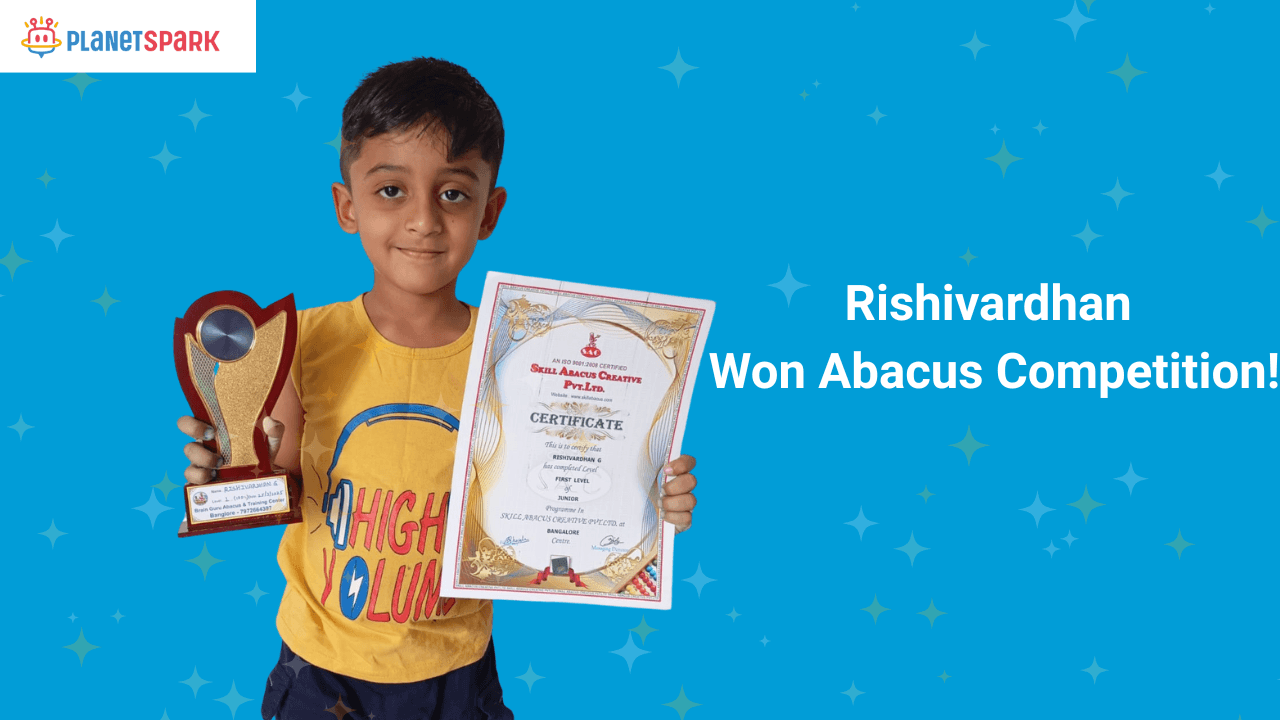
With stronger focus and confidence from PlanetSpark, Rishivardhan won his abacus competition.
Let your child be the next success story — start their learning journey today!
Develop Personality and Academic Results with PlanetSpark
PlanetSpark focuses on building effective study skills from the core by developing confidence, discipline, leadership, and intelligence. The courses of PlanetSpark go beyond academics to help every student manage their time better, enhance their study skills, communicate effectively, & stay motivated.
- 1:1 Coaching from Experts- Every child at PlanetSpark gets personal attention from certified and industry-expert trainers for gaining personality development for academics, such as effective study skills. They guide students to use the right procedures to study, provide tricks to learn a topic or subject, memorising strategies, etc. This makes them feel confident and natural by boosting their academic confidence.
- Wide Curriculum- The lessons at PlanetSpark cover a range of topics, including time management, note-taking techniques, memory techniques, reading skills, exam preparation skills, stress management, mindset training, critical thinking and problem-solving, presentation and communication skills, etc. All of this helps students get skilled up by improving their study skills.
- TED-style Training Modules- Students at PlanetSpark practice delivering powerful speeches, such as TEDx speakers, by using the “hook, message, story, call to action” model, which is crucial for developing effective communication skills.
- Practice with Global Leaders- The students are given an opportunity to speak with peers from over 13 countries through group discussion, storytelling, debating, etc, on various academic topics. This practice helps them to understand the way to figure out how they study and brings confidence in their academics.
- Video-based Feedback and Growth- Children get the chance to watch recordings of their performances. With feedback from experts, they learn to take corrective action to improve their skills and techniques for reading and writing.
- Public Speaking Competition- PlanetSpark regularly organises speaking competitions and leagues at the national level. These platforms help kids apply their learning in academics. They can always be polished; stay curious and adaptable.
Boost Your Academic Performance with PlanetSpark
Improving academic performance is more than scoring better in exams. It is about building good study habits, confidence, and a mindset that supports lifelong learning. When a student strategises their way of studying, their academic journey becomes smooth and rewarding. With the right methods, every child can become an organised, focused, and independent learner.
PlanetSpark elevates this growth by providing expert-led training, global exposure, and structured skill-building programs that strengthen study habits from the foundation. Through personalised coaching, interactive sessions, and smart learning techniques, PlanetSpark helps children master effective study skills, boost academic confidence, and perform at their full potential.
Frequently Asked Questions
PlanetSpark focuses on developing strong learning habits, critical thinking, and confidence with its personality development course, English grammar course, and much more. This helps children understand concepts better and perform well in exams and school activities.
Yes, PlanetSpark is especially helpful for students who struggle with studies. It builds their confidence, improves their study skills, and helps them gradually improve their academic results.
Good academic performance doesn’t just help with current grades. It builds skills that matter for life:
- Time management & discipline: Important in higher studies and work life.
- Critical thinking & problem-solving: Helps with day-to-day decisions and career challenges.
- Confidence & self-esteem: Helps to build social interactions, communication, and taking initiatives.
- Lifelong learning habit: Studious students often become lifelong learners, always curious.
- Better opportunities: Higher studies, scholarships, better career paths, and social mobility.
Technology gives learners the ability to study subjects in an easier and comprehensive way. With the commencement of AI, educational apps and other tools on gadgets like laptops, tablets, and PCs, studying has become much easier and interactive, unlike traditional classroom lessons.