
Academic Pressure on Students & Skill Growth
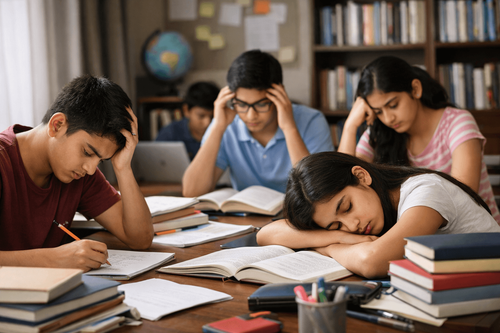

Table of Contents
- What is Academic Pressure?
- Main Causes of Academic Stress
- Effects of Academic Pressure on Students
- Positive Effects of Academic Pressure on Students
- Healthy vs Unhealthy Pressure
- How Skill-Based Learning Reduces Pressure on Students
- How PlanetSpark Supports Skill-Based Growth
- Tips for Students to Handle Academic Pressure
- How PlanetSpark Supports Students Facing Academic Pressure
- Conclusion
Academic pressure on students is becoming more common in today’s competitive world. From exams and homework to expectations from parents and teachers, the pressure on students can sometimes feel overwhelming. While a little academic pressure can motivate children to work harder, too much of it can lead to stress and anxiety. Understanding the causes of academic stress and the causes of student stress is important to help kids grow in a healthy way. When learning focuses not only on marks but also on skill development, children feel more confident, creative, and happy.
What is Academic Pressure?
Academic pressure means the stress students feel to perform well in school. It can come from exams, homework, grades, or expectations from parents and teachers. Sometimes, a little academic pressure can motivate students to study harder and stay focused. However, too much pressure on students can make them feel worried, tired, or even scared of making mistakes.
Healthy Motivation vs Harmful Academic Pressure
Healthy motivation pushes students to try their best, complete assignments on time, and set goals. It feels encouraging and manageable.
Harmful academic pressure feels overwhelming. It creates fear of failure, constant stress, and the feeling that “I am not good enough.”
For example, feeling slightly nervous before an exam is normal and can help you prepare better. But feeling so anxious that you cannot sleep or eat properly is a sign of unhealthy pressure on students.
Main Causes of Academic Stress
Understanding the causes of academic stress helps parents and teachers support children better. There are several common causes of student stress in today’s competitive environment.
High Expectations from Parents
Many parents want their children to score top grades and succeed in every subject. While encouragement is good, constant pressure to be the best can increase academic pressure.
Comparison with siblings, classmates, or relatives can also hurt a child’s confidence and become one of the major causes of student stress.
School Competition
Schools often focus on ranks, percentages, and class performance. Continuous exams, tests, and peer comparison can create pressure on students to always stay ahead.
When students feel they must compete with everyone around them, learning may start to feel stressful instead of enjoyable.

Fear of Failure
Fear of getting low marks or disappointing parents and teachers is one of the biggest causes of academic stress.
Exam anxiety, self-doubt, and negative thoughts like “What if I fail?” can increase academic pressure and affect mental well-being.
Overloaded Schedules
Today’s students often juggle school, tuition classes, homework, projects, and extracurricular activities. A packed schedule leaves little time for rest or play.
Lack of free time and relaxation is another major cause of student stress, making children feel exhausted and overwhelmed
Effects of Academic Pressure on Students
The effect of academic pressure on students can be seen in different areas of their lives. When pressure becomes too high, it can affect emotions, health, and even academic performance.
Emotional Effects
Academic pressure can strongly impact a child’s mental well-being.
Anxiety: Constant worry about exams and grades can make students feel nervous or restless.
Low confidence: When children feel they are not meeting expectations, they may start doubting their abilities.
Mood changes: Irritability, sadness, or sudden emotional outbursts are common signs of stress.
Over time, emotional stress can reduce a child’s happiness and interest in learning.
Physical Effects
The effect of academic pressure on students is not just emotional—it can also show up physically.
Headaches: Stress can cause frequent headaches or body pain.
Sleep problems: Worrying about schoolwork may make it hard to fall asleep or stay asleep.
Fatigue: Lack of proper rest can leave students feeling tired and low on energy.
When children do not get enough sleep or relaxation, their overall health can suffer.
Academic Impact
Ironically, too much academic pressure can reduce performance instead of improving it.
Burnout: Constant studying without breaks can make students feel exhausted and unmotivated.
Reduced creativity: Fear of making mistakes can stop children from thinking creatively.
Loss of interest in learning: When learning feels like a burden, curiosity disappears.
This shows that extreme pressure on students can negatively affect both results and growth.
Positive Effects of Academic Pressure on Students
While excessive stress is harmful, there are also positive effects of academic pressure on students when it is balanced and supportive.
Builds discipline: A reasonable level of pressure encourages students to stay organized and responsible.
Improves time management: Students learn to plan their day and complete tasks on time.
Encourages goal setting: Healthy academic pressure motivates children to set targets and work toward them.
Develops resilience: Facing small challenges helps students become stronger and more confident.
The key is balance. When academic pressure is supportive rather than overwhelming, it can help children grow not only academically but also personally.
Healthy vs Unhealthy Pressure
Not all academic pressure is harmful. In fact, some level of pressure can help students grow. The key is understanding the difference between healthy academic pressure and harmful stress.
Signs of Healthy Academic Pressure
The child feels motivated, not scared.
They are willing to try new challenges.
Mistakes are seen as learning opportunities.
They can balance studies with play and relaxation.
They feel supported by parents and teachers.
Healthy pressure on students encourages improvement without affecting their mental health.
Signs of Harmful Stress
Constant anxiety about exams or marks.
Trouble sleeping or eating.
Frequent headaches or tiredness.
Fear of disappointing parents.
Loss of interest in studies or hobbies.
These are warning signs that academic pressure may be turning into one of the serious causes of student stress.
Book a demo class and help your child grow with confidence.
When Parents Should Intervene
Parents should step in when:
Their child seems emotionally withdrawn.
Stress is affecting physical health.
The child avoids schoolwork due to fear.
There is a noticeable drop in confidence or happiness.
Instead of increasing pressure on students, parents can offer reassurance, listen without judgment, and focus on effort rather than only results.
How Skill-Based Learning Reduces Pressure on Students
One effective way to reduce academic pressure on students is by focusing on skill-based learning rather than only marks and ranks.
Focus on Communication Skills
When children learn how to express their thoughts clearly, they feel more confident. Strong communication skills help them ask questions, clear doubts, and participate actively in class. This reduces fear and builds self-belief.
Creative Thinking Instead of Rote Learning
Rote learning often increases academic pressure because students memorize without understanding. Skill-based learning encourages creativity, problem-solving, and independent thinking. This makes learning more enjoyable and less stressful.
Confidence Building
Confidence plays a big role in reducing the effect of academic pressure on students. When children believe in themselves, they are less afraid of failure and more willing to try again.
Activities that promote self-expression and positive feedback help lower the causes of academic stress.
Public Speaking Practice
Public speaking helps children overcome fear and stage anxiety. When students practice speaking in front of others, they become more comfortable with challenges.
This builds resilience, reduces pressure on students, and prepares them for both academic and real-life success.
How PlanetSpark Supports Skill-Based Growth
Reducing academic pressure on students requires more than just better grades—it requires building confidence, communication, and life skills. That’s where PlanetSpark supports children through skill-based learning.
Personalized Attention
Every child learns differently. With small batch sizes and one-on-one guidance, PlanetSpark ensures that students receive personalized attention. This helps children learn at their own pace without feeling the pressure on students that often comes from comparison in large classrooms.
Public Speaking & Communication Classes
Strong communication skills reduce fear and build self-confidence. Through structured public speaking and communication programs, children learn how to express their thoughts clearly and confidently.
When students can speak up without hesitation, one of the major causes of academic stress—fear of judgment—automatically reduces.
Safe Environment to Express Ideas
A supportive learning space makes a big difference. Children are encouraged to share ideas, make mistakes, and learn without fear.
This safe environment helps reduce the causes of student stress by replacing criticism with constructive feedback and encouragement.
Book a demo class today and unlock your child’s true potential.
Focus on Confidence Over Marks
Instead of focusing only on grades, the program emphasizes personality development, critical thinking, and creativity.
When children grow in confidence, the effect of academic pressure on students becomes less intense. They start seeing challenges as opportunities instead of threats.
Soft CTA:
If your child is feeling overwhelmed by academic pressure, skill-based learning can make a real difference. Helping children build confidence today prepares them for success beyond the classroom.
Tips for Students to Handle Academic Pressure
While academic pressure is common, students can learn healthy ways to manage it.
Break Tasks into Small Goals
Large assignments can feel overwhelming. Breaking them into smaller tasks makes work more manageable and reduces stress.
Ask for Help
There is nothing wrong with asking questions. Talking to parents, teachers, or friends can reduce pressure on students and prevent small problems from becoming bigger ones.
Practice Relaxation
Simple activities like deep breathing, short walks, or listening to music can calm the mind. Taking short breaks improves focus and reduces the causes of academic stress.
Focus on Progress, Not Perfection
No one is perfect. Instead of worrying about mistakes, students should focus on improvement. Celebrating small wins builds confidence and reduces the negative effects of academic pressure on students.

How PlanetSpark Supports Students Facing Academic Pressure
Academic pressure can impact a child’s confidence, creativity, and overall skill growth. When students focus only on grades, they may hesitate to express ideas, ask questions, or explore their strengths. PlanetSpark helps children balance academic expectations with essential life-skill development.
How PlanetSpark Helps:
Confidence-Building Communication Skills
Public speaking sessions help students express themselves clearly without fear.Creative Expression Programs
Writing and storytelling activities reduce stress and encourage originality.Critical Thinking Development
Structured exercises strengthen reasoning and independent thought beyond textbooks.Personalized Mentor Support
One-on-one feedback ensures steady improvement without overwhelming pressure.Positive Learning Environment
Interactive classes make learning engaging rather than stressful.
Conclusion
Academic pressure on students is a reality in today’s competitive world. While a small amount of academic pressure can motivate children to work hard and stay disciplined, excessive pressure on students can lead to anxiety, low confidence, and burnout. Understanding the causes of academic stress and the causes of student stress is the first step toward creating a healthier learning environment.
The goal should not be to remove challenges completely but to balance them with encouragement and skill development. When children build confidence, communication skills, and resilience, the effect of academic pressure on students becomes more manageable. With the right support system and skill-based growth approach, students can succeed academically while staying happy and emotionally strong.
Frequently Asked Questions
The main causes of academic stress include high expectations from parents, school competition, fear of failure, and overloaded schedules. These are also common causes of student stress that can affect both mental and physical health.
No, academic pressure is not always harmful. The positive effects of academic pressure on students include improved discipline, better time management, and goal-setting skills. However, too much pressure can negatively affect well-being.
The effect of academic pressure on students can include anxiety, sleep problems, low confidence, burnout, and reduced interest in learning. In severe cases, it may also impact physical health.
Parents can reduce pressure on students by focusing on effort instead of only marks, avoiding comparisons, encouraging open communication, and supporting skill-based learning that builds confidence.
Students can manage academic pressure by breaking tasks into smaller goals, asking for help when needed, taking regular breaks, practicing relaxation techniques, and focusing on progress rather than perfection.