
Academic Stress: Hidden Factors Affecting Student Performance
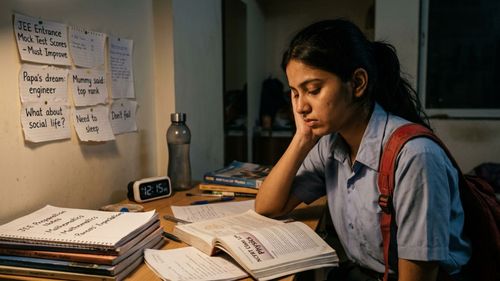

Stress in students has become one of the most common challenges affecting academic success, emotional well-being, and personal growth. While exams, homework, and competition are visible causes, many hidden factors quietly increase academic pressure. These unnoticed triggers often lead to declining performance, lack of motivation, and emotional exhaustion.
Academic stress does not always come from workload alone. It can emerge from expectations, comparison, fear of failure, poor time management, and communication gaps. When students fail to recognize these hidden causes, educational stress increases, making learning difficult and overwhelming.
Parents and educators must understand what is academic stress and how it affects young learners. Programs like PlanetSpark help students develop communication, confidence, and critical thinking skills that reduce pressure and improve academic performance. By addressing stress in students early, they can learn better, stay motivated, and enjoy learning instead of fearing it.
This blog explores the hidden factors affecting student performance, defines academic stress, explains its impact, and offers practical solutions to reduce educational stress effectively.
What is Academic Stress?
Academic stress refers to the mental, emotional, and physical pressure students experience due to academic demands. It occurs when students feel overwhelmed by expectations, workload, competition, or fear of failure.
To define academic stress simply, it is the strain students feel when they believe they cannot meet academic expectations. This stress can affect concentration, memory, sleep, and motivation.
Academic stress in students often develops gradually. A student may begin feeling pressured before exams, then experience anxiety during assignments, and eventually lose interest in studies. Educational stress can also lead to burnout, frustration, and low confidence.
Understanding what is academic stress helps parents and teachers identify warning signs early. When addressed on time, stress in students can be reduced, improving both learning and emotional well-being.

Top 10 Hidden Factors Causing Stress in Students
Stress in students often develops due to unnoticed academic, emotional, and environmental pressures. These hidden causes increase academic stress, affect confidence, and reduce performance. Understanding these factors helps parents and teachers reduce educational stress effectively.
Hidden Factor 1: Unrealistic Expectations from Parents
One of the biggest hidden causes of stress in students is unrealistic expectations. Many students feel pressured to achieve perfect scores, excel in multiple subjects, and compete with peers.
Academic stress increases when students believe they must always perform at the top. This pressure can reduce creativity and increase fear of failure. Educational stress becomes more intense when children feel their worth depends on grades.
Academic stress on students due to expectations often results in:
- Fear of making mistakes
- Avoiding challenging tasks
- Reduced confidence
- Anxiety before exams
- Lack of motivation
Students need encouragement rather than pressure. When expectations focus on improvement instead of perfection, stress in students reduces significantly.
Hidden Factor 2: Comparison with Peers
Comparison is another major contributor to academic stress. Students often compare marks, performance, and achievements with classmates. This creates insecurity and reduces self-confidence.
Academic stress in students increases when they feel they are not as capable as others. Educational stress becomes stronger when comparison happens at home, school, or social media.
Effect of stress in students due to comparison includes:
- Self-doubt
- Performance anxiety
- Loss of interest in studies
- Negative thinking
- Low self-esteem
Students should be encouraged to focus on personal growth instead of competition. Each learner has unique strengths, and recognizing them helps reduce stress in students.
Hidden Factor 3: Poor Time Management Skills
Many students experience academic stress because they struggle to manage time effectively. Procrastination leads to unfinished assignments, rushed studying, and last-minute pressure.
Educational stress increases when students delay tasks. Academic stress on students becomes severe before exams when multiple subjects require preparation.
Signs of poor time management include:
- Last-minute studying
- Missing deadlines
- Feeling overwhelmed
- Lack of planning
- Reduced productivity
Teaching students planning skills reduces stress in students. Creating schedules, prioritizing tasks, and breaking work into smaller parts can significantly lower academic stress.
Want to reduce academic stress in students with PlanetSpark’s communication and confidence building programs today?
Hidden Factor 4: Fear of Failure
Fear of failure is a hidden but powerful cause of stress in students. Many students worry about disappointing parents, teachers, or themselves. This fear creates constant anxiety.
Academic stress increases when students believe failure defines their ability. Educational stress worsens when mistakes are punished instead of treated as learning opportunities.
Academic stress in students due to fear leads to:
- Avoiding difficult subjects
- Panic during exams
- Overthinking
- Reduced participation
- Low confidence
Encouraging a growth mindset helps students see failure as part of learning. This reduces stress in students and improves performance.
Hidden Factor 5: Lack of Communication Skills
Students often struggle to express doubts, ask questions, or share concerns. This lack of communication increases academic stress.
When students hesitate to ask questions, confusion builds. Educational stress increases as concepts become harder to understand. Academic stress on students grows when they feel embarrassed or afraid to speak.
The effect of stress in students caused by poor communication includes:
- Unresolved doubts
- Low participation
- Fear of speaking
- Poor classroom engagement
- Reduced confidence
Communication programs like PlanetSpark help students express themselves clearly, ask questions confidently, and reduce stress in students.
Hidden Factor 6: Overloaded Schedules
Many students juggle school, tuition, homework, and extracurricular activities. This packed schedule leaves little time for relaxation.
Academic stress increases when students lack balance. Educational stress grows when they feel exhausted but still need to study.
Academic stress in students due to overload leads to:
- Fatigue
- Burnout
- Reduced concentration
- Mood swings
- Lack of motivation
Students need proper breaks and balanced routines. Relaxation helps reduce stress in students and improves learning ability.
Hidden Factor 7: Digital Distractions
Technology is useful, but it also increases stress in students. Social media, games, and constant notifications reduce focus and increase pressure.
Academic stress grows when students waste time online and later rush to complete work. Educational stress increases due to unfinished tasks.
Effect of stress in students due to digital distractions include:
- Poor concentration
- Reduced productivity
- Sleep problems
- Anxiety
- Academic decline
Setting screen time limits helps students stay focused and reduce academic stress.
Need a solution for stress in students? Try PlanetSpark’s confidence-building communication classes today.
Hidden Factor 8: Lack of Emotional Support
Students often hide their stress and avoid discussing it. Without emotional support, academic stress increases.
Educational stress becomes overwhelming when students feel alone. Academic stress on students grows when they believe no one understands them.
Students need open conversations and encouragement. Support from parents and teachers helps reduce stress in students and improves confidence.
Hidden Factor 9: Exam-Oriented Education System
An exam-focused system increases stress in students. Marks become more important than learning.
Academic stress rises during exam periods. Educational stress increases when performance is measured only through scores.
Academic stress in students due to exams leads to:
- Anxiety
- Panic
- Sleep issues
- Memory problems
- Reduced confidence
Encouraging skill-based learning reduces stress in students.
Hidden Factor 10: Lack of Confidence
Low confidence increases academic stress. Students doubt their ability to understand concepts.
Educational stress increases when students avoid participation. Academic stress on students becomes stronger when they believe they cannot succeed.
Confidence-building activities reduce stress in students and improve performance.
Effect of Stress in Students
The effect of stress in students can impact academic performance and mental health. Common effects include:
- Poor concentration makes it difficult for students to understand concepts, complete assignments, and stay focused consistently.
- Low academic performance occurs when stress in students affects memory, preparation, and confidence during exams.
- Anxiety and worry increase academic stress, making students overthink results, fear mistakes, and feel overwhelmed.
- Lack of motivation develops when educational stress reduces interest in learning and lowers enthusiasm toward studies.
- Memory problems arise because academic stress affects retention, making it harder for students to recall information.
- Reduced creativity happens when stress in students limits imagination and prevents flexible thinking during learning.
- Sleep disturbances occur due to academic stress, leading to fatigue, reduced focus, and poor classroom participation.
- Emotional imbalance causes mood swings, irritability, frustration, and difficulty managing academic pressure effectively.
Long-term academic stress can also affect physical health. Students may experience headaches, fatigue, and burnout.
Signs of Academic Stress in Students
Parents and teachers should watch for these signs:
- Avoiding studies indicates stress in students, where they delay homework and resist academic responsibilities regularly.
- Irritability increases when academic stress overwhelms students, causing frustration, anger, and emotional reactions during learning.
- Lack of focus occurs as educational stress distracts students, making it difficult to concentrate on lessons.
- Declining grades appear when academic stress affects preparation, understanding, and performance in tests.
- Anxiety before exams shows stress in students, leading to nervousness, panic, and fear of failure.
- Loss of interest happens when educational stress reduces curiosity and enthusiasm toward learning activities.
- Sleep problems develop due to academic stress, causing fatigue, poor focus, and reduced productivity.
- Low confidence grows when stress in students makes them doubt abilities and avoid participation.
Identifying these signs early helps reduce stress in students.
Ready to improve confidence and reduce academic stress in students with PlanetSpark’s personalized classes?
How to Reduce Stress in Students
Reducing stress in students requires supportive environments, balanced routines, and skill development. Simple strategies like planning, communication, and confidence-building help students manage academic stress and improve performance effectively.
1. Encourage Balanced Routine
Students need balanced schedules including study, play, and rest. Proper routines reduce academic stress and improve focus.
Examples:
- Study for one hour, then take a 15-minute outdoor play break.
- Maintain fixed sleep and homework time daily to avoid last-minute pressure.
2. Teach Time Management
Time management helps students plan tasks, avoid procrastination, and complete work without pressure. It reduces educational stress significantly.
Examples:
- Create a weekly planner for assignments and revision schedules.
- Break large projects into small daily tasks for easier completion.
3. Promote Positive Thinking
Positive thinking encourages students to focus on improvement instead of perfection, reducing stress in students effectively.
Examples:
- Replace “I can’t do this” with “I will try again.”
- Celebrate small achievements like completing homework on time.
4. Build Communication Skills
Strong communication helps students ask doubts, express ideas, and reduce academic stress in classrooms.
Examples:
- Encourage students to ask at least one question daily in class.
- Practice speaking activities like storytelling or presentations regularly.
5. Provide Emotional Support
Students need emotional support to share worries and manage educational stress confidently. Listening builds trust.
Examples:
- Parents ask children about their school day regularly.
- Teachers create open discussions for students to express concerns.
6. Encourage Breaks
Short breaks refresh minds, improve concentration, and reduce stress in students during study time.
Examples:
- Take five-minute stretching breaks after every study session.
- Listen to music or walk briefly between subjects.
7. Focus on Learning, Not Marks
Learning-focused approach reduces academic stress and builds understanding instead of grade pressure.
Examples:
- Appreciate effort rather than only high scores.
- Encourage concept understanding before test preparation.
8. Develop Confidence
Confidence helps students face challenges, reduce fear, and manage academic stress effectively.
Examples:
- Encourage participation in class discussions regularly.
- Praise students for trying difficult questions independently.

Why Choose PlanetSpark For Student Confidence
PlanetSpark helps reduce stress in students by building communication, confidence, and critical thinking skills. These essential abilities support academic growth, reduce educational stress, and help students perform better without pressure.
- Builds strong communication skills so students ask doubts confidently and reduce academic stress during classroom learning.
- Improves public speaking abilities, helping students overcome fear, express ideas clearly, and develop confidence.
- Encourages critical thinking so students understand concepts deeply instead of memorizing under pressure.
- Provides personalized learning that supports individual strengths and reduces stress in students effectively.
- Boosts creativity through interactive activities, making learning enjoyable and lowering academic stress.
- Develops confidence that helps students participate actively and perform better in academics.
PlanetSpark creates a supportive learning environment where students grow academically and emotionally. By strengthening communication and confidence, it reduces stress in students and helps them become motivated, independent, and successful learners.
Supporting Students to Overcome Academic Stress
Stress in students is a serious issue affecting learning, confidence, and performance. Hidden factors like expectations, comparison, poor time management, fear of failure, and lack of communication increase academic stress silently. Identifying these causes helps parents and teachers support students better.
Educational stress can be reduced by encouraging balanced routines, positive thinking, and communication skills. When students feel supported, they learn better and perform confidently.
Skill development programs like PlanetSpark help students improve communication, confidence, and critical thinking. These skills reduce academic stress and help students manage challenges effectively. By addressing stress in students early, we can create confident learners who enjoy education and achieve their full potential.
Also Read:
Mental Models Students Can Use for Academic Success | PlanetSpark
Frequently Asked Questions
Stress in students is caused by academic pressure, comparison, fear of failure, overloaded schedules, and poor time management. These factors increase academic stress, affect confidence, and reduce focus, making learning difficult and overwhelming.
Academic stress affects concentration, memory, and motivation. Students may experience anxiety, declining grades, sleep problems, and low confidence. Managing educational stress early helps improve performance, emotional balance, and overall academic growth.
Strong communication skills help students ask questions, express concerns, and participate confidently. Programs like PlanetSpark build speaking confidence, critical thinking, and clarity, helping students reduce academic stress and perform better in school.
PlanetSpark helps students build confidence, improve communication, and manage academic pressure effectively. These skills reduce stress in students, enhance participation, and support better learning outcomes while developing independent and motivated learners.