
Active Learning Strategies to Boost Skills and Productivity


In modern workplaces, learning cannot remain limited to reading reports or attending long presentations. Professionals need practical ways to develop skills that can immediately improve performance and productivity. Active learning strategies focus on learning by doing, questioning, and applying ideas in real situations. Instead of passively consuming information, professionals engage with knowledge through discussions, problem-solving, and experimentation.
This approach strengthens critical thinking, improves decision-making, and helps individuals retain knowledge for longer periods. PlanetSpark focuses on building this practical communication and thinking abilities through structured mentoring and interactive learning experiences. By encouraging active participation, reflection, and real-life application, PlanetSpark helps learners strengthen confidence, clarity, and professional communication skills that support long-term career growth.

What is Active Learning?
Active learning is a broad term that refers to a learning style where you, as an employee (or student), engage directly with the task and gain practical experience. Instead of just passively absorbing information, you're actively involved in the process.
In simple terms, it's learning by doing. Think of it like learning to ride a bike by hopping on and trying it, rather than just reading about it. Many active learning strategies, originally designed for classrooms, can be seamlessly applied in the workplace!
Key Components of Active Learning Strategies
Active learning strategies are built around three core components: Engagement, Reflection, and Application. These elements combine to create a dynamic and practical learning experience, improving both understanding and retention.
- Engagement: This refers to the learner’s concentration and interest in the subject. Active learning methods make topics engaging by presenting them in a way that naturally sparks curiosity and attention, ensuring that students are fully focused on the material at hand.
- Reflection: In active learning, students are encouraged to reflect on what they've learned. This process helps them personalize the information, reinforcing key points and improving long-term retention. Reflection aids in turning knowledge into practical understanding, making it easier to recall and apply.
- Application: A fundamental aspect of active learning techniques is the practical use of knowledge. By applying what they've learned in real-world scenarios or collaborative settings, learners see the relevance and usefulness of the subject. This hands-on approach not only deepens their understanding but also keeps them motivated to continue learning.
Another vital part of active learning methodologies is its collaborative nature. In group exercises, team discussions, and shared experiences, students benefit from working together. These collaborative elements enhance the learning process, making it more interactive and engaging.
By embracing active learning strategies, learners can improve their problem-solving abilities, increase productivity, and effectively apply what they've learned in everyday situations. Start implementing active learning today to see noticeable improvements in your skills and knowledge.
Boost your skills and productivity with active learning strategies. Turn daily work challenges into growth opportunities. Start applying these methods today with PlanetSpark.
Active Learning Techniques to Improve Skills and Efficiency
Engaging learners and encouraging active participation can be tough, especially when working with a quiet group or tackling a complex subject. The good news? Using the right techniques can turn passive learners into active contributors by encouraging them to reflect and share their thoughts.
These five active learning methods are designed to foster conversation, promote deeper thinking, and involve everyone. Whether you're facilitating a classroom discussion, corporate training, or a workshop, these methods will boost engagement and enhance learning results, without those awkward pauses!
Active learning activity | Length in minutes | Participants | Best For |
|---|---|---|---|
Think, Pair, Share (1-2-4-All) | 10 – 15 | 4 – 100+ | Getting everyone involved, sparking new ideas, creating a safe container for discussion |
Appreciative Interviews | 30 – 60 | 2+ | Celebrating successes, learning from real experiences, boosting morale |
Fishbowl | 45 – 60 | 6 – 30 | Deep conversations, structured debates, active listening |
The 500-Year-Gap Conversation (Time Traveler) | 15 – 30 | 2 – 20 | Creative thinking, communication skills, historical empathy |
Troika Consulting | 25 – 35 | 3+ | Peer coaching, problem-solving, leveraging collective wisdom |
Role-Play
Role play allows professionals to practise real workplace conversations such as negotiations or team leadership situations. It creates a safe environment to test communication styles and decision-making approaches using practical active learning techniques.
Practise client or stakeholder conversations with colleagues
- Recreate workplace conflicts and explore solutions
Ask for feedback after the role-play exercise
Think-Pair-Share (1-2-4-All)
This approach encourages individual thinking followed by collaborative discussion. It reflects effective active learning methodologies because professionals first analyse a problem alone and then refine ideas through conversation with others.
Reflect on a problem individually for a few minutes
- Discuss insights with a colleague
Present combined ideas during team meetings
Three-Step Interviews
This active learning strategy strengthens listening and communication skills by encouraging professionals to learn from each other’s experiences. Participants interview a colleague, switch roles, and then summarise the discussion for a group.
Ask structured questions about work challenges
- Listen actively without interrupting
Share key insights with the wider team
Panel Discussion
Panel discussions are valuable active learning examples that expose professionals to different viewpoints from experienced colleagues or industry experts. Participants gain insights through conversation and interactive questioning.
Invite experienced team members to discuss a topic
- Encourage participants to ask thoughtful questions
Summarise key takeaways after the discussion
The Muddiest Point Technique
This method helps clarify confusion during learning sessions. Participants identify the concept they find most unclear. It highlights what is active learning because the focus shifts to solving real knowledge gaps.
Write down the most confusing part of a session
- Discuss it openly with the trainer or group
Review explanations until the concept becomes clear
Learn faster and apply knowledge more effectively at work. Use active learning techniques to enhance your decision-making and collaboration skills. Start your journey with PlanetSpark today.
Real World Applications
Professionals learn best when knowledge directly connects with their work responsibilities. Applying concepts to real challenges demonstrates the true active learning meaning.
Analyse current workplace problems
- Apply new strategies to ongoing projects
Review results and refine the approach
Problem-Based Learning
This approach focuses on solving complex workplace challenges rather than memorising theory. Many organisations use active learning methods to strengthen problem-solving and analytical thinking.
Identify a real business challenge
- Gather data and analyse possible solutions
Present recommendations to the team

Simulations and Gamification
Simulations recreate workplace environments, while gamification introduces challenges and rewards to motivate learners. These active learning techniques make skill development engaging and memorable.
Use simulation software for decision-making practice
- Introduce small team competitions
Track performance through scoring systems
Debates and Discussions
Debates encourage professionals to explore multiple perspectives before making decisions. This activity supports many active learning methodologies by strengthening reasoning and persuasive communication.
Choose a workplace topic for discussion
- Assign opposing viewpoints to participants
Evaluate arguments and conclusions together
Blending With Digital Learning
You can extend professional development through online tools and platforms. This demonstrates what is active learning in modern workplaces.
Join virtual workshops or webinars
- Participate in online discussion forums
Use digital tools to track your learning progress
Field Trips and Site Visits
Observing real work environments offers valuable insights for professionals. These experiences reinforce active learning meaning through practical exposure.
Visit organisations known for best practices
- Observe operational strategies in action
Discuss key takeaways with your team afterwards
Once you begin applying these practical approaches in your routine, the benefits become visible quickly. Consistent use of active learning strategies can significantly improve professional skills, confidence, and workplace productivity.
Turn everyday communication into valuable learning moments. Strengthen your skills with PlanetSpark's expert mentoring and interactive sessions. Start your professional growth with a free trial today.
The Impact of Active Learning on Skill and Productivity Growth
Professionals who take an active role in their learning often see faster and more meaningful career development. Unlike passive training sessions, active learning methods help individuals practise skills, analyse challenges, and apply knowledge in real work situations, leading to measurable improvements in performance.
Improves Problem Solving and Decision Making
Using practical active learning techniques helps professionals analyse workplace challenges more effectively. When you practise solving problems through discussions, simulations, or collaborative activities, your ability to evaluate options and make informed decisions improves significantly.
Strengthens Communication and Collaboration
Many active learning methodologies involve teamwork, discussions, and shared problem-solving. By regularly participating in these activities, professionals improve their listening skills, articulate their ideas more clearly, and work more effectively with colleagues across teams and departments.
Enhances Knowledge Retention and Skill Application
Understanding the true active learning meaning involves applying knowledge immediately instead of memorising information. When you practise new concepts during projects or discussions, the learning becomes practical and easier to remember in real work situations.
Boosts Productivity and Continuous Improvement
Adopting the right active learning strategy helps professionals learn faster while staying productive. By actively reflecting on experiences, experimenting with solutions, and collaborating with colleagues, you continuously improve your efficiency and professional performance.
While independent learning strategies are valuable, professionals often benefit from structured guidance and mentorship. Programmes that combine practical learning with expert feedback make active learning strategies easier to apply consistently.
Implementing Active Learning Strategies for Working Professionals With PlanetSpark
Professionals often struggle to apply new knowledge consistently without the right learning structure. Training programmes that combine expert guidance, practical exercises, and continuous feedback make it easier to turn learning into real skill development. This is where structured platforms can support professionals who want to strengthen communication, leadership, and productivity skills.
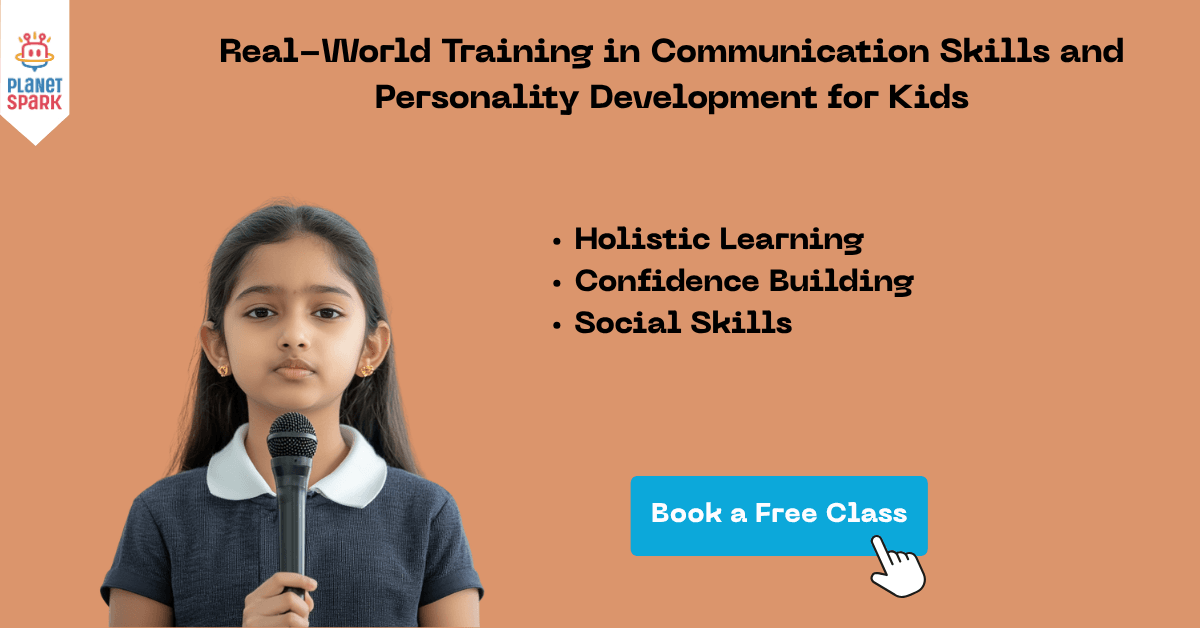
PlanetSpark offers communication and public speaking training designed to help learners build clarity, confidence, and professional presence. The programme focuses on practical active learning methods through interactive sessions where learners practise real workplace scenarios such as presentations, discussions, and decision-making exercises. With guided coaching and personalised feedback, professionals gradually improve their speaking confidence and ability to communicate ideas effectively in meetings, presentations, and leadership roles.
Personalised One-to-One Coaching
Professionals receive dedicated sessions with expert trainers who focus on individual goals such as improving presentation skills, leadership communication, and workplace confidence. This personalised learning approach ensures faster and more meaningful improvement.
Structured Skill Development Roadmap
PlanetSpark programmes follow a structured training pathway that gradually builds communication skills, including voice modulation, speech structure, and audience engagement. This roadmap helps professionals track progress and develop confidence step by step.
Real-World Practice and Scenario Training
Participants practise speaking through presentations, discussions, interviews, and workplace simulations. These exercises represent practical active learning techniques that help professionals apply learning directly to real situations.
Recorded Feedback and Performance Review
Learners review recordings of their sessions with trainers to identify areas for improvement in clarity, delivery, and confidence. This feedback system helps professionals refine their communication skills more effectively.
Interactive Live Learning Sessions
All sessions are live and interactive, allowing professionals to ask questions, participate in discussions, and practise communication skills in real time rather than relying on passive recorded lectures.
Conclusion
Developing new skills while managing professional responsibilities can be challenging. However, applying active learning strategies helps professionals turn everyday experiences into meaningful opportunities for growth. By actively engaging, reflecting on progress, and applying knowledge to real tasks, individuals can strengthen problem-solving abilities, improve communication, and boost productivity.
Improve your communication and confidence with active learning. PlanetSpark’s structured practice and expert mentors will help you develop key skills. Book your free class and begin today.
PlanetSpark supports this learning journey by offering structured mentoring and interactive practice that help professionals refine communication and presentation skills. With expert guidance and practical training, learners can build confidence, improve workplace performance, and continue developing essential professional abilities.
Frequently Asked Questions
Using active learning methods helps professionals participate actively in the learning process. By discussing ideas, practising skills, and analysing situations, they build stronger problem-solving abilities and adapt quickly to workplace challenges.
Many active learning techniques focus on applying knowledge directly to real tasks. This helps professionals learn faster, make better decisions, and reduce errors, which ultimately improves efficiency and overall workplace productivity.
Yes, many organisations use active learning methodologies to keep remote teams engaged. Activities like virtual discussions, collaborative projects, and online workshops encourage participation and maintain strong team communication.
The Muddiest Point technique reflects the true active learning meaning. Learners identify the concept they found most confusing during training, allowing trainers or colleagues to clarify the topic and improve understanding.
PlanetSpark provides structured business communication training, live practice sessions, and expert feedback to help professionals eliminate vague communication, improve clarity, strengthen executive presence, and communicate confidently in workplace settings.
Yes, PlanetSpark offers training focused on presentation skills, audience engagement, and speech structure. These sessions help professionals communicate ideas clearly and confidently in meetings, presentations, and leadership discussions.