
Fun and Educational Activities at Home for Students
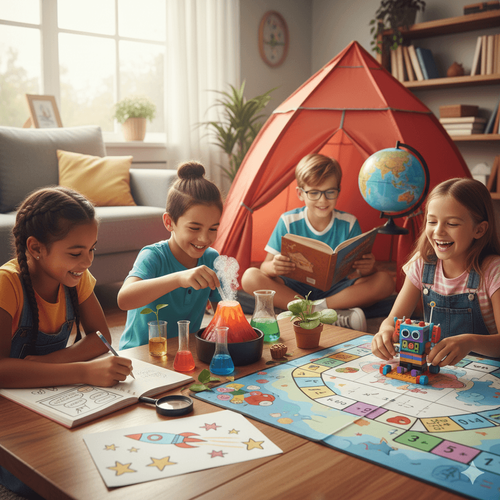

Table of Contents
- Educational Activities at Home for Kids
- Creative Activities at Home to Inspire Young Minds
- Physical Activities at Home for Healthy and Active Kids
- Cognitive and Brain-Boosting Activities at Home for Students
- Social and Emotional Development Activities at Home for Kids
- Technology-Assisted Activities at Home
- Home Activities for Seasons and Celebrations
- Why are Activities at Home Important?
- Strengthening Family & Community Bonds at Home
- How These Activities Shape Kinder, Better Humans
- Tips to Make Activities More Engaging
- PlanetSpark: Building Confident Speakers & Future Leaders at
- Final Thoughts: Growing Smart, Kind, and Curious Minds at Ho
Keeping students busy and happy at home can be fun and helpful for learning. Activities at home let kids explore, create, and stay active while learning new things. This blog shares easy and exciting ideas for reading, art, science, games, and more. With PlanetSpark, children get expert guidance through personalized sessions that make learning at home enjoyable, creative, and full of new experiences.
Educational Activities at Home for Kids
Focusing on learning while having fun is a win-win for both parents and students. Here are some great educational activities for kids at home:
1. Reading Challenges
Encourage children to read daily by creating a reading challenge. Choose books according to their age and interests. For example:
Primary students: Picture books, fairy tales, or fun fact books.
Secondary students: Novels, biographies, and informative non-fiction.
Reward milestones to motivate consistent reading. Reading improves vocabulary, comprehension, and critical thinking.
2. DIY Science Experiments
Hands-on science activities are both fun and educational. Simple experiments with household items can spark curiosity:
Volcano eruption using baking soda and vinegar.
Making a rainbow with a glass of water and sunlight.
Planting seeds and observing growth.
These activities help kids understand scientific concepts practically and develop observation skills.
3. Math Games
Math doesn’t have to be boring. Incorporate games like:
Sudoku or math puzzles for logical thinking.
Using cards or dice to practice addition, subtraction, or multiplication.
Cooking activities that require measuring ingredients for fractions.
This approach makes learning math interactive and enjoyable.
4. Educational Apps and Online Resources
While offline activities are crucial, educational apps can complement learning:
Language learning apps to improve vocabulary.
Coding games to introduce basic programming.
Virtual museum tours to explore history and culture.
Creative Activities at Home to Inspire Young Minds
Creativity boosts imagination, problem-solving, and confidence. Here are some exciting activities for kids at home to foster creativity:
1. Art and Craft Projects
Art and craft activities boost creativity, fine motor skills, and artistic expression. Kids can enjoy drawing, painting, and coloring, or making paper crafts like origami and greeting cards. DIY jewelry or decorations using recyclable materials adds fun, while a mini art corner encourages free exploration and imaginative experimentation.
2. Storytelling and Writing
Storytelling and writing help children develop imagination, language skills, and self-expression. Students can write short stories, maintain journals, or create comic strips and picture stories. Role-playing characters from favorite books or movies, or recording stories as audio or video to share with family, makes learning creative and interactive.
3. Music and Dance Activities
Music and dance enhance coordination, memory, and mood. Children can learn a new instrument, practice singing, or create rhythms using household items. Dance challenges and choreographed routines to favorite songs help release energy, relieve stress, and encourage self-expression, making creativity an enjoyable and engaging part of daily life.
Physical Activities at Home for Healthy and Active Kids
Keeping kids active is crucial, especially when outdoor time is limited. Here are activities for kids at home that promote physical health:
1. Indoor Exercise Routines
Keeping kids active indoors is easy with simple exercises like jumping jacks, squats, and lunges. Setting up obstacle courses using pillows, chairs, and cushions adds fun, while yoga or stretching routines help improve flexibility, balance, and focus. These activities ensure children stay healthy and energized even inside the home.
2. Outdoor Garden Play
Outdoor activities in the garden or balcony promote physical health and curiosity. Kids can enjoy gardening by planting seeds, watering plants, or observing nature. Nature scavenger hunts help them explore leaves, insects, and flowers, while mini sports like badminton, soccer, or basketball practice improve coordination, strength, and overall fitness.
3. Family Fitness Challenges
Exercise can be fun when done together as a family. Step-count challenges, push-up or plank competitions, and dance-offs motivate children to stay active. Engaging in these mini challenges not only boosts physical fitness but also strengthens family bonds, encouraging healthy habits through playful and energetic activities.
Raise a Leader, Not Just a Learner!
Empower your child to think boldly, speak proudly, and solve problems smartly. Leadership starts early — and here, we make it natural.
Cognitive and Brain-Boosting Activities at Home for Students
Developing mental skills at home ensures students stay sharp and focused. Try these activities for kids at home:
1. Puzzle Games and Brain Teasers
Puzzles stimulate logical thinking, memory, and problem-solving:
Jigsaw puzzles for younger students.
Crossword puzzles or riddles for older kids.
Memory games using cards or objects around the house.
2. Strategy and Board Games
Games like chess, checkers, or Scrabble encourage critical thinking and planning. They are perfect for family bonding while keeping the mind active.
3. Learning a New Skill
Encourage children to try something new:
Cooking or baking simple recipes.
Learning a new language.
Basic coding or digital design tutorials.
Acquiring new skills boosts confidence and prepares students for future challenges.
Social and Emotional Development Activities at Home for Kids
Even at home, students need to develop emotional intelligence and social skills. Here’s how:
1. Role-Playing Games
Acting out real-life scenarios helps children understand emotions and develop empathy:
Pretend school, shop, or doctor’s clinic.
Family role-play where children take turns making decisions.
2. Journaling and Reflection
Encourage kids to write about their day, feelings, or thoughts. This improves self-awareness, reduces stress, and promotes emotional regulation.
3. Virtual Social Activities
Connect with friends or relatives through video calls:
Group storytelling or book reading.
Online drawing or music sessions.
Collaborative games to encourage teamwork.
Watch Confidence Bloom, One Class at a Time!
See your shy speaker transform into a storyteller, presenter, and self-assured communicator — all from home.
Technology-Assisted Activities at Home
Using technology wisely can enhance learning and creativity. Educational videos on science, history, or DIY projects make learning engaging, while interactive platforms with quizzes and live lessons boost knowledge and problem-solving skills. Creative apps for music, drawing, and storytelling encourage self-expression. Balancing these online activities with offline play ensures children enjoy the benefits of technology, develop cognitive and creative skills, and avoid excessive screen time for a healthy, well-rounded routine.
Home Activities for Seasons and Celebrations
Seasonal changes provide unique opportunities for learning and fun:
1. Holiday Crafts
During festivals or holidays, children can make themed decorations, cards, and gifts, enhancing creativity and cultural awareness.
2. Science with Nature
Explore seasonal changes with activities like:
Observing weather patterns.
Collecting leaves or flowers for arts and crafts.
Seasonal cooking projects, like making fruit jams.
3. Family Movie Nights and Discussions
Watch educational or inspirational movies and discuss the themes, helping kids develop critical thinking and communication skills.
Build Strong Communication — Build a Strong Future
Communication isn’t a skill — it's a superpower. Equip your child with confidence, clarity, and emotional intelligence the right way.
Why are Activities at Home Important?
The benefits of engaging kids in structured activities at home go beyond keeping them busy. Here's why these activities matter:
Cognitive Development: Activities such as puzzles, reading, and educational games enhance problem-solving skills and critical thinking.
Emotional Growth: Creative projects like drawing, painting, or role-play allow children to express emotions safely.
Physical Health: Active games, yoga, and simple exercises keep kids healthy and improve coordination.
Social Skills: Even at home, children can engage in collaborative projects or virtual group activities, helping them develop communication and teamwork skills.
Screen Time Balance: Fun offline activities give students a break from screens, reducing eye strain and improving focus. Students can click the link and now more about healthy screen time and how it can be managed.
By providing the right mix of educational and entertaining activities, parents can ensure that children remain productive and happy at home.
Strengthening Family & Community Bonds at Home
Home is the best place to build strong family connections and a sense of community. Encourage kids to take part in activities like family storytelling nights, cooking together, or hosting small indoor themed events such as a talent show or board-game challenge. You can also involve children in simple acts of kindness, like making thank-you cards for neighbors or helping organize donations. These activities teach empathy, cooperation, and life values while creating happy memories.
Shape a Confident Voice for Tomorrow!
Give your child the power to speak, express, and lead with clarity. PlanetSpark builds real-world confidence through guided learning and practice.
Save a spot for your child in a complimentary trial session.
How These Activities Shape Kinder, Better Humans
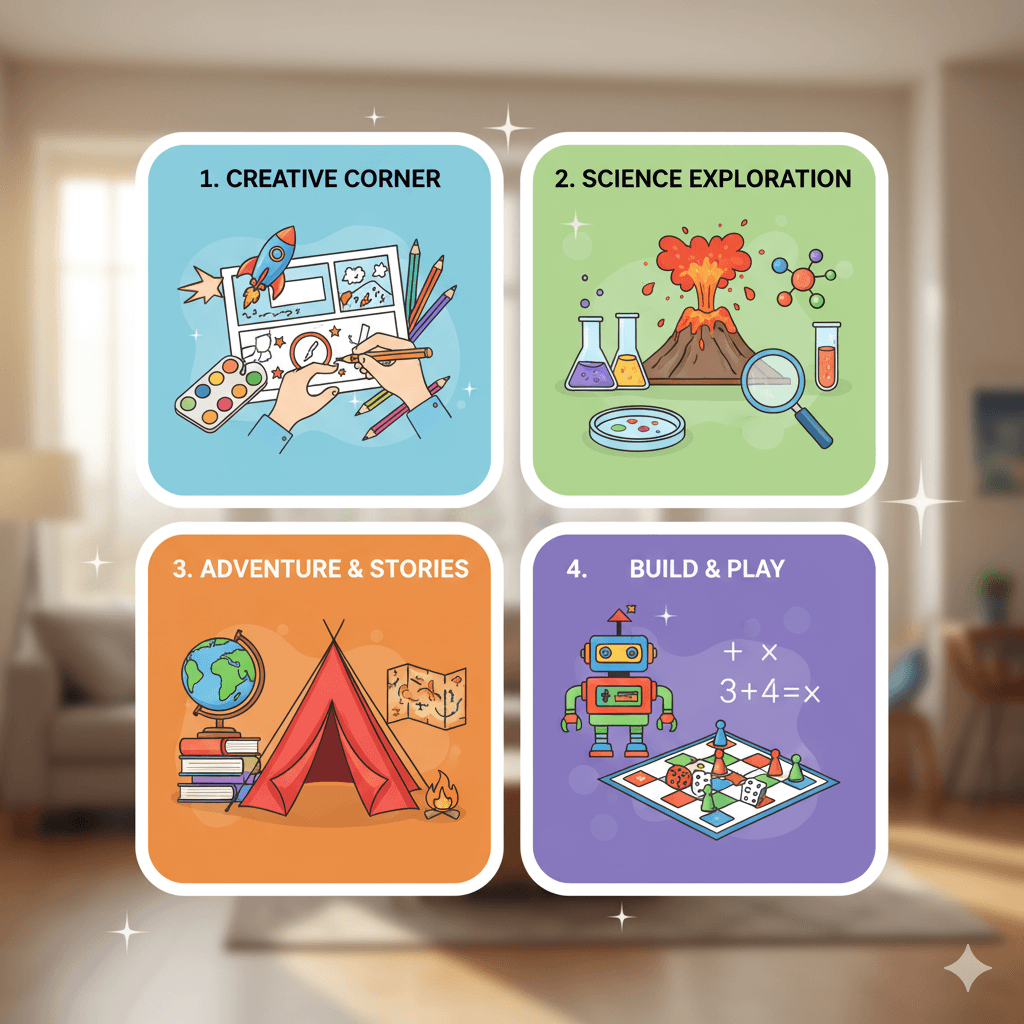
Engaging in different activities at home teaches kids patience, teamwork, and kindness. When they create, play, or learn with family, they practice sharing, listening, and respecting others. These experiences build strong values, helping children grow into caring and responsible individuals. All these activities help students to build a confident body, and students can click here for more details.
Home activities also boost confidence and independence as children try new tasks and solve problems. Whether cooking, reading, or helping around the house, they learn responsibility, empathy, and gratitude. These small everyday habits slowly shape them into thoughtful, capable, and good human beings.
Tips to Make Activities More Engaging
To ensure your children enjoy and benefit from activities at home, consider these tips:
Create a Routine: Allocate specific times for different activities to maintain consistency.
Mix Learning and Fun: Combine educational tasks with enjoyable ones to keep children motivated.
Encourage Independence: Let kids choose some activities to boost decision-making and self-confidence.
Use Everyday Objects: Many household items can be turned into tools for fun experiments and crafts.
Reward Participation: Celebrate milestones and achievements to boost motivation and confidence.
PlanetSpark: Building Confident Speakers & Future Leaders at Home
PlanetSpark helps children grow into confident, expressive, and well-mannered individuals through personalized 1:1 learning, AI-based feedback, and activity-based communication training. With certified trainers and a structured program, every child learns to speak clearly, think creatively, and present confidently.
What Makes PlanetSpark Unique:
1:1 Personal Trainers who understand each child’s pace, personality, and learning style
Personalised learning roadmap based on detailed assessments and progress tracking
SparkX AI video analysis for voice, posture, confidence, clarity, and grammar
AI-led speaking practice sessions for real-time improvement
Spark Diary journaling to build strong writing and expression habits
Gamified learning through quizzes and challenges
Safe sharing platform (Sparkline) for speeches and creative work
Learning clubs & contests for storytelling, debate, podcasting, and writing
SparkBee & SparkShop for fun language drills and useful eBooks
Holistic personality development with etiquette, confidence building, leadership, and emotional intelligence training
PlanetSpark turns home learning into confidence, clarity, and communication excellence.
Final Thoughts: Growing Smart, Kind, and Curious Minds at Home
Finding the right activities at home for students is about striking a balance between education, creativity, physical exercise, and fun. From DIY crafts, puzzles, and reading to family fitness challenges and virtual collaborations, there is an endless array of ways to engage children meaningfully.
By providing a structured, yet flexible, mix of activities, parents can help their children thrive, stay motivated, and enjoy their time at home. The key is to keep activities age-appropriate, interactive, and aligned with the child’s interests.
Whether it’s through hands-on experiments, creative storytelling, or guided online sessions like those offered by PlanetSpark, your child can turn home into a place of learning, growth, and endless fun.
Start exploring these activities today and watch your child learn, play, and flourish—all from the comfort of home.
Frequently Asked Questions
The best activities include arts and crafts, reading, puzzles, DIY science experiments, indoor exercises, and educational games. These boost creativity, learning, and physical development while keeping kids engaged.
Incorporate interactive games, storytelling, science experiments, and creative projects. Mixing learning with play keeps kids motivated, encourages critical thinking, and develops problem-solving skills effectively at home.
Screen time should be balanced with offline activities. Short, structured sessions with breaks and interactive content, alongside creative or physical tasks, help protect eyes and maintain focus.
PlanetSpark provides personalized, one-on-one live classes tailored to each child. Experts guide creative, communication, and learning activities, keeping kids engaged while building essential academic and life skills.
Yes! Role-playing, collaborative projects, virtual group games, and family challenges help children practice teamwork, empathy, and communication, even while staying at home.
PlanetSpark offers expert-led interactive sessions focusing on storytelling, personality development, and skill-building. Children stay motivated with personalized guidance, making learning at home both productive and fun.