
Adaptive Learning: Experience Personalized Learning with PlanetSpark


In today’s fast-evolving educational landscape, every learner is unique, with different strengths, interests, and learning speeds. Traditional classrooms often adopt a one-size-fits-all approach, which can leave some learners either behind or unchallenged. Adaptive learning has emerged as a solution to this challenge, creating a personalised adaptive learning experience that caters to the individual needs of every student.
By using advanced technology and data analytics, adaptive learning platforms can track learners’ performance, identify gaps, and adjust content dynamically. This approach ensures that students spend more time on areas that need improvement while advancing faster through concepts they grasp easily. Unlike conventional methods, adaptive learning focuses on the learner, creating an engaging, interactive, and effective educational journey.
With personalised adaptive learning, students receive lessons tailored specifically to their abilities, interests, and pace. It encourages curiosity, builds confidence, and ensures consistent progress. Whether learning a complex subject or mastering foundational concepts, adaptive learning creates a learning environment that is both motivating and results-oriented.
Moreover, adaptive learning platforms provide a structured yet flexible approach, making it easier for parents and educators to monitor growth and intervene where necessary. The result is a holistic learning experience that prepares learners not just academically but also equips them with problem-solving skills, critical thinking, and self-directed learning habits.
What is Adaptive Learning?
Adaptive learning is an educational method where the learning experience is tailored to the individual student’s needs. Instead of following a uniform curriculum, adaptive learning evaluates the learner’s knowledge, learning style, and pace to deliver content that suits them best.
Key Features of Adaptive Learning:
Customized Learning Paths: Each student receives content and exercises suited to their current understanding, ensuring that learning is always at the right difficulty level.
Real-Time Feedback: Students get immediate insights into their progress, helping them correct mistakes and understand concepts thoroughly.
Data-Driven Insights: Performance tracking allows teachers and parents to see exactly where learners need support.
Dynamic Content Adjustments: Lessons adapt automatically as students progress, ensuring continuous engagement.
Comparison Table: Traditional vs Adaptive Learning
| Feature | Traditional Learning | Adaptive Learning |
|---|---|---|
| Curriculum | Same for all students | Personalized for each student |
| Learning Pace | Fixed | Learner-driven |
| Feedback | Periodic assessments | Immediate and continuous |
| Engagement | Passive | Highly interactive |
| Knowledge Retention | Moderate | High |
| Motivation | Variable | Encouraged through gamification |
Unlike self-learning, where students choose topics and pace independently, adaptive learning actively guides learners. It identifies strengths, weaknesses, and learning gaps, then adjusts content accordingly. This structured approach ensures that learners progress efficiently while staying motivated and confident.
Adaptive learning also bridges the gap between struggling learners and those who excel. By creating a personalised adaptive learning path, students who find certain topics challenging receive extra support, while advanced learners are offered enrichment activities. This ensures balanced academic development for everyone.
Why Personalized Adaptive Learning Matters
The core of adaptive learning is personalization. Every student is unique, with distinct learning preferences, abilities, and challenges. Traditional education systems often fail to address these individual differences, resulting in slower learning and reduced engagement. Personalised adaptive learning solves this by tailoring lessons to meet each learner’s needs.
Key Benefits of Personalized Adaptive Learning:
Targeted Skill Improvement: Focuses on areas where learners need the most help.
Boosts Mastery: Concepts are revisited until fully understood, ensuring strong foundational knowledge.
Increases Engagement: Lessons are relevant and interesting, keeping learners motivated.
Builds Confidence: Learners progress at their own pace, reducing frustration and boosting self-esteem.
Encourages Lifelong Learning: Personalized learning fosters curiosity and self-directed learning habits.
Implementation in Adaptive Learning Platforms:
Modern adaptive learning platforms integrate AI-driven tools to deliver a personalised adaptive learning experience. Features include:
Dynamic Assessments: Evaluate learners in real-time and adjust difficulty accordingly.
Interactive Lessons: Engaging exercises that adapt based on performance.
Progress Analytics: Dashboards for teachers and parents to monitor improvements and areas needing focus.
Gamification: Rewards, challenges, and interactive activities maintain learner interest and motivation.
Example Scenario:
Consider a learner struggling with fractions but excelling in geometry. A conventional classroom might move forward regardless of struggles, causing frustration. An adaptive learning system, however, will provide additional fraction exercises while maintaining engagement in geometry through challenges. This personalised adaptive learning approach ensures balanced skill development and keeps learning enjoyable.
Why it Matters:
By personalizing education, learners not only improve academically but also develop soft skills such as critical thinking, time management, and problem-solving. Adaptive learning platforms transform the learning journey from a passive, standardized process to an active, engaging, and results-driven experience.
“Confidence is the key to every opportunity.”
Unlock your true potential with PlanetSpark’s Personality Development course.
Top Features of Adaptive Learning Platforms
Adaptive learning platforms are designed to deliver a personalised adaptive learning experience that meets the needs of every student. These platforms go beyond traditional e-learning tools by combining technology, analytics, and pedagogy to create a learning environment that adapts in real-time.
Key Features of Adaptive Learning Platforms:
Intelligent Assessments:
Adaptive platforms use AI-powered quizzes and assessments to identify a learner’s strengths and weaknesses. Based on performance, the platform customizes the next set of exercises.Dynamic Learning Paths:
Every learner gets a unique learning path. Topics they find difficult are revisited with additional practice, while topics they excel in are accelerated to maintain engagement.Interactive Content:
Lessons are not just text-based. They include videos, simulations, and gamified exercises that make learning immersive.Real-Time Feedback:
Learners receive instant feedback on exercises and quizzes, enabling them to understand mistakes immediately and improve performance.Progress Analytics:
Detailed dashboards show learners, teachers, and parents where improvement is needed. This data-driven approach helps track long-term progress effectively.
Table: Must-Have Features of Adaptive Learning Platforms
| Feature | Description |
|---|---|
| AI-Powered Assessments | Identifies knowledge gaps and adapts content accordingly |
| Personalized Content | Learning path tailored to individual strengths and weaknesses |
| Gamified Learning | Engages students with rewards, challenges, and interactive tasks |
| Progress Tracking & Analytics | Visual dashboards track improvement and areas needing focus |
| Adaptive Difficulty Levels | Automatically adjusts lesson difficulty based on learner performance |
| Multi-format Content | Videos, quizzes, exercises, and interactive simulations |
Why These Features Matter:
These features ensure that adaptive learning is not just a technological solution but a comprehensive educational experience. By continuously analyzing performance and tailoring content, learners stay motivated, understand concepts deeply, and achieve measurable academic growth.
Benefits Beyond Academics:
Apart from improving academic performance, adaptive learning platforms also foster:
Critical Thinking: By challenging learners at their level, it encourages problem-solving.
Time Management: Learners can focus on weaker areas without wasting time on already mastered concepts.
Self-Motivation: Personalized lessons encourage independent learning habits.
With these features, adaptive learning platforms have become a crucial tool for modern education, creating an environment where every student can thrive.
“Your voice can change the world.”
Learn how to express yourself confidently with PlanetSpark’s Personality Development program.
How Adaptive Learning Works
Understanding how adaptive learning works can help learners, parents, and educators appreciate its value. The process combines data, technology, and educational expertise to deliver personalised adaptive learning efficiently.
Step 1: Initial Assessment
Before learning begins, an adaptive learning platform evaluates the learner’s knowledge and skill level. This can include:
Diagnostic quizzes
Interactive exercises
Previous academic records (optional)
Step 2: Personalized Learning Path Creation
Based on assessment results, the platform creates a unique learning path. Difficult topics are prioritized, and lessons are structured to gradually build mastery.
Step 3: Dynamic Content Delivery
As learners progress, the platform continuously adjusts content based on their responses. For example:
Correct answers lead to more challenging exercises
Incorrect answers trigger additional practice and explanations
Step 4: Real-Time Feedback and Analytics
Adaptive learning platforms provide instant feedback, allowing learners to understand mistakes immediately. Teachers and parents receive detailed analytics, including:
Performance trends over time
Strengths and weaknesses
Time spent on each concept
Step 5: Continuous Adaptation
The system continuously learns from each interaction, refining lessons to match the learner’s evolving skills. This ensures that the learning experience remains personalized throughout the journey.
Visual Example of Adaptive Learning Workflow:
| Stage | Action |
|---|---|
| Assessment | Evaluate baseline knowledge |
| Learning Path | Create personalized sequence of lessons |
| Content Delivery | Provide dynamic, interactive lessons |
| Feedback & Analytics | Instant insights and progress tracking |
| Adaptation | Adjust difficulty and content in real-time based on performance |
Additional Insights:
Adaptive learning works best with frequent practice and engagement.
Platforms can integrate gamification to maintain learner motivation.
Analytics not only track academics but also soft skills such as focus and consistency.
By understanding how adaptive learning platforms operate, it becomes clear why personalised adaptive learning is so effective. The combination of technology, structured guidance, and real-time adaptation ensures learners gain mastery, confidence, and motivation while progressing at their own pace.
“Great speakers are made, not born.”
Join PlanetSpark’s Personality Development course and start your transformation today.
Benefits for Students and Parents
Adaptive learning and personalised adaptive learning bring significant advantages for both students and parents. By using adaptive learning platforms, learners receive a customized experience, while parents gain visibility into their child’s academic progress.
Benefits for Students:
Improved Learning Outcomes:
Adaptive learning identifies knowledge gaps and provides targeted practice, helping students master concepts efficiently.Personalized Pace:
Students progress at a pace suited to their understanding, reducing stress and increasing retention.Enhanced Engagement:
Interactive exercises, videos, and gamified activities make learning enjoyable and motivating.Boosts Confidence:
As learners see measurable progress, their confidence in tackling challenging topics grows.Develops Critical Skills:
Beyond academics, students cultivate problem-solving, analytical thinking, and time management skills.
Benefits for Parents:
Clear Progress Tracking:
Parents receive detailed analytics showing strengths, weaknesses, and overall learning trends.Active Participation:
By understanding their child’s learning path, parents can provide targeted support and encouragement.Better Academic Planning:
Insights from adaptive learning platforms allow parents to make informed decisions about additional resources or practice.
Example Table: Student vs Parent Benefits
| Stakeholder | Benefits |
|---|---|
| Student | Personalized learning, improved retention, engagement, confidence |
| Parent | Progress tracking, data insights, ability to support child effectively |
Why It Matters:
The personalized nature of adaptive learning ensures that students do not feel left behind, and parents have confidence in the learning process. With clear insights and structured paths, both learners and parents experience reduced anxiety and better academic outcomes.
Additional Considerations:
Adaptive learning encourages independent learning, helping students take responsibility for their growth.
Students who use adaptive platforms often show higher motivation, consistency, and interest in learning.
Parents gain reassurance that the technology adapts to their child’s specific needs, unlike generic learning tools.
By integrating personalised adaptive learning, families create a collaborative, productive, and confident learning environment, bridging gaps between school education and individual learning needs.
PlanetSpark’s Adaptive Learning Programs
PlanetSpark offers advanced adaptive learning programs designed to provide a personalised adaptive learning experience for every student. By combining technology, pedagogy, and real-time analytics, PlanetSpark ensures that each learner progresses at their own pace while mastering concepts effectively. The programs begin with an initial skill assessment to understand the student’s strengths and areas for improvement. Based on this, a customized learning path is created, delivering dynamic lessons that adapt in real-time to the learner’s performance. The interactive lessons, gamified exercises, and instant feedback make learning engaging, motivating, and effective. Parents and educators can track progress, gain insights into performance trends, and provide timely support when needed. PlanetSpark’s approach ensures learners not only improve academically but also develop critical thinking, problem-solving skills, and independent learning habits, all while maintaining high engagement and confidence throughout their journey.
Key Features of PlanetSpark’s Adaptive Learning Programs:
Tailored learning paths based on individual assessments
Interactive and gamified lessons for engagement
Real-time feedback and performance insights
Comprehensive progress tracking for parents and educators
Focus on skill development, critical thinking, and problem-solving
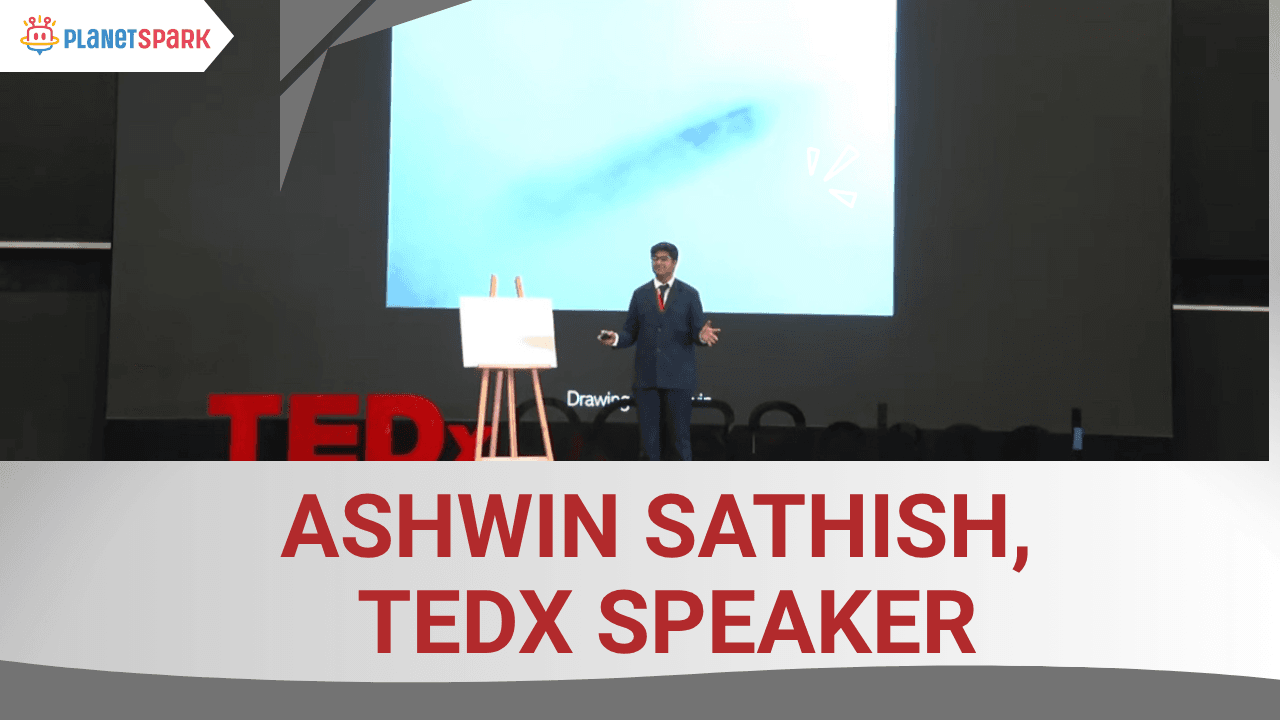
Ashwin Sathish: From Classroom Confidence to TEDx Spotlight
Ashwin Sathish, a Grade 8 student from New Delhi, stood tall as a TEDx Speaker, inspiring audiences with his powerful insights. His journey showcases the impact of confidence, vision, and courage, transforming a classroom learner into a global stage speaker who sparks meaningful conversations.
Conclusion: Unlock Learning Potential with Adaptive Learning
Adaptive learning is transforming the way students learn by creating a personalised adaptive learning experience that caters to individual strengths, weaknesses, and interests. Unlike traditional education methods, adaptive learning platforms adjust content in real-time, ensuring that learners progress at their own pace while staying engaged and motivated. With interactive lessons, gamified exercises, and instant feedback, students not only master academic concepts more efficiently but also develop essential skills such as problem-solving, critical thinking, and independent learning.
For parents, adaptive learning offers transparency and insight into their child’s growth, making it easier to provide support and encouragement. Platforms like PlanetSpark make this experience even more effective by combining technology, structured guidance, and expert-designed curricula.
By integrating adaptive learning into a student’s educational journey, families can ensure a balanced, engaging, and results-driven learning experience. Whether it’s improving grades, building confidence, or fostering lifelong learning habits, adaptive learning opens the door to academic excellence and holistic development for every learner.
“Courage begins with showing up and speaking out.”
Develop confidence and communication skills with PlanetSpark’s Personality Development course.
Readers must read:
Personality Development Training for All Ages : Online & Near You
Personality Development Training for Kids | PlanetSpark
Frequently Asked Questions
Adaptive learning is an educational approach where lessons and exercises adjust based on a learner’s strengths, weaknesses, and pace. Unlike traditional methods, it personalizes the learning experience, ensuring each student receives the support they need to master concepts efficiently.
Personalised adaptive learning uses technology and data analytics to track performance in real-time. The system identifies gaps in knowledge, adjusts lesson difficulty, and provides targeted exercises, allowing students to progress at their own pace while building mastery.
Adaptive learning platforms are digital tools that deliver personalized lessons using AI and data-driven insights. They include interactive content, gamified exercises, assessments, and dashboards for tracking progress, making learning engaging and measurable.
Adaptive learning ensures students focus on their unique needs, improving knowledge retention, engagement, and confidence. It prevents learners from falling behind in challenging areas and accelerates growth in subjects they excel at.
Yes. Adaptive learning platforms provide detailed analytics for parents, showing strengths, weaknesses, and improvement trends. This helps parents support learning at home and understand their child’s academic journey.
While self-learning depends entirely on a student’s initiative, adaptive learning actively guides learners using technology. Lessons adjust in real-time, offering structured support and feedback to ensure consistent progress.