
Anger Management for Kids: Effective Strategies to Help Children Control Emotions
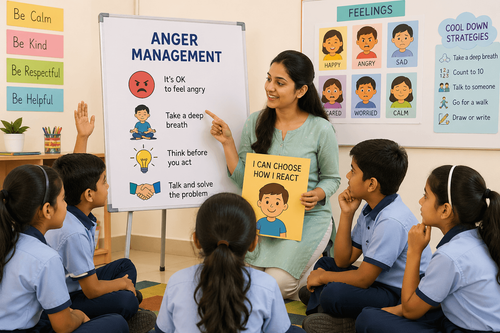

Table of Contents
- What is Anger in Children?
- Common Causes of Anger in Kids
- Signs Your Child Has Anger Issues
- Why Anger Management is Important for Kids
- Effective Anger Management Techniques for Kids
- Practical Anger Management Activities for Kids
- Tips for Parents to Handle Angry Kids
- Role of Schools in Anger Management
- When to Seek Professional Help
- How Communication Skills Help in Anger Management
- PlanetSpark’s Role in Building Emotional & Communication Ski
- Long-Term Benefits of Teaching Anger Management Early
- Conclusion
Anger is a natural human emotion, and children are no exception when it comes to feeling frustrated, upset, or overwhelmed. However, unlike adults, kids often lack the emotional vocabulary and self-regulation skills needed to express anger in a healthy way. This can lead to tantrums, aggression, or withdrawal, which may affect their relationships, academic performance, and overall emotional well-being.
Understanding anger management for kids is essential for parents, teachers, and caregivers who want to nurture emotionally balanced and confident children. Early intervention can help children recognize their emotions, respond calmly, and develop lifelong coping strategies. In today’s fast-paced world—where academic pressure, digital distractions, and social challenges are increasing—teaching kids how to manage anger has become more important than ever.
This guide explores the causes, signs, and effective anger management techniques for children, along with practical strategies that parents and educators can implement to support emotional development.
What is Anger in Children?
Anger in children is an emotional response to situations where they feel threatened, frustrated, misunderstood, or unable to meet their needs. While anger itself is not negative, the way it is expressed determines whether it becomes constructive or harmful.
Understanding Emotional Development in Kids
Children’s brains are still developing, particularly the prefrontal cortex, which is responsible for impulse control, decision-making, and emotional regulation. This is why young children often react impulsively—they feel emotions intensely but lack the tools to process them.
For example, a child who loses a game may throw objects or cry uncontrollably because they do not yet know how to handle disappointment. As they grow, they gradually learn emotional regulation, but this process requires guidance and practice.
Healthy vs Unhealthy Anger
Healthy anger allows children to express their feelings without hurting themselves or others. For instance, a child saying, “I feel angry because you took my toy,” is demonstrating healthy emotional expression.
Unhealthy anger, on the other hand, may involve:
- Physical aggression such as hitting or kicking
- Verbal outbursts like yelling or insulting
- Passive-aggressive behaviors such as sulking or refusing to communicate
Recognizing the difference between healthy and unhealthy anger is the first step in teaching effective anger management skills for kids.
Common Causes of Anger in Kids
Understanding the root causes of anger helps parents address the problem more effectively rather than just reacting to the behavior.
Emotional Triggers
Children often experience anger due to internal emotional triggers such as frustration, jealousy, or feeling ignored. For example, a child may become angry when they are unable to complete a task or when they perceive unfair treatment compared to siblings or peers.
Another common trigger is the inability to express emotions clearly. When children lack the vocabulary to communicate their feelings, anger becomes their default response.
Environmental Factors
A child’s environment plays a significant role in shaping their emotional responses. Exposure to frequent conflicts at home, inconsistent parenting, or high academic expectations can increase stress levels, leading to anger outbursts.
Additionally, excessive screen time and lack of physical activity can contribute to irritability and reduced emotional regulation.
Developmental Factors
Age and developmental stage also influence how children express anger. Toddlers may throw tantrums because they cannot articulate their needs, while older children might show anger through defiance or argumentation.
Understanding age-specific behavior helps caregivers respond appropriately rather than expecting unrealistic emotional control from young children.
Help your child build confidence, communication skills, and creativity—Book a FREE PlanetSpark Demo Class today!
Signs Your Child Has Anger Issues
While occasional anger is normal, persistent patterns may indicate deeper issues that need attention.
Children struggling with anger management may display frequent tantrums, even in situations that seem minor. Physical aggression—such as hitting, pushing, or throwing objects—is another clear sign that a child is unable to regulate emotions effectively.
Verbal expressions of anger, including yelling, blaming others, or using harsh language, can also indicate underlying frustration. Some children may internalize anger, becoming unusually quiet, withdrawn, or unresponsive.
Another important sign is difficulty calming down. If a child remains upset for extended periods and struggles to return to a normal state, it suggests a lack of coping mechanisms.
Identifying these signs early allows parents to implement corrective strategies before the behavior becomes habitual.
Why Anger Management is Important for Kids
Teaching anger management skills is not just about reducing tantrums—it is about shaping a child’s emotional intelligence and long-term success.
Children who learn to manage anger effectively develop better self-awareness and emotional control. This helps them navigate social situations, build meaningful relationships, and resolve conflicts peacefully.
Anger management also plays a crucial role in academic performance. A child who can stay calm under pressure is more likely to focus, learn effectively, and participate confidently in class.
Moreover, early emotional regulation reduces the risk of behavioral issues in adolescence and adulthood. Children who understand their emotions are less likely to engage in aggressive or destructive behaviors later in life.
Ultimately, anger management equips children with essential life skills that contribute to mental well-being, confidence, and resilience.
Effective Anger Management Techniques for Kids
Helping children manage anger requires consistent effort and practical strategies that they can easily understand and apply.
Teach Emotional Awareness
The first step in anger management is helping children identify and name their emotions. When kids can say, “I feel angry” or “I feel frustrated,” they are less likely to act out impulsively.
Parents can encourage this by discussing emotions openly and using real-life examples to explain different feelings.
Deep Breathing Techniques
Simple breathing exercises can help children calm down during moments of anger. Teaching kids to take slow, deep breaths allows them to pause and regain control over their reactions.
For example, asking a child to inhale deeply for four seconds and exhale slowly can significantly reduce emotional intensity.
Time-Out Strategy
A time-out is not a punishment but a chance for the child to cool down and reflect. Creating a calm and safe space where the child can sit quietly helps them regain composure.
It is important to explain that time-outs are meant to help them feel better, not to isolate or shame them.
Physical Activities
Physical movement is an effective way to release built-up anger. Activities such as running, playing sports, or dancing help children channel their energy in a positive way.
Regular physical activity also improves mood and reduces stress, making it easier for kids to manage emotions.
Creative Expression
Encouraging children to express their feelings through art, writing, or storytelling can be highly beneficial. Drawing a picture or writing about their emotions helps them process feelings without resorting to aggression.
Creative outlets provide a safe space for emotional release and self-reflection.
Problem-Solving Skills
Teaching children how to think through situations instead of reacting impulsively is a key aspect of anger management. Parents can guide kids to ask questions like:
- What caused my anger?
- What can I do to solve this problem?
This approach helps children develop critical thinking and emotional control.
Want your child to speak confidently and think creatively? Join a FREE PlanetSpark Demo Class now and see the difference!
Practical Anger Management Activities for Kids
Engaging children in structured activities can make learning anger management skills more interactive and effective.
A calm-down jar, filled with glitter and water, can help children focus and relax as they watch the glitter settle. Emotion charts allow kids to identify and track their feelings, improving emotional awareness.
Role-playing different scenarios teaches children how to respond calmly in challenging situations. For example, practicing how to react when a friend takes their toy can prepare them for real-life interactions.
Counting techniques, such as counting from one to ten, provide a simple way to pause before reacting. Mindfulness exercises, including guided relaxation or visualization, further enhance emotional regulation.
These activities not only teach coping skills but also make the learning process enjoyable and engaging for children.
Tips for Parents to Handle Angry Kids
Parenting plays a crucial role in shaping how children understand and express anger. While it is natural to feel overwhelmed when a child throws a tantrum or reacts aggressively, the way parents respond can either escalate or calm the situation. Developing consistent, supportive strategies is key to teaching anger management for kids effectively.
Stay Calm and Model Behavior
Children learn more from what they observe than what they are told. When parents react with anger or frustration, children often mirror the same behavior. Staying calm during a child’s emotional outburst sends a powerful message that emotions can be handled without losing control.
For example, instead of shouting, a parent can say, “I understand you’re upset, but let’s talk about it calmly.” This not only de-escalates the situation but also models healthy emotional expression.
Set Clear Boundaries and Expectations
Children need structure to feel secure. Setting clear rules about acceptable behavior helps them understand limits. For instance, it should be clearly communicated that while feeling angry is okay, hitting or yelling is not.
Consistency is equally important. If rules are enforced sometimes but ignored at other times, children may become confused and test boundaries more frequently.
Encourage Open Communication
Many children express anger because they feel unheard or misunderstood. Creating a safe environment where they can share their feelings openly helps reduce frustration.
Parents can ask open-ended questions like, “What made you feel upset?” or “How can we fix this together?” This approach promotes emotional awareness and problem-solving.
Avoid Punishment-Based Reactions
Punishing a child for being angry often suppresses emotions rather than teaching regulation. Instead of focusing on punishment, parents should guide children toward better ways of expressing anger.
For example, rather than scolding, redirect the child to a calming activity or discuss alternative responses.
Praise Positive Behavior
Positive reinforcement is a powerful tool in behavior management. When children handle a situation calmly, acknowledging their effort encourages them to repeat the behavior.
Simple praise like, “I’m proud of how you stayed calm,” builds confidence and reinforces emotional control.
Role of Schools in Anger Management
Schools are an important environment where children learn social and emotional skills. Teachers and educators play a significant role in reinforcing anger management techniques for kids.
A supportive classroom environment encourages children to express their emotions without fear of judgment. Teachers can incorporate activities such as group discussions, storytelling, and role-playing to teach emotional regulation.
Additionally, schools can implement social-emotional learning (SEL) programs that focus on empathy, communication, and conflict resolution. These programs help children understand not only their own emotions but also the feelings of others.
Collaboration between parents and teachers is essential. When both work together, children receive consistent guidance, making it easier for them to develop healthy emotional habits.
When to Seek Professional Help
While occasional anger is normal, there are situations where professional intervention becomes necessary. Ignoring persistent anger issues can lead to more serious behavioral and emotional challenges.
Parents should consider seeking help if a child:
- Displays frequent and intense anger outbursts
- Shows signs of physical aggression or self-harm
- Struggles to function in school or social settings
- Remains angry for prolonged periods without calming down
Child psychologists, counselors, or behavioral therapists are trained to identify underlying causes and provide tailored strategies. Early intervention can significantly improve a child’s emotional well-being and prevent long-term issues.
How Communication Skills Help in Anger Management
One of the most effective ways to manage anger is through strong communication skills. When children can clearly express their thoughts and feelings, they are less likely to resort to aggression or withdrawal.
Effective communication helps children articulate emotions such as frustration, disappointment, or jealousy. Instead of reacting impulsively, they learn to use words to resolve conflicts.
Active listening is equally important. Teaching children to listen to others’ perspectives fosters empathy and reduces misunderstandings. For example, a child who understands why a friend behaved a certain way is less likely to react angrily.
Building a strong emotional vocabulary also plays a crucial role. Words like “annoyed,” “frustrated,” or “disappointed” allow children to express nuanced emotions rather than defaulting to anger.
Give your child the tools to express emotions positively—Sign up for a FREE PlanetSpark Demo Class today!
PlanetSpark’s Role in Building Emotional & Communication Skills
In today’s digital age, structured learning platforms can significantly enhance a child’s communication and emotional intelligence. One such platform is PlanetSpark, which focuses on developing essential life skills in children.
PlanetSpark offers programs designed to improve public speaking, storytelling, and overall communication abilities. These skills directly contribute to better anger management by enabling children to express their emotions clearly and confidently.
Through interactive sessions, children learn how to:
- Organize their thoughts before speaking
- Express feelings in a structured and calm manner
- Handle disagreements without aggression
The platform also emphasizes confidence-building, which reduces frustration and insecurity—two common triggers of anger in kids. When children feel confident in expressing themselves, they are less likely to experience emotional outbursts.
Another key benefit is personalized feedback. Children receive guidance tailored to their individual needs, helping them improve gradually and consistently.
By combining communication training with emotional development, PlanetSpark equips children with the tools they need to navigate real-life situations effectively. This holistic approach ensures long-term benefits, not just in managing anger but also in building leadership and interpersonal skills.
Long-Term Benefits of Teaching Anger Management Early
Teaching anger management skills during childhood has lasting effects that extend into adulthood. Children who learn to regulate their emotions grow into individuals who can handle stress, resolve conflicts, and maintain healthy relationships.
One of the most significant benefits is improved mental health. Children who understand their emotions are less likely to experience anxiety, depression, or behavioral disorders.
Strong emotional regulation also enhances social relationships. Kids who can manage anger effectively are better at forming friendships, cooperating with peers, and maintaining positive interactions.
In addition, these skills contribute to better decision-making. Instead of reacting impulsively, children learn to think through situations and choose appropriate responses.
Confidence is another key outcome. When children feel in control of their emotions, they develop a sense of self-assurance that positively impacts all areas of life, including academics and extracurricular activities.
Conclusion
Anger is a natural emotion, but without proper guidance, it can become difficult for children to manage. Teaching anger management for kids is not about suppressing emotions—it is about helping children understand, express, and regulate their feelings in a healthy way.
Parents, teachers, and caregivers all play a vital role in this process. By modeling calm behavior, encouraging open communication, and providing consistent support, adults can help children develop essential emotional skills.
Practical techniques such as deep breathing, creative expression, and problem-solving empower children to handle challenging situations effectively. Additionally, structured platforms like PlanetSpark can further enhance communication and emotional intelligence.
With patience, consistency, and the right strategies, children can learn to manage anger constructively, paving the way for a confident, balanced, and emotionally resilient future.
Frequently Asked Questions
Anger in children can be caused by frustration, lack of communication skills, environmental stress, family conflicts, or developmental factors. Identifying the root cause helps in managing it effectively.
Using calming techniques like deep breathing, distraction, or a quiet time-out can help a child regain control. Staying calm yourself is equally important.
Anger management skills can be introduced as early as toddlerhood through simple techniques like naming emotions and teaching basic coping strategies.
Yes, occasional anger is a normal part of development. However, frequent or intense outbursts may require attention and guidance.
Yes, strong communication skills allow children to express their feelings clearly, reducing frustration and preventing emotional outbursts.